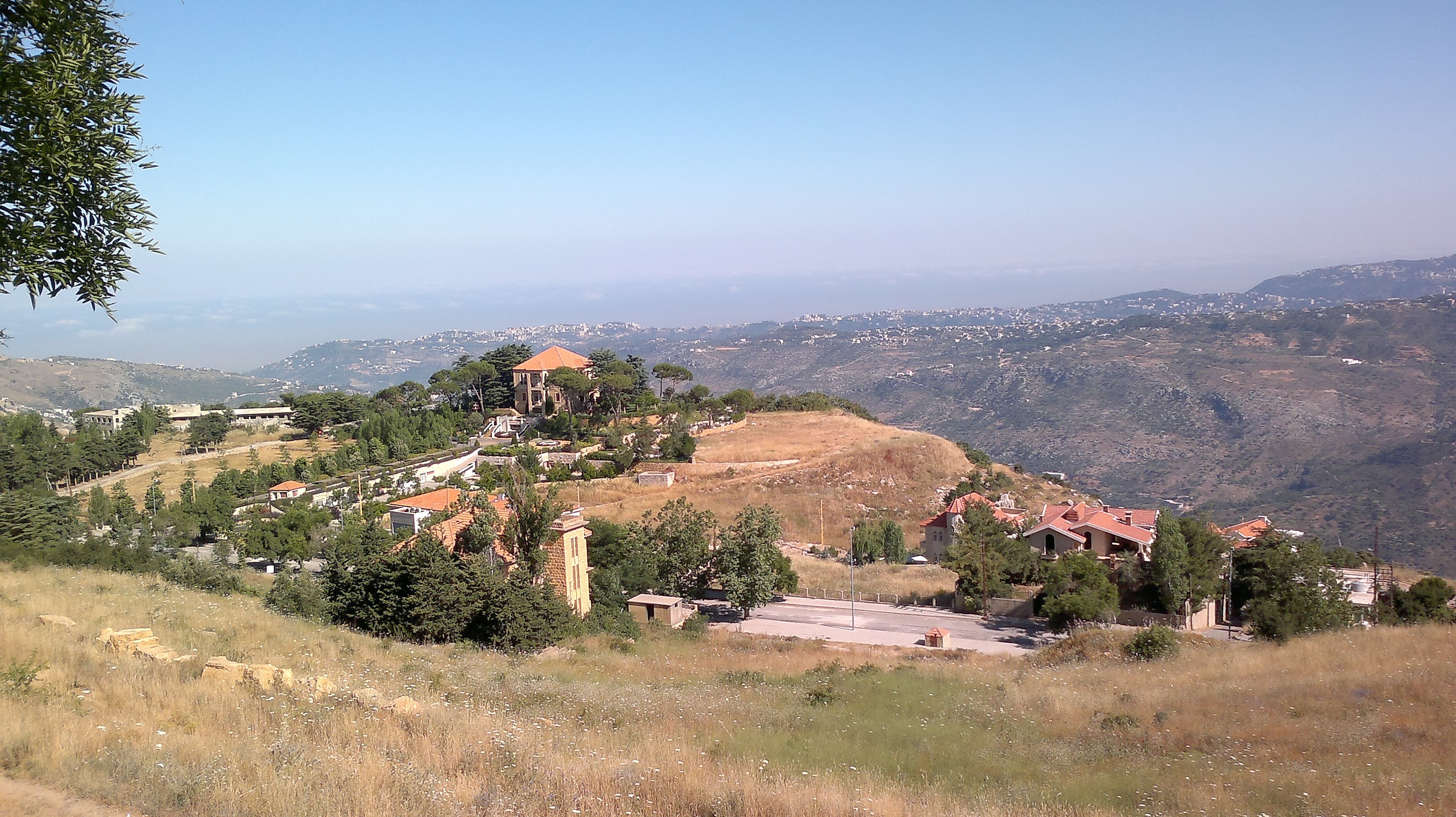
Aley
©
Aley

Aley

Mount Lebanon summer town above Beirut, known for cool air, stone houses, and terrace restaurants

Aley is a mountain town perched above Beirut in the Mount Lebanon range, popular as a summer retreat when the coastal heat becomes oppressive. The cool mountain air, traditional stone houses and hillside restaurants make it a pleasant escape from the city, just 30 minutes up the winding mountain road.

The town has a long history as a resort -- Ottoman-era Lebanese and foreign residents fled here in summer, and the tradition continues today. You will find good restaurants with terraces overlooking the valley, some surviving traditional Lebanese architecture — including the late-Ottoman Grand Serail on the main street — and a relaxed pace that contrasts sharply with Beirut's intensity. The restored Aley Synagogue is a quiet reminder of the older mix of communities that summered here, and the nearby Bsous Silk Museum is the best small museum in this part of Mount Lebanon.

Aley is also a useful base for exploring the Chouf Mountains and visiting Beiteddine and Deir el Qamar, both of which are within easy reach to the south.

Guide

Eating Out

Aley's restaurants are the main reason many Beirutis come up the mountain on a summer evening. The style is Lebanese mezze served on terraces with views, often with a fountain, often loud, almost always good. Reservations are sensible on weekends from June to September.

Casino Aley — a long-established institution on the main street, mezze and grilled meats on a wide terrace; the wine list is decent and the service still wears bow ties.

Al Halabi — a Beirut institution with a mountain outpost in Aley, doing the full Lebanese spread (raw kibbe, fattoush, tabbouleh, grilled lamb) consistently well.

Em Sherif Mountain Branch — the upmarket cousin of the Beirut original, with a set menu in the high Lebanese style; pricey but the kind of meal worth a long evening.

For something simpler, the bakeries along the main street do the standard man'oushe (thyme-and-olive-oil flatbread) in the morning and the sweet kashta-stuffed varieties in the afternoon.

Guide

Getting There

Aley sits about 17 kilometres south-east of Beirut on the Beirut–Damascus road, which climbs the western flank of Mount Lebanon in tight switchbacks past Baabda and Hazmieh. By car or taxi from Beirut centre the drive is 30 to 45 minutes off-peak, longer on Friday and Sunday evenings when half the city is going up or down the mountain.

Service taxis and minibuses run from Cola Roundabout in Beirut throughout the day for a few thousand Lebanese lira (in practice the foreign-traveller rate is a few dollars). A private taxi will cost considerably more but is faster and easier with luggage. The road continues east from Aley to Bhamdoun and Sofar, and ultimately to the Syrian border at Masnaa.

There is no direct public transport from Beirut–Rafic Hariri International Airport to Aley; arrange a taxi or have a hotel send a car.

Guide

When to Go

Aley exists, in its modern form, because of summer. From June through September, when Beirut is hot, humid, and at sea level, the mountain town at 800 metres is ten degrees cooler and almost always breezy by evening. This is the busy season — restaurants full, traffic on the Beirut–Damascus road, Gulf visitors in the apartment blocks above the main street, and any hotel that exists charging its highest rates.

Off season can be cold and rainy from December through March, with occasional snow at the higher elevations above Aley. Spring (April and May) and autumn (October and November) are the best compromise for a sightseeing visit — pleasant temperatures, clear views to the coast, and far fewer crowds. The Aley Summer Festival usually runs from late July to mid-August with concerts and outdoor events along the main street.