Lebanon is one of the smallest countries in the Middle East but packs more history, scenery and flavour into its 10,452 square kilometres than most nations ten times its size. This is a place where you can ski in the morning and swim in the Mediterranean by afternoon, where Roman temples rival anything in Italy, and where the food alone is worth the plane ticket.
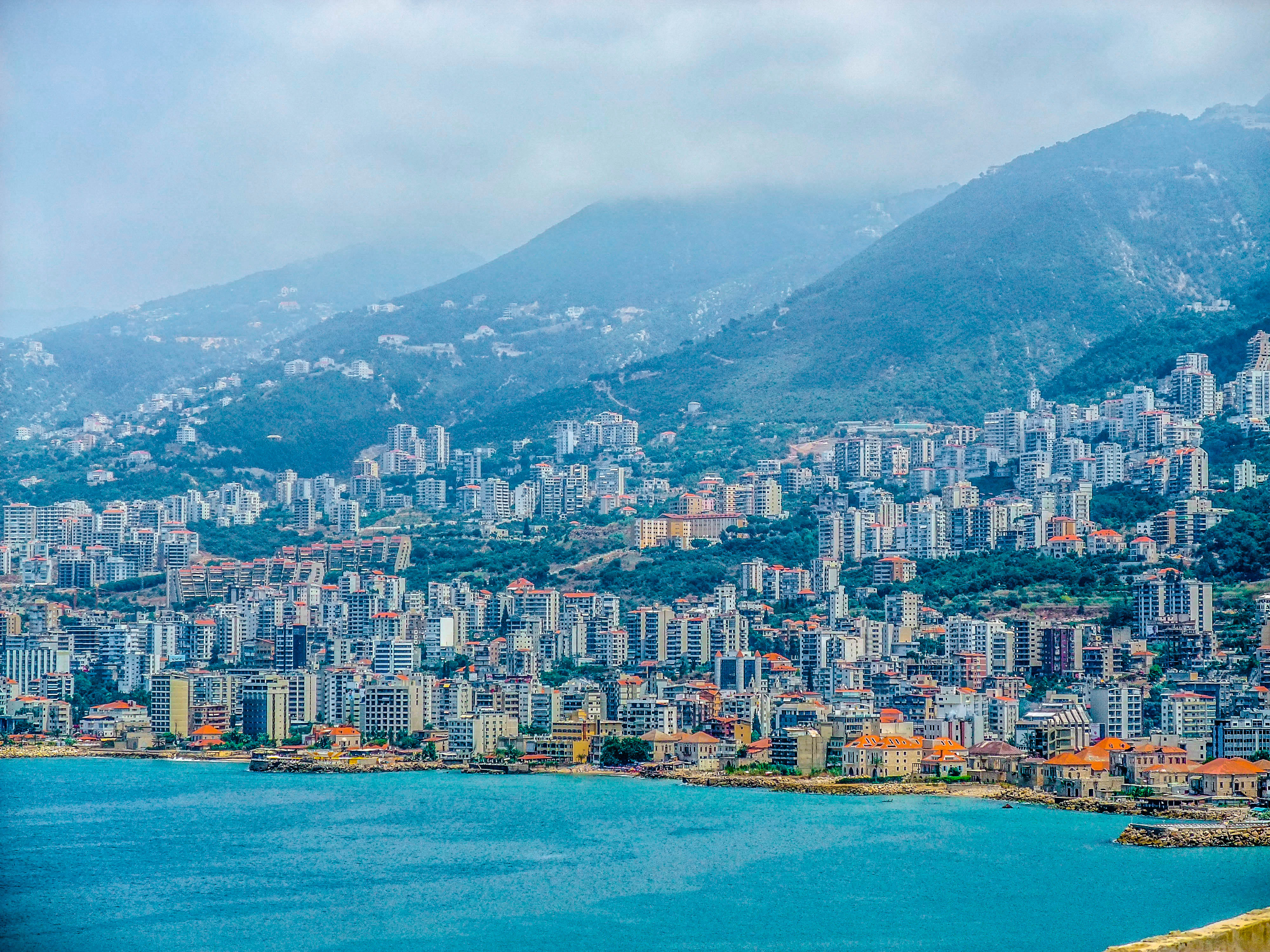
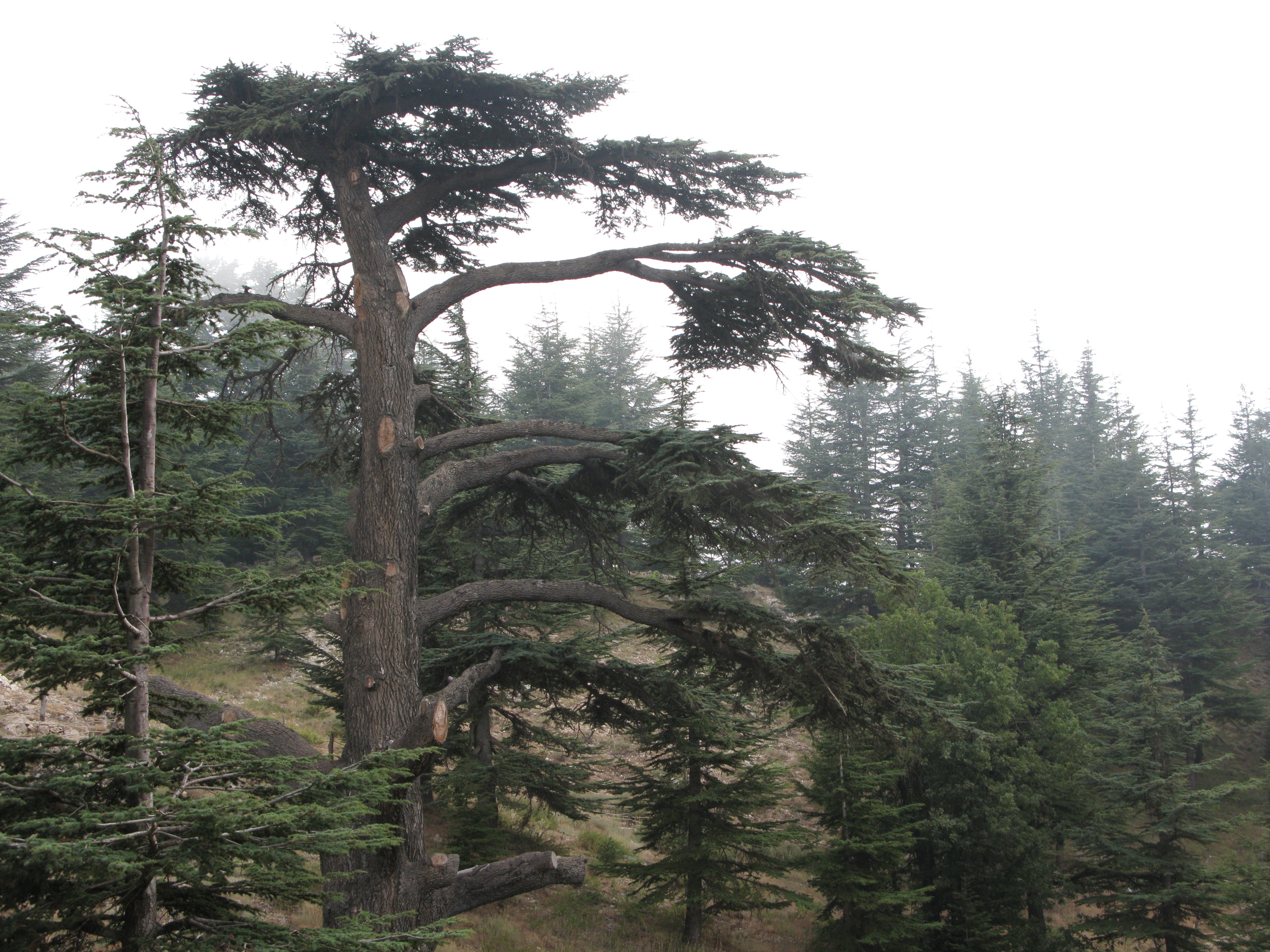
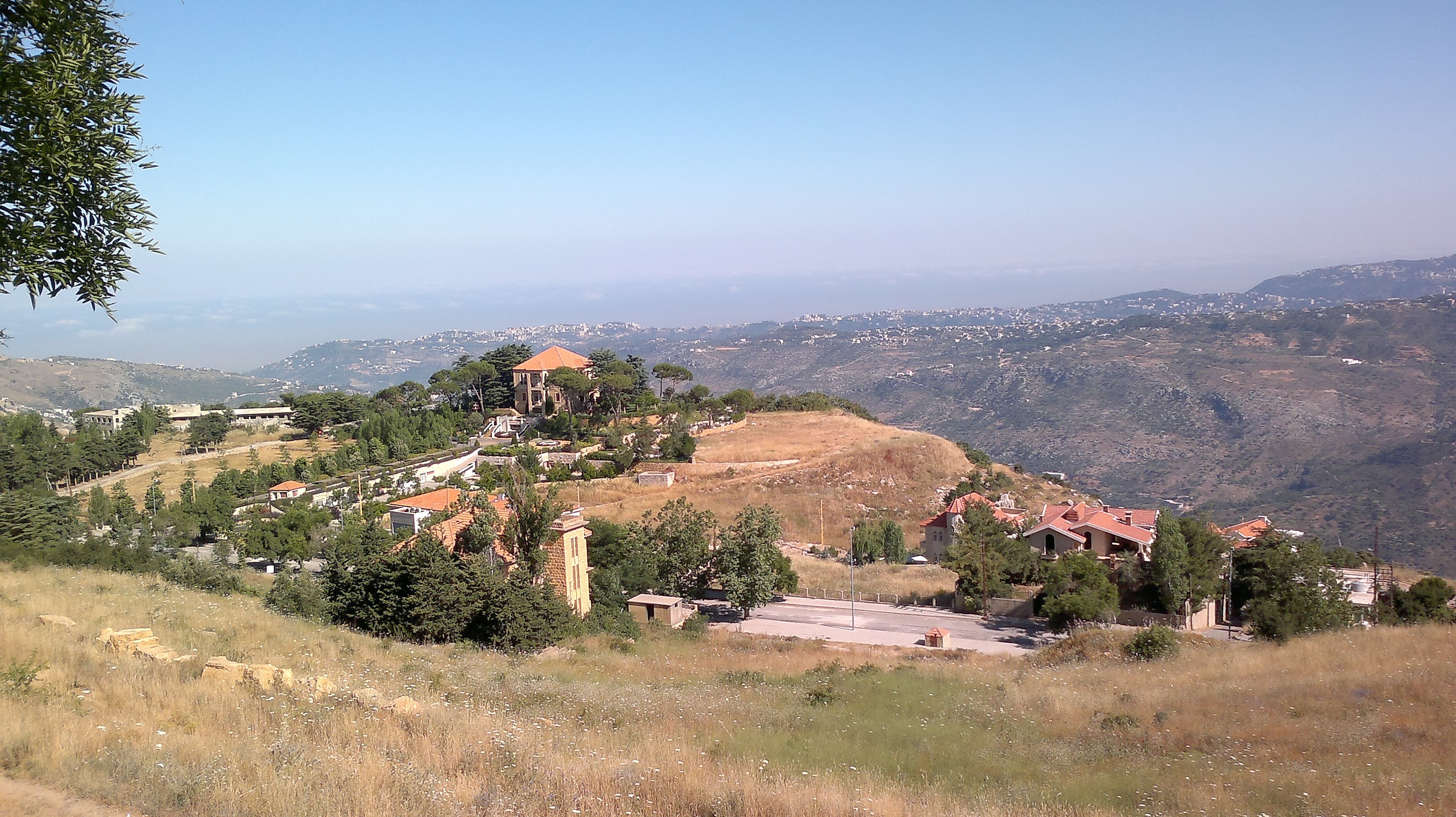
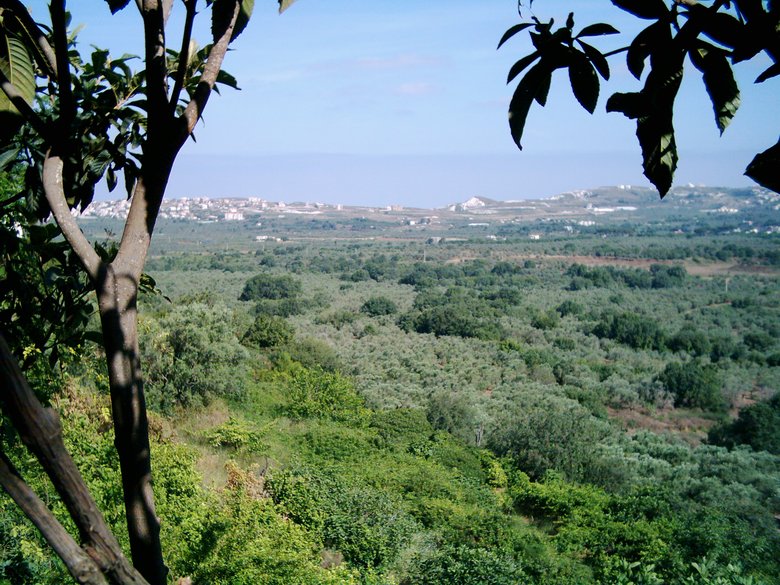
The country sits on a narrow coastal strip backed by two mountain ranges -- the Mount Lebanon range rising sharply from the coast and the Anti-Lebanon range along the Syrian border, with the fertile Bekaa Valley running between them. That geography gives Lebanon an extraordinary range of landscapes: cedar forests, terraced hillsides, rocky gorges, and a coastline dotted with ancient port cities.
Lebanon's history reads like a catalogue of civilizations. Phoenicians, Egyptians, Assyrians, Greeks, Romans, Arabs, Crusaders and Ottomans all left their mark. Baalbek has some of the most impressive Roman ruins anywhere in the world. Byblos is one of the oldest continuously inhabited cities on earth. The Qadisha Valley shelters monasteries carved into cliffs. And Beirut, the capital, is a city that has reinvented itself repeatedly -- most recently after a devastating civil war, a 2020 port explosion, economic crisis, and conflict in 2024.
Lebanon has been through extraordinarily difficult times. The economy collapsed starting in 2019, the currency lost more than 90% of its value, and conflict between Israel and Hezbollah in 2024 caused massive destruction in the south and parts of Beirut. A ceasefire took hold in late 2024, and the country is slowly recovering. Travelers should check current conditions before visiting, but Lebanon has a long tradition of welcoming visitors and bouncing back.
The Lebanese are famously hospitable, multilingual (Arabic, French and English are all widely spoken), and passionate about food. A meal here -- whether a lavish mezze spread in a mountain restaurant or a shawarma from a Beirut street stall -- is an event. The nightlife in Beirut is legendary, the wine from the Bekaa Valley is excellent, and the people will make you feel welcome even in tough times.
Destinations
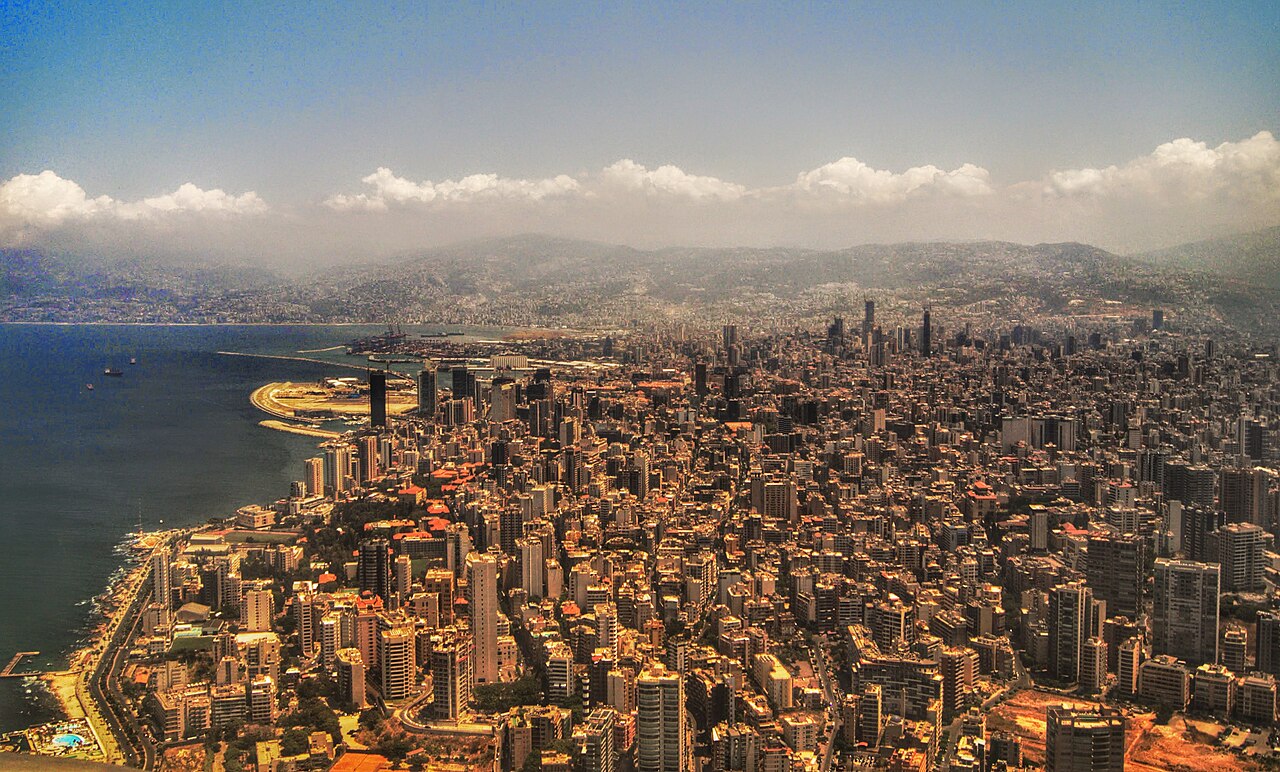
- Beirut -- the capital, a resilient city of culture, nightlife and history
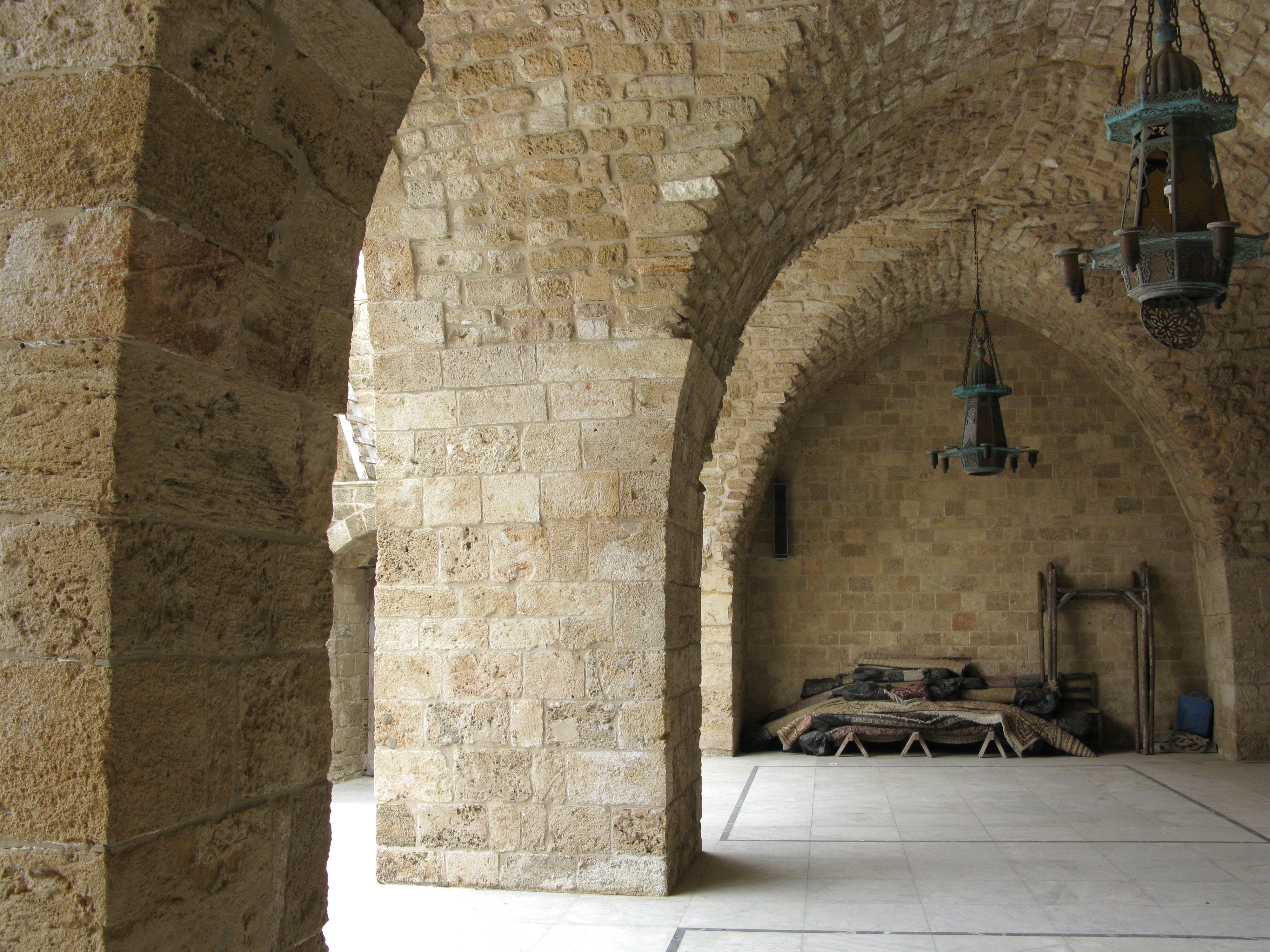
- Tripoli -- Lebanon's second city, with spectacular Mamluk architecture and souks
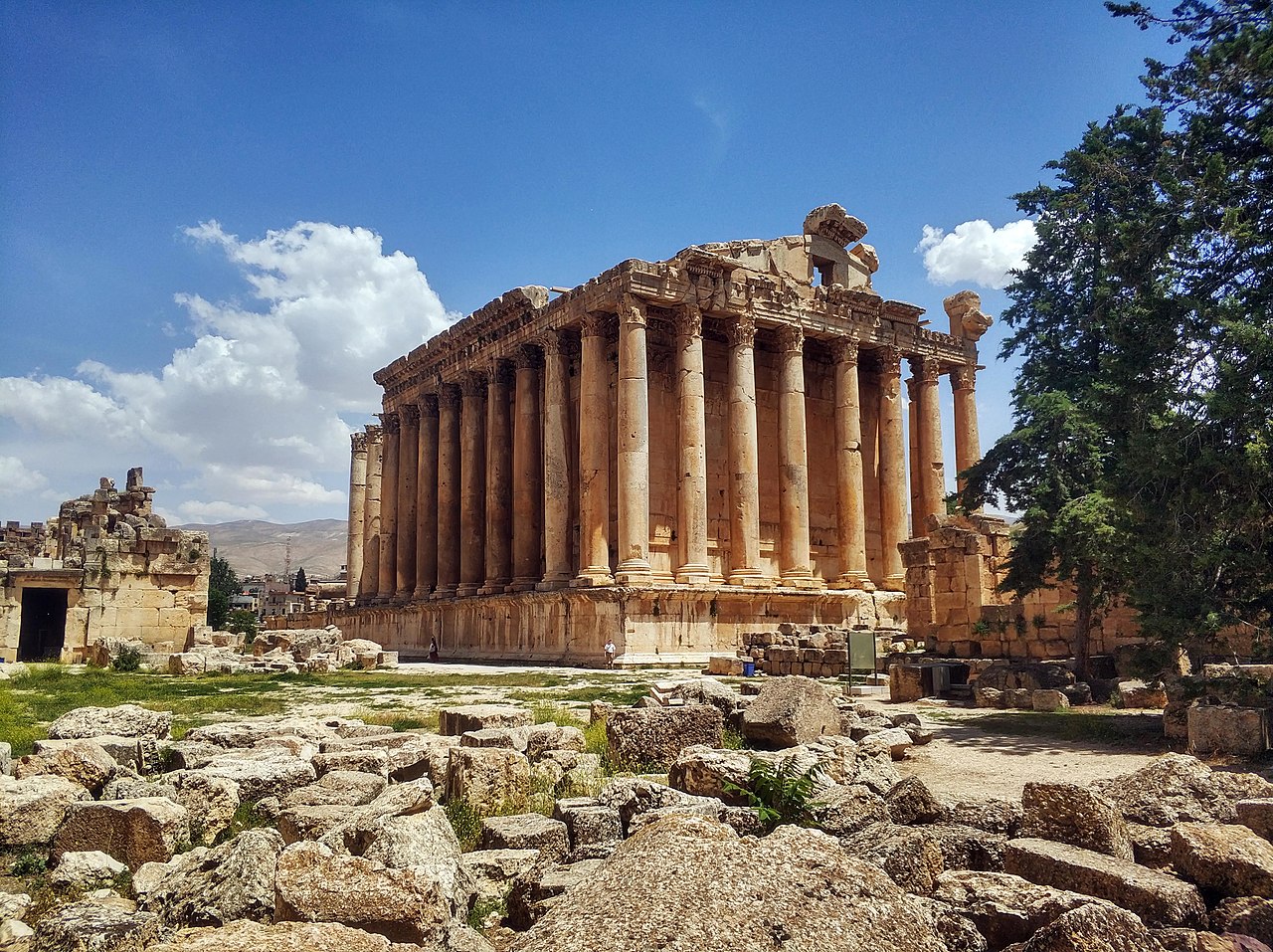
- Baalbek -- site of monumental Roman temples in the Bekaa Valley
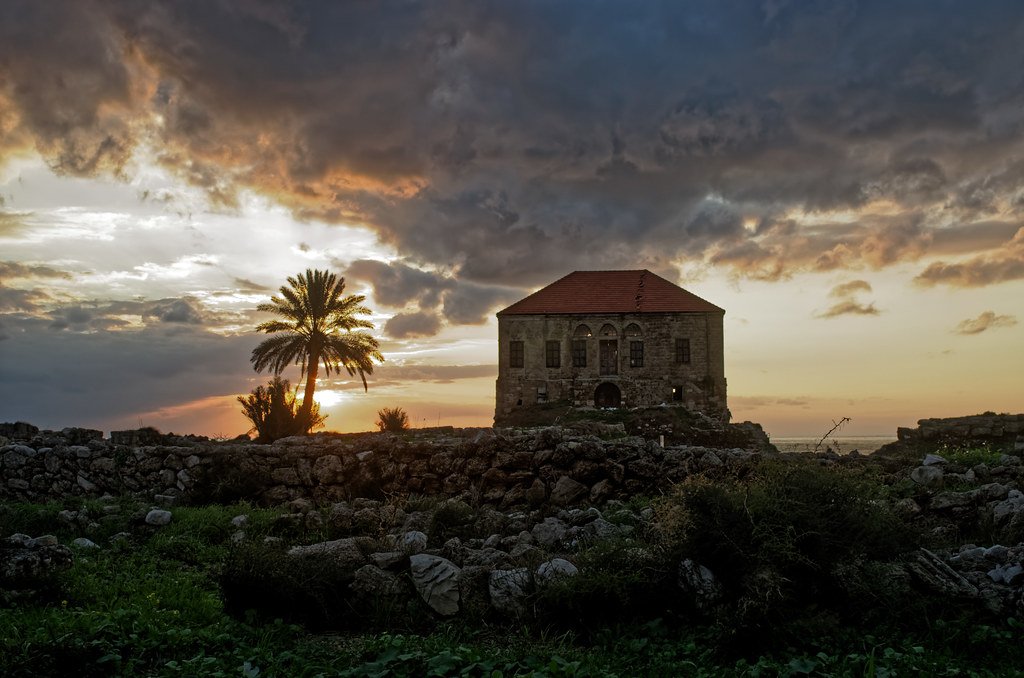
- Byblos (Jbeil) -- ancient Phoenician port city, one of the oldest in the world
- Sidon -- southern port city with a sea castle and famous sweets
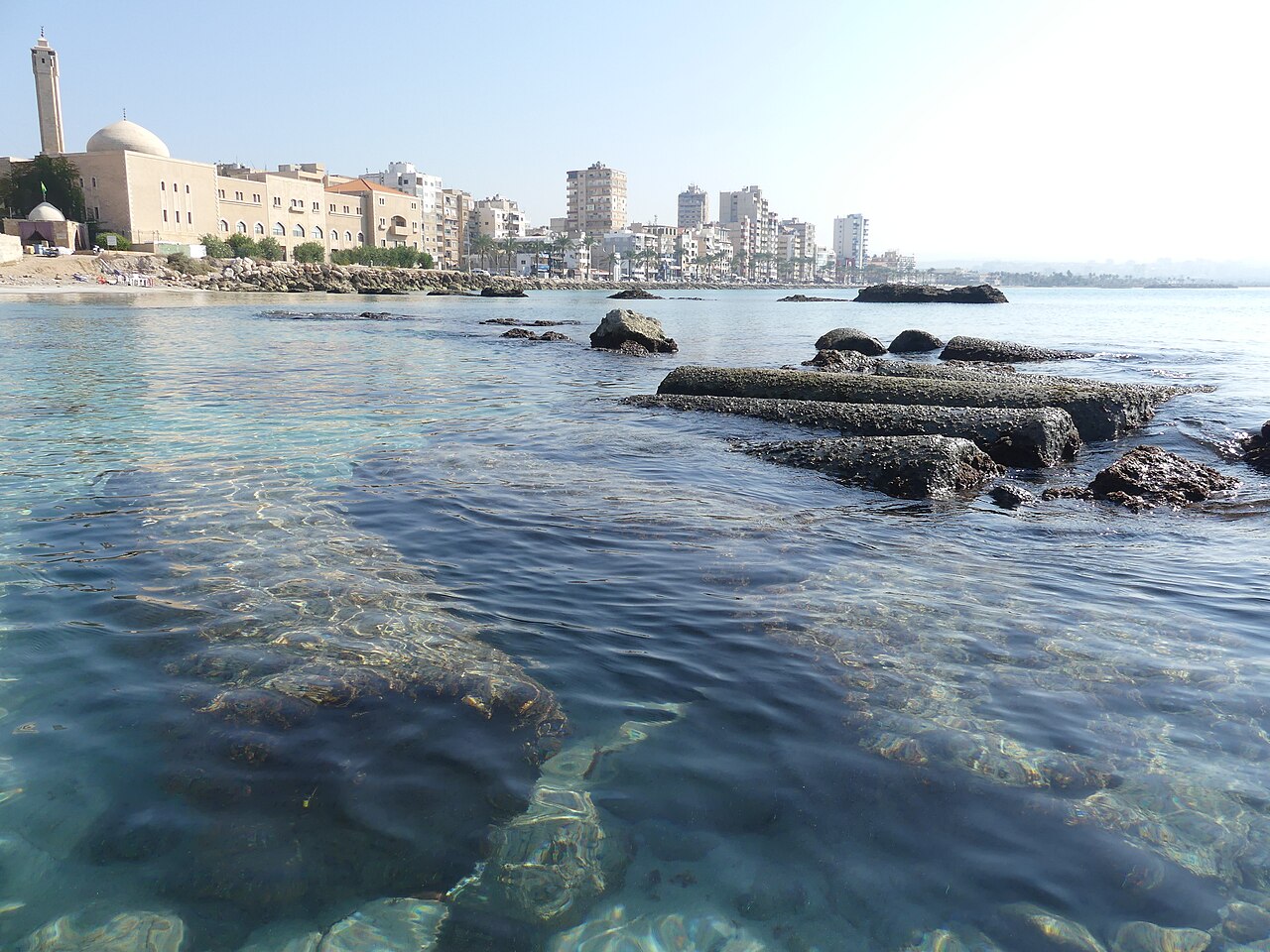
- Tyre -- UNESCO World Heritage site with Roman ruins and good beaches
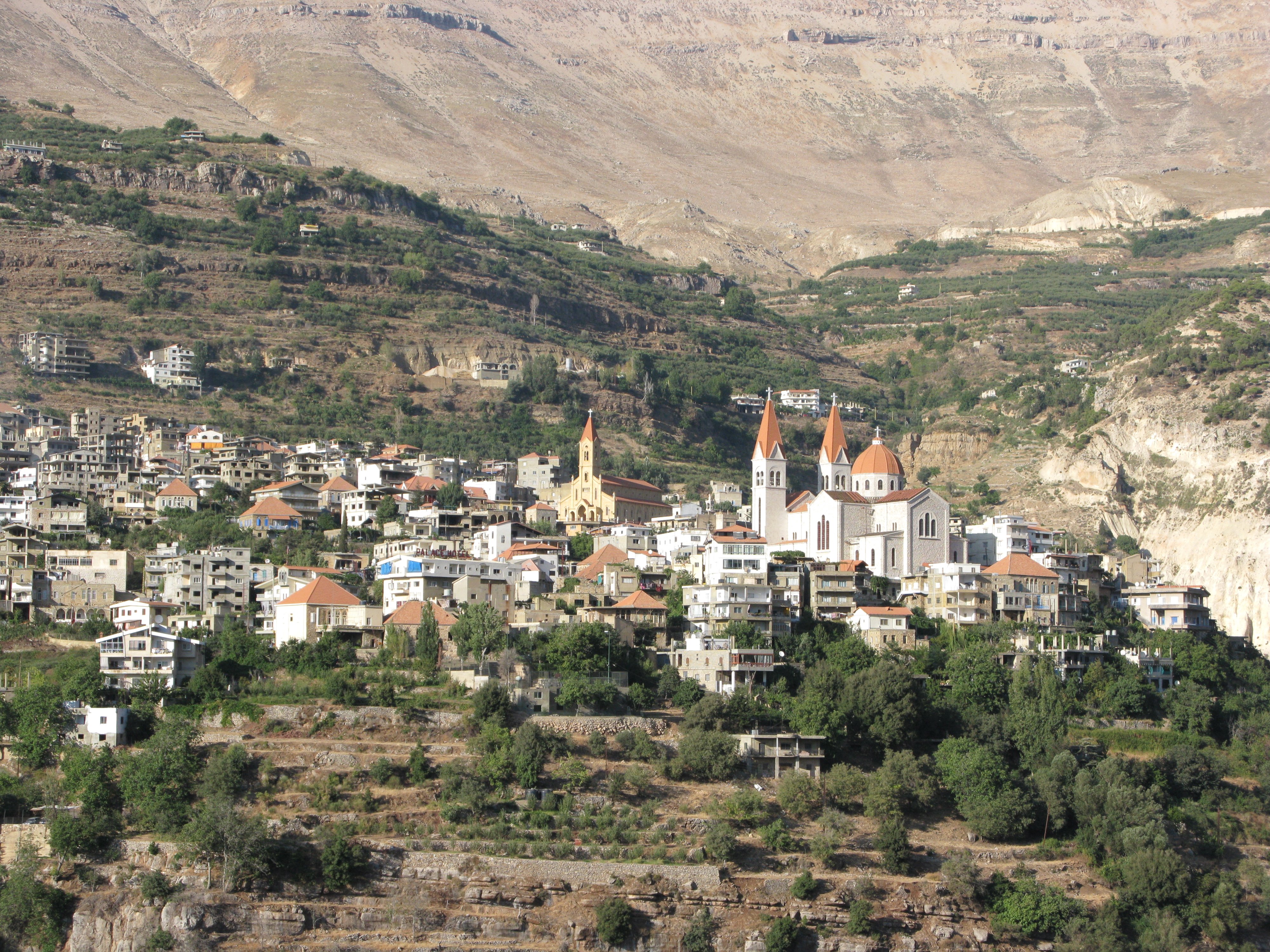
- Bcharre -- mountain town, birthplace of Khalil Gibran, gateway to the cedars
- Jounieh -- coastal resort town with a cable car to the Harissa statue
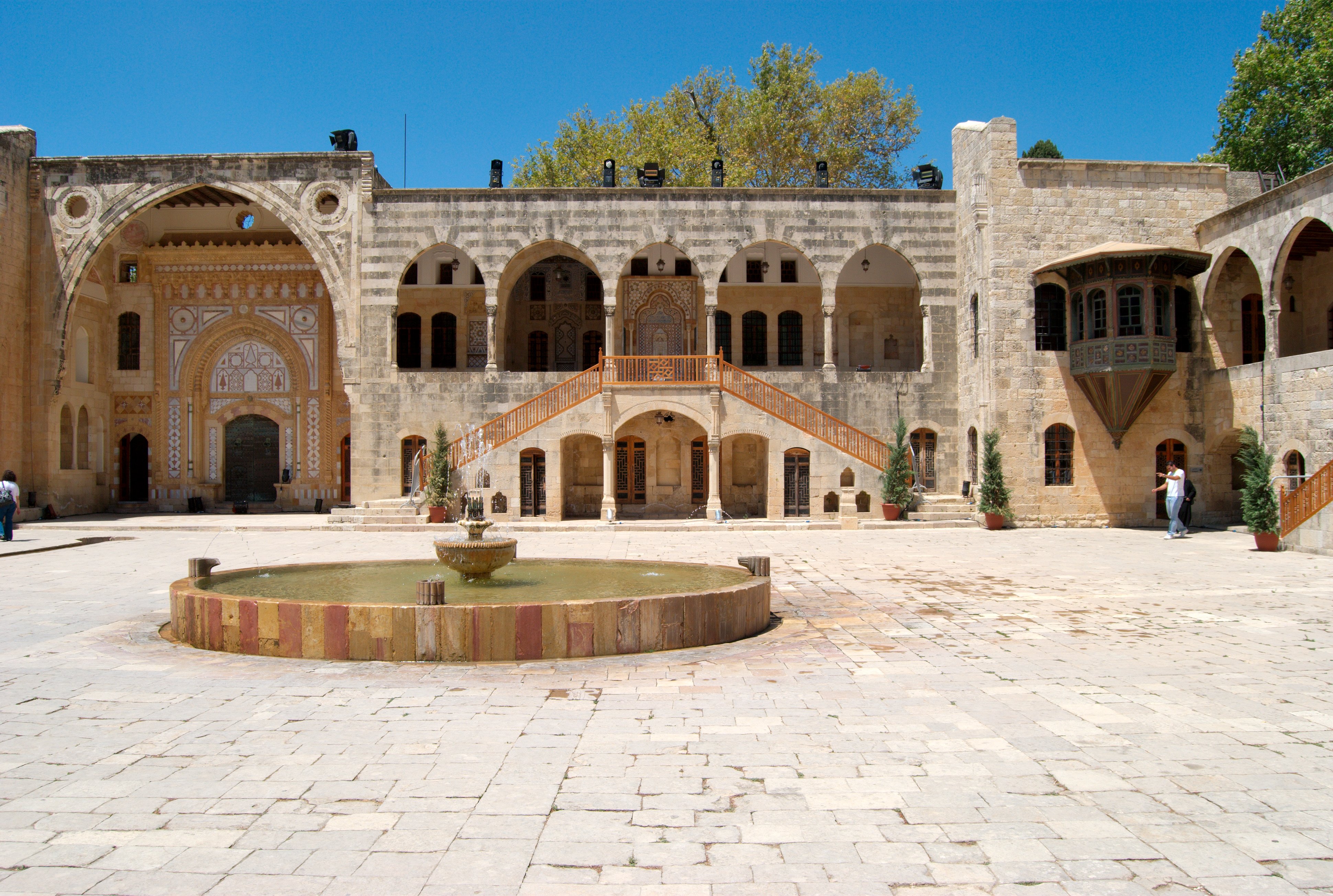
- Beiteddine -- home to a magnificent 19th-century palace in the Chouf Mountains
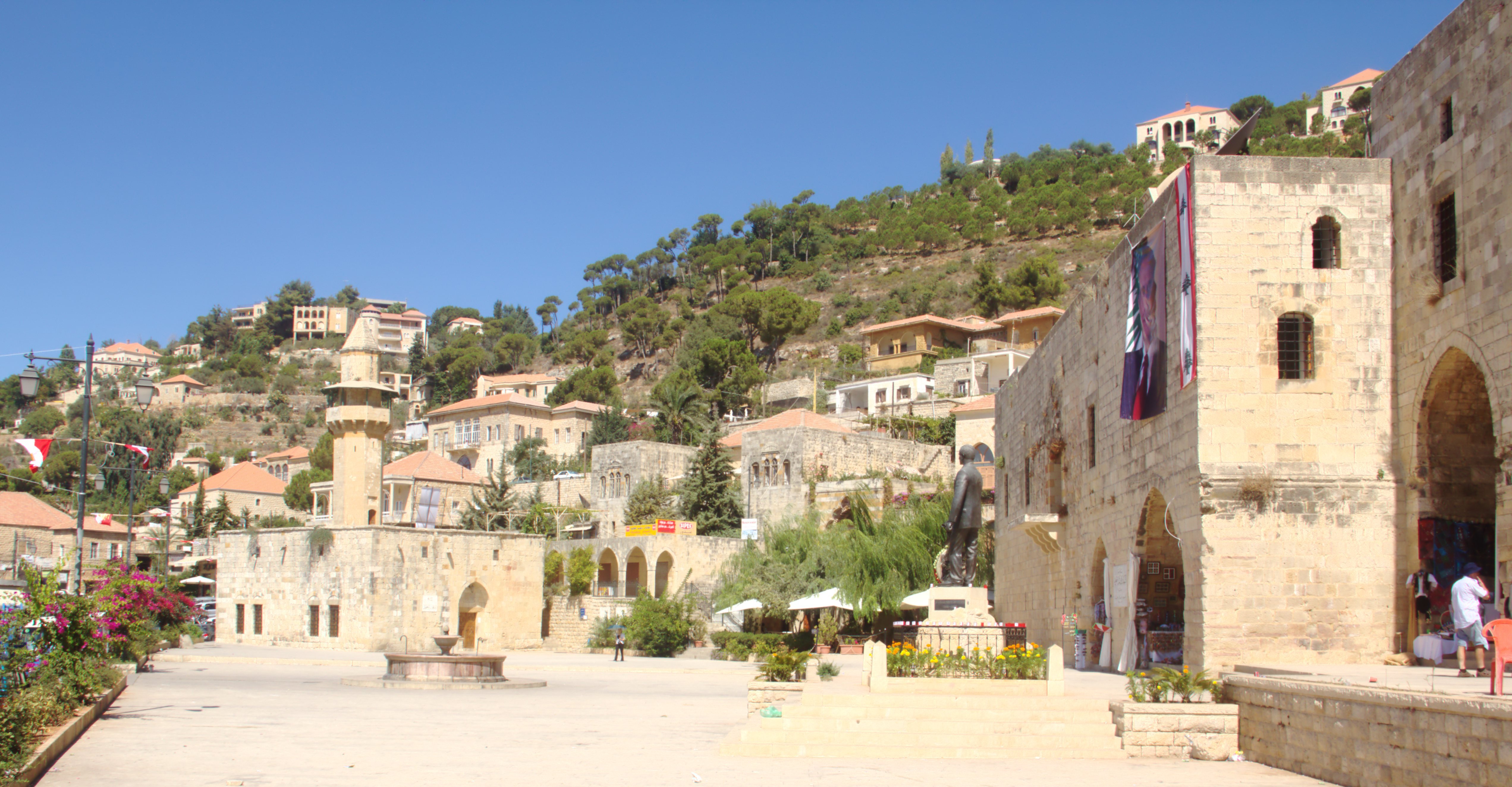
- Deir el Qamar -- scenic historic town on the road to Beiteddine
- Cedars of Lebanon -- the ancient cedar groves that gave the country its symbol
- Ehden -- mountain village and gateway to the Horsh Ehden nature reserve
- Aley -- mountain town above Beirut, popular summer retreat