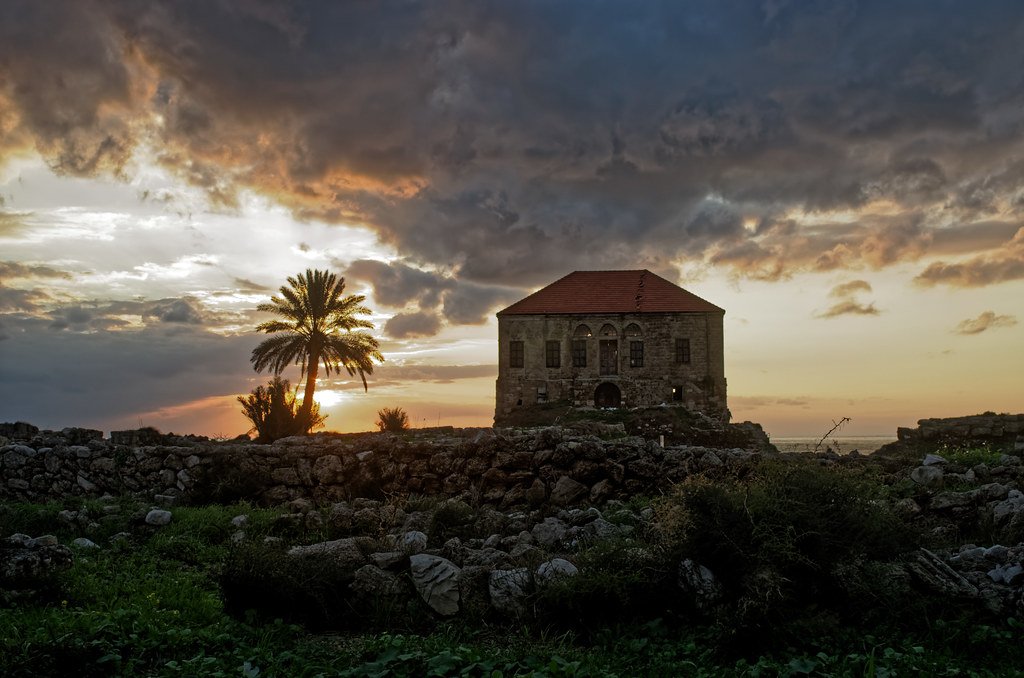
Byblos (Jbeil in Arabic) is one of the oldest continuously inhabited cities in the world, with a history stretching back over 9,000 years. Located 37 km north of Beirut, it has been occupied by Phoenicians, Egyptians, Assyrians, Greeks, Romans, Arabs, Crusaders and Ottomans, each leaving traces that make it one of the richest archaeological sites in the Middle East.
The city became an important trading port during the 3rd millennium BC and the commercial and religious capital of the Phoenician coast. Situated at the foot of Lebanon's timber-bearing mountains, it was an ideal port for exporting cedar wood and oil, traded with Egypt for gold, alabaster, linen and papyrus. The Greeks called this port "Byblos" after their word for papyrus — and from Byblos comes the word "Bible." It was here that an ancestor of the Greek alphabet was developed.
The Byblos Archaeological Site encompasses ruins spanning 5,000 years in a compact area, dominated by the 12th-century Crusader Castle. From the castle towers you look down over temples, fortifications, and tombs spanning millennia. The Temple of the Obelisks is notable for the hundreds of miniature votive obelisks found within it; the Temple of Baalat Gebal was the city's patron sanctuary for thousands of years. The 12th-century St. John's Cathedral stands within the site walls, one of the better-preserved Crusader churches in Lebanon.
The old harbour is one of the most picturesque on the Lebanese coast — small, lined with seafood restaurants, and backed by the castle walls. The old souk behind it is worth a browse for local crafts and antiques. For something unexpected, the Byblos Fossil Museum holds exceptional Cretaceous marine fossils from the Lebanese mountains.
Byblos is an easy half-day or full-day trip from Beirut and is one of the most rewarding destinations in Lebanon.