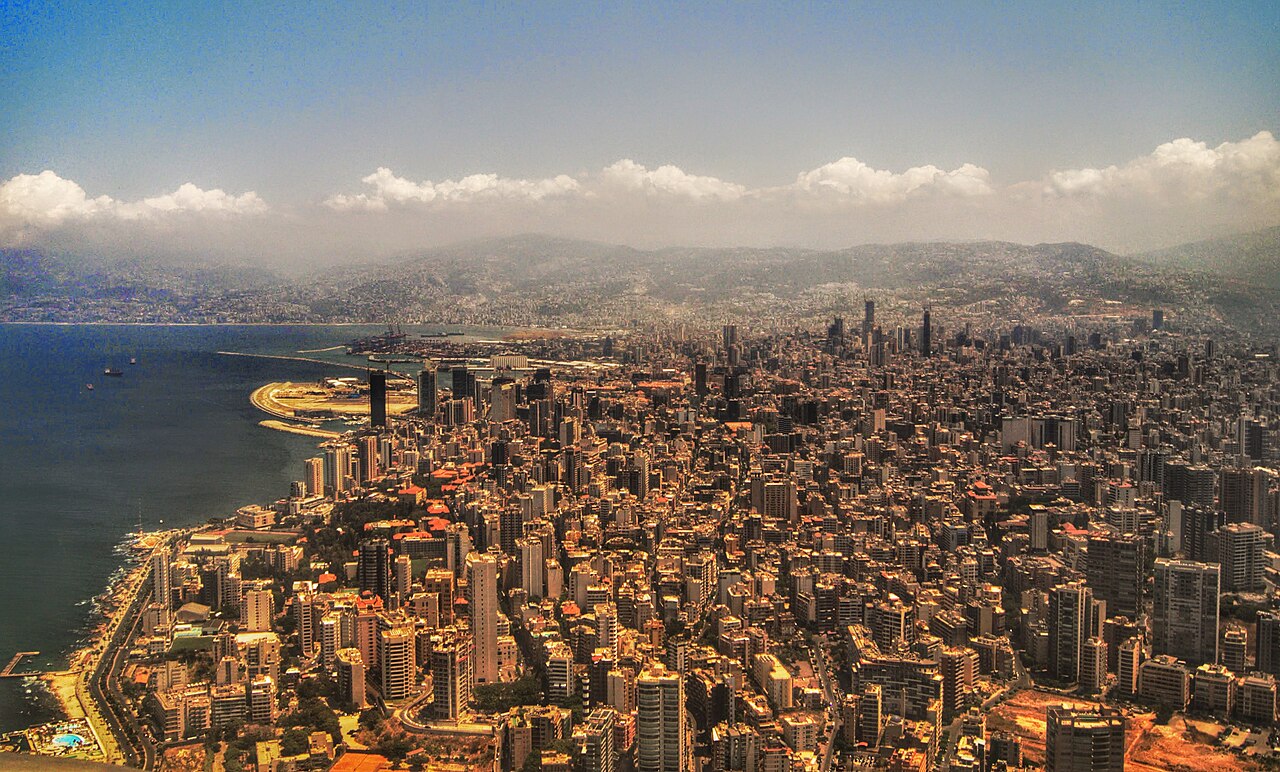
Beirut is a city that refuses to stay down. Built on a rocky promontory at the centre of Lebanon's coast, it has been destroyed and rebuilt so many times that resilience is practically its defining characteristic. The civil war (1975-1990) leveled much of the city centre. Reconstruction was well underway when the catastrophic port explosion of August 2020 devastated entire neighbourhoods. Economic collapse, political crisis and the 2024 conflict have all taken their toll. And yet Beirut remains vibrant, compelling and alive in a way few cities can match.
The downtown area, rebuilt by the Solidere development company in the 1990s and 2000s, is a strange mix of gleaming limestone buildings, restored Ottoman-era architecture and archaeological sites. Martyrs' Square, the Mohammad Al-Amin Mosque and the Beirut Souks are all part of the reconstruction. The Gemmayzeh and Mar Mikhael neighbourhoods, east of downtown, are where much of the city's creative energy is concentrated -- bars, galleries, restaurants and boutiques line the streets, though these areas were badly damaged in the 2020 explosion and are still recovering. The shattered grain silos at the port still stand as a memorial.
The Corniche, a long seafront promenade stretching along the western coast, is where Beirut comes out to walk, jog and socialise. At its western tip stand the iconic Pigeon Rocks, massive natural arches rising from the sea at Raouche. The National Museum of Beirut, on the former Green Line that divided the city during the war, houses an outstanding collection of Phoenician, Roman and Byzantine artifacts, and the Sursock Museum in Achrafieh is the city's principal modern art collection.
Beirut's food scene is extraordinary, from street shawarma and manakish bakeries to world-class restaurants. The nightlife is legendary -- this is genuinely one of the best cities in the Middle East for going out. And the city serves as the natural base for day trips to Byblos, Baalbek, Beiteddine, Jounieh and the Cedars.