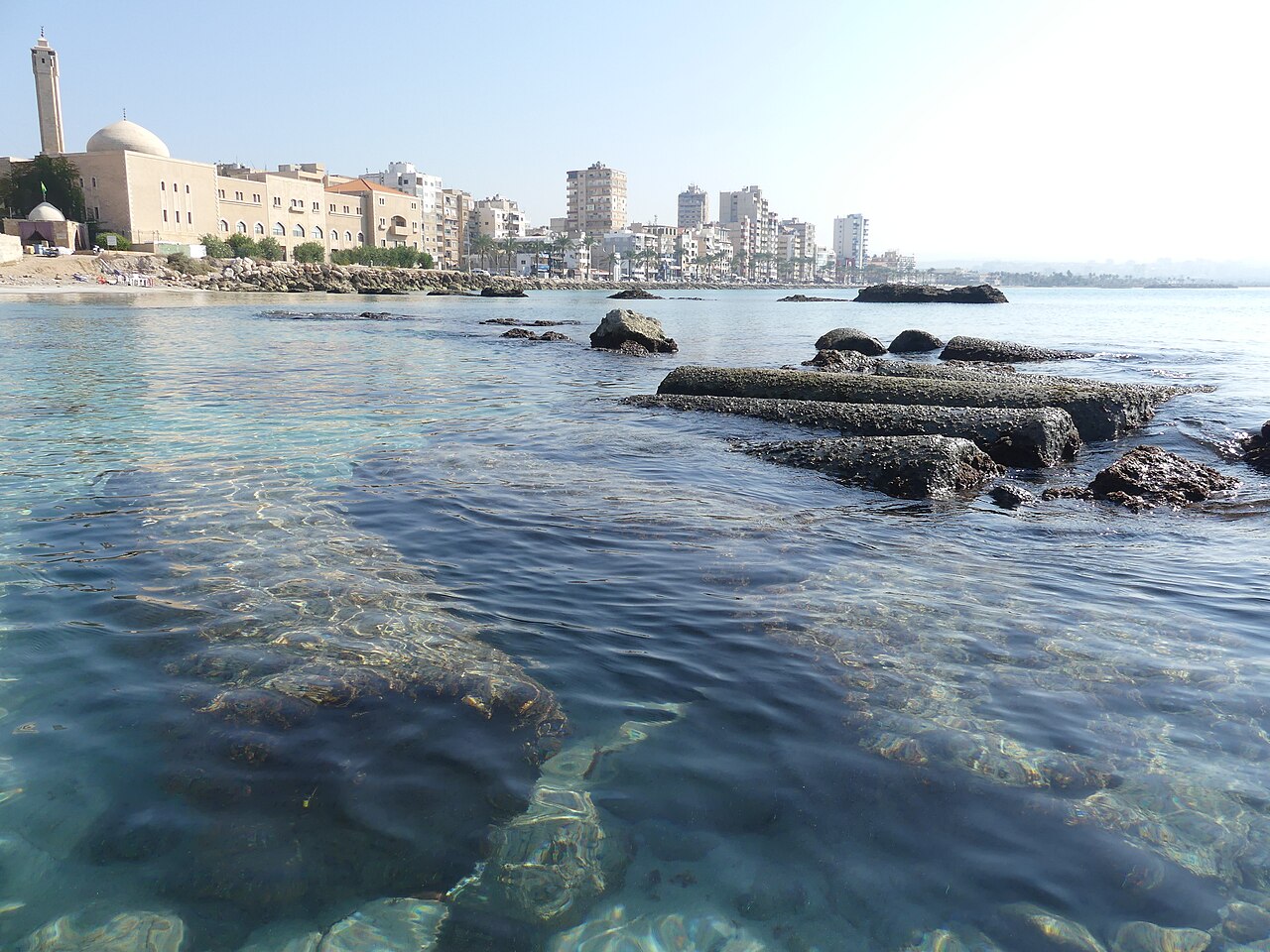
Tyre (Sour in Arabic) was one of the great cities of the ancient world -- a Phoenician powerhouse that defied Nebuchadnezzar for 13 years and held out against Alexander the Great for seven months before he built a causeway from the shore to the island fortress. That causeway silted up over the centuries, turning the island into a peninsula. In 1980, UNESCO designated Tyre a World Heritage site for its impressive Roman and Phoenician remains.
The archaeological sites are spread across two areas. Al-Bass, near the main road, has a monumental Roman hippodrome, one of the largest ever found, along with an elaborate necropolis and a triumphal arch. Al-Mina, in the old city, has the remains of Crusader buildings, Roman colonnades and a road of columns leading to the ancient harbour.
Beyond the ruins, Tyre has something rare in Lebanon: a long, sandy public beach. It is one of the best beaches in the country -- clean, free and uncrowded by Beirut standards. The old city retains a working fishing-port atmosphere with narrow streets, colourful boats and a slower pace of life.
Tyre is about 80 km south of Beirut. The southern region was heavily affected by the 2024 conflict, and travelers should check current security conditions before visiting. When accessible, Tyre can be visited as a day trip from Beirut, though it deserves more time if you can spare it.