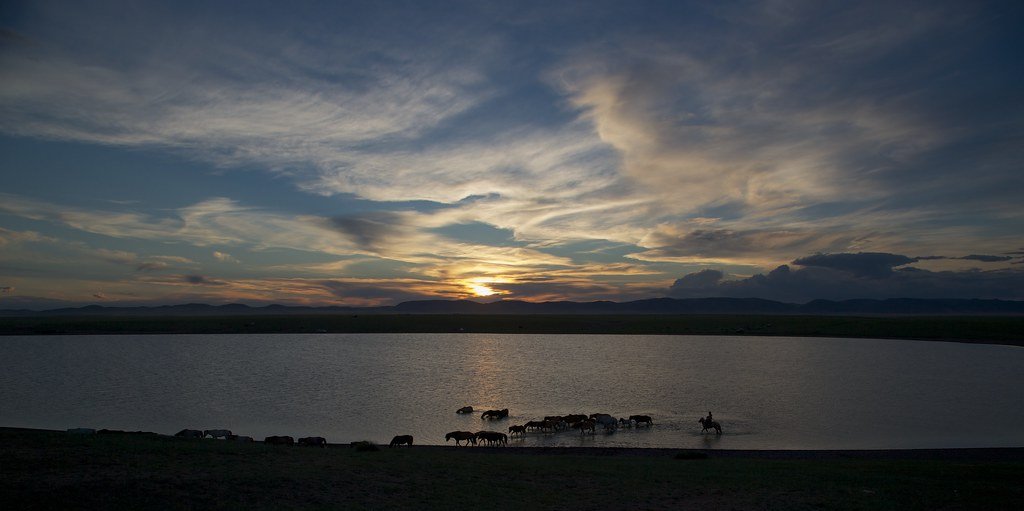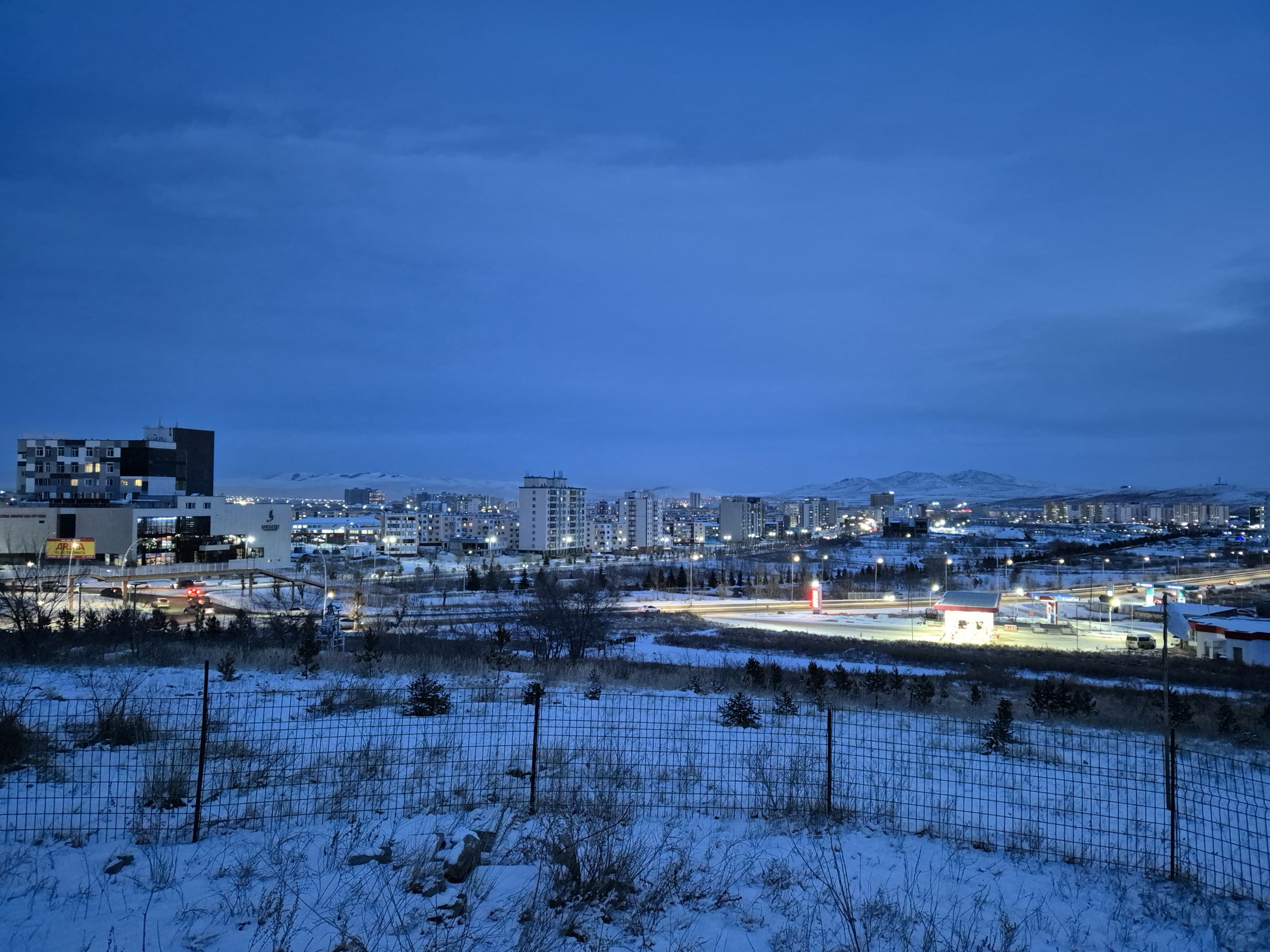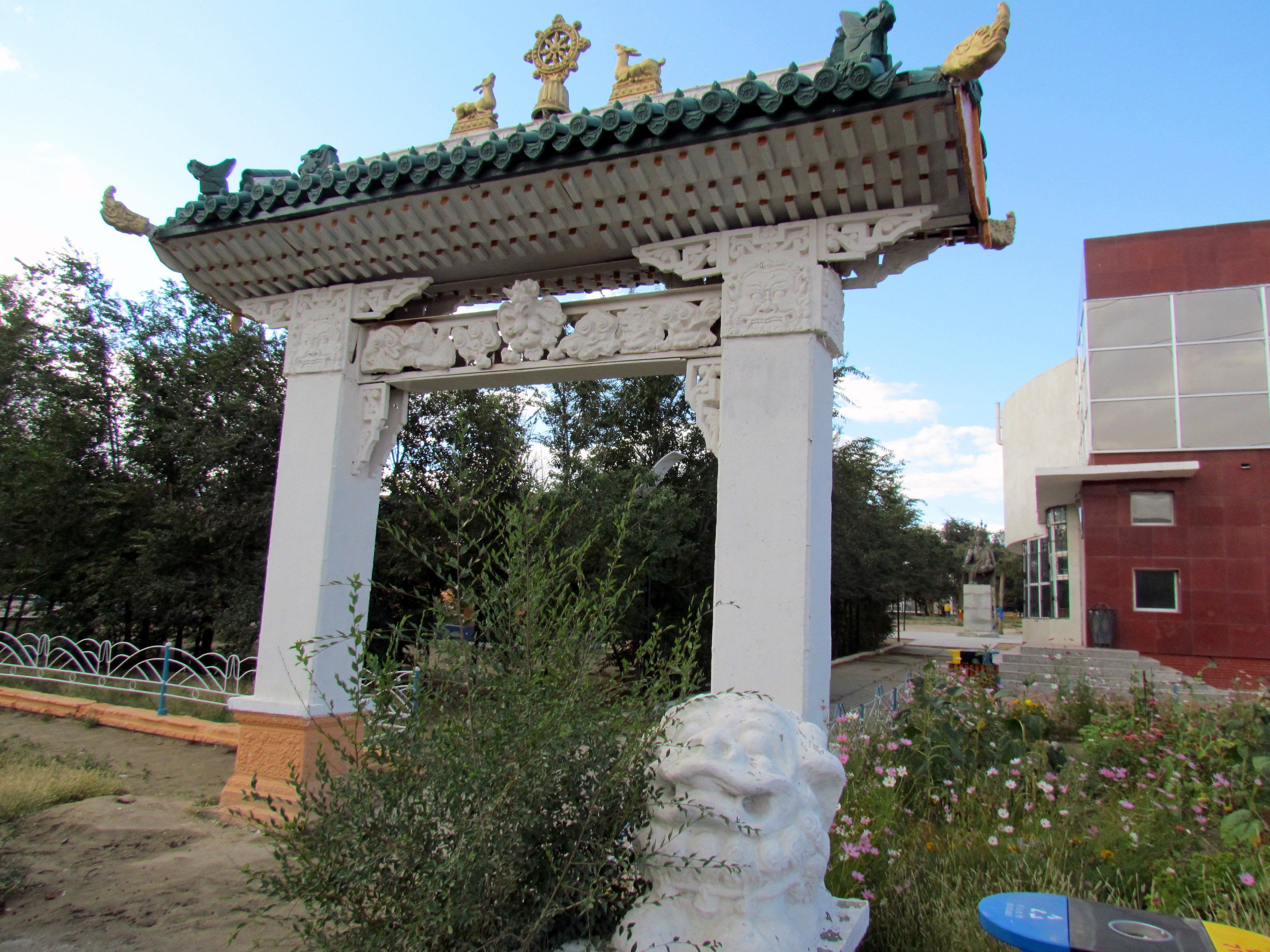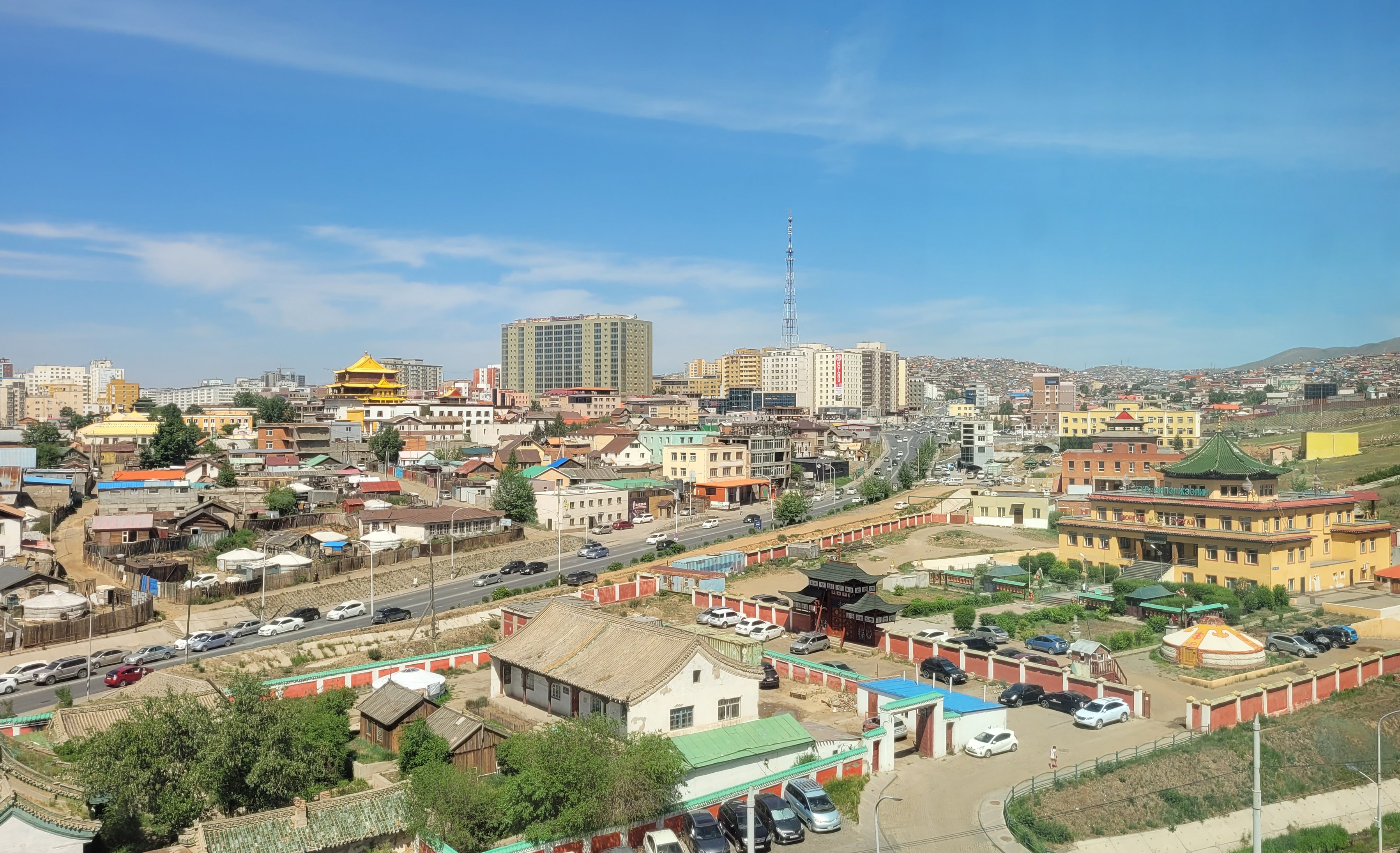
Mongolia is one of the last places on earth where the land still feels genuinely empty. Twice the size of France but with fewer people than Sydney, it is a country of vast grasslands, crumbling desert and bone-white mountains — and a culture shaped entirely by the demands of that landscape.
The Mongols have been nomadic herders for thousands of years. About a third of the population still lives this way, moving their circular felt gers four or five times a year to follow the grass. Outside Ulaanbaatar, you can ride for hours without seeing a road, a fence or a building. This is the Mongolia people come for.
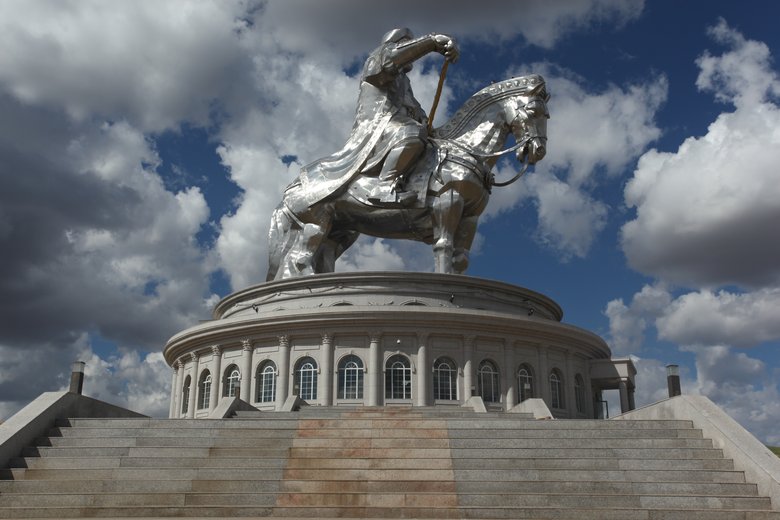
The history is extraordinary. In the 13th century, Genghis Khan unified the scattered Mongol tribes and launched a campaign of conquest that created the largest contiguous land empire in history, stretching from Korea to Hungary. That empire is long gone, but Mongolians carry the memory with fierce pride. Genghis Khan's face is on the currency, the airport, the vodka.
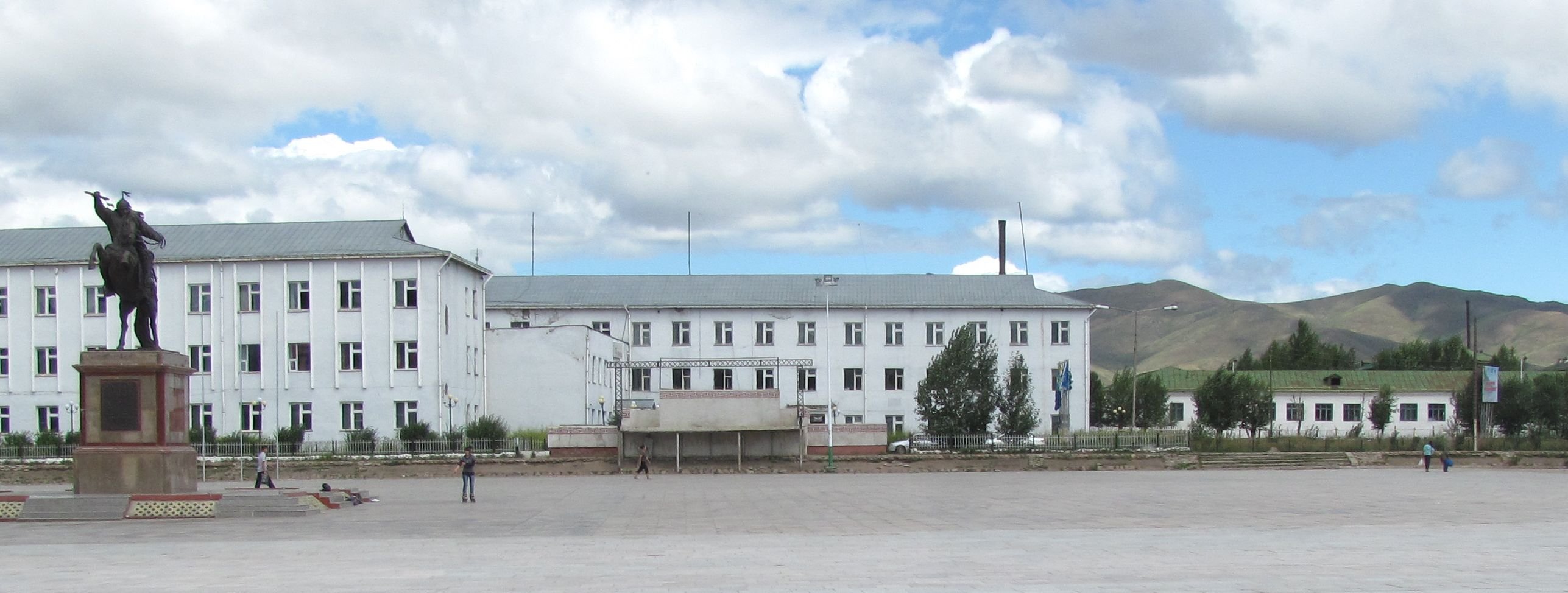
Seven decades of Soviet-style communism (1924–1990) left their mark — Ulaanbaatar has the grey concrete character of a Soviet provincial city, Buddhism was nearly destroyed, and nomadic culture was disrupted. But the transition to democracy went peacefully in 1990, Buddhism has revived strongly, and the country has grown more confident and prosperous on the back of vast mineral wealth (coal, copper, gold).
Mongolia is not an easy destination. Infrastructure outside the capital is minimal. Roads are often tracks in the grass. Petrol stations are scarce. The weather is extreme: summers are warm but short, winters are brutal. Most travelers visit between June and September. If you come prepared, with a good guide and the right expectations, it rewards you enormously.
Destinations
- Ulaanbaatar — the capital, chaotic and worth a day or two
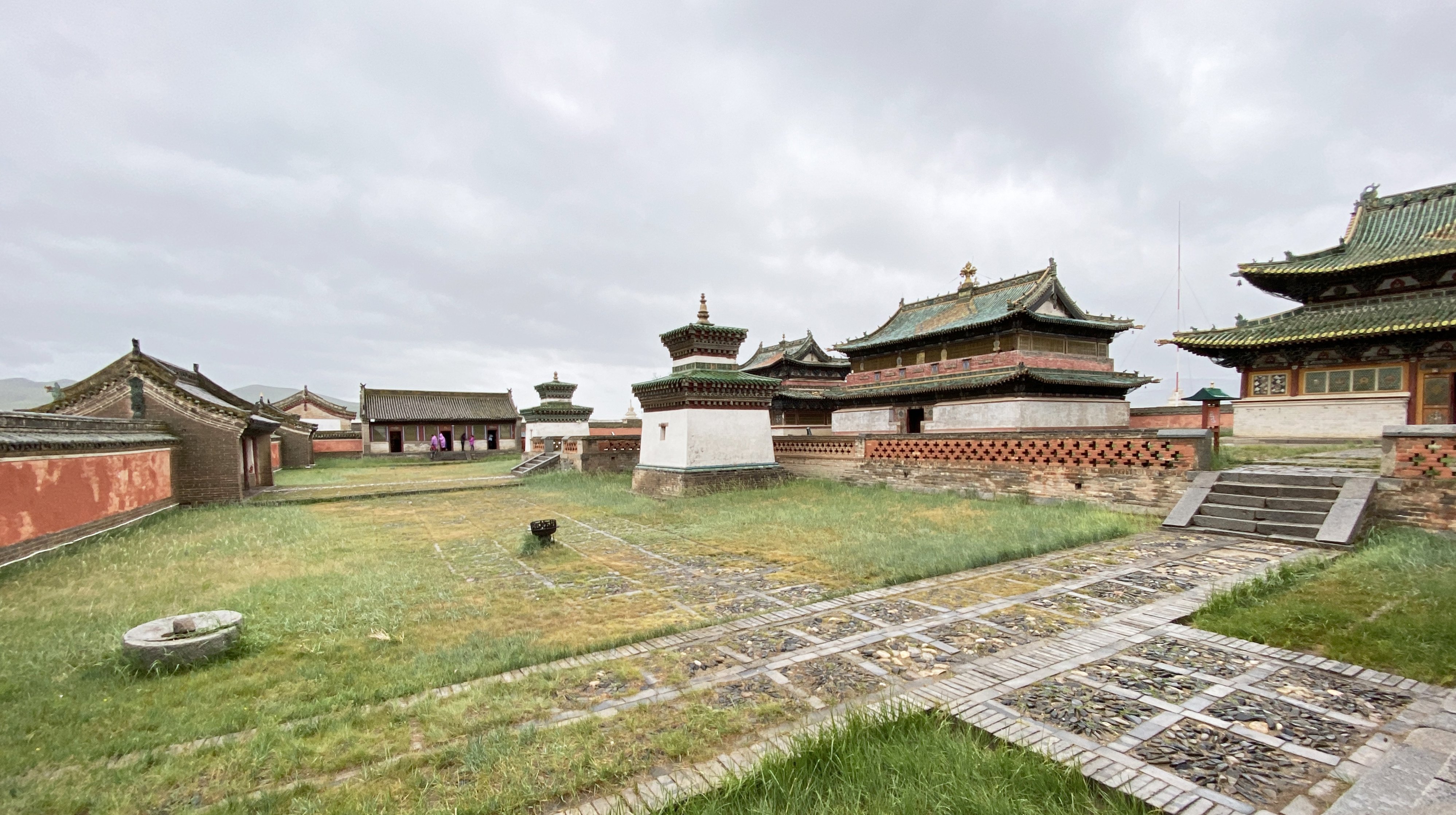
- Karakorum — ancient capital of the Mongol Empire, with the Erdene Zuu monastery
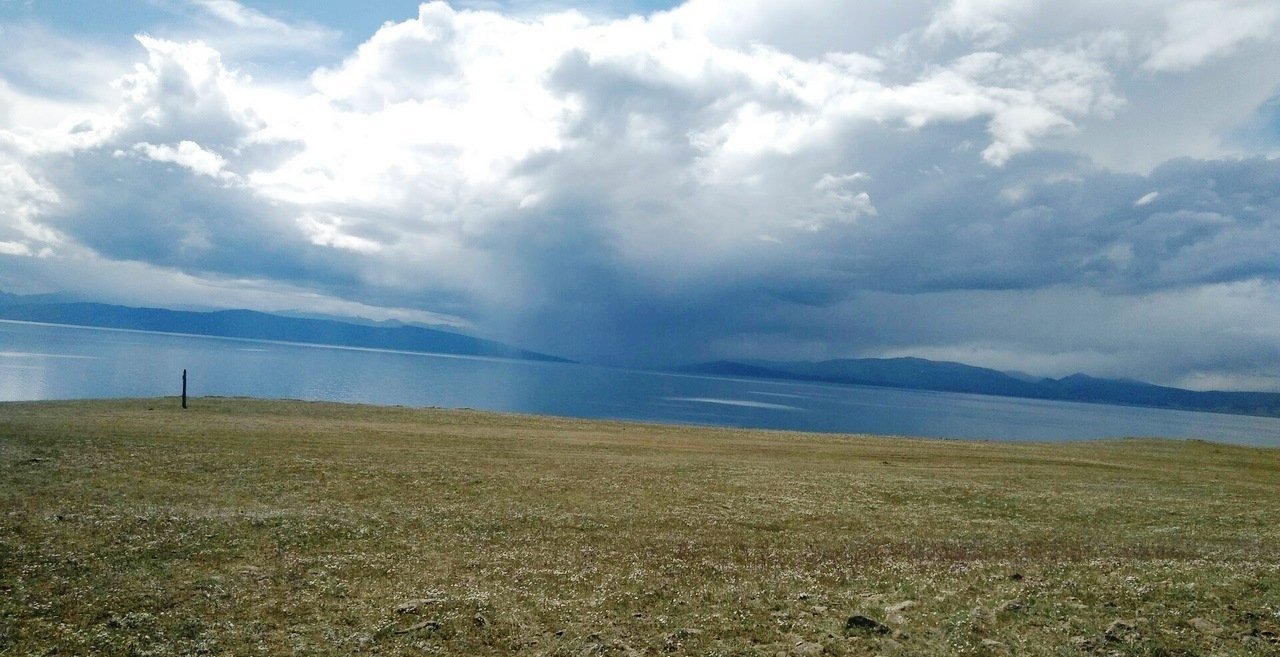
- Lake Khovsgol — vast alpine lake near the Russian border
- Terelj — dramatic granite landscape an hour from the capital
- Gobi Desert — flaming cliffs, sand dunes, dinosaur fossils
- Sainshand — Gobi railway town and base for Hamriin Hiid
- Arkhangai — central highlands, volcanic lakes, good horse trekking
- Khentii — birthplace of Genghis Khan, wild eastern steppe
- Darkhan — Mongolia's second city, industrial but useful
- Moron — gateway to the north and Lake Khovsgol
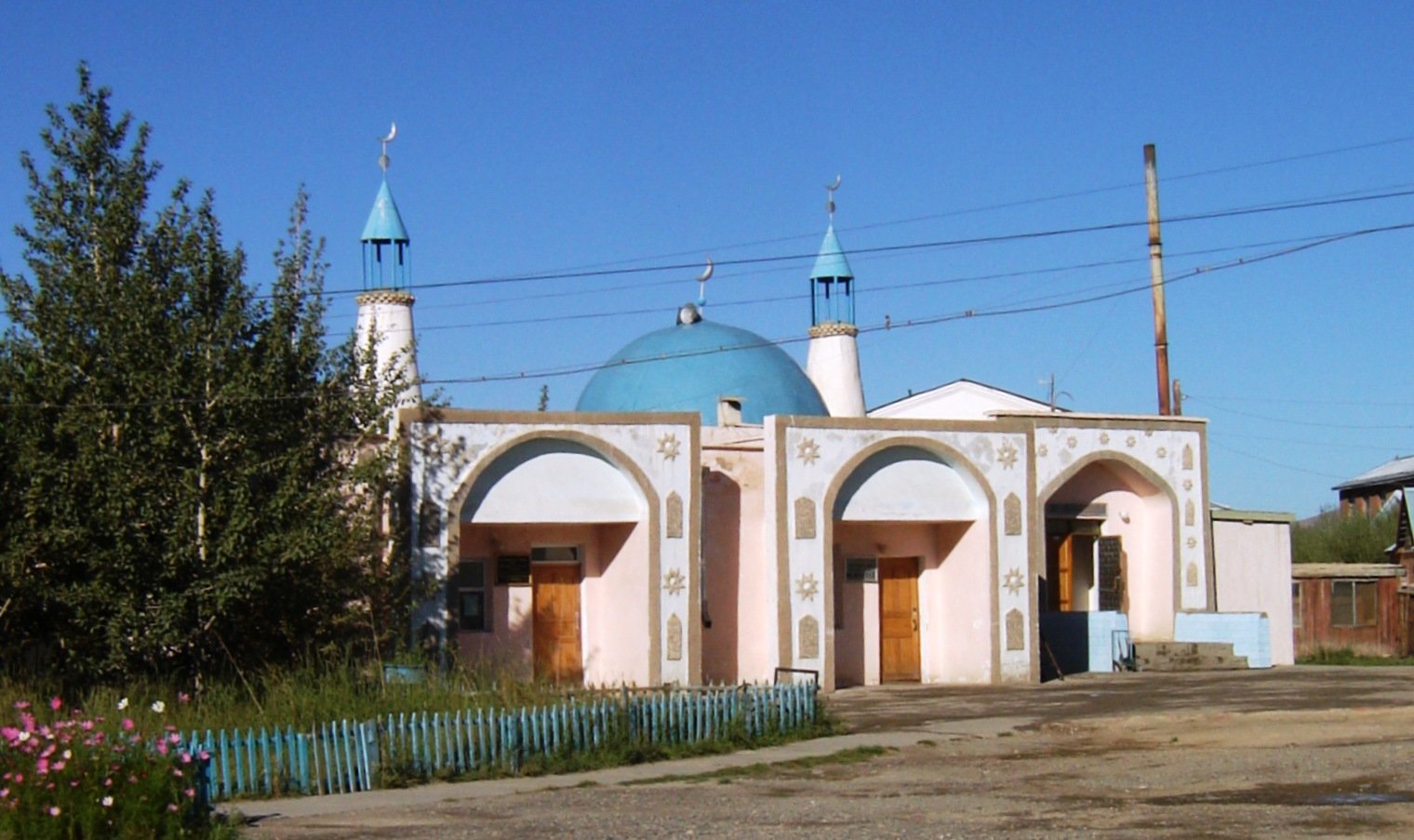
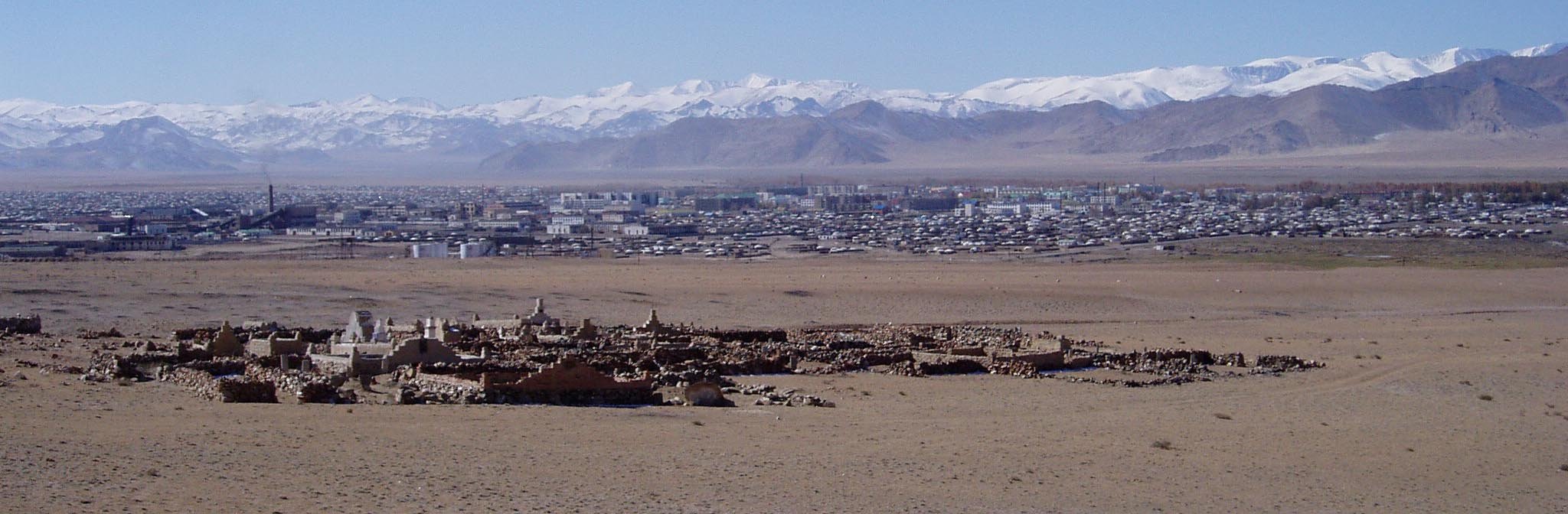
- Khovd — gateway to western Mongolia and the Kazakh eagle hunters