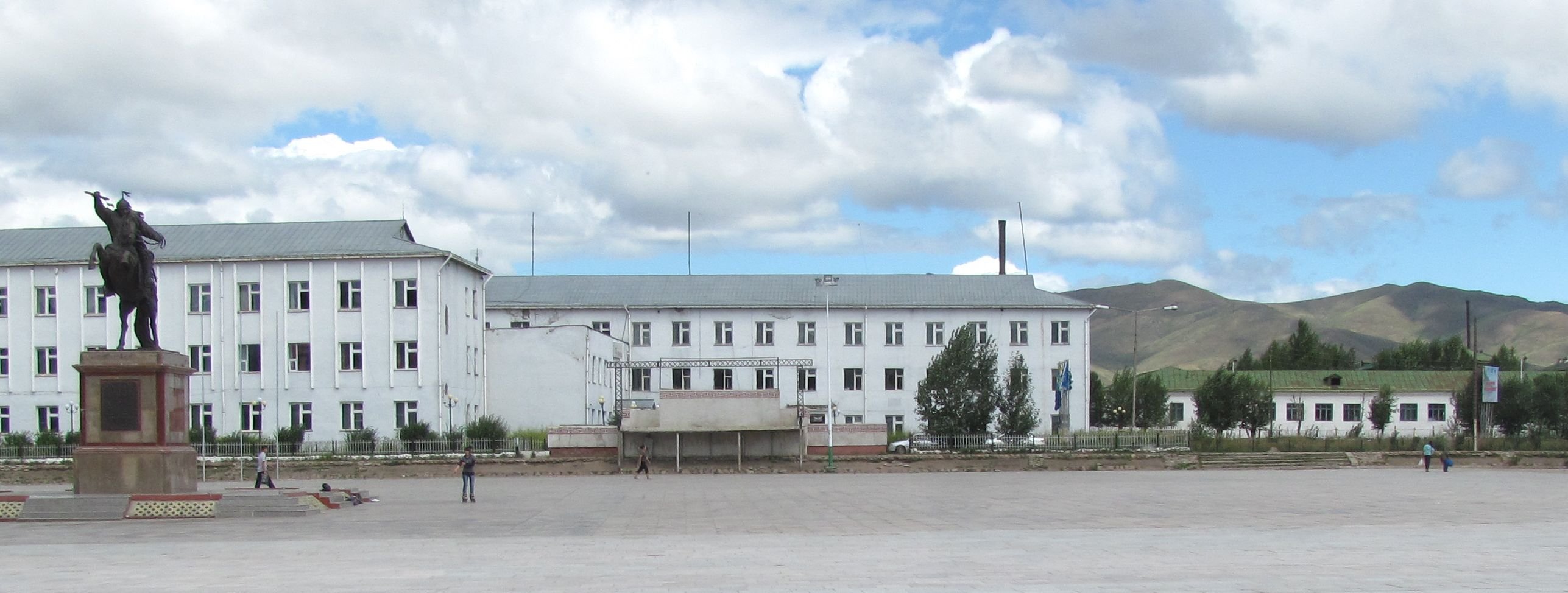
Mörön is the capital of Khövsgöl province in northern Mongolia, a small, dusty town that serves as the gateway to Lake Khövsgöl — one of the most beautiful lakes in Asia. The town itself has little to detain you: a market, a few ger camps on the outskirts, and the usual Mongolian provincial-town mix of Soviet apartment blocks and wooden fences. But it is the last significant settlement before the lake, and a good place to organise transport, guides, and supplies. Spare an afternoon for the Museum of Khövsgöl Province on the central square and the small Danzandarjaa Monastery on the western edge of town — both will frame everything you see in the days that follow.
Lake Khövsgöl, about 100 km north of Mörön, is Mongolia's largest freshwater lake and holds nearly 2% of the world's fresh surface water. It sits in a forested mountain basin near the Russian border, surrounded by larch-covered hills that are home to the Tsaatan, the reindeer herders of the taiga. The lake is pristine, cold, and extraordinary. In winter it freezes solid enough to drive across; in summer the shoreline is perfect for horse trekking and camping. Twenty kilometres west of Mörön on a steppe track stand the Bronze Age Uushgiin Uver deer stones — worth the detour on the way to the lake.
Mörön has a small airport with flights from Ulaanbaatar, or you can take the long overland drive (about 12 hours on unpaved roads).