Alaminos
©
Alaminos

Alaminos

Pangasinan gateway city to Hundred Islands National Park’s limestone islets and bangka trips

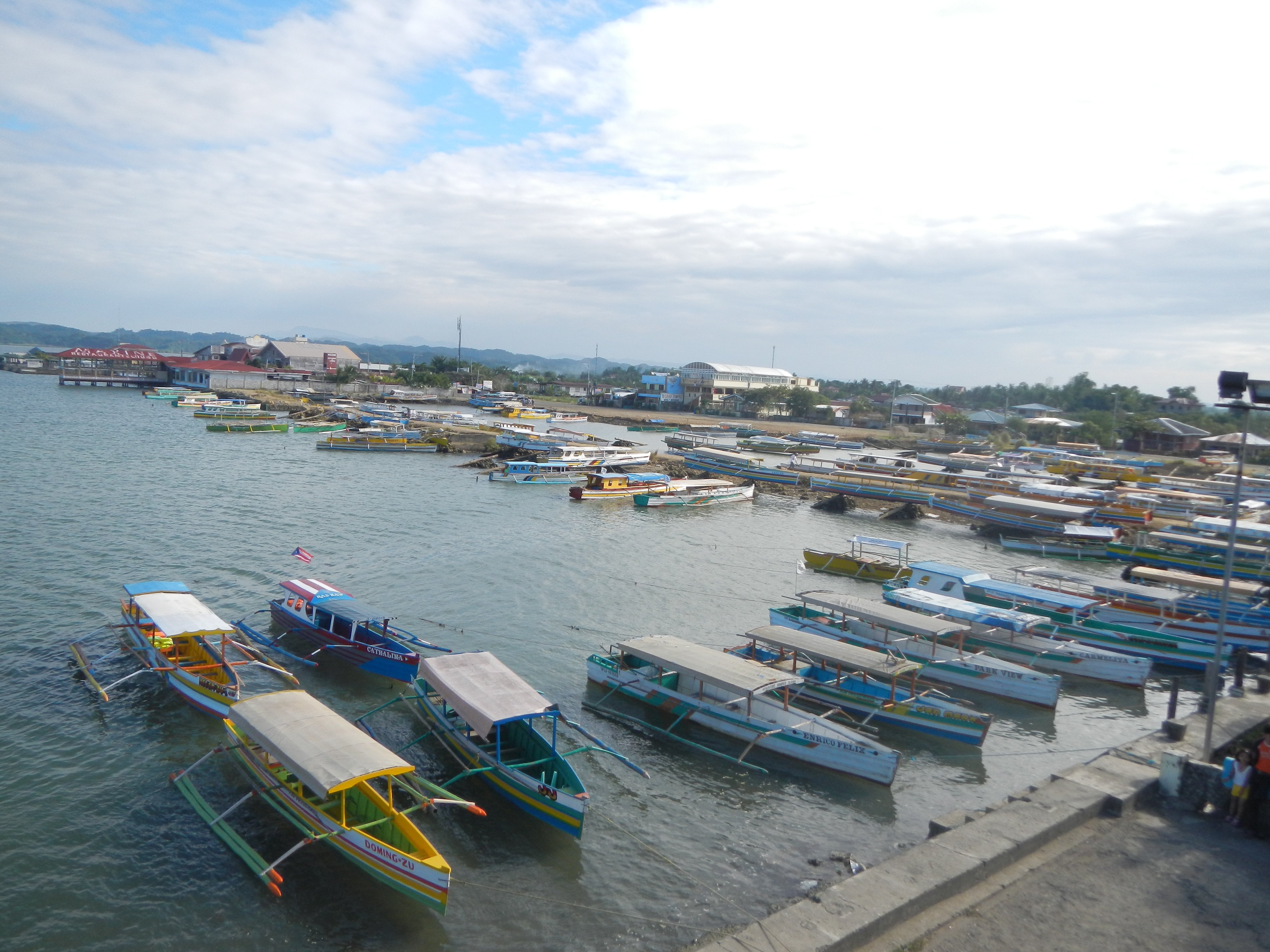
Alaminos City in Pangasinan province is the gateway to the Hundred Islands National Park, a scattering of 123 limestone islands and islets in the Lingayen Gulf. Most visitors come for the island-hopping — you hire a bangka outrigger boat from Lucap Wharf and spend the day snorkelling, kayaking and scrambling up to viewpoints over the surrounding gulf.

The three main islands — Governor Island, Quezon Island and Children's Island — have basic facilities and can get crowded on Philippine school holidays. The real appeal is pushing past them to the quieter islands where you can have a beach entirely to yourself. The park was established in 1940, one of the first national parks in the Philippines, and the mushroom-shaped karst formations are genuinely dramatic.

The city itself is a practical base rather than a destination. The Lucap seafood market near the wharf serves excellent fresh fish at low prices — stop here before or after your island trip. The Alaminos Cathedral at the city centre is worth a brief look if you have time. Otherwise, Alaminos exists to get you to the water.

Guide

Eating Out

Alaminos is not a destination for food, but the seafood near Lucap Wharf is genuinely good — pulled from the gulf that morning and cooked simply. Stick to the restaurants near the wharf for the freshest fish; the city centre options are mostly fast food chains and local canteens.

Guide

Getting Around

Alaminos city itself is small enough to walk, but most visitors will need to reach Lucap Wharf, which is about 3 kilometres from the city centre. Tricycles — the ubiquitous Philippine motorbike-and-sidecar combination — run this route constantly and charge a few pesos per person for a shared ride, or a slightly higher fixed rate for a private hire. Agree the price before you get in.

Inside the Hundred Islands National Park, everything moves by bangka outrigger boat. You hire a boat at Lucap Wharf for the day; the boatman waits while you explore each island and moves you on at your request. Rates are set by the park authority and listed at the wharf office — there is a basic package covering three islands and additional fees per extra island visited. Kayak hire is available at the wharf for those who want more independence, though paddling between islands in open water requires some confidence.

There is no public transport to speak of within the city beyond tricycles and jeepneys; both are cheap and plentiful for short trips.

Guide

Getting There

Alaminos has no airport. The practical approach from Manila is by bus.

From Manila: Several bus companies — including Five Star Bus, Victory Liner and Dagupan Bus — run direct air-conditioned coaches from Manila's Cubao or Pasay terminals to Alaminos. The journey takes five to six hours and covers around 250 kilometres north along the NLEX toll road and through Pangasinan. Buses depart frequently through the morning and into the early evening. There is no need to book in advance except during peak holidays.

From Dagupan: Dagupan is the main transport hub of Pangasinan, about 75 kilometres east of Alaminos. From Dagupan there are frequent minibuses and jeepneys to Alaminos, taking roughly two hours. If you are arriving by train — the PNR runs a service to Dagupan — this is your connection.

From Baguio: Jeepneys and vans run between Baguio and Alaminos in around three hours, passing through the hills of Benguet before descending into the Pangasinan lowlands. This makes a logical first stop if you are travelling south from the Cordillera.

From Alaminos city centre to Lucap Wharf, take a tricycle — the fare is minimal and the ride takes under ten minutes.

Guide

When to Go

Alaminos and the Hundred Islands are best visited during the dry season, which runs from November through April. The sea is calm, visibility is good for snorkelling, and the risk of typhoons is low. March and April are the busiest months — Philippine school holidays bring large domestic crowds to the park, and Lucap Wharf can be overwhelmed on weekends.

The wet season (May to October) brings afternoon rain squalls and occasionally rough seas in the gulf. Boat trips are sometimes cancelled when swells are high, and visibility underwater drops after heavy rain. That said, the islands are genuinely beautiful in the low season, crowds are thin, and rates at the few guesthouses near the wharf drop considerably. If you come outside school holidays in the wet season, you may have entire islands to yourself.

Alaminos holds its city fiesta in March in honour of its patron saint, Saint Joseph. The celebrations are modest by Luzon standards — a procession, a fair near the cathedral, and a lot of noise in the evenings — but they add some colour if you happen to be there.