Andaman coast province of limestone karsts, beach resorts, mangrove estuaries, and island gateways.
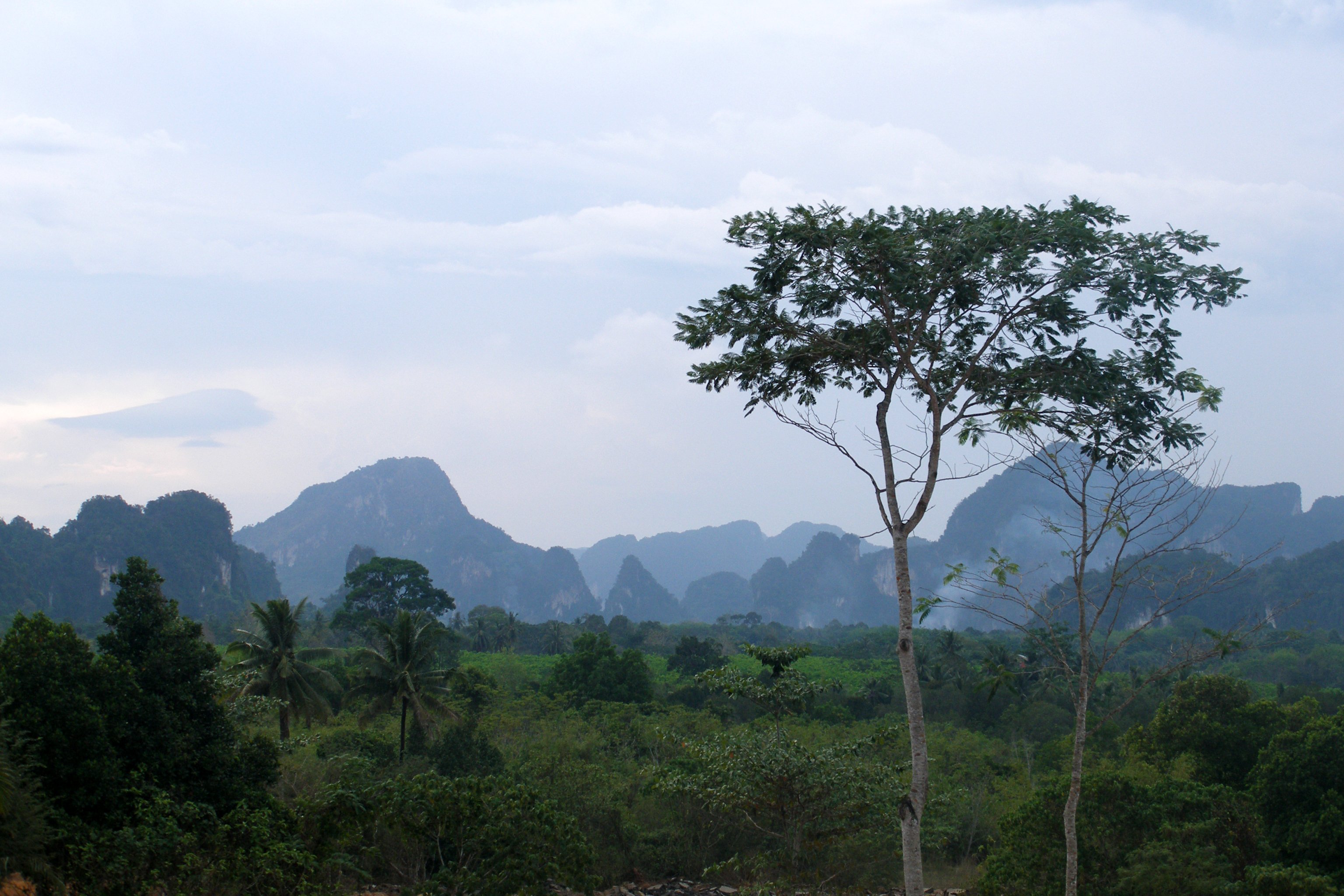
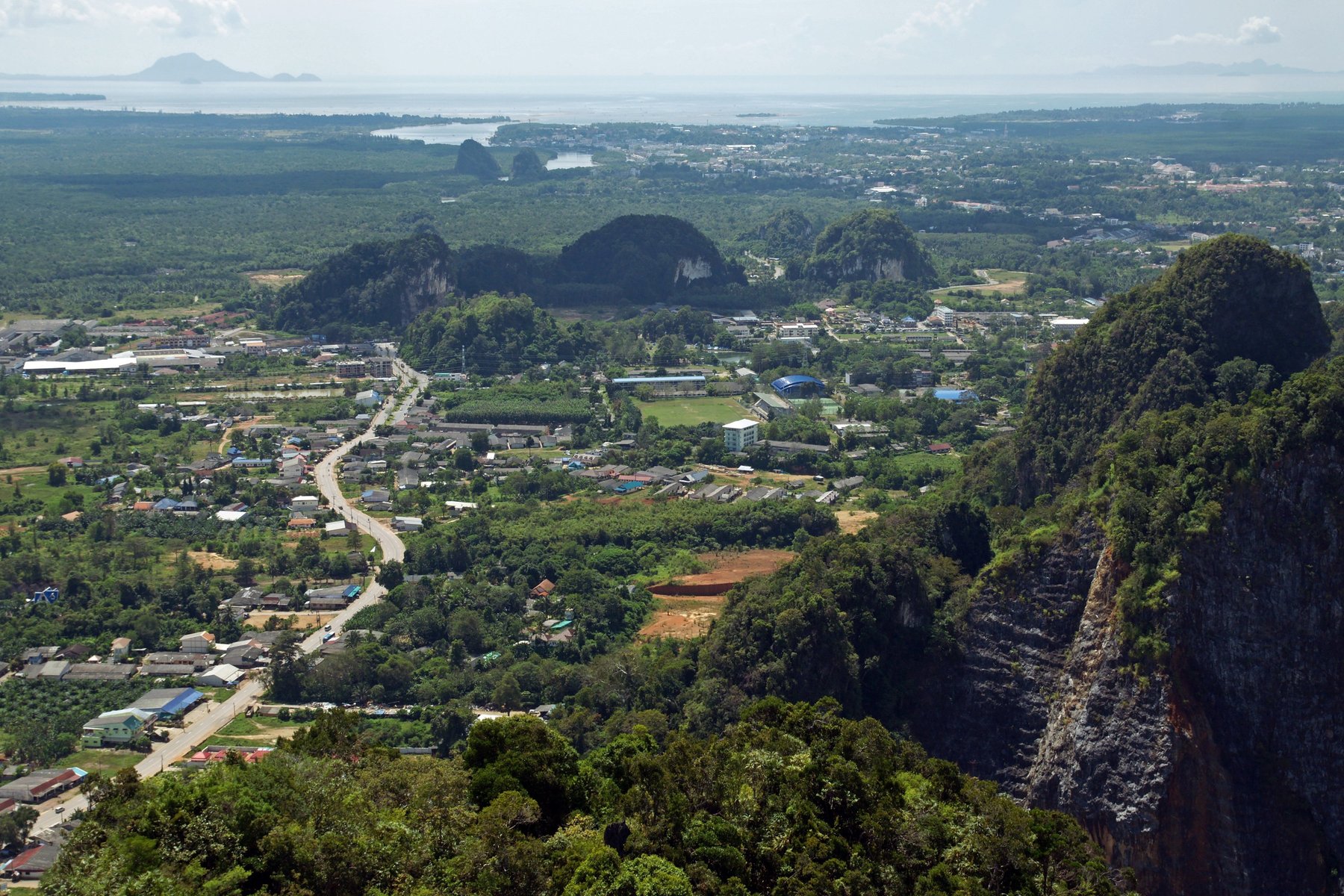
Krabi is a province on the Andaman coast of southern Thailand, roughly opposite Phuket across the bay, where limestone karsts rise straight out of the sea and a scattering of beaches, islands and mangrove estuaries make up some of the most photographed landscapes in South-east Asia. The name refers to a whole province — the small provincial capital, Krabi Town, is unremarkable — but in traveller's shorthand "Krabi" almost always means the beach resorts and islands strung along the coast nearby.
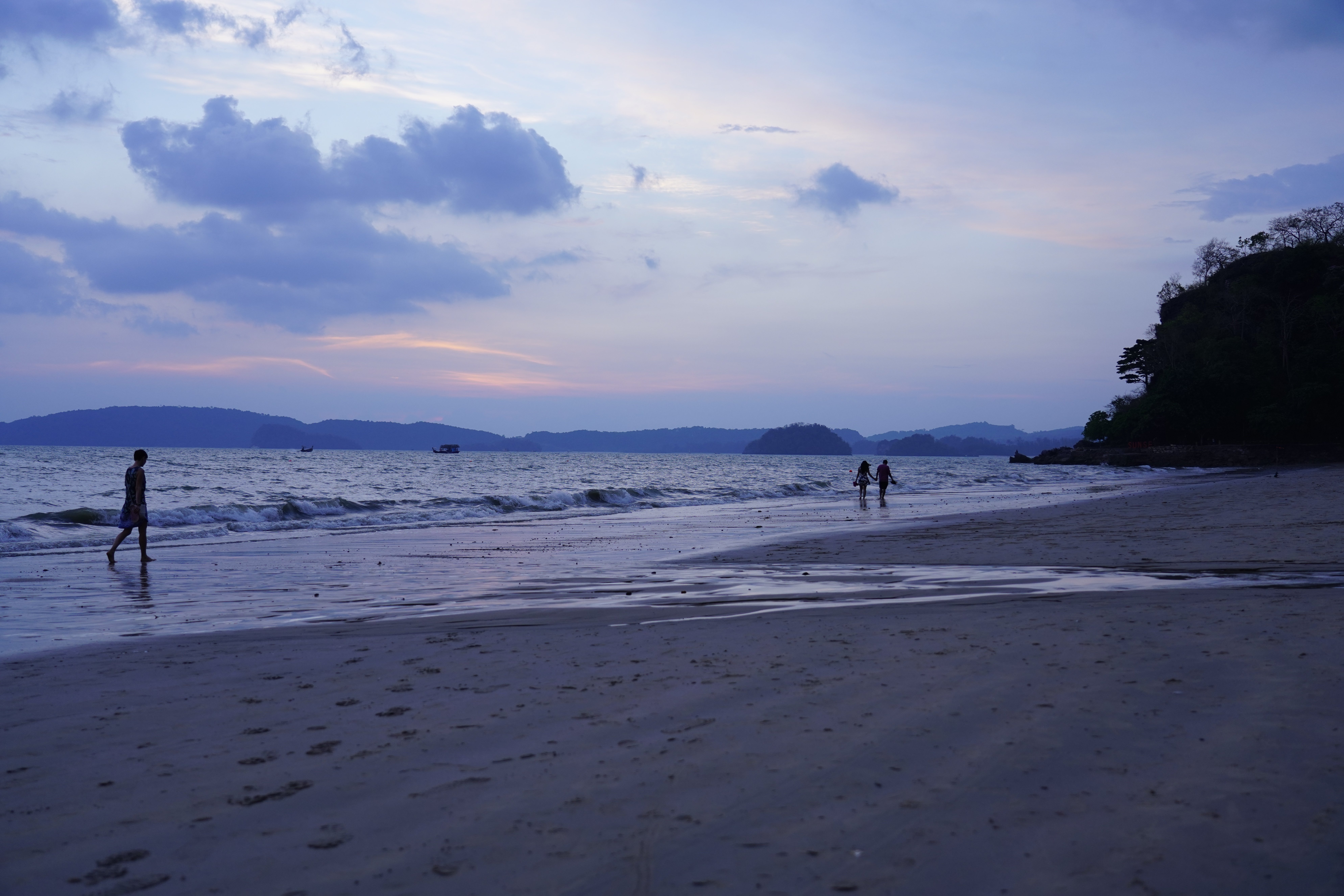
The centre of that tourist coastline is Ao Nang, a long palm-fringed beach that is now the most developed base in the area, backed by a strip of hotels, dive shops and travel agents. A short long-tail ride south brings you to the Railay peninsula, cut off from the mainland by a wall of limestone cliffs and reachable only by boat — the setting is dramatic, the beaches some of the best in Thailand, and the cliffs are a world-famous sport-climbing destination. Offshore lie the Phi Phi Islands (shared with Phuket), busy day-trip favourites, and the quieter, larger island of Koh Lanta, further south. Inland the forested hills contain cave temples, hot springs, and the famous Emerald Pool at Khao Phra Bang Khram.
Come for the beaches, the rock climbing, and the sea kayaking through the mangrove-lined inlets around Ao Thalane and Ao Luk. Avoid if you are looking for a quiet, untouristed corner of Thailand — those days are long gone in Krabi — but accept the crowds and it still delivers one of the most beautiful coastal landscapes anywhere.
Guide
Beaches
Krabi's beaches are the reason most people visit — a long Andaman coastline of white sand backed by limestone karsts and fringed by islands. The most developed base is Ao Nang, long and palm-fringed, lined with hotels, dive shops, and seafood restaurants; from there, long-tail boats serve the spectacular Railay peninsula, a cluster of beaches cut off from the mainland by cliffs and only reachable by boat. Hat Noppharat Thara, next door to Ao Nang within the national park, is a quieter stretch of casuarinas and tide pools. Further south, Had Yao (Long Beach) in Khlong Thom district is a rural escape that most of the bus tours miss. And offshore, the usual cast of islands — Phi Phi, Koh Lanta, Koh Jum, Koh Hong — each offers its own take on the Andaman formula of sand, karst and clear water.
Guide
Getting There
By air is the easiest option from Bangkok: both Thai Airways and a handful of budget carriers (AirAsia, Nok, Thai Lion) fly direct to Krabi International Airport, about 15 km from Krabi Town and 30 minutes from Ao Nang, in around 1 hour 20 minutes. Many European charter flights also land here in high season. By road, VIP buses from Bangkok's Southern Bus Terminal take 11–12 hours, and there are regular connections from Phuket (3 hours), Phang Nga, Surat Thani, Trang and Hat Yai. By sea, ferries run from Phi Phi, Phuket, Koh Lanta, and Koh Phi Phi to the harbour at Krabi Town and (in season) straight to Ao Nang.