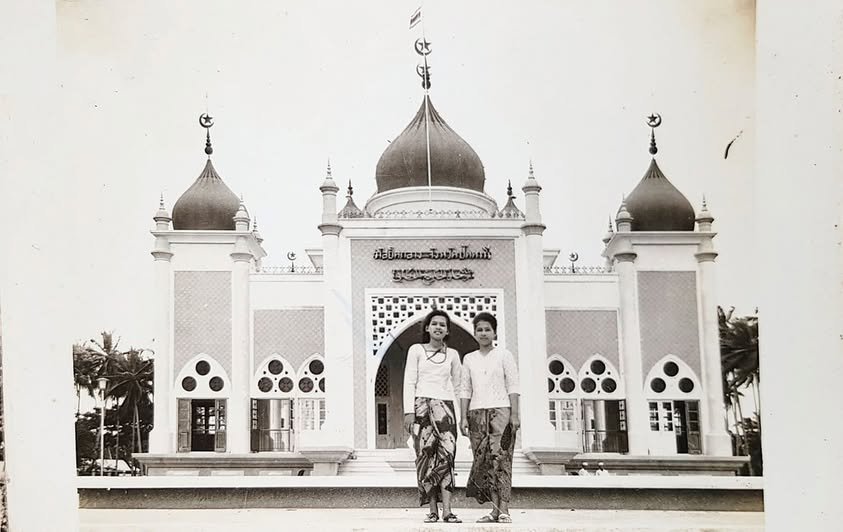
Pattani is one of Thailand's most culturally distinct provincial capitals: Malay-Muslim in daily rhythm, Thai by state, Chinese in parts of its old commercial core, and tied to the older Patani kingdom that once mattered across the peninsula. It is not an easy destination. The far south has a long-running insurgency, and travellers should read current government advice and local news before going.
If you do go, Pattani has a texture unlike the resort south. The Pattani Central Mosque is one of the great Islamic landmarks of southern Thailand, the Chao Mae Lim Ko Niao Shrine anchors the Chinese community, and the Pattani River still carries fishing boats through the city.
The mood is watchful but not empty. Markets, roti stalls, khao yam, mosque calls, Chinese festival processions and checkpoints all sit in the same urban frame. Pattani is for travellers who understand that a place can be fascinating and complicated at the same time.