Chantaburi is a prosperous provincial capital on Thailand's eastern seaboard, about 245 km southeast of Bangkok. The city sits on the Chanthaburi River, ten kilometres inland from the Gulf of Thailand, and has long been famous for two things: rubies and sapphires. The mines surrounding the town produced most of the world's high-end coloured stones from the 1960s to the 1990s. The mines are now exhausted but the gem market still trades every weekend, drawing buyers from Geneva, Bangkok, and the diamond districts of Mumbai.
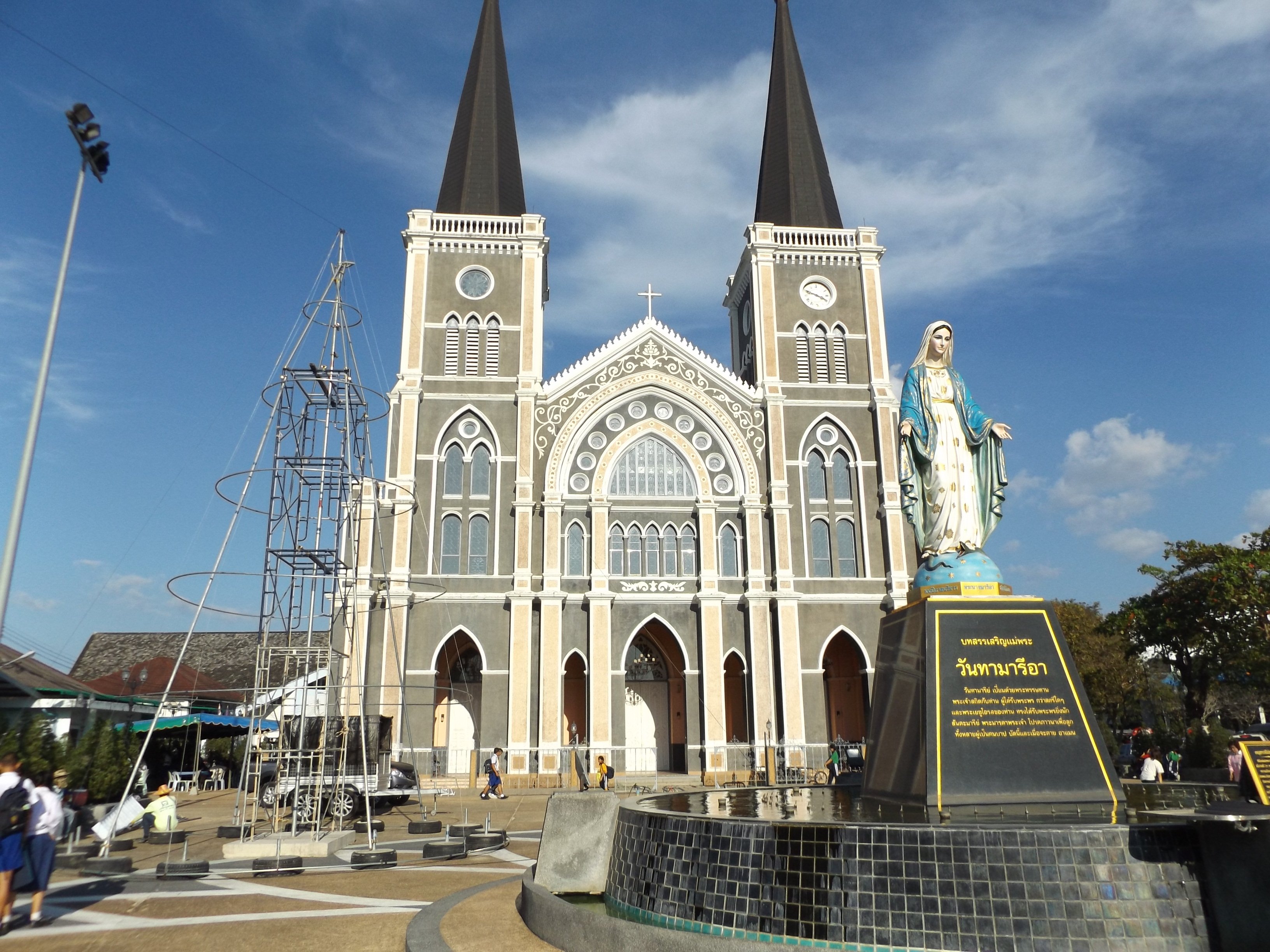
Beyond the gem trade, Chantaburi has a character shaped by centuries of migration. The old waterfront community is lined with hundreds of Sino-Vietnamese shophouses, restored carefully over the last fifteen years, and the Cathedral of the Immaculate Conception — the largest Catholic church in Thailand — has stood across the river since 1909, built by Vietnamese refugees from religious persecution.
The province also occupies a particular place in Thai national memory. King Taksin the Great rallied his army here after the fall of Ayutthaya in 1767 and went on to reconquer Siam from the Burmese; the city's two main monuments to him, King Taksin Park and the King Taksin Shrine, are major destinations for domestic tourists.
Outside town, the province is lush and fertile. Durian, rambutan, and mangosteen orchards stretch across the lowland; the spectacular Khao Khitchakut mountain to the north is the focus of a major annual pilgrimage; and the waterfalls of Namtok Phlio are an easy half-day from the centre.