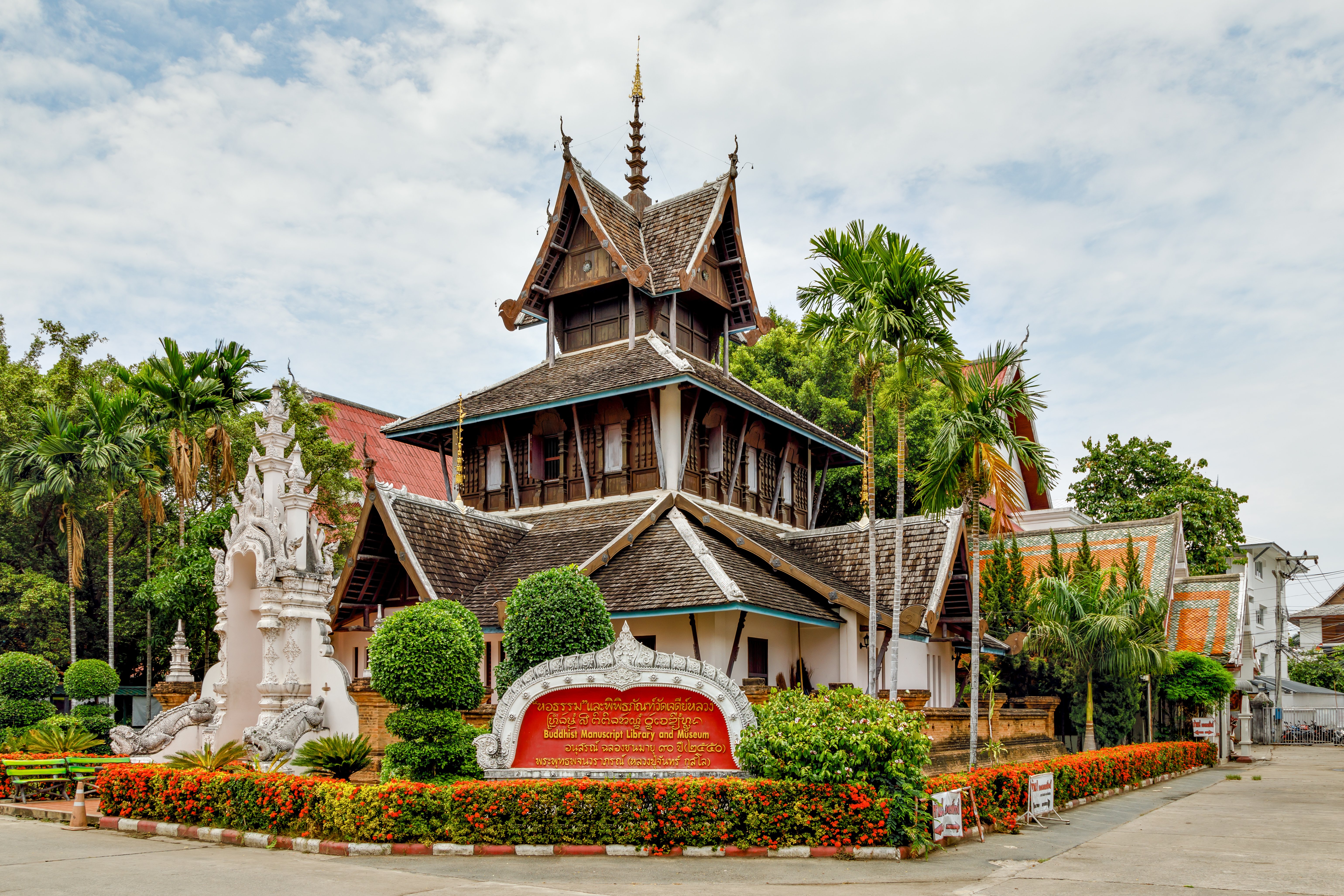
Chiang Mai is the cultural capital of northern Thailand and one of the most rewarding cities in Southeast Asia to spend time in. Founded in 1296 by King Mangrai as the capital of the Lanna Kingdom, it has a distinct identity that sets it apart from Bangkok — a slower pace, cooler climate, a richer concentration of temples, and a cuisine entirely its own.
The old city is defined by a square moat, and within it are more than 30 temples built during the Lanna era. The most important — Wat Phra Singh, Wat Chedi Luang, and Wat Chiang Man — are within easy walking distance of each other. Above the city, Doi Suthep Temple crowns a forested mountain with panoramic views. To the north, the Elephant Nature Park is one of the few places in Thailand where you can spend time with elephants on genuinely ethical terms.
The city's handicraft tradition is alive and concentrated. The silversmith quarter on Wualai Road, the Bor Sang umbrella village, and the Baan Tawai woodcarving village all produce work of real quality. The Night Bazaar and the Sunday Walking Street are the best places to buy it.
Northern Thai food — khao soi, sai ua, nam prik — is reason enough to come. In November, the Yi Peng lantern festival fills the sky above the city with thousands of glowing paper lanterns. Thousands of Western expatriates have made Chiang Mai their home, and it shows in the quality of the cafes, restaurants, and cultural programming that has grown up alongside the traditional city.