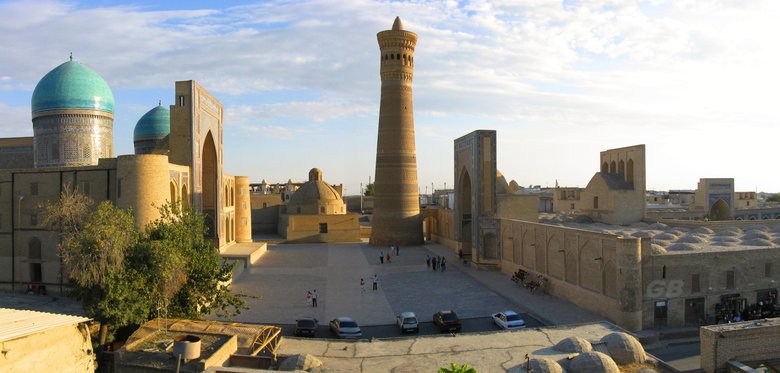
Uzbekistan is the beating heart of the ancient Silk Road. Three of its cities — Samarkand, Bukhara, and Khiva — contain some of the most magnificent Islamic architecture anywhere on earth, and together they justify any journey to Central Asia. This is a country where history is written in tilework and mud brick, in mosques and mausoleums that have outlasted empires.
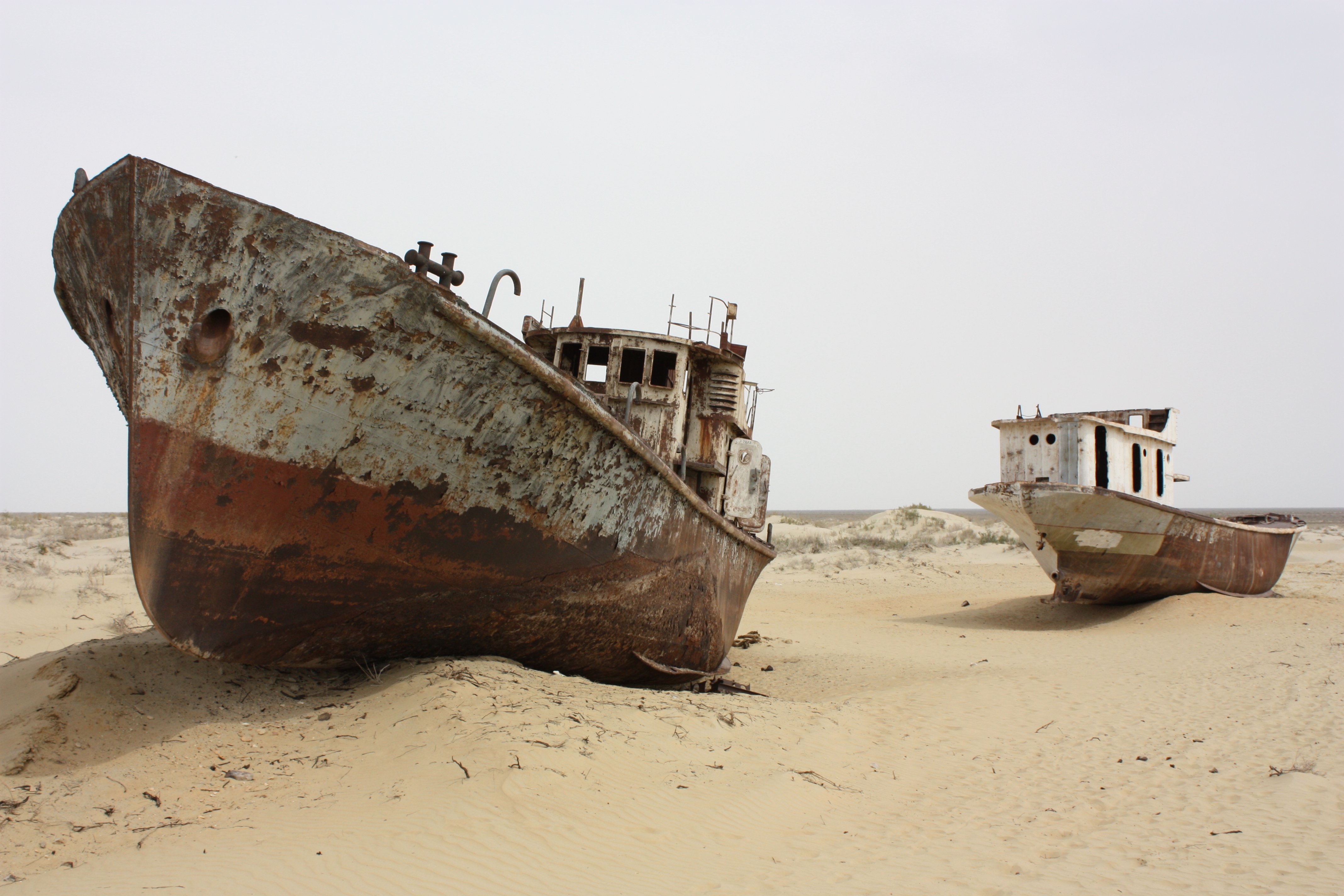
Beyond the famous trio, Uzbekistan has a lot more going on. Tashkent is a modern, surprisingly pleasant capital with a good food scene and excellent metro stations that are Soviet-era showpieces in themselves. The Fergana Valley is a fertile, densely populated region with traditions of silk weaving, pottery, and knife-making. Out west, the Karakalpak Republic holds both the world-class Savitsky Museum of avant-garde art in Nukus and the haunting ghost ships of Moynaq, grounded on what used to be the Aral Sea.
Uzbekistan has opened up considerably since the authoritarian era of Islam Karimov ended in 2016. Visa procedures are far simpler, the tourism infrastructure has improved, and locals are genuinely warm toward visitors. The country is not without its rough edges — the bureaucracy can be heavy, and some areas remain cautious with foreigners — but the overall experience is remarkably accessible for a country most people couldn't have found on a map a decade ago.
Cities and regions
- Tashkent — the capital, a modern city with a leafy Soviet core and an excellent bazaar
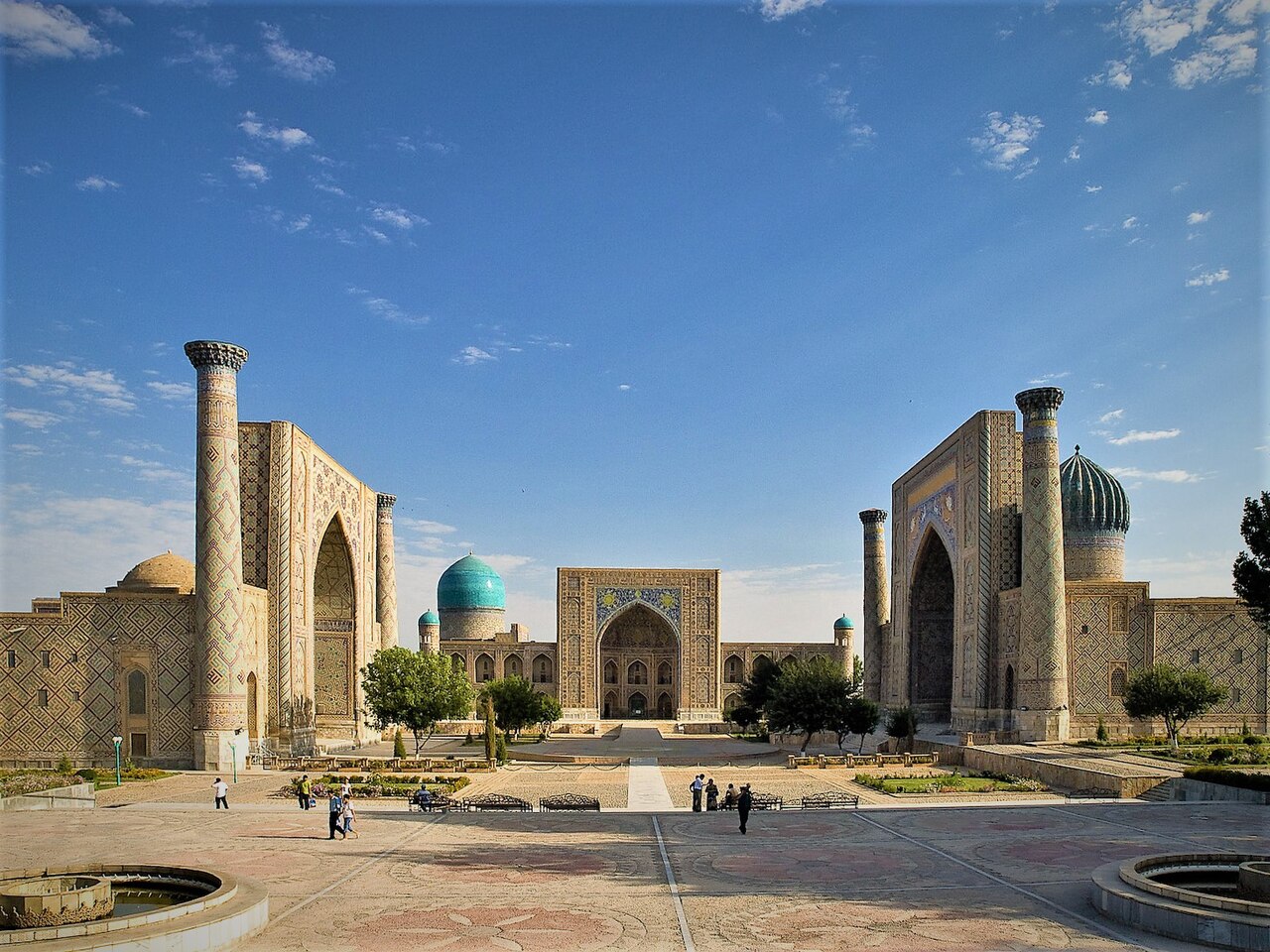
- Samarkand — the Registan, Gur-e-Amir, and the most dramatic skyline in Central Asia
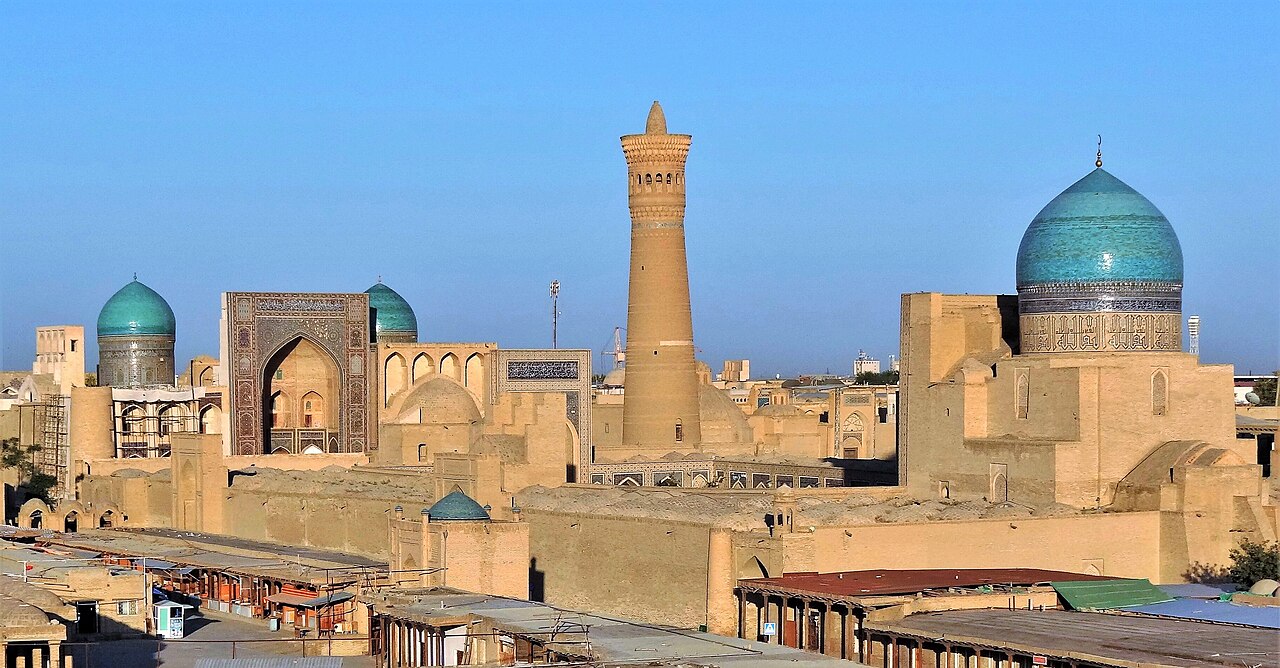
- Bukhara — UNESCO-listed old city, the most complete medieval Islamic city in Central Asia
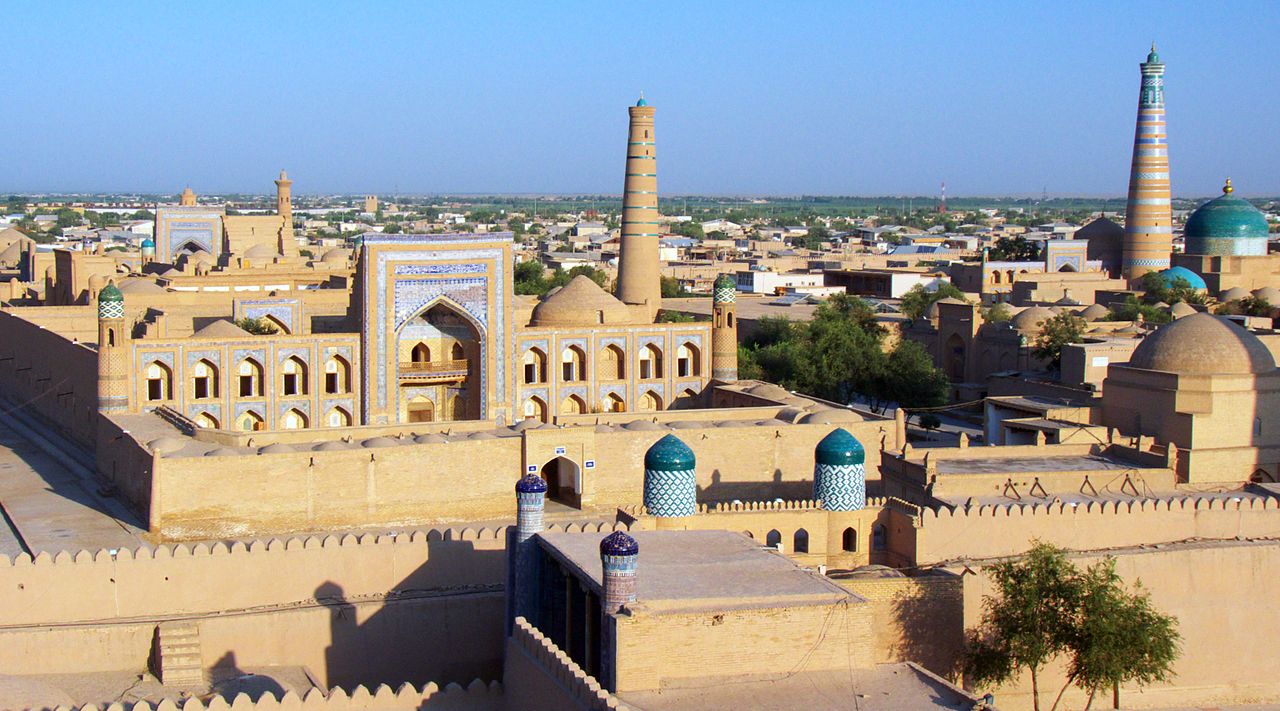
- Khiva — a walled city frozen in time, the most theatrical stop on the Silk Road circuit
- Fergana Valley — silk, ceramics, and adventure tourism in the fertile east
- Nukus — gateway to the Karakalpak Republic and the remarkable Savitsky Museum
- Moynaq — rusted ships on a dry seabed, the wreck of the Aral Sea
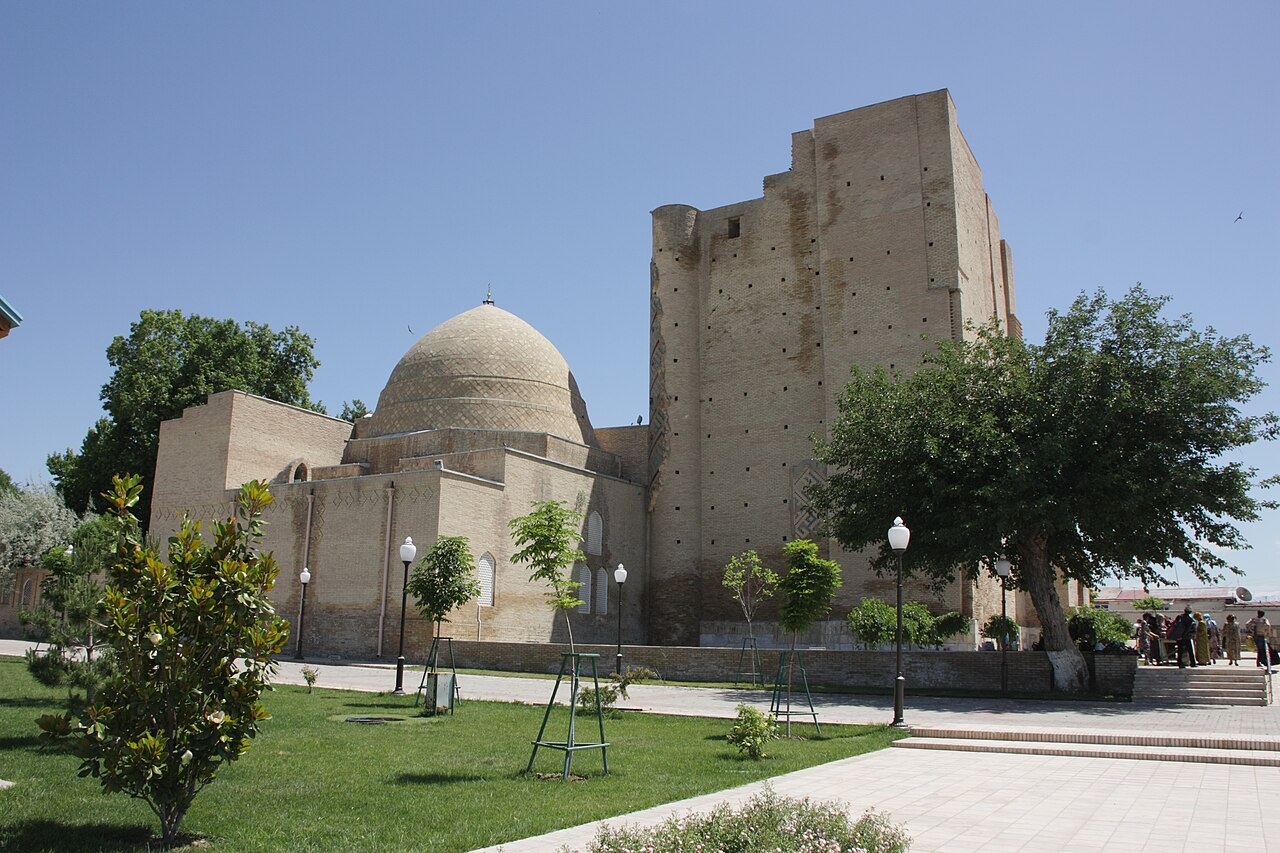
- Shakhrisabz — Timur's birthplace, with the ruins of his vast palace
- The Qalas — ancient mud-brick fortresses scattered through the Kyzyl Kum desert