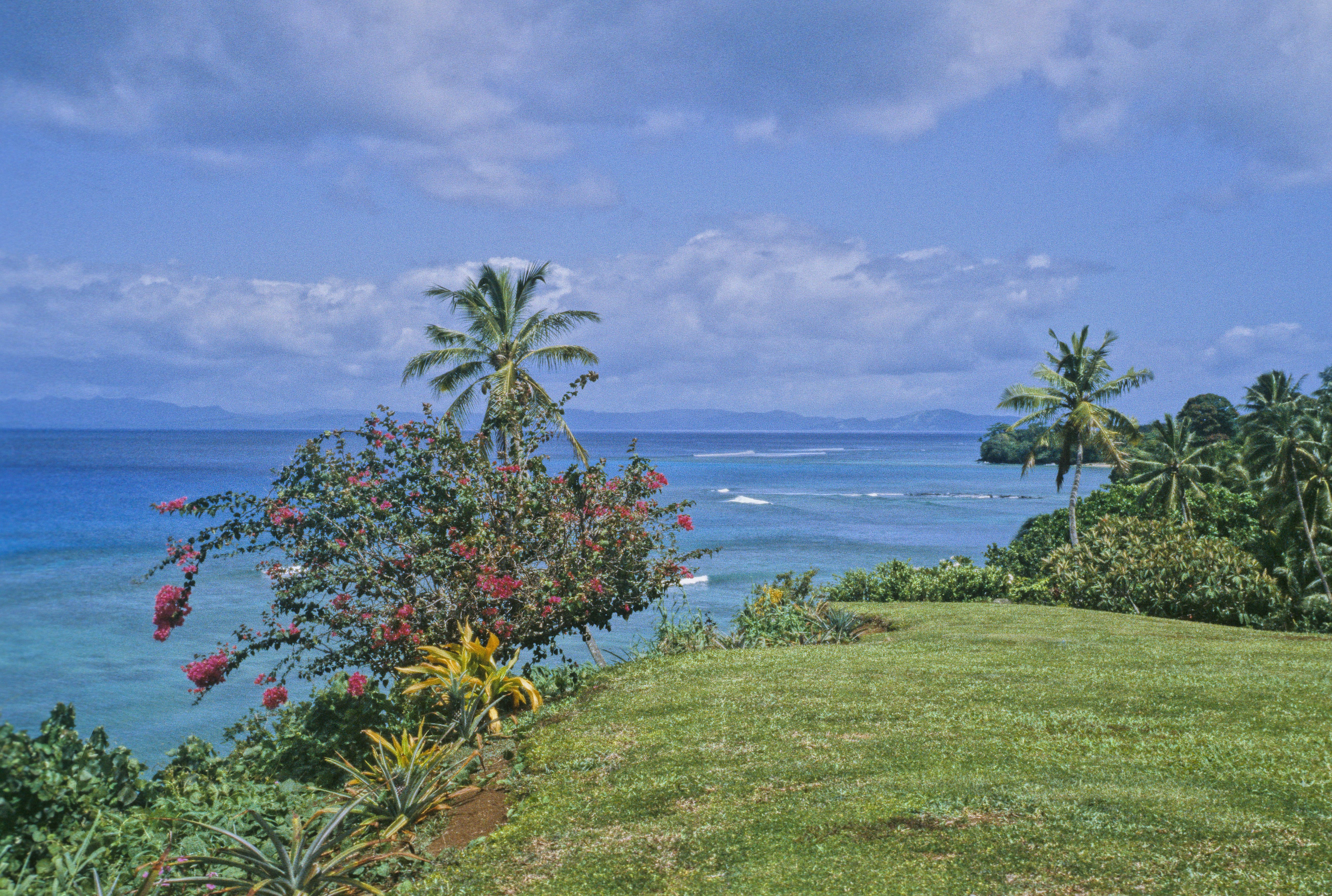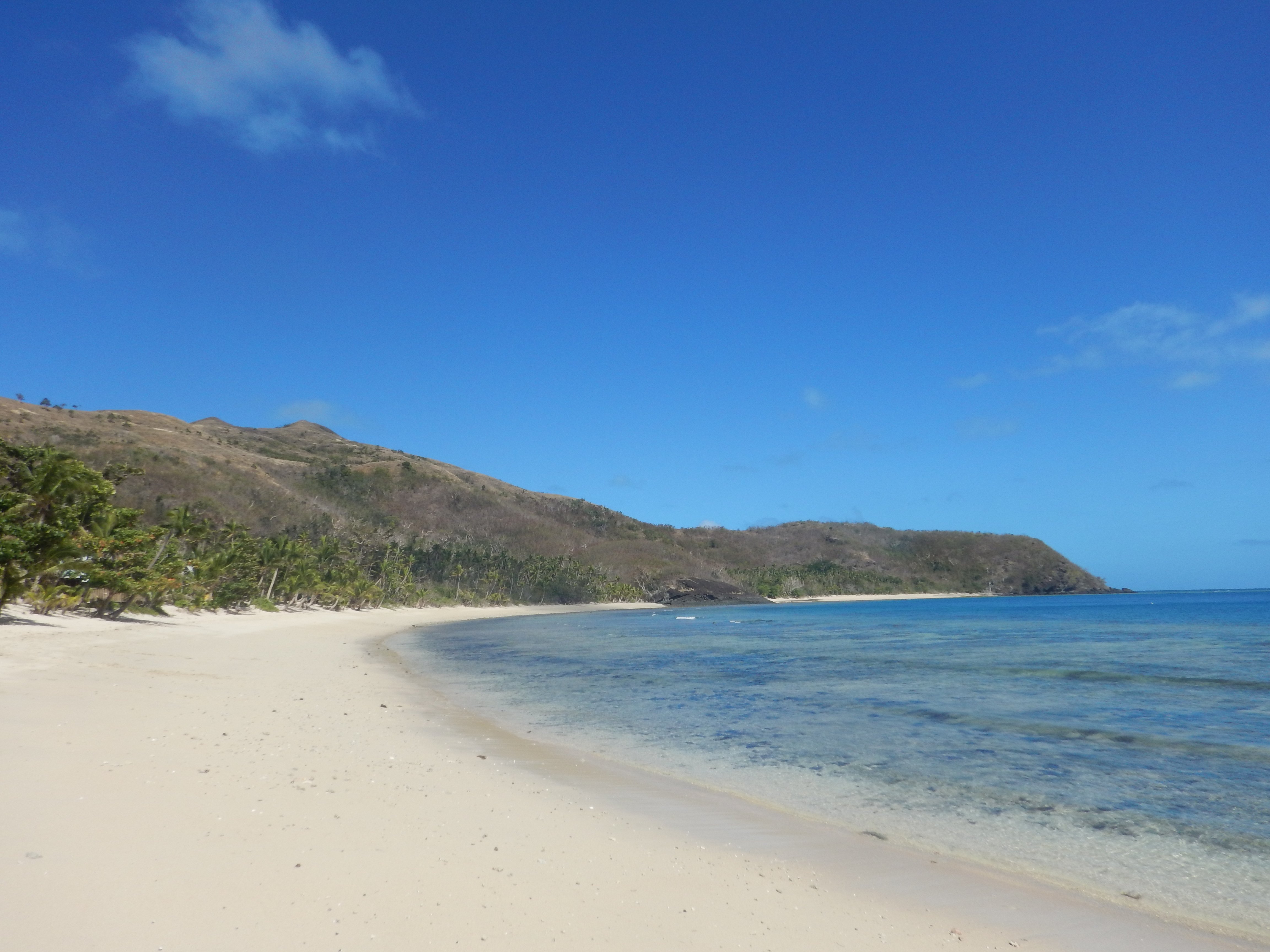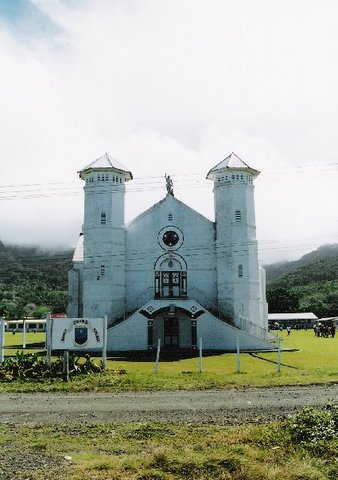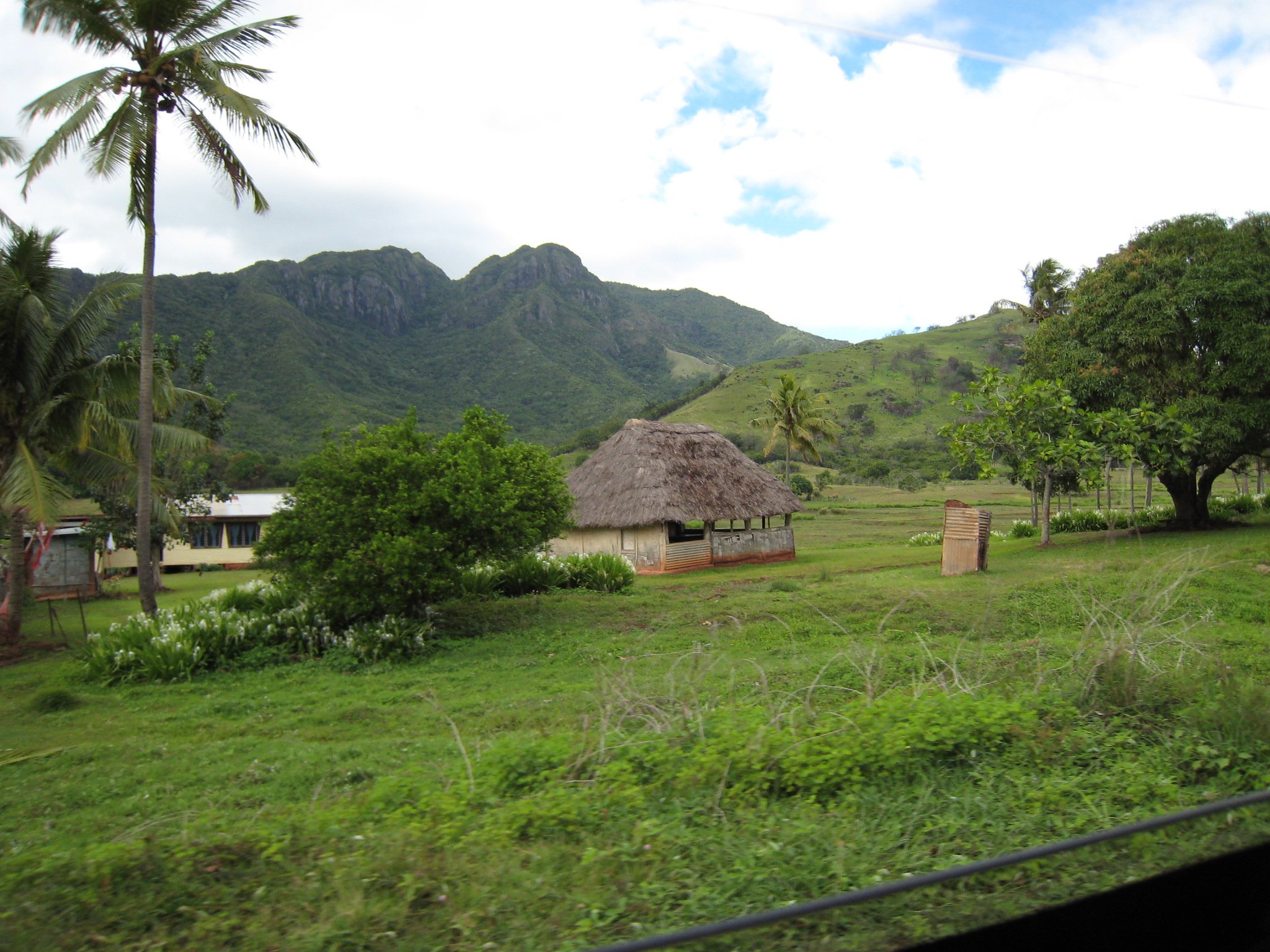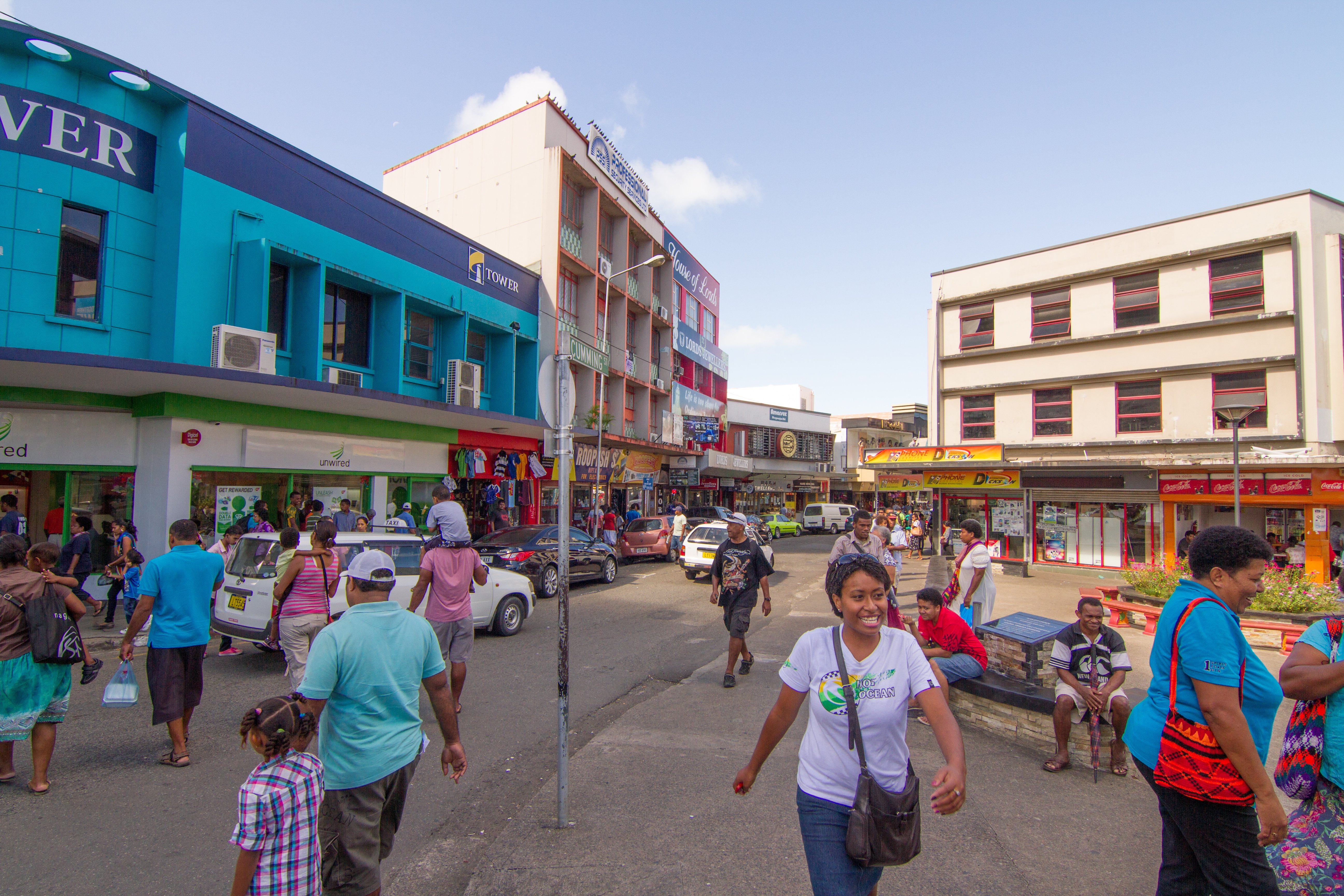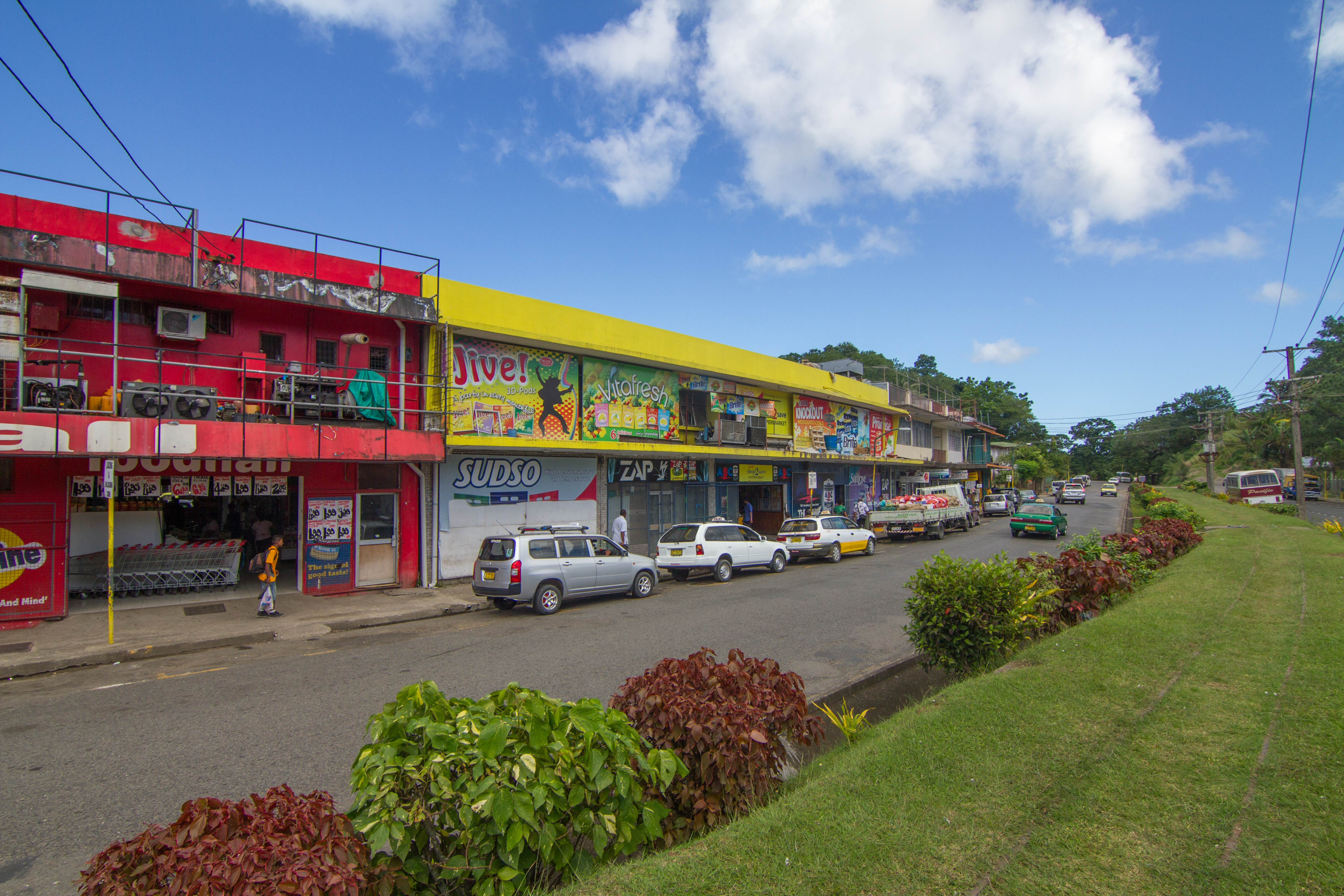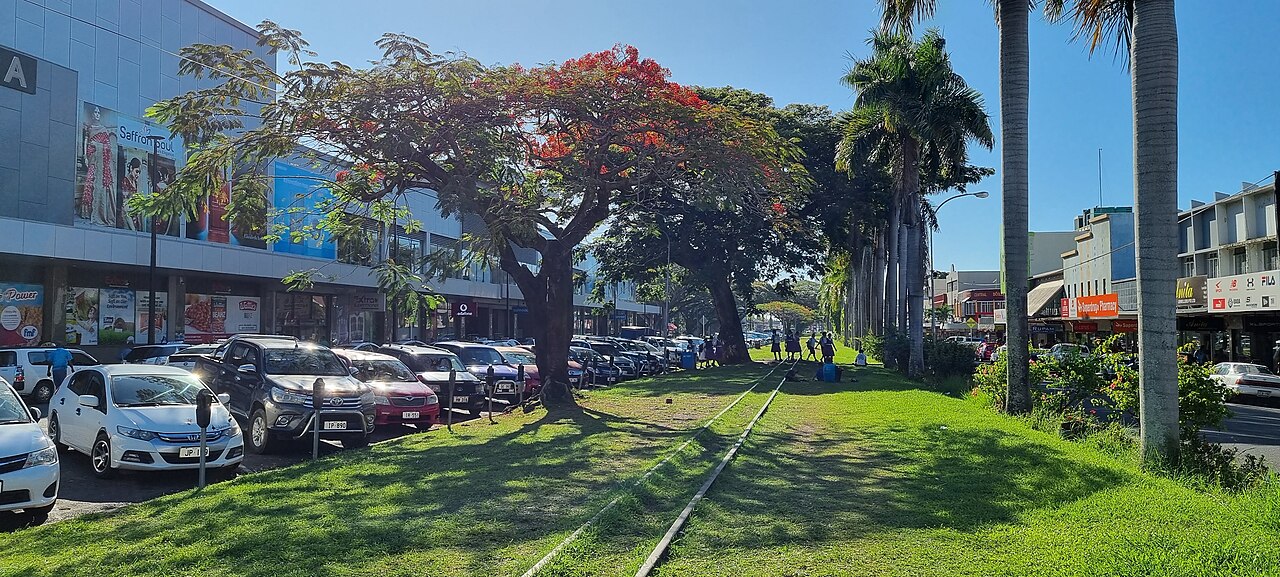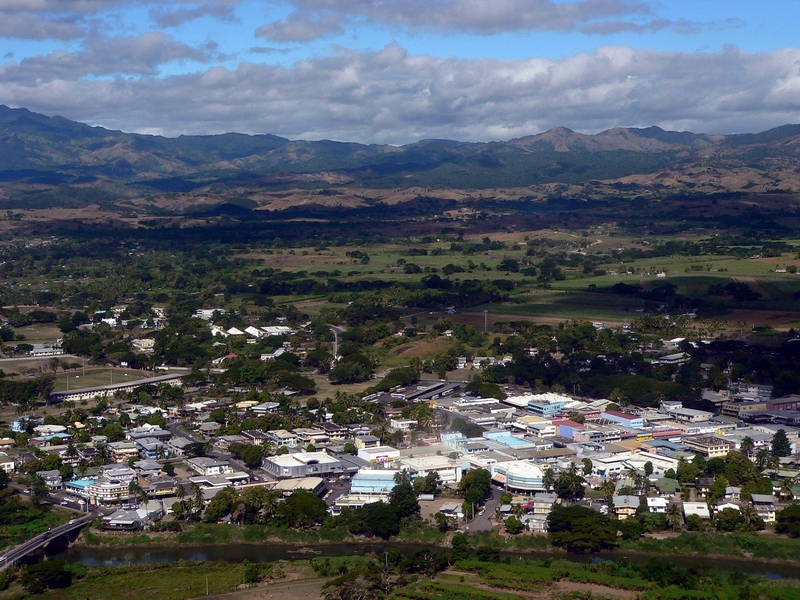
Fiji is an archipelago of 333 islands scattered across the South Pacific, about halfway between New Zealand and Hawaii. Most people come for the beaches, the diving, and the reliably warm weather — and Fiji delivers all of that. But the islands also have a cultural life, a complicated political history, and landscapes that range from coastal reef to interior rainforest.
The two main islands, Viti Levu and Vanua Levu, hold most of the population. The capital Suva is on Viti Levu's southeast coast — a proper city with markets, colonial buildings, and a good museum. The main international airport is at Nadi on the west side of the same island, which is where nearly everyone arrives.
The outer islands are where Fiji's reputation for diving and snorkeling is built. Taveuni, the "Garden Island," has the famous Rainbow Reef and the Great White Wall — among the best soft coral diving in the world. The Yasawa Islands offer a string of budget resorts, traditional villages, and the Blue Lagoon. Ovalau has Levuka, Fiji's first colonial capital, and is off the usual tourist track.
Fiji's society is a mix of indigenous Fijians and Indo-Fijians, the descendants of indentured laborers brought from India in the late 19th century. The two communities have different languages, religions, and customs, though they live alongside each other throughout the islands. This cultural layering is part of what makes Fiji interesting beyond the beach resorts.
Destinations in Fiji
- Suva — the capital, worth a couple of days
- Nadi — gateway city, airport hub
- Viti Levu — the main island
- Vanua Levu — Fiji's second-largest island, quieter and less visited
- Taveuni — diving, rainforest, Rainbow Reef
- Yasawa Islands — beaches, snorkeling, budget resorts
- Ovalau — colonial history, Levuka
- Lautoka — Fiji's second city, sugar industry