Vanua Levu
©
Vanua Levu

Vanua Levu

Fiji's second-largest island, with rainforest interiors, Savusavu harbour, and notable diving along the south coast.

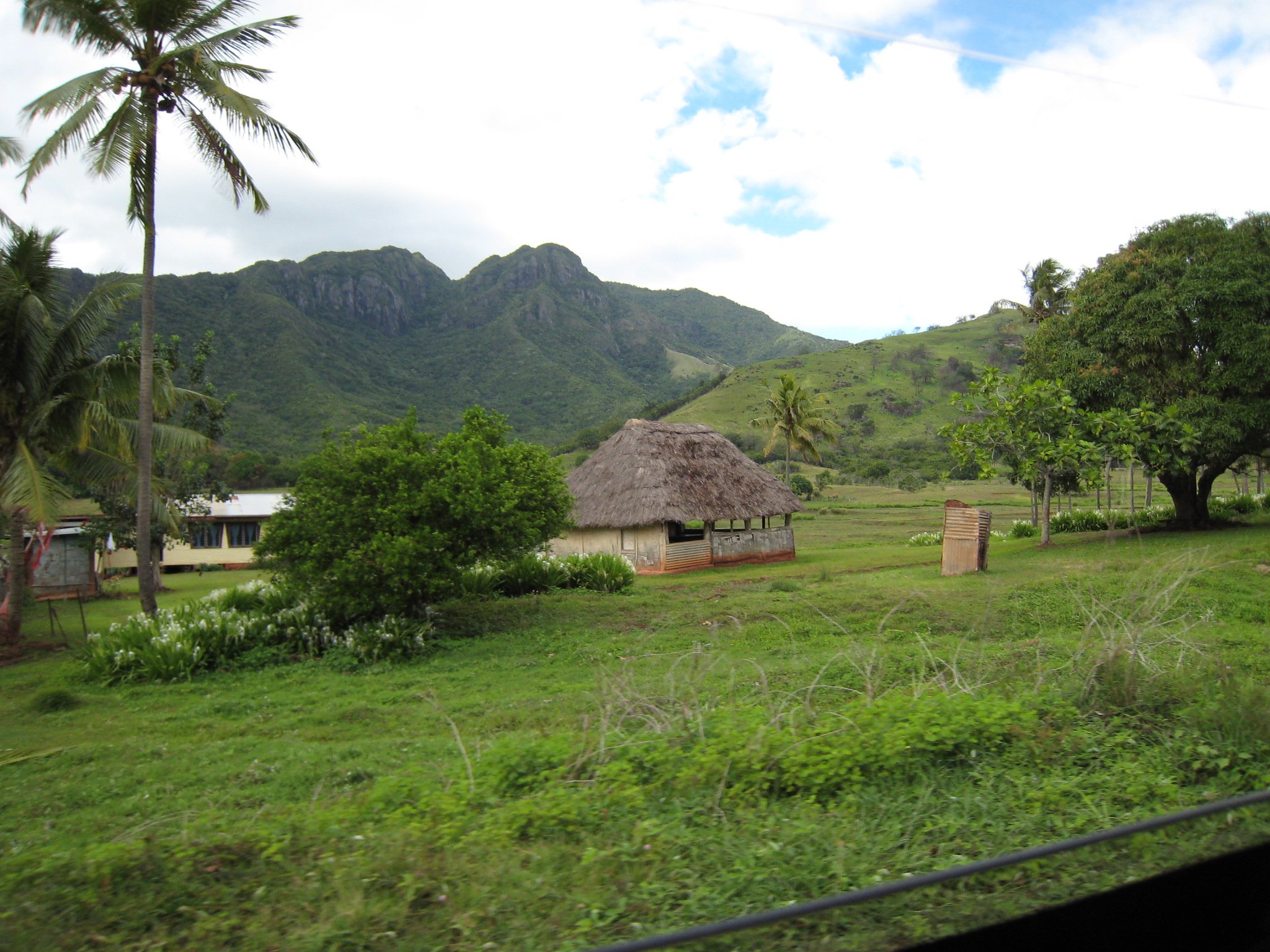
Vanua Levu is Fiji's second largest island, roughly half the size of Viti Levu but with a fraction of the tourists. If you want to see Fiji without the resort crowds, this is where to come. The island is lush and mountainous, with dense rainforest in the interior and some of the best diving in the South Pacific along its southern coast.

Savusavu, the main town on the south coast, sits on a beautiful harbour and has a relaxed, small-town feel. It calls itself the "hidden paradise of Fiji," which is a bit of a stretch, but the setting is genuinely lovely. There are hot springs right in the centre of town, and the surrounding hills are dotted with copra plantations and small farms. The diving and snorkelling around Savusavu Bay and the nearby Namena Marine Reserve are outstanding — the soft coral here is some of the finest anywhere.

Labasa, on the dry northern plain, is the island's largest town and the commercial centre for Fiji's sugar industry. It is a working town rather than a tourist destination, predominantly Indo-Fijian, with busy markets and a different atmosphere from the rest of Fiji. You are unlikely to linger here, but the Sunday market is worth a visit if you are passing through.

The Hibiscus Highway along the southern coast between Savusavu and the Natewa Peninsula is one of Fiji's most scenic drives, winding past coconut groves, small villages, and quiet bays. The Waisali Rainforest Reserve, inland from Savusavu, protects a patch of lowland tropical forest with good walking trails and some of the island's native birdlife.

Guide

Getting Around

Vanua Levu is a large island and getting around requires planning. The main road between Savusavu and Labasa crosses the mountains and takes two to three hours. Car rental is available in Savusavu from a couple of local operators; a 4WD is advisable for exploring beyond the main road, especially in the wet season (November to April) when tracks can become impassable.

Local buses run between Savusavu and Labasa and through some of the coastal villages, but services are infrequent and timetables are loose. Taxis are available in both towns. Boat hire is practical for reaching dive sites and more remote beaches. For exploring the Natewa Peninsula, a local guide and a decent vehicle are both recommended.

Guide

Getting There

Fiji Airways operates flights from Nadi and Suva to Savusavu Airport (SVU), the island's main airfield. The flight from Nadi takes about an hour; from Suva about 30 minutes. Labasa also has a small airport (LBS) with connections to Suva.

The alternative is the ferry from Natovi Landing (near Suva on Viti Levu) to Savusavu, operated by Goundar Shipping. The crossing takes around 10–12 hours overnight, arriving in Savusavu in the morning. It is cheap and practical if you don't mind the night passage. Seats and simple cabins are available. The ferry also connects Savusavu to Taveuni.

Guide

Things to Do

Vanua Levu's main draws are underwater: the diving and snorkelling around Savusavu Bay and the Namena Marine Reserve rank among the finest in the South Pacific. Above water, the island rewards explorers with the scenic Hibiscus Highway coastal drive, the Waisali Rainforest Reserve, and the working Indo-Fijian culture of Labasa. Most visitors base themselves in Savusavu; the town's hot springs, harbour, and easy access to dive sites make it the natural starting point.