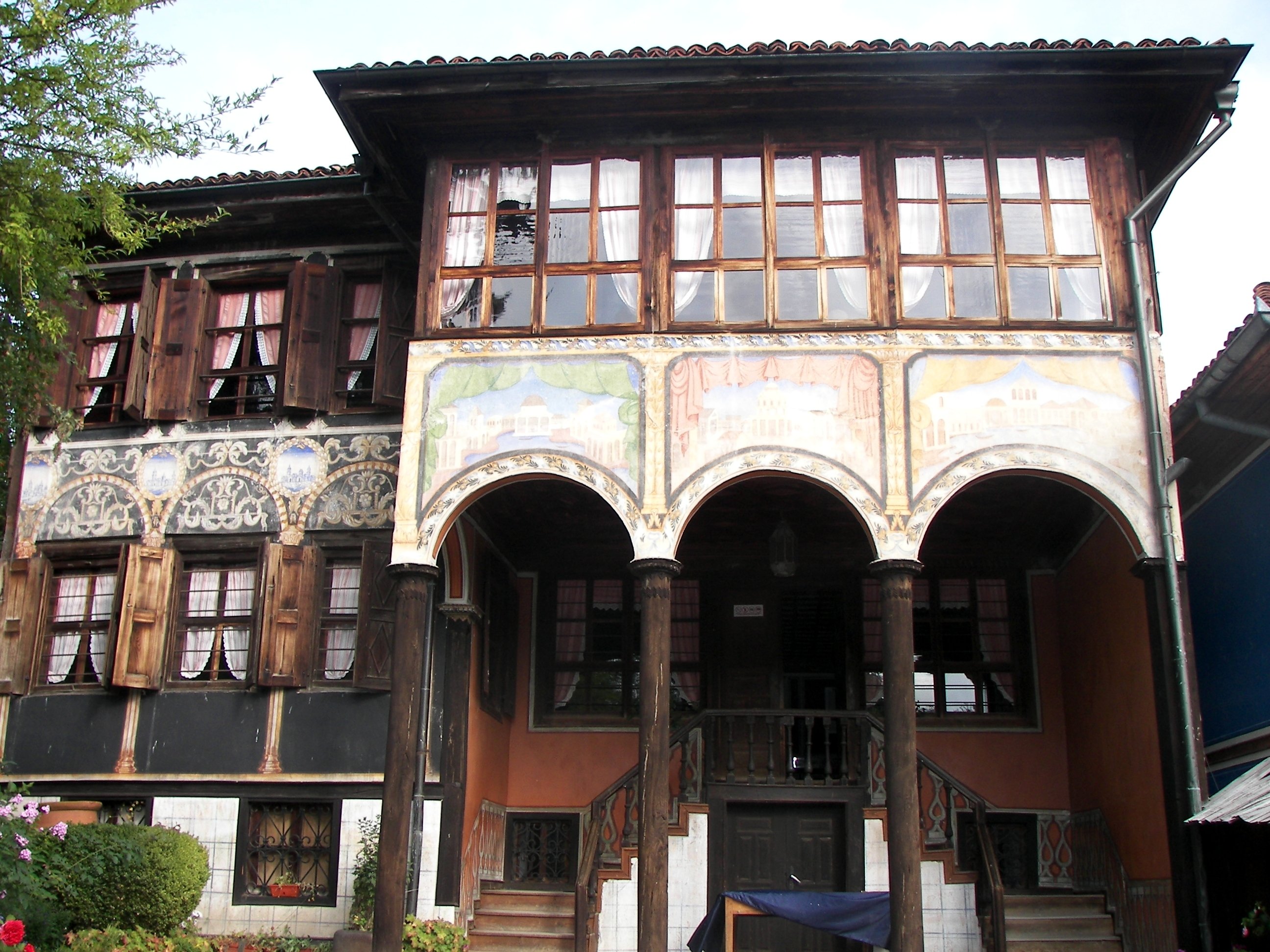
Preserved Bulgarian National Revival town in the Sredna Gora mountains, birthplace of the April Uprising.
Koprivshtitsa is one of the most beautifully preserved towns in Bulgaria — a village of painted National Revival houses set in a wooded valley in the Sredna Gora mountains, about 100 km east of Sofia. It's on the tourist trail, but lightly enough that the atmosphere remains genuine.
The town's significance goes beyond its architecture. On 20 April 1876, Koprivshtitsa was the starting point of the April Uprising against Ottoman rule — a rebellion that was brutally suppressed but ultimately led, after Russian intervention, to Bulgarian independence in 1878. The house of Todor Kableshkov, from whose window the first shot of the uprising was fired, is now a museum.
Six of the old merchant houses are now house-museums, each showing a different aspect of 19th-century Bulgarian life — the houses of Oslekov, Kableshkov, Lyutov, Debelyanov, Benkovski, and Kableshkov. A combined ticket covers all six. The town's main square, the bridge over the Topolnitsa river, and the cobbled lanes between the houses are worth as much time as the museums themselves.
The International Folk Festival, held every five years in August, brings folk groups from across Bulgaria to perform on the hillsides outside town. It's one of the most important events in Bulgarian traditional culture.
Koprivshtitsa is 2 hours from Sofia by a combination of bus and local train; the train station is 12 km from the village.
Guide
Getting There
Getting to Koprivshtitsa from Sofia takes about two hours and involves a slight adventure: a bus or train to Zlatitsa, then a connecting local minibus for the final 12 km to the village. The train station is named Koprivshtitsa but sits in the valley far below the town itself.
From Sofia's Central Bus Station, buses run to the nearby town of Zlatitsa. From there, shared taxis and minibuses cover the last stretch to Koprivshtitsa. Departure times are limited, so check schedules before you go and don't count on a late evening return.
By train, services run from Sofia's Central Railway Station to Koprivshtitsa station. Trains are slow but scenic, passing through the Sredna Gora foothills. At the station, look for the minibus waiting to ferry passengers up to the village — it runs to meet the trains, but confirm this on arrival as schedules can shift.
By car, Koprivshtitsa is about 110 km from Sofia via the Trakia motorway and a turnoff toward Anton. The drive takes around 90 minutes. Parking is available at the edge of the village; the center is best explored on foot.
Guide
When to Go
Late spring (May–June) and early autumn (September–October) are the best times to visit. The weather is mild, the crowds are manageable, and the wooded valley around the town is at its most attractive. Summer brings day-trippers from Sofia, and the narrow lanes can feel crowded on weekends.
The International Folk Festival is held every five years in August, drawing folk ensembles from across Bulgaria to perform on the hillsides outside town. It is one of the most significant gatherings of Bulgarian traditional music and dance, with tens of thousands of visitors attending over two days. The next edition is worth planning around if the timing aligns — check the Bulgarian Folk Festival schedule for the current year. When it happens, accommodation books out months in advance.
Winter is quiet and cold. The mountains around Koprivshtitsa get snow, which gives the painted houses a striking backdrop, but most visitors find the short days and closed museums less rewarding. The town doesn't shut down entirely, but several smaller museums reduce their hours.
April 20 — the anniversary of the 1876 uprising — draws commemorations each year, with wreath-laying and cultural events at the main monuments. A good day to visit if you want to see the town's pride in its history on open display.