Korčula
©
Korčula

Korčula

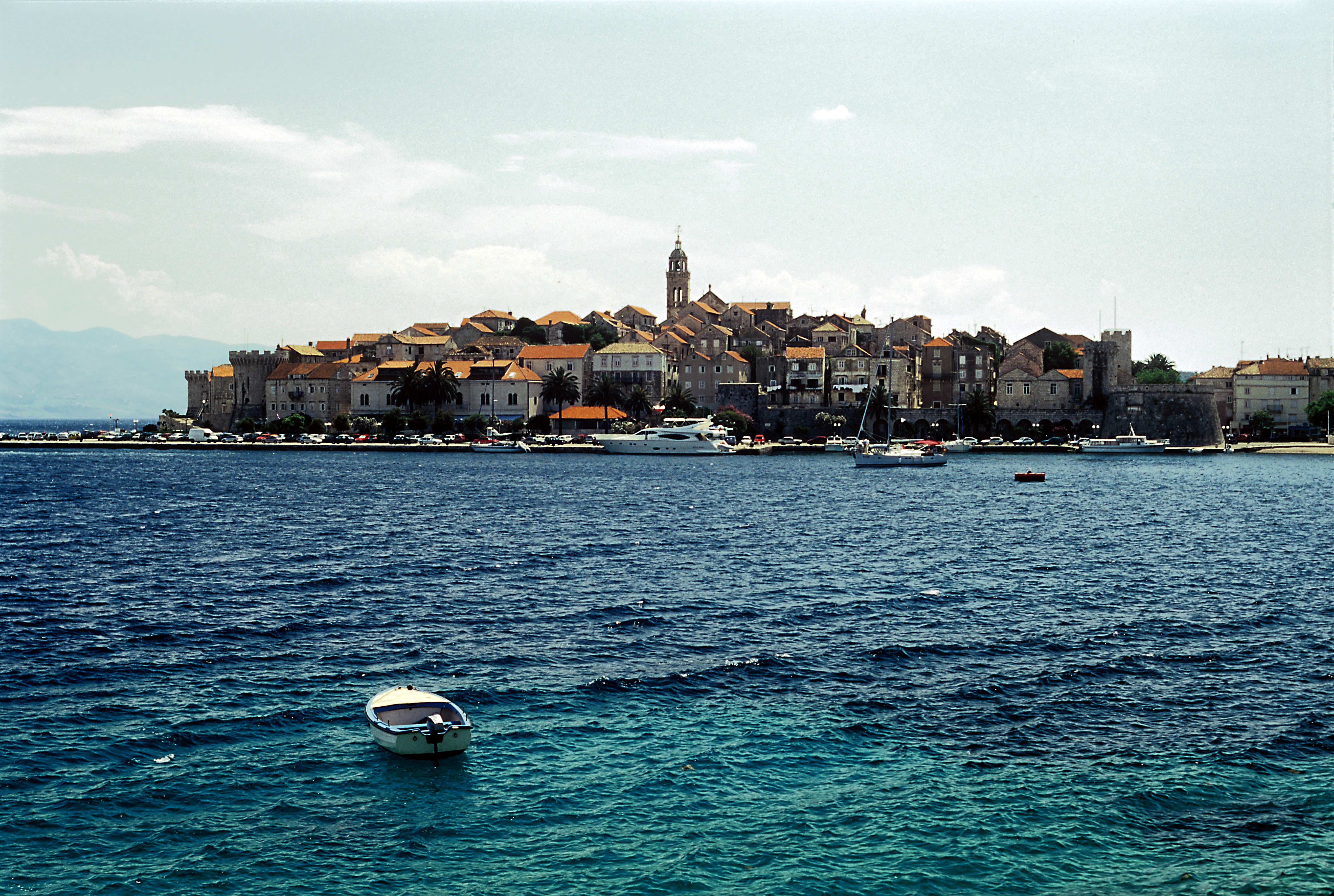
Fortified medieval town on a small Korčula island peninsula, often called a miniature Dubrovnik

Korčula town is a fortified medieval settlement jutting on a small peninsula into the Pelješac Channel, the main settlement on the island that shares its name. It is often described as a miniature Dubrovnik, and the comparison holds up: the same honey-coloured limestone walls, the same narrow lanes herringboned off a central axis, but far smaller and without the crowds.

Korčulans claim Marco Polo was born here, and the house traditionally identified as his birthplace is open to the public. The claim is contested, but the setting is compelling enough that you stop caring after a while.

The Cathedral of St Mark dominates the old town. Next to it the Bishop's Treasury holds a surprisingly rich collection of Croatian and Italian Renaissance art, manuscripts, and ecclesiastical vestments. The Town Museum, installed in the 16th-century Palazzo Gabrielis, covers the island's long maritime history.

Guide

Eating Out

Korčula has a good range of restaurants, from waterfront seafood places in the old town to family-run konobas in the surrounding villages. Žrnovo, just 3 km inland, is worth the short trip for rustic home cooking and local wine.

Guide

Things to Do

Korčula's old town is compact enough to cover in a morning — Marco Polo's supposed birthplace, the Cathedral of St Mark, and the ring of Venetian walls and towers are all within a few hundred metres of each other. The Moreška sword dance, performed in the old town on summer evenings, is the island's best-known cultural event and worth catching if your dates align.

For a beach day, head across to Badija island or south to Pupnatska Luka. The Pelješac peninsula across the water offers excellent wines at village cellars and a short hop back to the mainland. Keen divers should make the trip to Vela Luka on the western tip, where the underwater landscape includes caves and wall dives.

korcula