Hvar
©
Hvar

Hvar

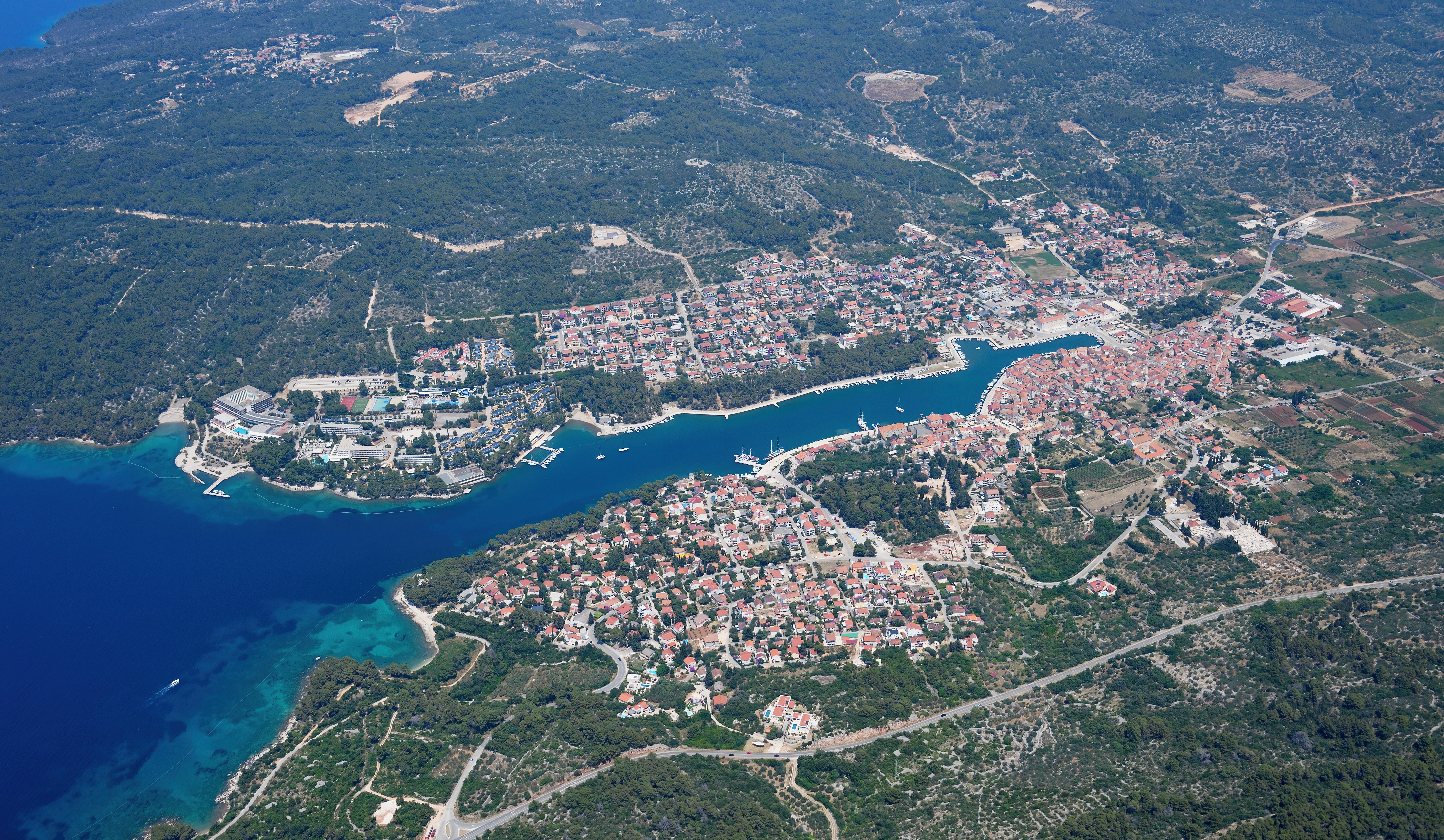
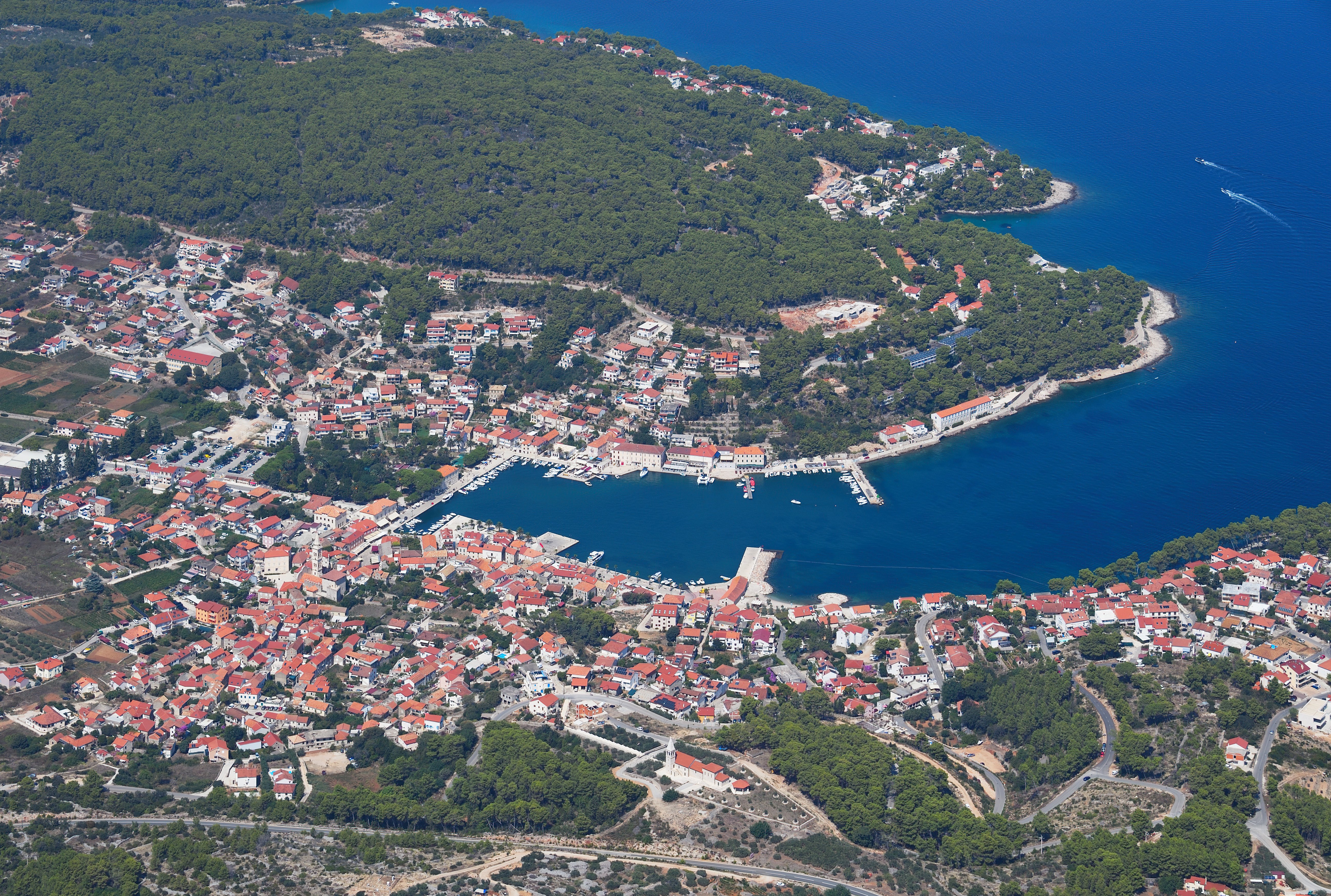
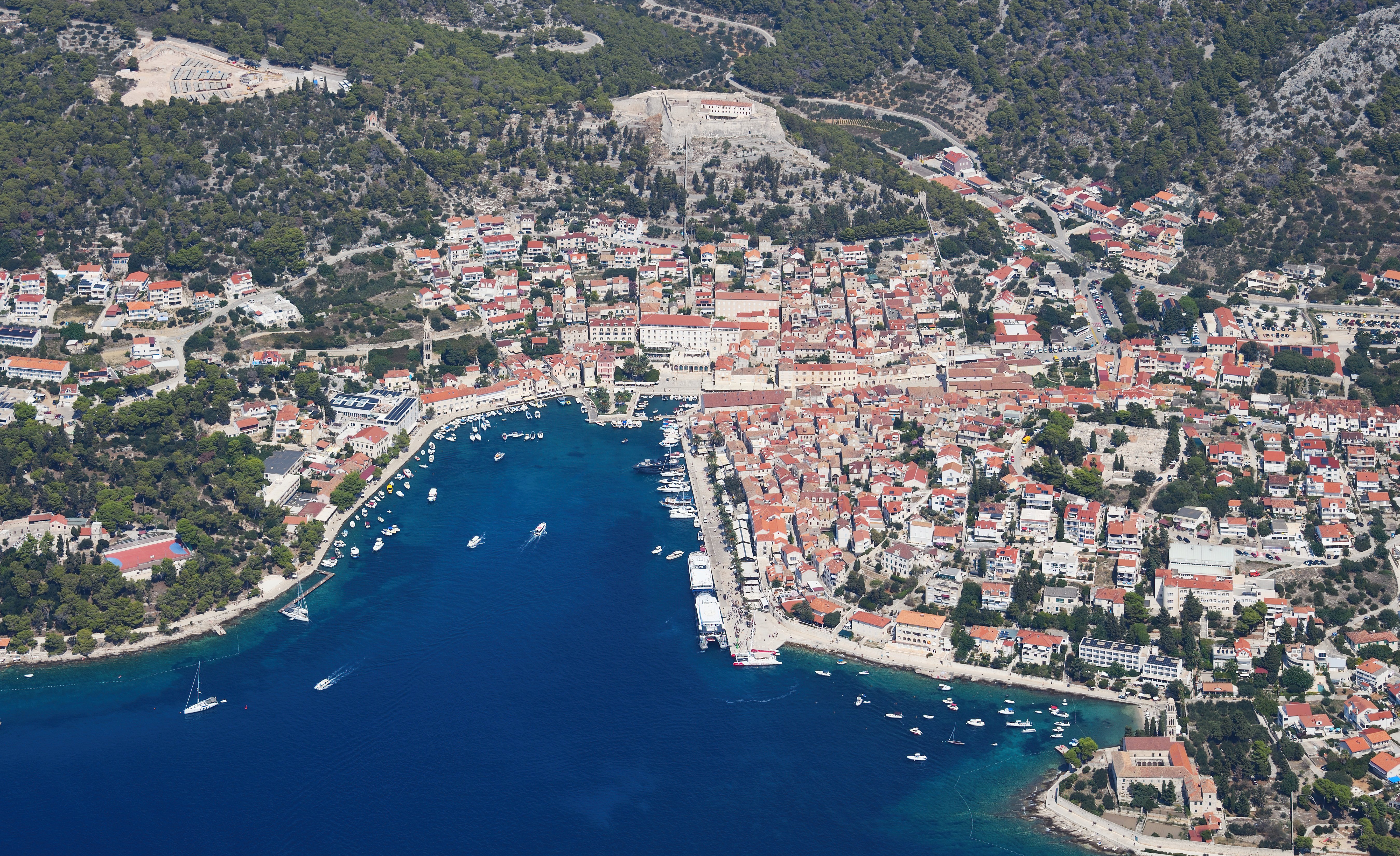
Long Adriatic island near Split, known for lavender fields, Plavac Mali wine, and Venetian Hvar Town.

South of Brač and easily reached from Split, Hvar is the longest island in the Adriatic and one of the sunniest places in Croatia. The island is covered with vineyards, olive groves, and lavender fields that scent the summer air — a crop that has shaped the island's economy and identity since the early 20th century. The local Plavac Mali wine is among the best in Dalmatia.

Hvar Town, at the western end, is the glamorous face of the island, with the liveliest restaurant and bar scene on the Dalmatian islands in summer. Quieter Stari Grad, connected to the mainland by the main ferry, is the most architecturally significant town. Further east, Vrboska and Jelsa are quieter resort towns popular with families.

The Pakleni Islands, just offshore from Hvar Town, offer secluded swimming, naturism, and good seafood konobas. The inland village of Velo Grablje, mostly abandoned but revived by a lavender festival each June, is worth a scooter trip.
Guide

Bars and Cafes

Hvar Town's nightlife is the most intense in Croatia. From mid-June through August the cafes along the Pjaca and the harbourfront serve cocktails until 2am, the beach clubs on the Pakleni Islands run all-day pool parties, and a string of late venues keeps going until dawn. Outside Hvar Town the pace is much gentler — a glass of wine at a village konoba and bed by midnight.

Guide

Beaches

Hvar's shore is rocky, like most of Dalmatia. The water is clean and clear, the swimming superb, but if you arrived expecting Caribbean sand you will be disappointed. Pack water shoes — the bottom is sharp limestone and the occasional black sea urchin — and a foam mat for your towel.

For jumping in. The rocks on either side of Hvar Town have been levelled in places with concrete platforms; the water off them is deep and clear. The Pakleni Islands offer the same on a more dramatic scale, with deeper coves and fewer people.

For wading. Pebble beaches are gentler on the feet. The shingle in front of the Franciscan Monastery is the easiest swim from Hvar Town; further east the strip below Pokonji Dol works for families. On the north coast, Mina Beach near Jelsa is a pleasant 20-minute walk from the harbour through pine forest.

For lounging. Several of the new luxury hotels along the coast (and the beach clubs in the Pakleni Islands) charge for sunbeds, umbrellas, and ladders into the water. The Carpe Diem Beach Club on Marinkovac is the social hub; Hula-Hula on the western shore of Hvar Town is the sunset spot.

For solitude. Take a scooter east past Jelsa to the bays of Zavala and Sveta Nedjelja, on the south coast. The water is the clearest on the island and the crowds drop sharply away from the main resorts.

Guide

Day Trips

The Pakleni Islands, just offshore from Hvar Town, are the obvious day trip — a short water-taxi ride out to Sveti Klement or Jerolim for swimming, naturism, and a long lunch at one of the konobas. Boats leave from the Hvar Town promenade roughly every half hour in summer.

Further afield, the island of Vis (the next island west, two hours by boat) is the off-the-beaten-track choice, with the Blue Cave on Biševo as the headline sight. Plenty of operators in Hvar Town run full-day sailing trips combining Vis, the Blue Cave, and a swim in the Pakleni Islands on the way back.

Inland, the village of Velo Grablje is an easy half-day on a hired scooter — abandoned mostly in the 1960s, recently brought back to life by a lavender festival every June.

Guide

Eating Out

Hvar eats well across the island. Hvar Town is the polished, expensive option — slick waterfront restaurants and chef-driven menus, with prices to match the yachts in the harbour. For something earthier, the villages inland and around the eastern bays run konobas (rustic taverns) where the menu is whatever was caught or grown that morning: octopus peka (cooked under an iron lid covered in embers), grilled fish, gregada (Dalmatian fish stew), homemade bread, and local wine in carafes.

Look for the Hvar varietals on wine lists — bogdanuša white and plavac mali red, both grown on the steep terraces of the south coast around Sveta Nedjelja.

Guide

Getting There

By ferry from Split. The most common arrival. Jadrolinija and Krilo run multiple daily car ferries and catamarans from Split to Hvar Town (about 1 hour fast, 2 hours slow) and to Stari Grad (about 2 hours, car ferry only). Stari Grad is the port for the car ferry — Hvar Town is for foot passengers.

By ferry from Drvenik. Short crossing (about 40 minutes) to Sućuraj at the eastern tip of the island. Useful if you are driving down from Dubrovnik.

By air. No airport on Hvar itself. Closest airports are Split (then ferry) and Brač (Bol, then water taxi).

Bus on the island. Buses run between Hvar Town, Stari Grad (meeting the car ferries), Jelsa, and Sućuraj, but on a thin timetable. Renting a car or scooter is much easier if you plan to explore beyond Hvar Town.

Guide

Things to Do

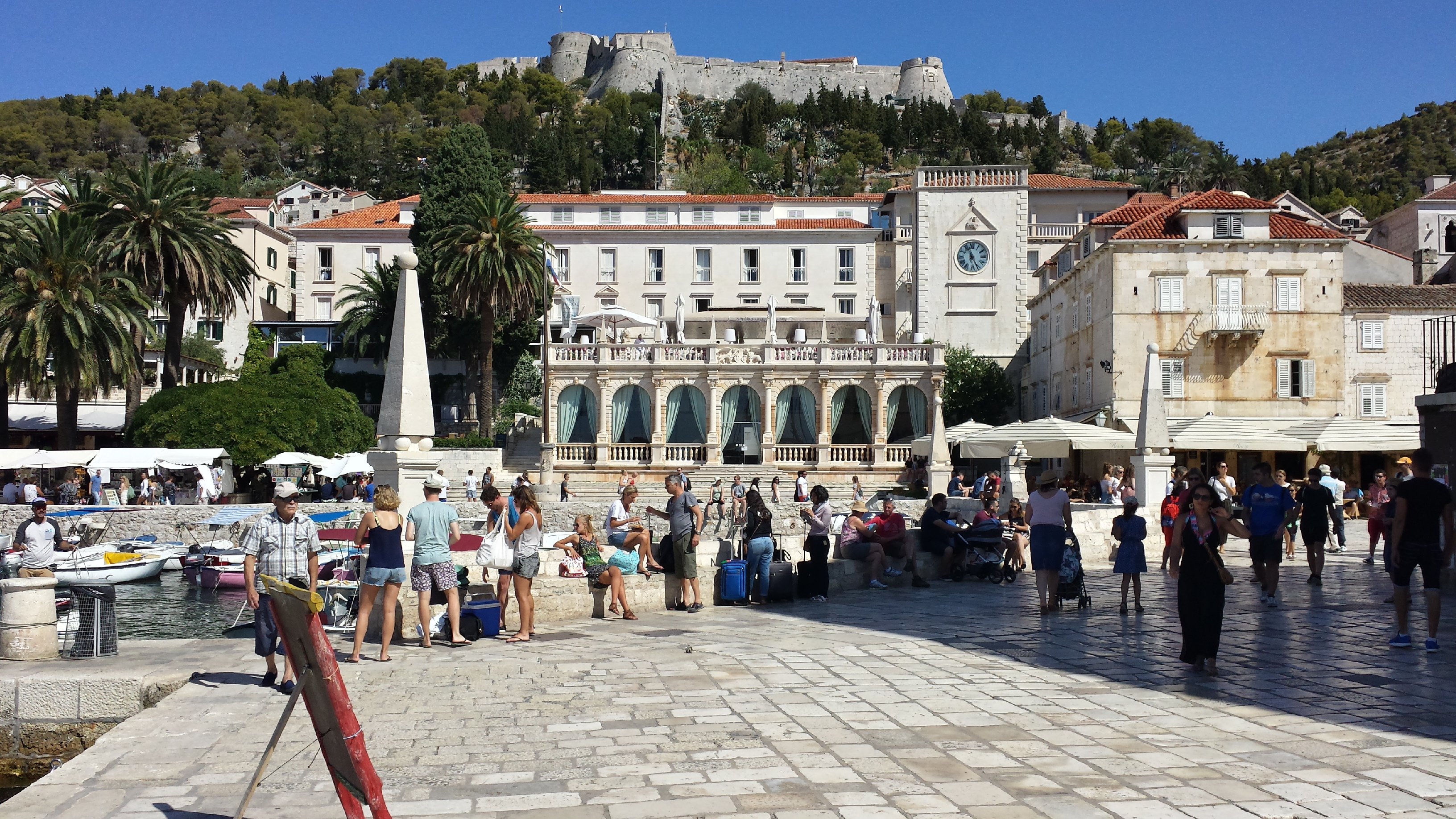
Hvar Town is the obvious base and the place where most of the headline sights cluster — the fortress above, the Cathedral on St Stephen's Square, the old Arsenal with one of Europe's oldest public theatres inside it. But the island is long and worth ranging across: Stari Grad has the architectural soul, Jelsa has the loveliest harbour, and the vineyards and lavender fields between them are some of the most beautiful agricultural landscape in the Adriatic.

Use the filters below to browse by type.

Guide

When to Go

Hvar's season runs from late May to early October. June and September are the best months: warm sea, sunny skies, full ferry timetables, and noticeably fewer people than in peak summer.

July and August are hot (often 32–35°C in the shade), crowded, and expensive. Hvar Town is at its most intense — also at its most exhausting. If you want quiet, head inland or to Vrboska and Jelsa.

The Lavender Festival in late June draws crowds to Velo Grablje for the harvest weekend. The traditional Procession of the Cross at Easter, when the cross is carried through six villages overnight, is on the UNESCO list of intangible heritage and worth timing a visit around if you are in Croatia in spring.

Outside the season the island is half-shuttered: most restaurants close, the catamaran services thin out, and a hard bura wind can blow for days. Atmospheric, but not the trip people come for.

dalmatia
Cities

Places in Hvar