Kvarner Gulf island with rare sandy beaches, pine forests, and a medieval town skyline of four bell towers.
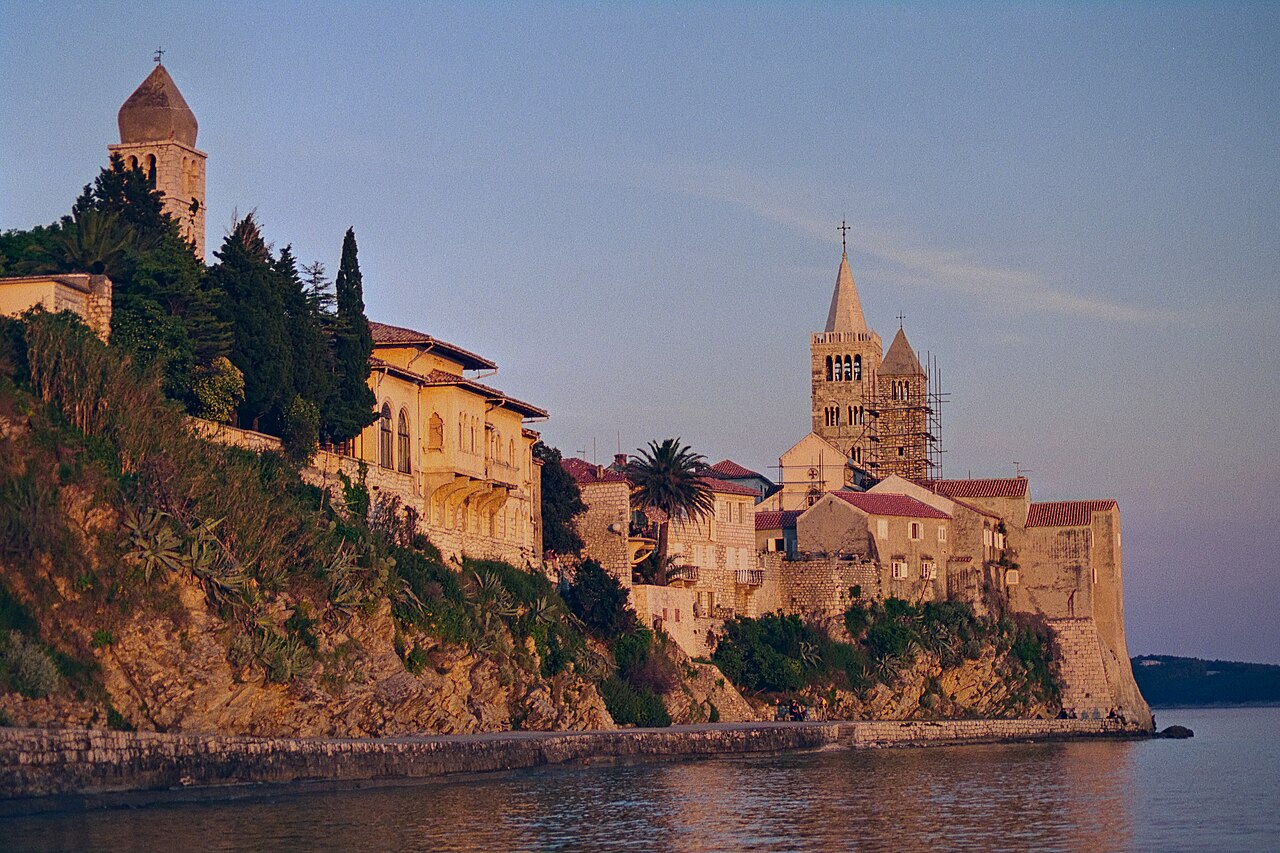
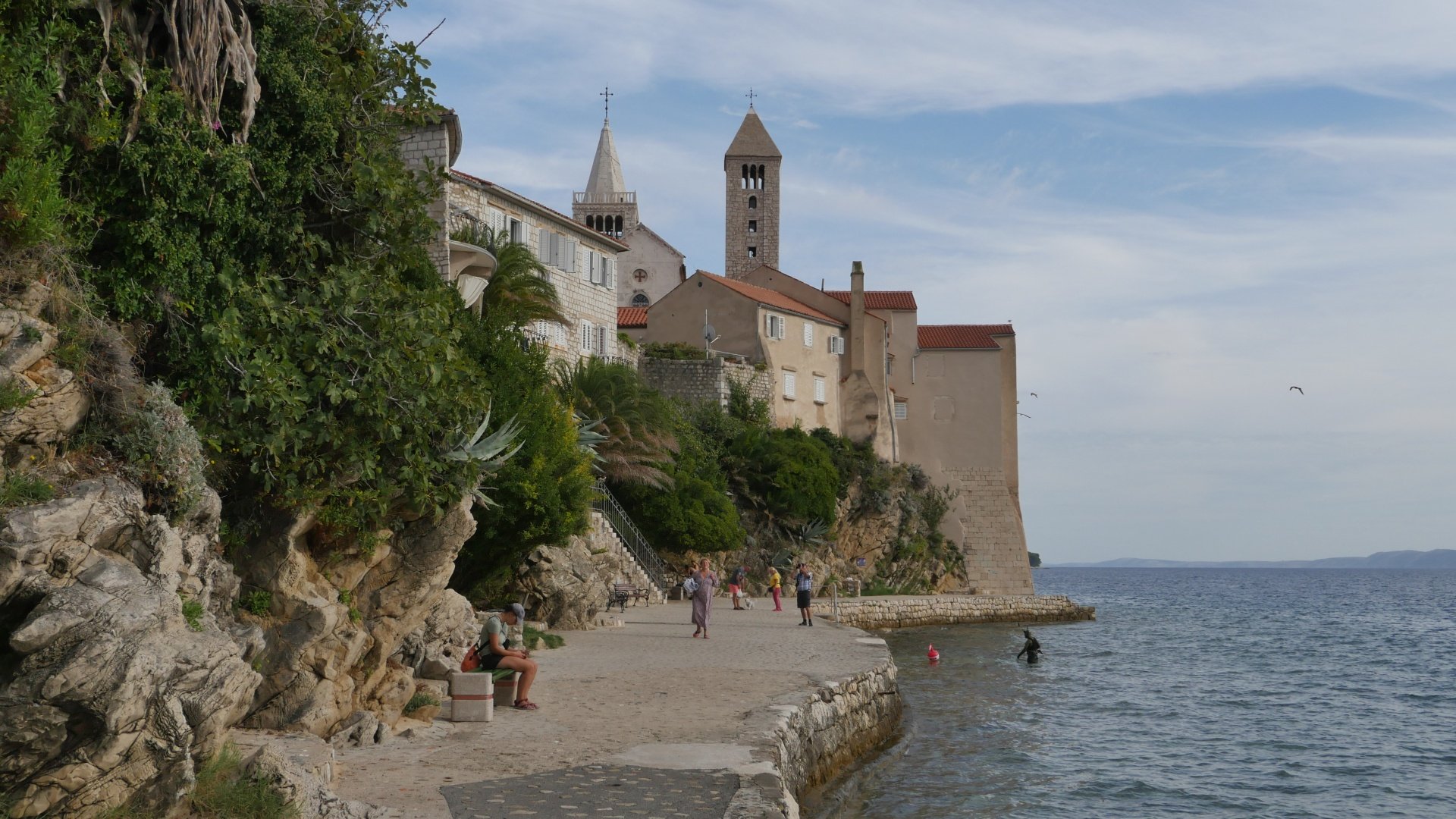
Rab is one of the most beautiful islands in the Kvarner Gulf, a green, forested island with sandy beaches — a rarity on the Croatian coast — and a perfectly preserved medieval old town. The town of Rab sits on a narrow peninsula, its skyline defined by four bell towers rising above terracotta roofs, and its streets lined with Renaissance palaces, churches dating from the eleventh to the sixteenth century, and quiet stone lanes. Quieter and less expensive than Hvar or Korčula, it is one of the underrated islands of the northern Adriatic.
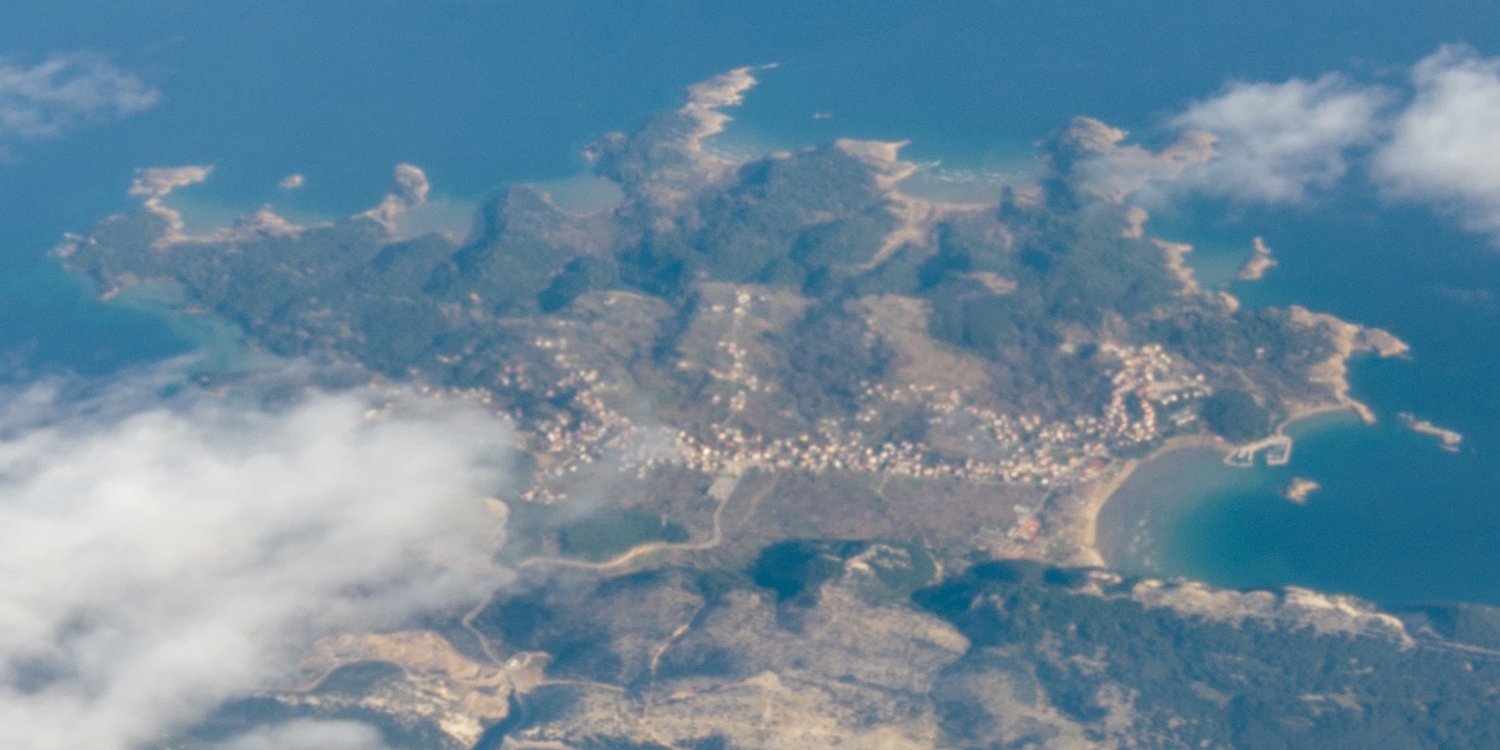
The island divides sharply in character. The southern and western sides are lush with pine and oak forest, sheltered from the bura wind by the island's ridge. The north and east are bare limestone swept by that same wind — the contrast, visible from the ferry from Jablanac, is one of the most striking sights on the Croatian coast.
The island's beaches are its other great asset, mostly concentrated around Lopar on the northern peninsula — Rajska Plaža (Paradise Beach) is a long crescent of sand in shallow, warm water, unusual for Croatia and popular with families, and there are dozens of smaller sandy coves nearby, including several naturist beaches with a tradition stretching back to the 1930s.
Away from the beaches, the Kampor Memorial Park on the western coast marks the site of a wartime Italian concentration camp — a sobering counterpoint to the island's holiday atmosphere, and worth the short cycle ride through the pines.
Croatian cuisine on Rab draws on Dalmatian and Italian traditions — expect grilled fish, risotto, gnocchi, octopus salad, and lamb. The island's own speciality is Rab cake (rapska torta), a spiral pastry filled with almonds and maraschino liqueur.
Guide
Getting There
Rab is reached by ferry. There is no bridge and no airport.
The main connection is from Jablanac on the mainland to Mišnjak on the southern tip of the island — a crossing of about fifteen minutes. Jablanac is on the coastal highway (the Magistrala, D8) between Senj and Starigrad. Jadrolinija runs this route frequently throughout the day in summer; the ferry takes cars, motorbikes, and foot passengers.
A second route connects Valbiska on the island of Krk to Lopar at the northern end of Rab. This crossing takes around 45 minutes and is useful if you are island-hopping from Krk. Rapska Plovidba operates this line.
From Split or Rijeka there are seasonal catamaran services to Rab town itself — fast (around two hours from Rijeka) and foot-passengers only.
If you are travelling without a car, the easiest approach is the Jablanac–Mišnjak ferry followed by the island bus service to Rab town. In summer, buses meet the ferries.
Guide
When to Go
Summer is the peak season, with warm seas and long days from June to September. July and August are busiest — book accommodation well ahead, especially if you want anything near the beaches at Lopar.
June and September are the best months: the sea is warm, the crowds are thinner, and prices drop noticeably. The island is green and lush on the sheltered south and west sides even in the height of summer.
The Rab Summer Fiera (25–27 July) is a medieval festival held in the old town's Kaldanac quarter, with costumed processions, traditional crafts, and a crossbow tournament. It is the highlight of the island's cultural calendar.
Outside the summer months, Rab is quiet to the point of emptiness. Most restaurants and beach bars close from October to May. The old town remains open year-round and is worth a visit in spring, when the bura (the cold northeast wind that strips the northern side of the island bare) has eased and the pine forests on the sheltered side are at their most vivid.