Vágur
©
Vágur

Vágur

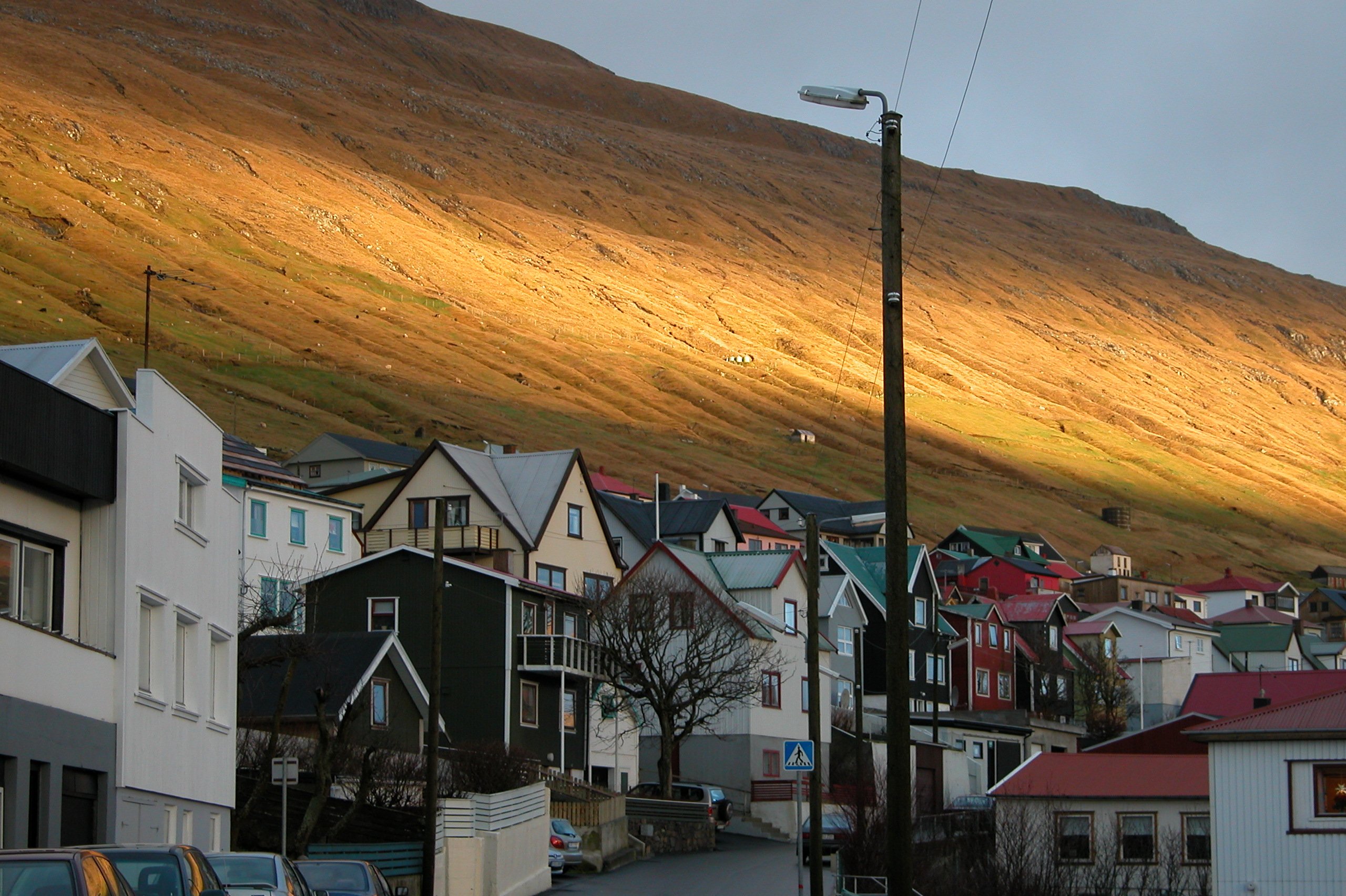
Suðuroy town on Vágsfjørður, edged by Atlantic cliffs and mountain viewpoints on the southern Faroes

Vágur is one of the largest towns on Suðuroy, the southernmost island in the Faroes. It sits on the east coast around Vágsfjørður, between the villages of Porkeri and Lopra. About 1,370 people live here.

The surroundings are dramatic even by Faroese standards. West of the village, Vágseiði faces the open Atlantic. To the south, Eggjarnar drops away in sheer vertical cliffs. Climb Gjógvaráfjall -- the local people call its sea face Skúvanes -- and you're looking straight down into the ocean. North of town at Botni, the Faroes' first hydroelectric power plant was built in 1921 — and it's still running.

Guide

Getting There

Vágur is on Suðuroy, the southernmost of the Faroe Islands. To get to Suðuroy you take the Smyril Line ferry from Tórshavn to Tvøroyri (about two hours), then drive south on Route 20 through Hov and Porkeri. The road into Vágur is paved and well signed; the journey from Tvøroyri takes about half an hour.

There is no airport on Suðuroy. Buses run from Tvøroyri ferry terminal to Vágur to meet most ferry arrivals. For most visitors the simplest option is to bring a car on the ferry from Tórshavn or hire one in Tvøroyri.

Guide

Things to Do

Almost everything to do in Vágur involves the cliffs. The walk west from the village across the moor to Vágseiði, then south along the cliff edge to Eggjarnar, is one of the best in the Faroes. Boat tours from Vágur harbour run along the southern coast to the great cliff of Beinisvørð and back; the boatman will time the trip for the seabird breeding season if you ask.

Inside the village itself there is the wooden church, the little museum, and the Botnur power station up the valley.

Guide

When to Go

June and July are the best months: long daylight, the most settled weather of the year, and seabirds in full nesting. The annual Jóansøkuhelgi festival in late June -- celebrating Midsummer with sport, music, and a sheep-driving competition -- is one of the highlights of the Suðuroy year.

Spring is windy and unpredictable. Autumn brings storms but also the most dramatic skies. Winter is dark, with daylight only from about 10 a.m. to 3 p.m. in late December, but the village is at its most atmospheric then, the harbour fishing boats lit against the dark cliffs.