Sarlat
©
Sarlat

Sarlat

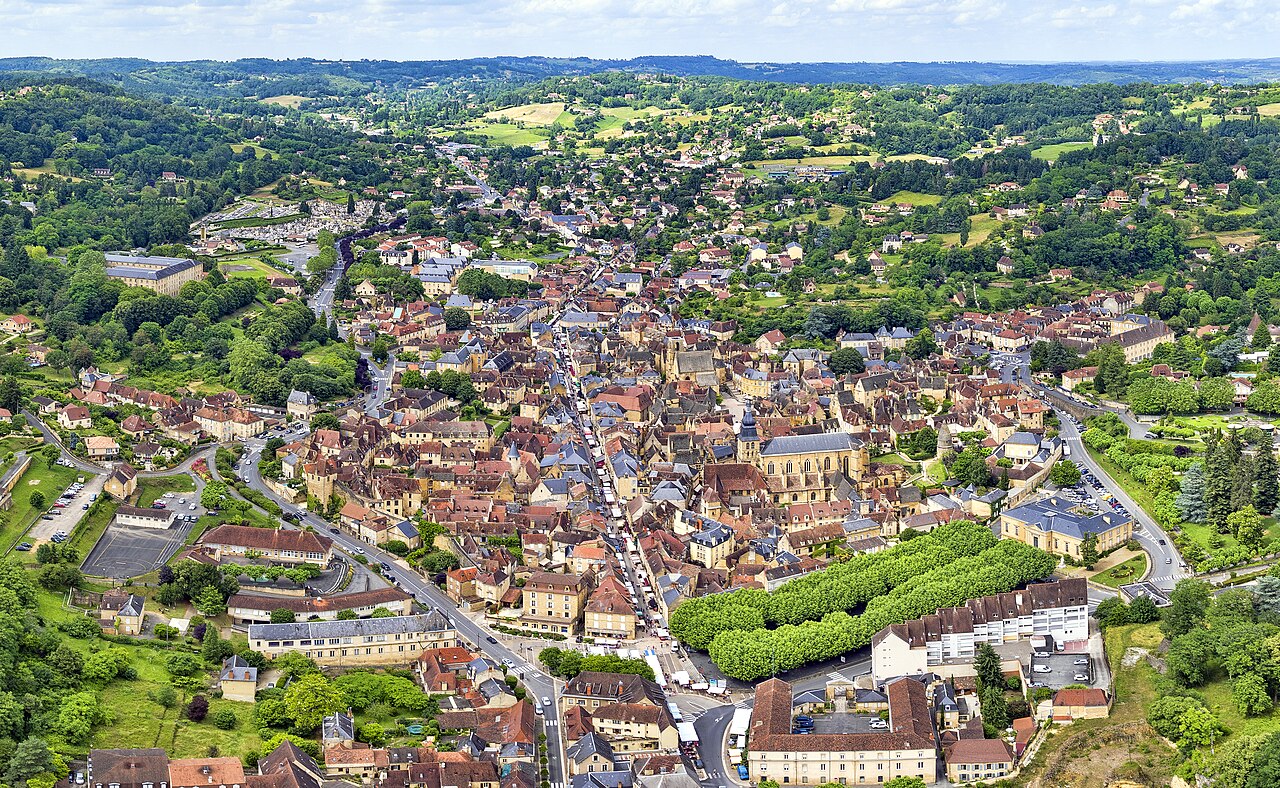
Dordogne market town with a dense medieval centre of honey-coloured stone and Renaissance houses.

Sarlat-la-Caneda is the capital of the Périgord Noir and one of the best-preserved medieval towns in France. The old centre is a dense cluster of golden sandstone buildings, turrets, and steep slate roofs — so perfectly intact that it is regularly used as a film set. The Cathédrale Saint-Sacerdos anchors the historic core, and behind it lie the atmospheric Jardin des Enfeux and the twelfth-century Lanterne des Morts — a mysterious funerary tower whose original purpose nobody can agree on.

The Place de la Liberté is the social heart of the town, and on Saturday mornings it becomes one of the great Dordogne markets: foie gras, truffles, walnuts, and duck confit from local producers. Not to be missed is the house of Étienne de La Boétie, the philosopher and friend of Montaigne, on the street bearing his name.

The town is an excellent base for exploring the Dordogne valley. Châteaux — Castelnaud, Beynac, Puymartin — dot the surrounding hillsides, and the prehistoric caves of the Vézère valley are 25 kilometres to the north. The replica of Lascaux IV near Montignac is one of the best museum experiences in southwest France.

Sarlat is packed in July and August. Come in May, June, September, or October for the same landscape and market with considerably fewer people.

Guide

Day Trips

Sarlat is the ideal base for the Dordogne and Vézère valleys, and most of the region's best sights are within half an hour's drive. The clifftop châteaux are the classic outing: Château de Castelnaud, with its excellent museum of medieval warfare, and the rival Château de Beynac glowering at it across the river — the two are 10 to 12 kilometres west of town and easily combined in a single day.

North of Sarlat, in the Vézère valley, is the region's other unmissable trip: Lascaux IV, the full-scale replica of the prehistoric cave paintings near Montignac. Allow most of a half-day and book ahead in summer. A car makes all of this far easier; public transport in the valleys is sparse.

Guide

Eating Out

Sarlat is in the heart of Périgord Noir, one of France's great food regions. Duck confit, foie gras, truffles, cèpe mushrooms, and walnuts appear on almost every menu. The best restaurants are on the side streets off the main square — those directly on the Place de la Liberté tend to be pricier and more tourist-facing. The Saturday market is the place to buy provisions if you are self-catering.

La Rapière on the Rue de la Monnaie is a reliable choice for traditional Périgord cooking in a medieval vaulted room — the confit de canard and pommes sarladaises (potatoes cooked in duck fat) are the things to order. Booking is advisable in summer. The restaurant scene shuts down significantly outside the April–October season.

Guide

Getting There

Sarlat is not easy to reach without a car, which is worth knowing before planning a visit. The nearest airports with useful connections are Bergerac (70 km west, Ryanair routes from several UK and European cities) and Bordeaux (175 km west, with national and international flights).

By train, the closest main-line station is Périgueux (70 km north), with connections to Paris Montparnasse (under 3 hours). A regional service links Périgueux to Sarlat, but it runs only a few times daily and the journey takes about 90 minutes. From the other direction, Les Eyzies station (on the Bordeaux–Sarlat line) is 20 km away.

The SNCF bus service from Sarlat station runs to Périgueux and to Souillac (rail connection to Paris via Brive). If arriving by train from Paris, Brive-la-Gaillarde (50 km east) has better connections and regular taxi or bus links to Sarlat.

For exploring the châteaux and caves of the surrounding area, a car is essentially mandatory.

Guide

When to Go

The Dordogne is a summer destination and Sarlat its busiest node. July and August bring serious crowds — the narrow medieval streets can be almost impassably packed on a Saturday market morning in high season, and accommodation books out months in advance. If you can, avoid these months.

May, June, and September are significantly more pleasant: the weather is warm, the foliage is green or turning, and the restaurants and markets are operating at full capacity without the crush. October brings the walnut and truffle season, which adds another dimension to the market.

The truffle market runs from November to March on Saturday mornings — a serious trading event where wholesale buyers and restaurateurs negotiate over fresh Tuber melanosporum. It is not specifically aimed at tourists, but visitors are welcome to watch and buy.

Winters are quiet and cold. Many restaurants and hotels close from November to March. The medieval town in early December, when the Christmas market briefly fills the square, is worth the trip.

dordogne