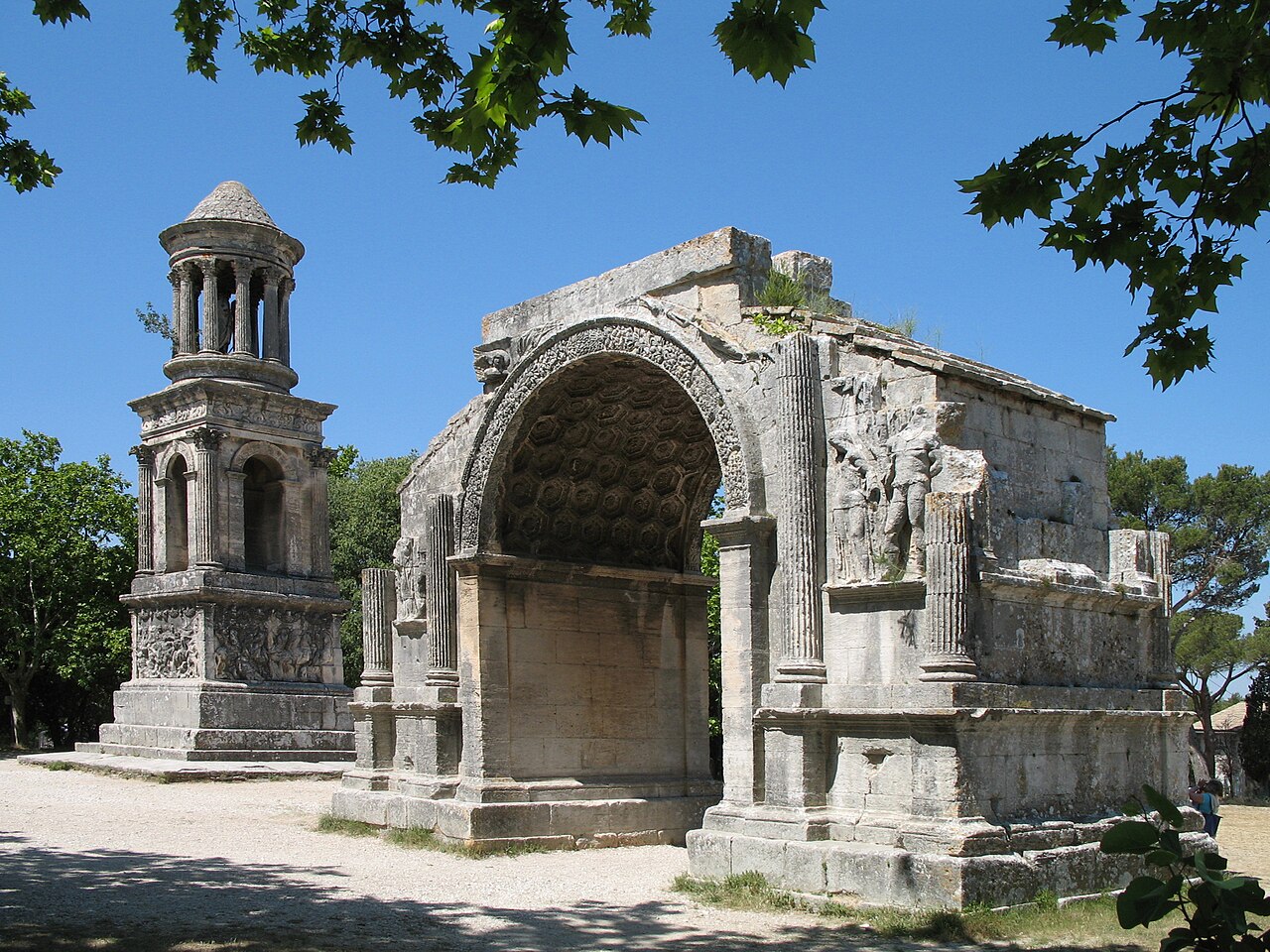
Saint-Rémy-de-Provence
©
Saint-Rémy-de-Provence

Saint-Rémy-de-Provence

Provençal town below Les Alpilles, tied to Glanum's Roman ruins and Van Gogh's asylum year.

Saint-Rémy-de-Provence is a handsome small town at the foot of Les Alpilles, about 40 minutes south of Avignon. It is best known for two things: the Roman ruins of Glanum, just outside town, and the asylum of Saint-Paul-de-Mausole where Van Gogh spent a year and painted some of his most famous works, including The Starry Night.

The town itself is a pleasant grid of plane-tree-lined boulevards, good restaurants, and a lively Wednesday market. The historic centre is compact and walkable; most of the main sights are clustered along the southern edge of town, within easy reach of each other. The Hôtel de Sade in the old town holds the archaeological finds from Glanum, and the Van Gogh walking trail south of town connects the asylum, the Antiques, and the landscapes that inspired his most celebrated paintings. Saint-Rémy makes an excellent base for exploring Les Alpilles and the nearby hilltop villages of Les Baux-de-Provence and Roussillon.

Guide

Eating Out

Saint-Rémy has a genuinely good restaurant scene for a small town — drawn by the same well-heeled Provençal visitors who sustain the Tuesday antique markets and the boutiques. The main concentration is on the Boulevard Victor Hugo and around the Place de la République. Local specialities are those of inland Provence: daube provençale (slow-braised beef), tapenade, ratatouille, and excellent local cheeses.

Olga by Le Bistrot Découverte (19 Boulevard Victor Hugo) is the town's most celebrated address — a lively bistro with a 400-label wine list and a menu that runs from simple salads and charcuterie plates to more ambitious Provençal cooking. Michelin-noted and popular: book in advance in summer.

Le Bistrot de Saint-Rémy (on the main boulevard) is more straightforward — grilled meats, Provençal stews, good local wines — and reliably solid. The terrace is pleasant on warm evenings.

For a light lunch, the covered market on Wednesdays has prepared food stalls selling rotisserie chicken, cheese, and bread that make for an excellent picnic in the plane-tree squares nearby.

Guide

When to Go

Saint-Rémy is at its best in May–June and September–October. The weather is warm enough for outdoor dining and walking, the Alpilles wildflowers (spring) or autumn colours make the countryside beautiful, and the village is busy but not overwhelmed. July and August are hot, crowded, and expensive — the Wednesday market swells to twice its usual size with tourists, accommodation prices spike, and restaurants need bookings weeks ahead.

Winter is genuinely quiet and has its own appeal. The village returns to its Provençal self; the plane tree avenues are bare but dramatic, and the Glanum site and Saint-Paul-de-Mausole are easily visited without crowds.

The Feria of Saint-Rémy, a Spanish-influenced bullfighting festival, runs in August and animates the town considerably. If the spectacle doesn't appeal, it's worth knowing about in advance so you can plan around it.