Gréolières
©
Gréolières

Gréolières

Alpes-Maritimes hilltop village between Riviera and mountains, with stone lanes and a nearby ski station.

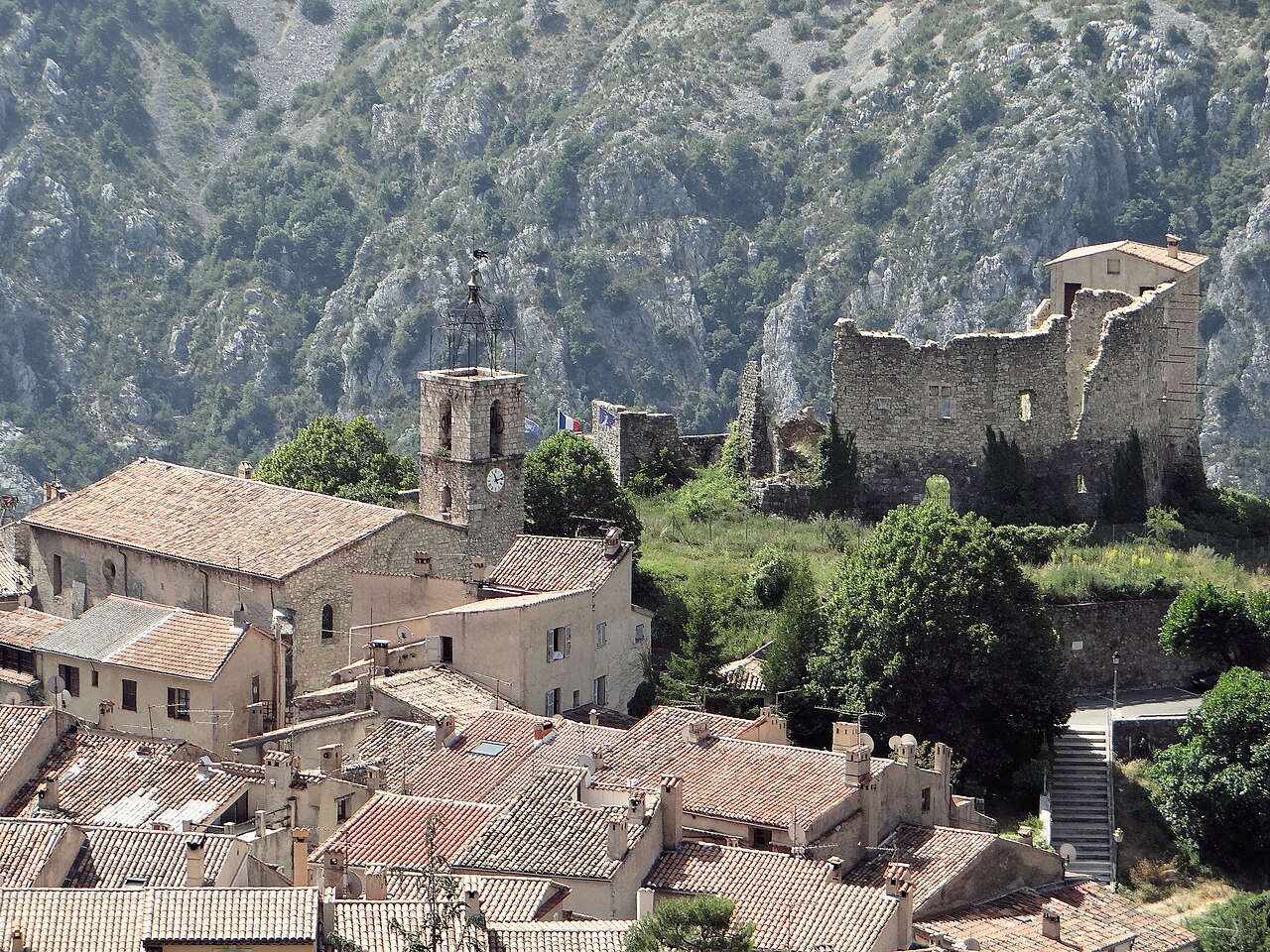
Gréolières is a small hilltop village in the Alpes-Maritimes, sitting at around 800 metres and just 40 minutes from Nice airport. Its position between the coast and the mountains gives it a completely different feel from the Riviera below — stone streets, perched houses, and big views across the pre-Alps. The medieval village centres on the Église Saint-Pierre, a Romanesque church with origins in the 12th century, and the ruined castle above is a reminder that this was once a Grimaldi stronghold.

In winter, the ski station Gréolières-les-Neiges above the village is one of the most accessible resorts in France — close enough to Nice that you can be on the snow within an hour of leaving the seafront. The surrounding countryside offers good walking in the warmer months, with the Gorges du Loup to the southeast and the limestone plateau of Caussols, home to the Observatoire de la Côte d'Azur, a short drive south. The neighbouring village of Cipières, just east on its own rocky spur, sees even fewer visitors and is worth a detour.

Guide

Day Trips

The villages and landscapes within an hour of Gréolières give a good cross-section of inland Côte d'Azur. Vence, in the valley below, is the nearest town with a market, restaurants, and Matisse's famous Chapelle du Rosaire. Gourdon, perched above the Gorges du Loup to the southeast, is the most dramatically situated village in the region and worth visiting despite its souvenir shops. Grasse, the perfume capital of France, is about 20 kilometres south — a working town, not just a tourist attraction, with a serious perfume industry that predates the Riviera by centuries.

For a longer day, the hilltop village of Saint-Paul-de-Vence (down the Loup valley toward the coast) holds the Fondation Maeght, one of the best collections of 20th-century art in France, surrounded by a garden with sculptures by Miró, Calder, and Giacometti. The drive from Gréolières through Coursegoules and down through Vence takes about 35 minutes.

Guide

Getting There

Gréolières is about 40 kilometres northwest of Nice airport and the drive takes 45 to 55 minutes in normal conditions. From Nice, take the A8 motorway west to Cagnes-sur-Mer or Villeneuve-Loubet, then head north on the D2 through Vence and Saint-Paul-de-Vence, continuing on the D2 to Coursegoules and then Gréolières. The final stretch on the D2 above Coursegoules is a narrow mountain road with hairpin bends — manageable at ordinary speeds but not the place to be in a hurry.

There is no rail connection. Bus service is limited: the Lignes d'Azur network runs infrequent services from Vence, but the schedules are not designed for day visitors and the last bus back to the coast can be early. A car is the practical way to visit, and the drive through the Loup valley and up through Vence is a good one in its own right. From Grasse, the approach via the Gorges du Loup and Gourdon is longer but more spectacular.

Guide

Things to Do

Gréolières rewards those who come looking for the Provence that hasn't been polished for tourists. The medieval village itself is the main attraction — wander the stone lanes, look down the valley toward Vence and the sea, and visit the Romanesque church. In winter, the ski station above the village is the headline draw; in summer, the Gorges du Loup to the south and the plateau of Caussols draw hikers and drivers passing through. The neighbouring hilltop village of Cipières, a few kilometres east, makes a natural extension of a day spent in this corner of the pre-Alps.

Guide

When to Go

Gréolières has two distinct seasons and they attract different visitors. In winter — roughly December to March, snow permitting — the village is busiest on weekends when skiers pass through or stay here rather than paying resort prices at the ski station above. Snow at village level is occasional rather than reliable, but the ski station at 1400 metres above almost always has cover by January.

The rest of the year the village is quiet and the surrounding countryside is at its best from April to June, when the scrub and meadows are in flower and the temperatures are cool enough for walking. July and August bring the heat of the Provençal summer, which is less severe at 800 metres than on the coast but still pushes 30°C on the worst days. September and October are ideal: warm, clear, and almost entirely free of visitors. The Gorges du Loup and the plateau of Caussols are particularly good in autumn, when the light is low and the crowds have gone.