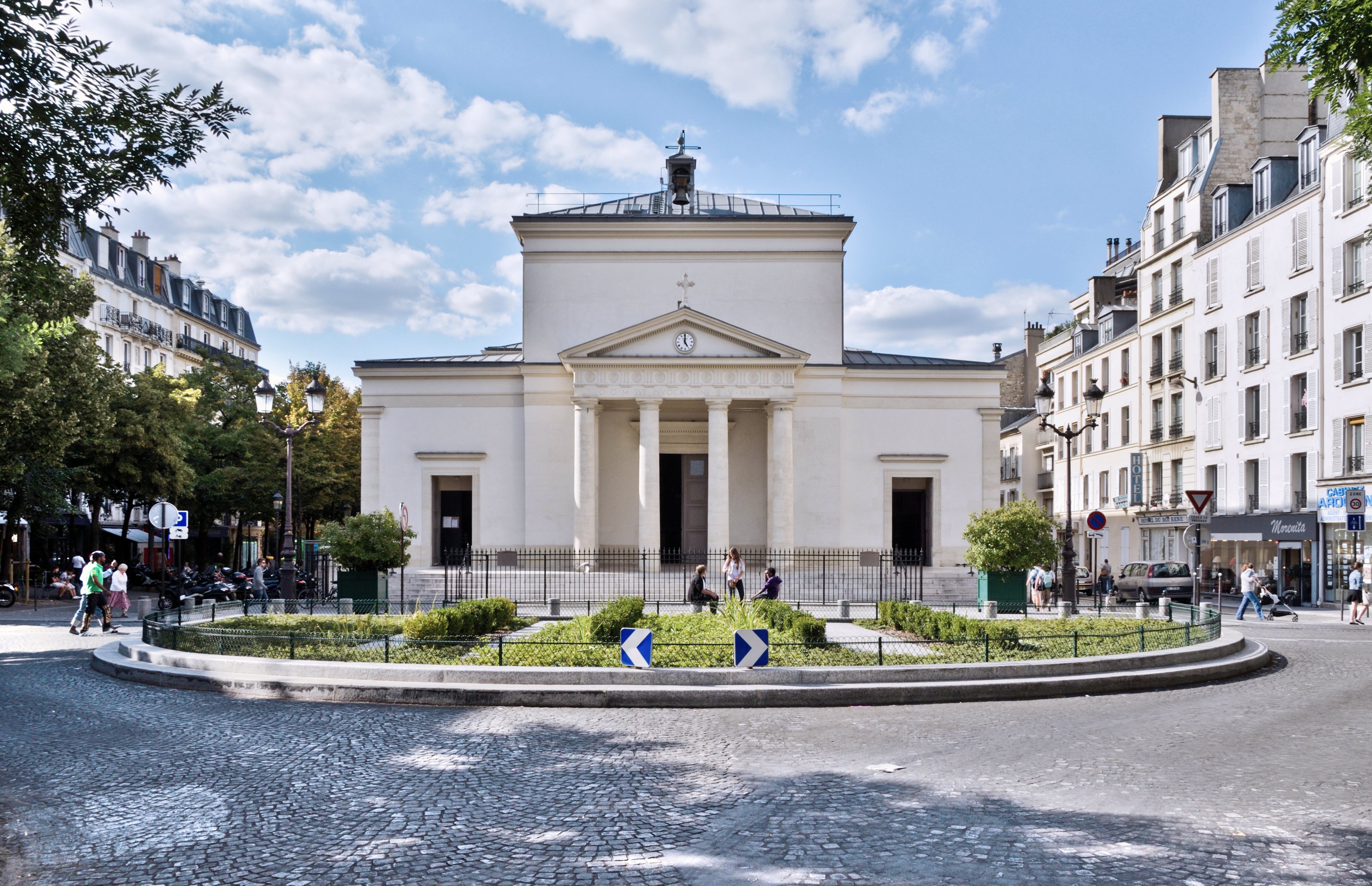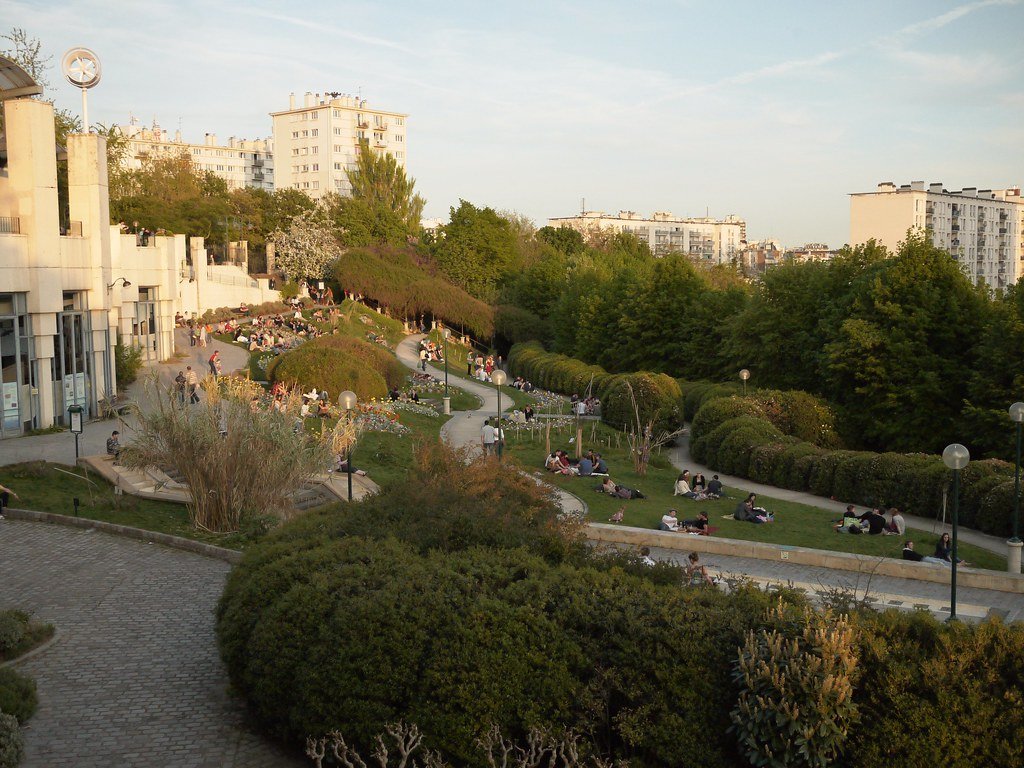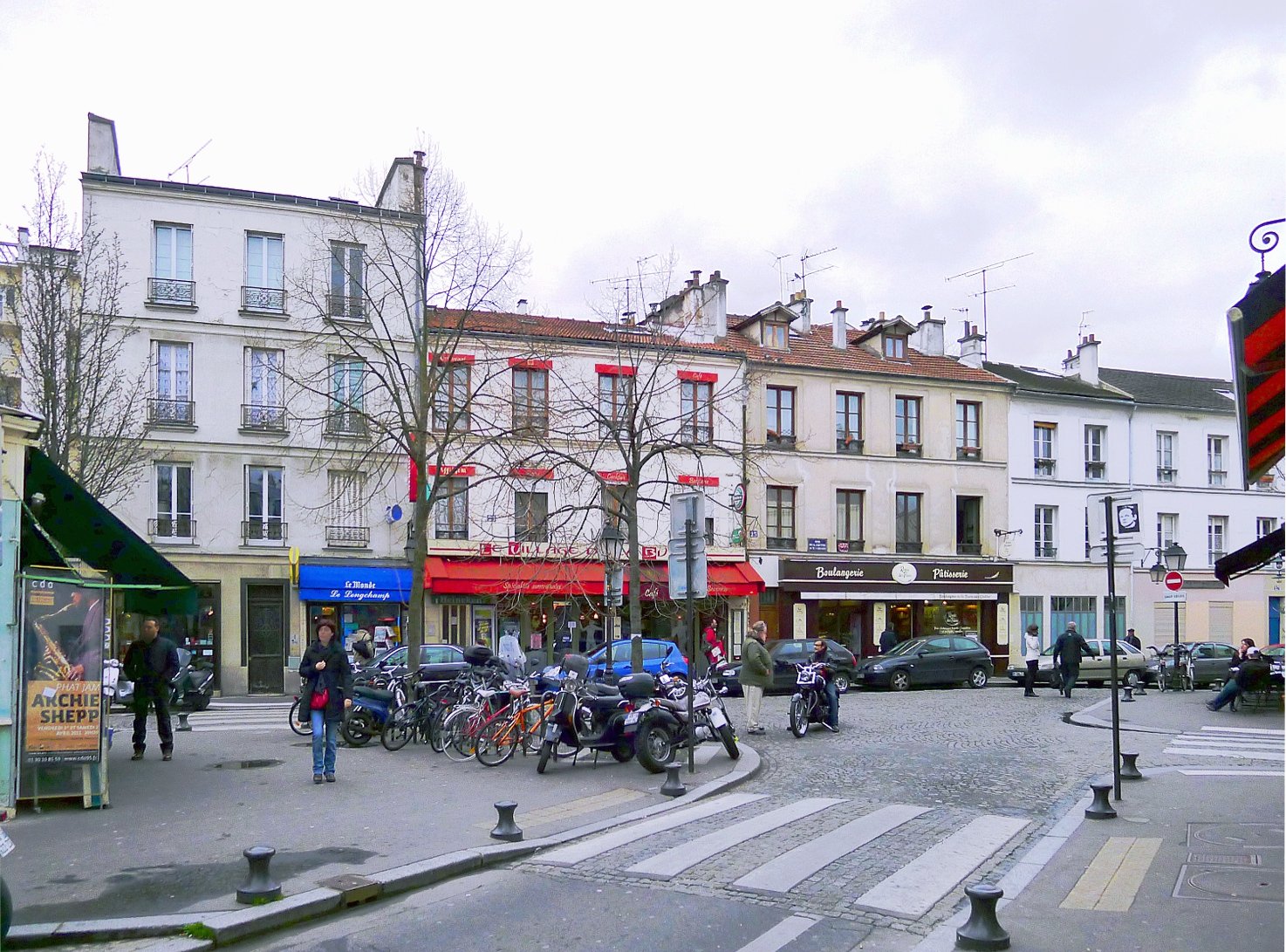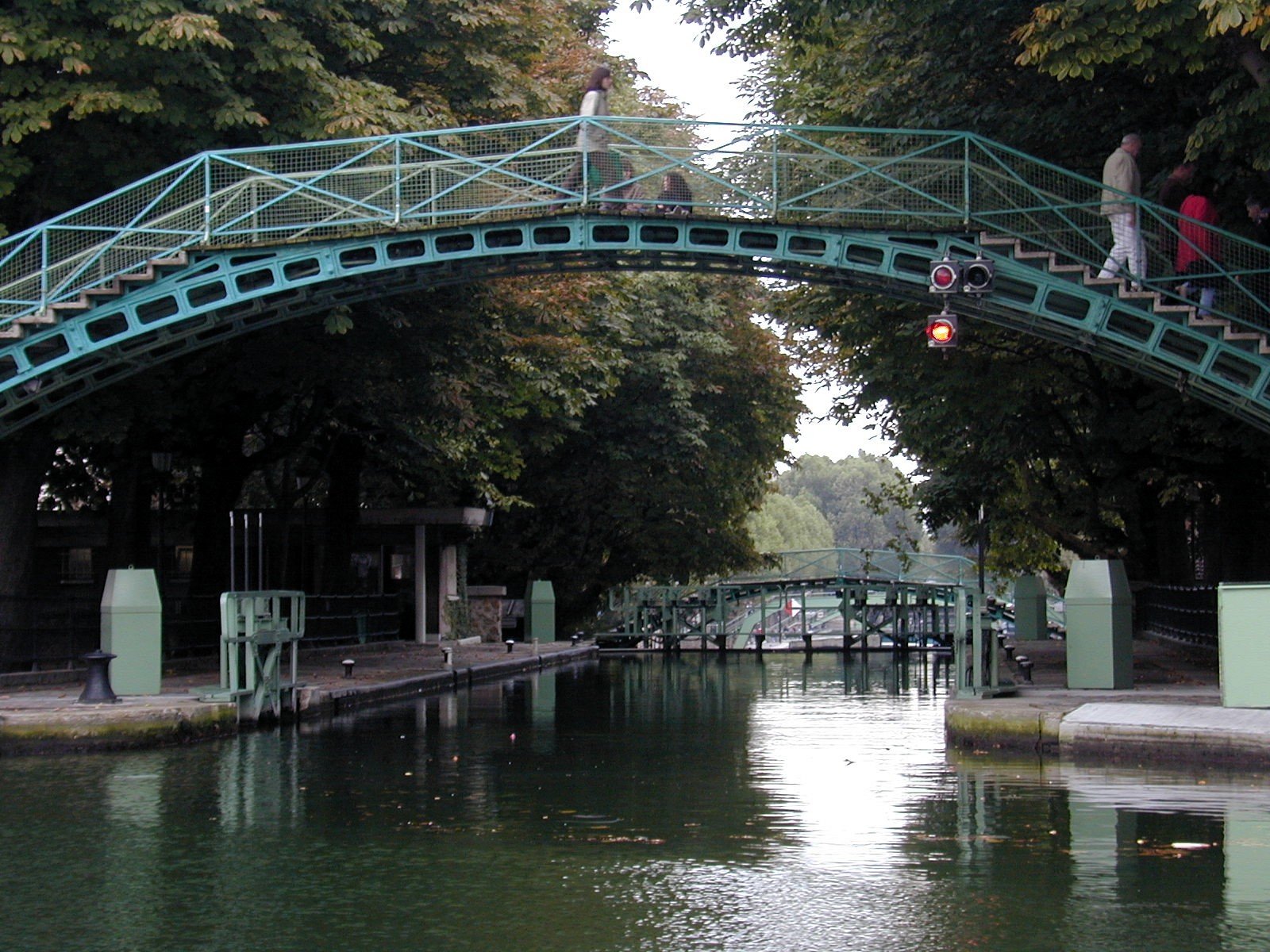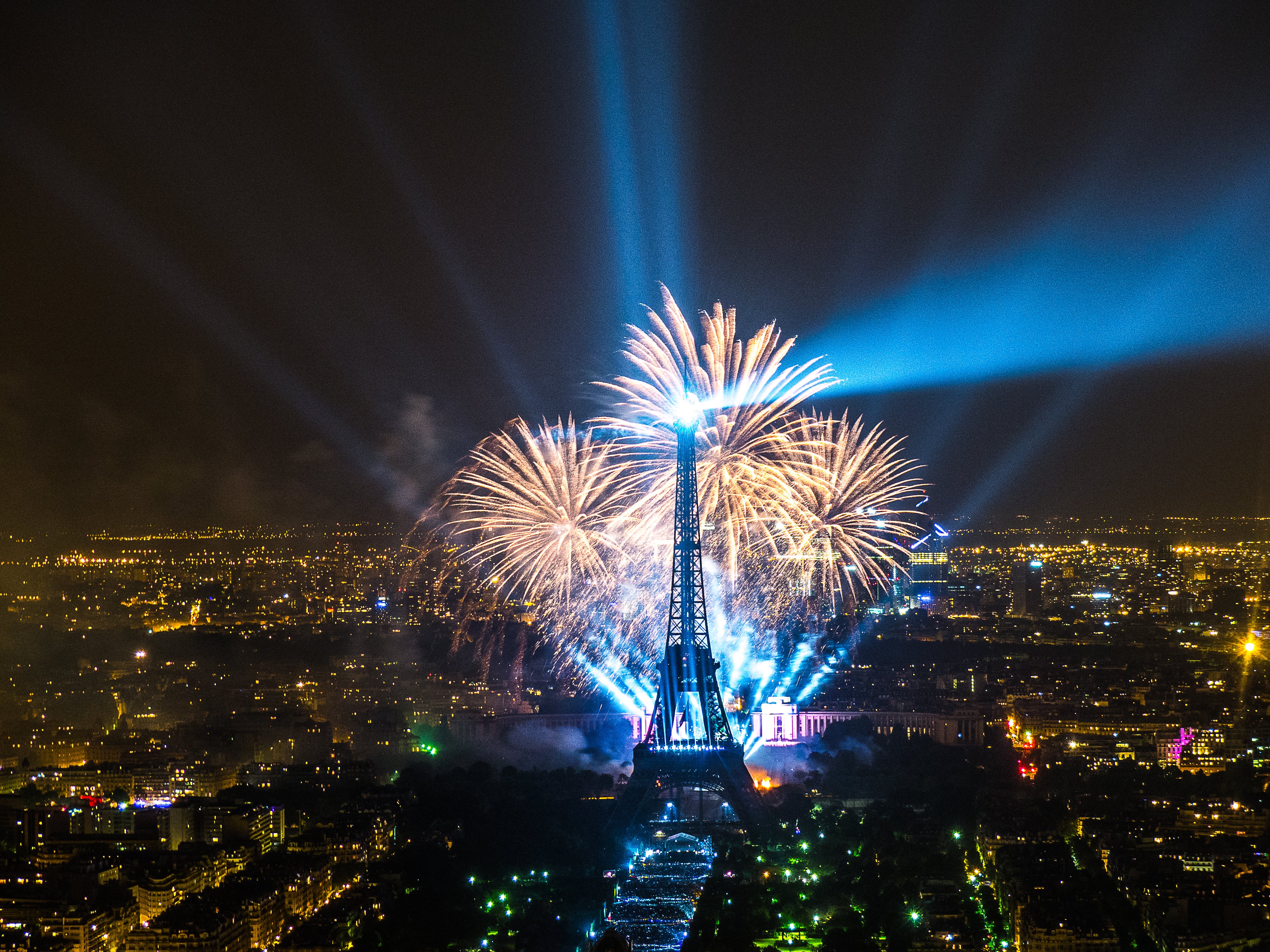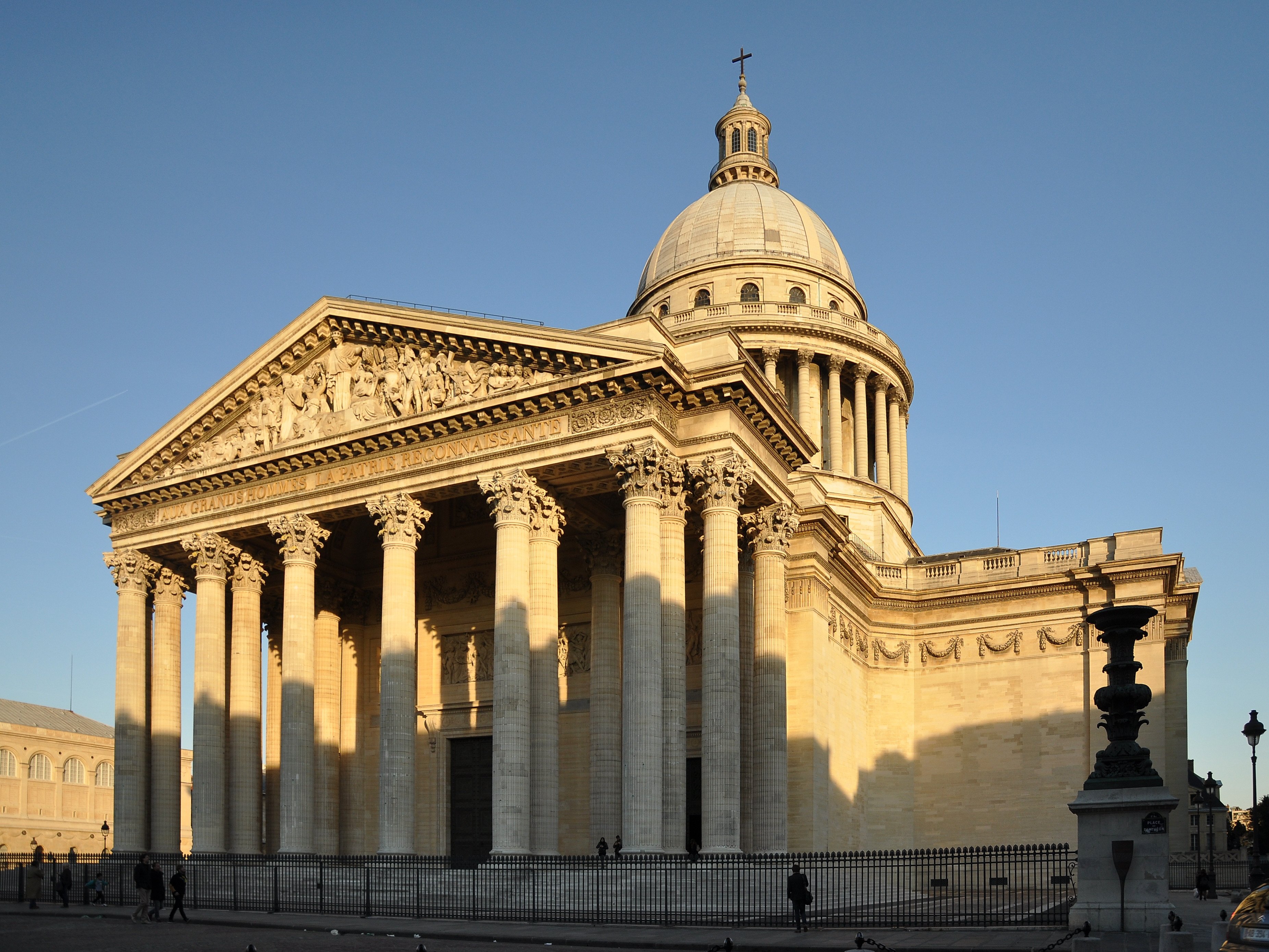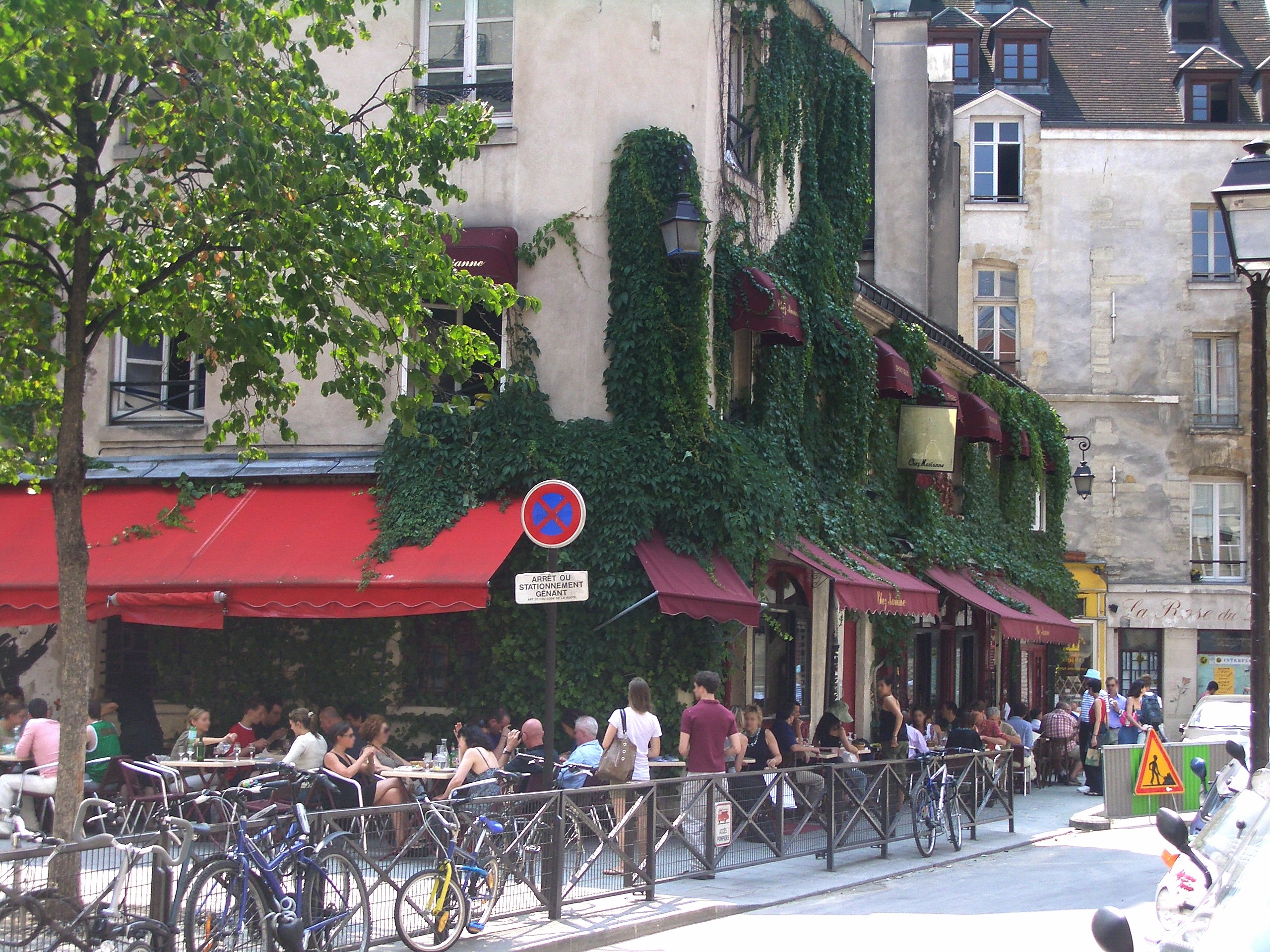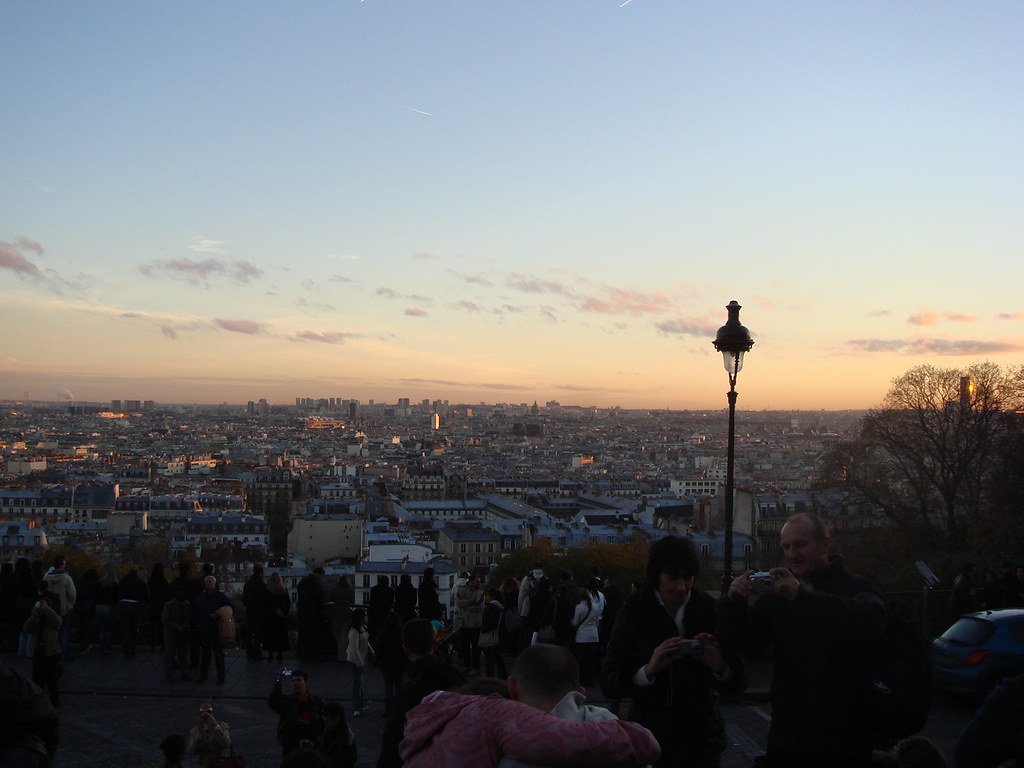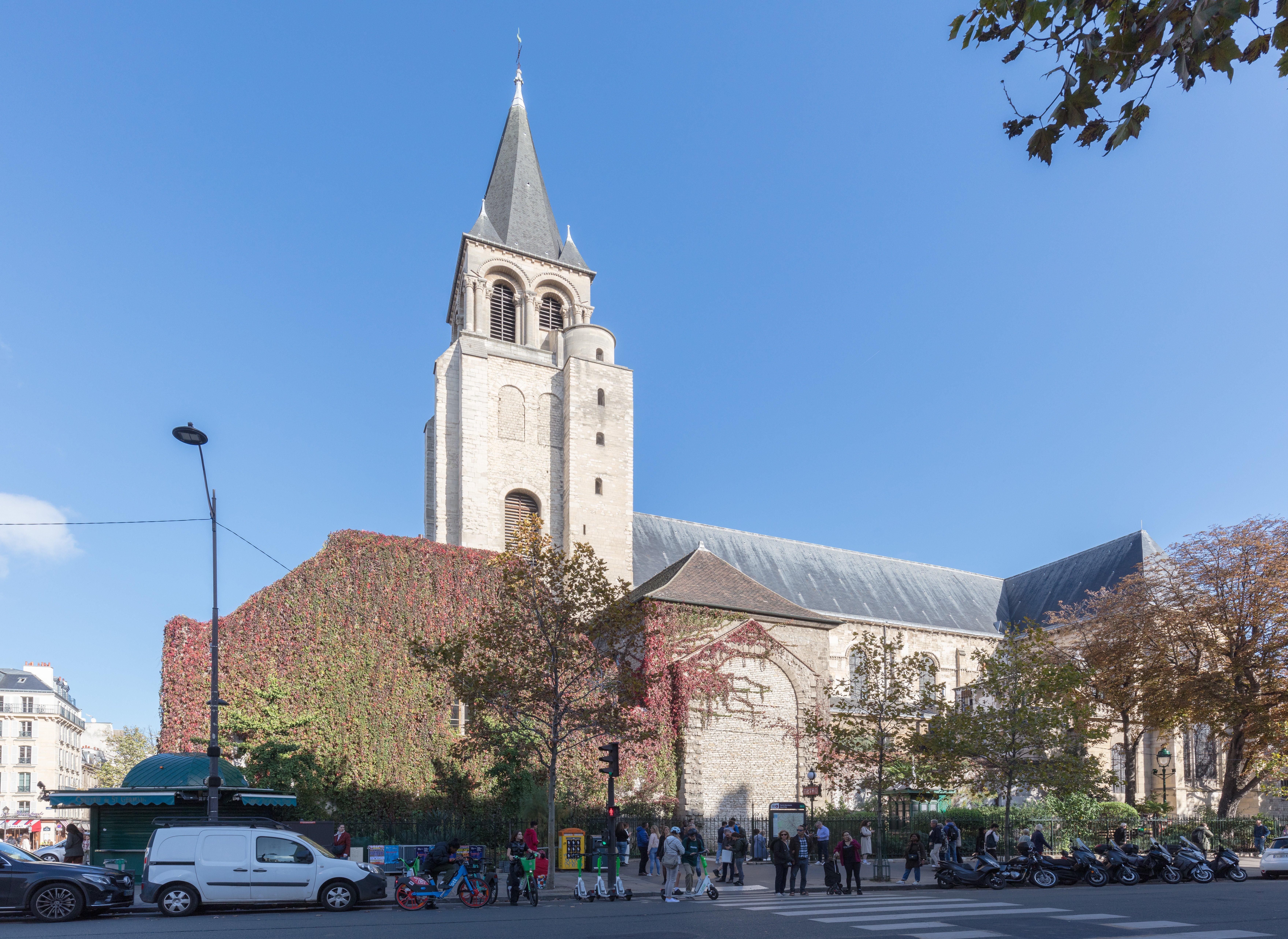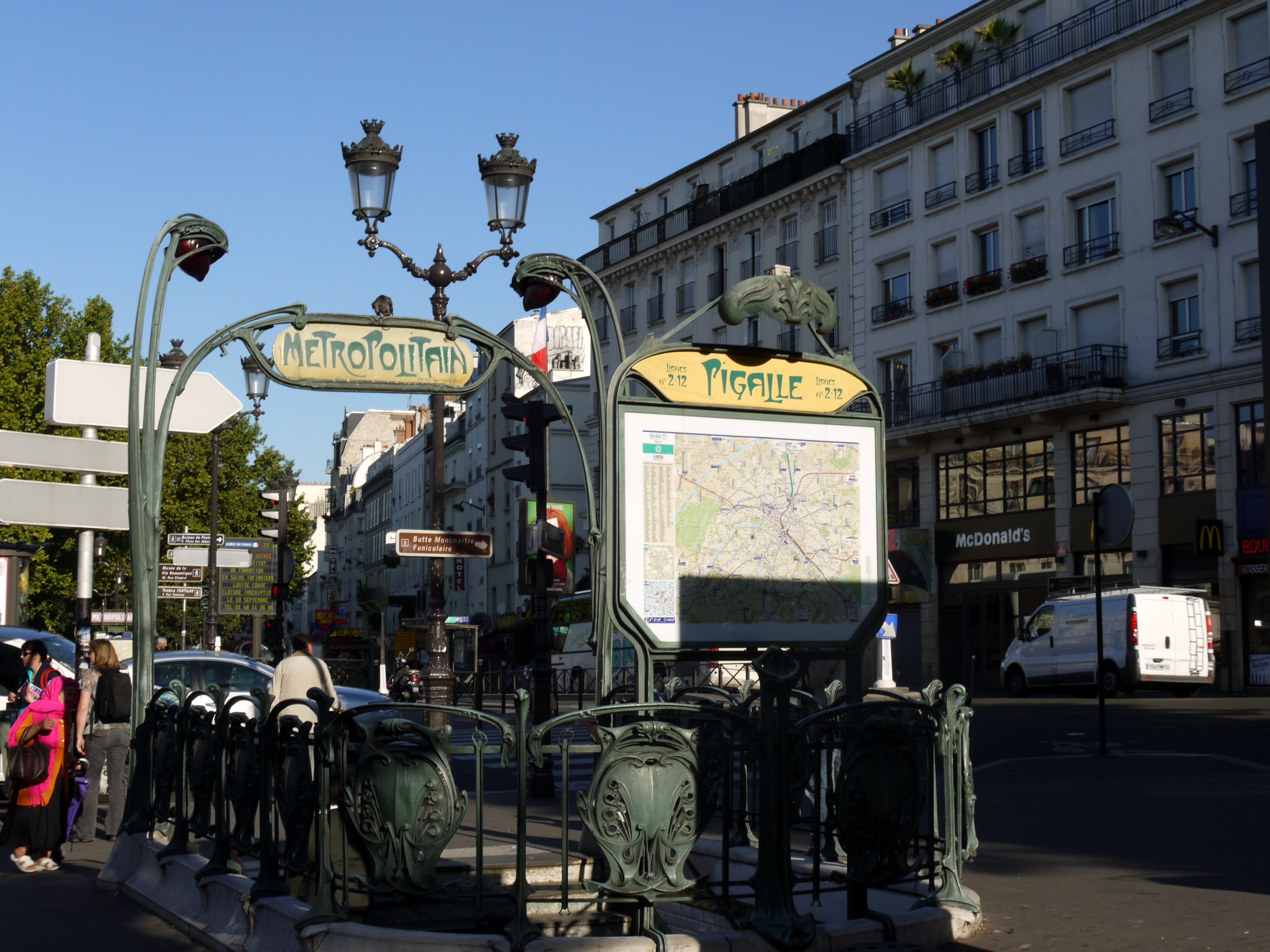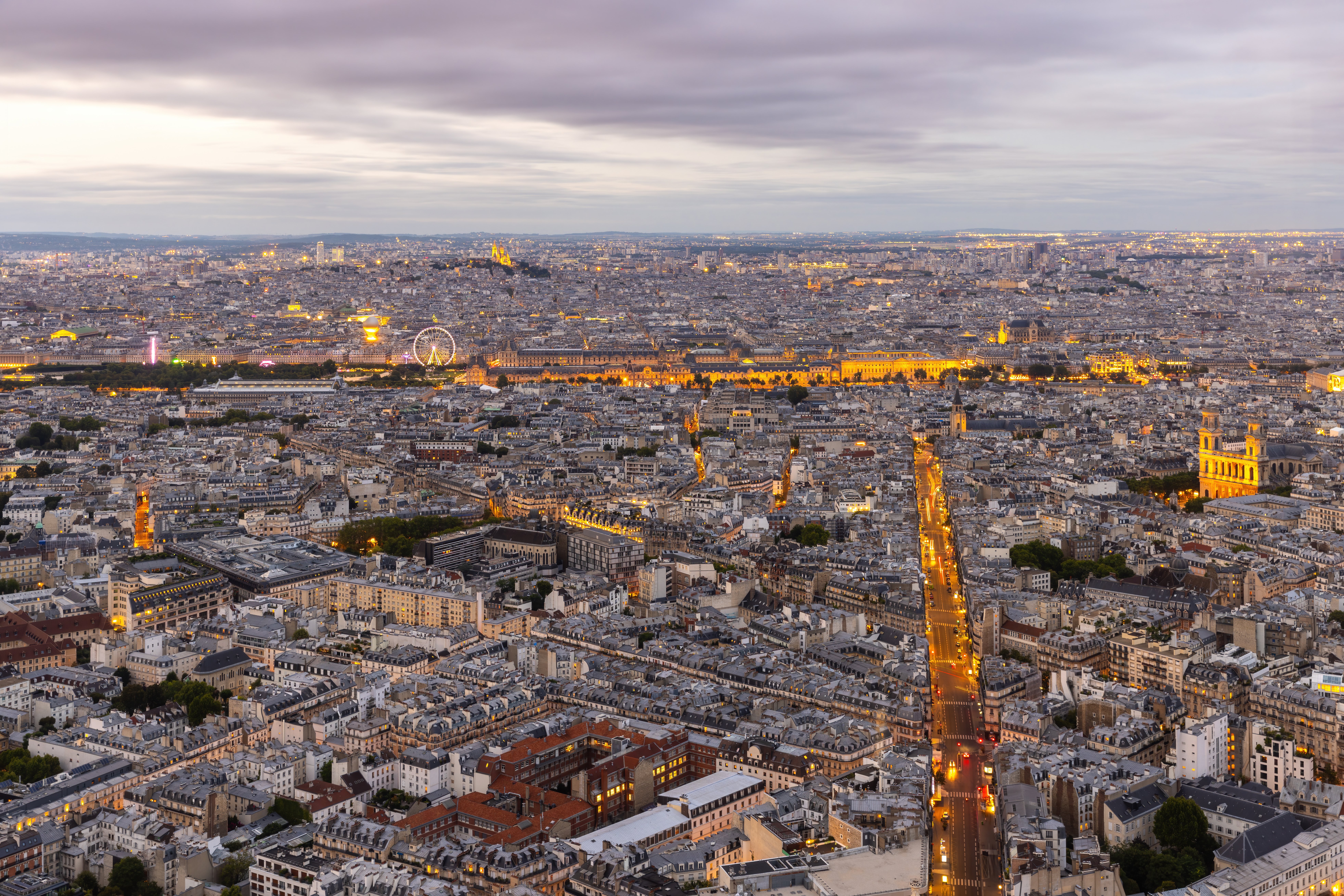
Paris is the most visited city on earth, and familiarity with its image makes it easy to underestimate. You arrive knowing the Eiffel Tower, Notre-Dame, and the Louvre from a thousand photographs, but the city constantly surprises. The quartiers you didn't plan to visit, the food market you stumbled into, the view down a Haussmann boulevard at dusk — these are what stay with you.
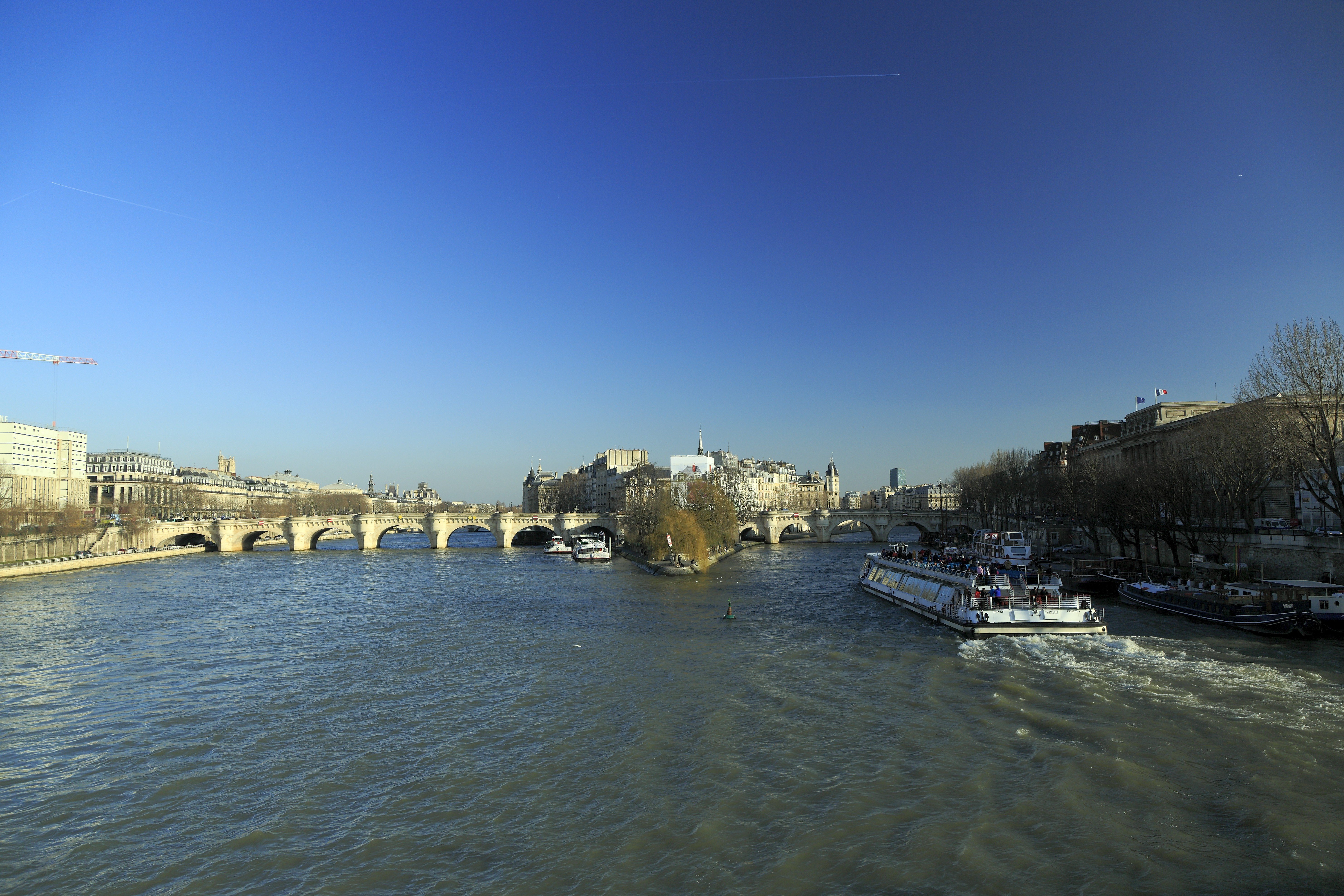
The city divides across the Seine into the Right Bank (Rive Droite) and Left Bank (Rive Gauche). The Right Bank holds most of the grand monuments and the commercial centre: the Louvre, the Opéra, the Champs-Élysées, the Marais. The Left Bank is quieter, more residential, the traditional home of universities, cafes, and publishing houses. This divide is less sharp than it once was, but it still shapes the character of each neighbourhood.
Paris is organised into 20 arrondissements spiralling clockwise from the 1st, which sits at the historic centre around the Louvre and Île de la Cité. The lower numbers are generally central and expensive; the higher numbers — the 18th of Montmartre, the 19th and 20th of Belleville — are more varied, less polished, and often more interesting. The 11th and 12th, east of the Bastille, have become the city's most dynamic restaurant and bar districts over the past decade.
The city rewards those who walk. A Métro journey that takes ten minutes on foot can give you nothing; the same walk, across a bridge, through a market, past a church you'd never have found otherwise, can be the best part of the day. Buy a carnet of Métro tickets for longer distances, but default to walking whenever the distance is reasonable.
Paris in August is a different city: many Parisians leave for the month, and some restaurants and shops close. This has its advantages — parking is free, crowds at the major monuments are somewhat thinner, and the pace of the city slows to something more manageable. Spring (April–June) and autumn (September–November) are the best times to visit: mild weather, good light, and the city in full daily rhythm.
Getting Around
The Métro is fast, cheap, and goes almost everywhere. A single ticket covers the entire zone 1–2 metro and bus network within Paris. The Paris Visite pass offers unlimited travel including RER lines to the airports and Versailles. Taxis are plentiful but expensive; Uber operates widely. Cycling has improved dramatically with the Vélib' bike-share network and a growing protected lane network, though traffic remains aggressive on main roads.
Sections
- Things to Do — museums, monuments, parks, and neighbourhoods
- Eating Out — from three-star restaurants to the best baguette in the city
- Bars & Cafes — historic cafes, wine bars, and cocktail joints
- Shopping — department stores, flea markets, and specialist shops
- Getting There — airports, trains, and arriving by Eurostar
- Getting Around — Métro, bus, cycling, and walking
- When to Go — climate and the best seasons
- Day Trips — Versailles, Fontainebleau, Chantilly
- Books — what to read before you go