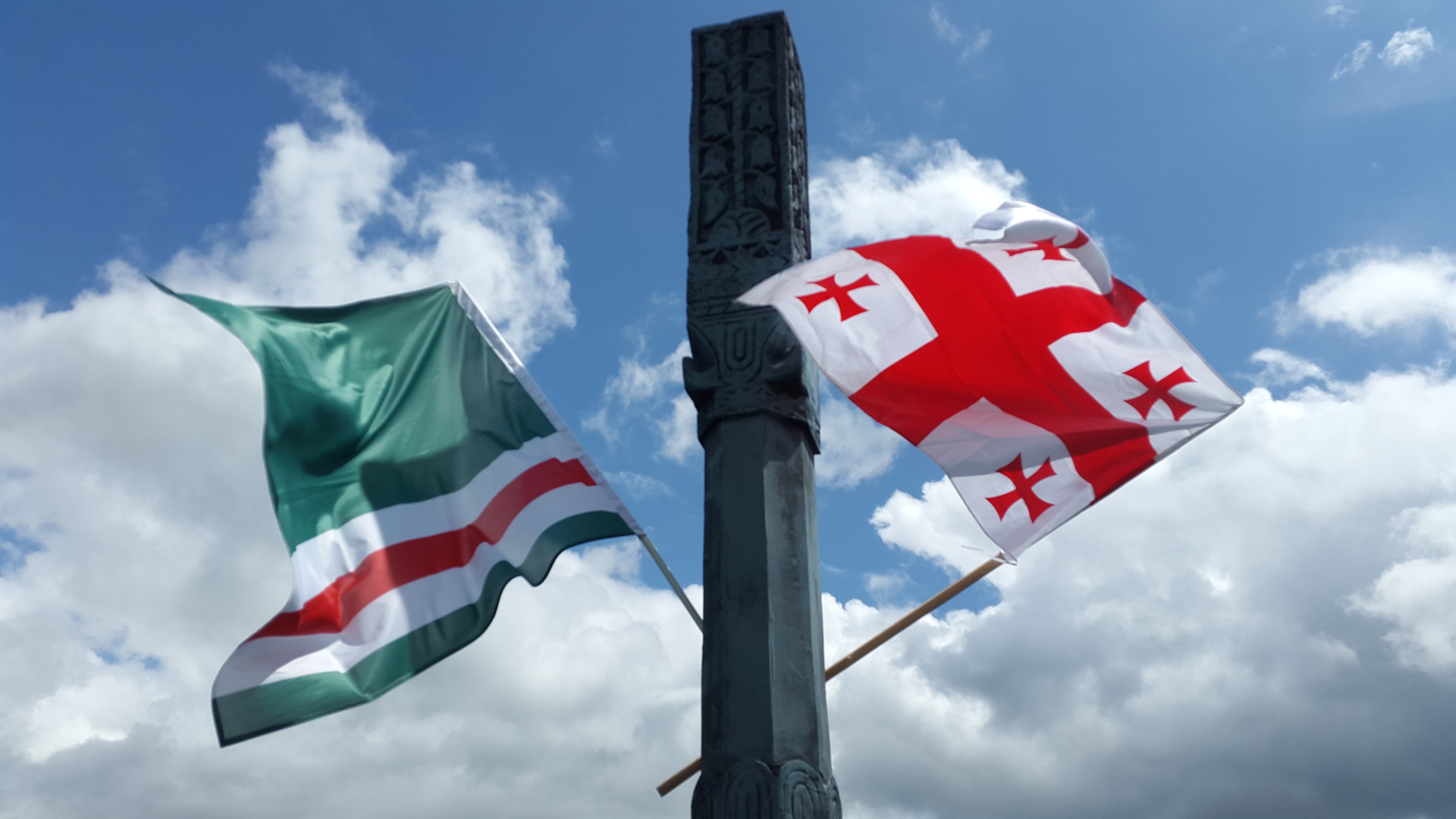
The Pankisi Gorge is a narrow valley in the Caucasus mountains of north-eastern Georgia, about 25 km north of the town of Akhmeta in the Kakheti region. It has been in the international news for the wrong reasons — in the years after the Chechen wars it became a refuge for Chechen families fleeing the conflict, and it developed a brief and sensationalised reputation as a no-go zone — but the reality on the ground today is very different. Pankisi is a quiet, strikingly beautiful valley of small villages, terraced fields, and walnut groves, inhabited primarily by the Kists, a Georgian Muslim community of Chechen descent who have lived here for more than a century and a half.
The gorge is becoming a draw for hikers and cultural travellers who want to see a part of Georgia far from the wine-tour circuit. The valley is the main starting point for treks into the Tusheti National Park, one of the wildest and most remote protected areas in the Caucasus — a landscape of alpine meadows, conifer forests, crystal-clear mountain lakes, and the stone defensive towers of the old Tushetian villages. The multi-day horse or foot trek over the Atsunta Pass (3,431 m) from Pankisi into Tusheti is one of the classic mountain crossings in Georgia, passable from late June to September.
In the gorge itself, the villages of Duisi, Jokolo, and Birkiani are worth walking between: old Kist houses with carved balconies, small mosques alongside the ruins of medieval Georgian churches, and a tradition of Sufi Islam (both male and female Sufi brotherhoods) that is unusual in the region. Several families in Duisi and Jokolo now offer guesthouse accommodation and home-cooked Kist food — a mix of Georgian and Chechen traditions.
Pankisi is reached by marshrutka from Akhmeta (20 minutes), which in turn is connected to Tbilisi by bus (2.5 hours). Come prepared for mountain weather even in summer, and with an open mind: this is one of the most culturally interesting valleys in the Caucasus, and one where a little effort pays off enormously.