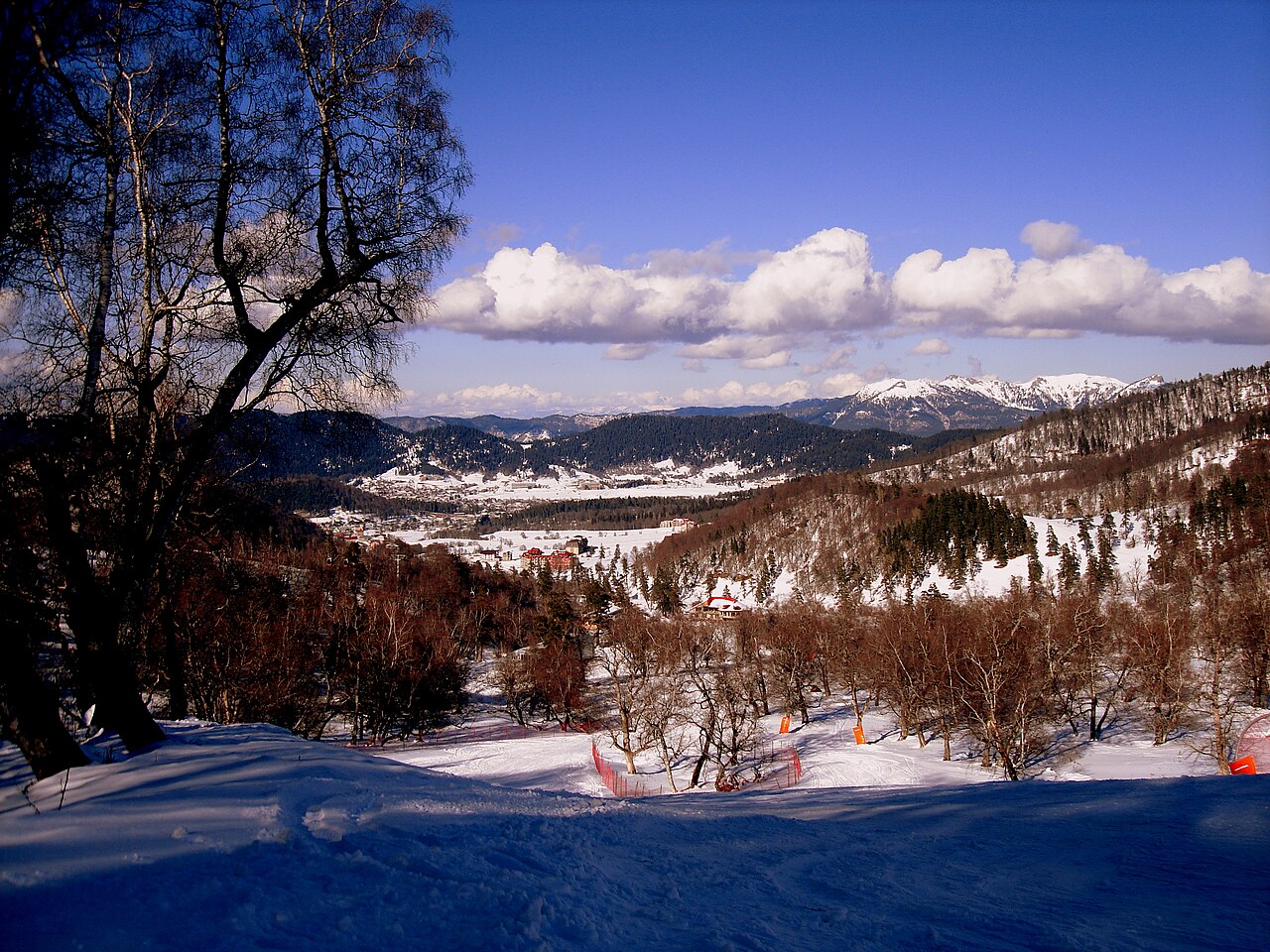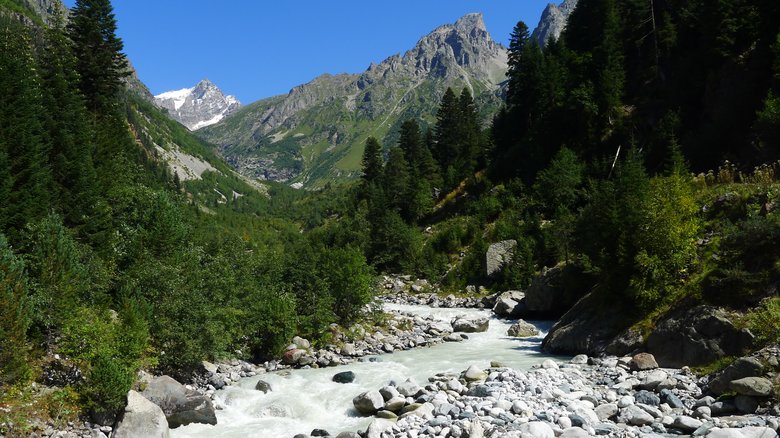
Georgia sits at the crossroads of Europe and Asia, tucked between the Greater Caucasus mountains in the north and bordered by the Black Sea to the west, Turkey to the south, Armenia and Azerbaijan to the south and east, and Russia to the north. It is a small country — about the size of Ireland — but remarkably varied: subtropical coastline, glaciated high peaks, arid semi-desert, and deep river gorges all within a few hours' drive of each other.
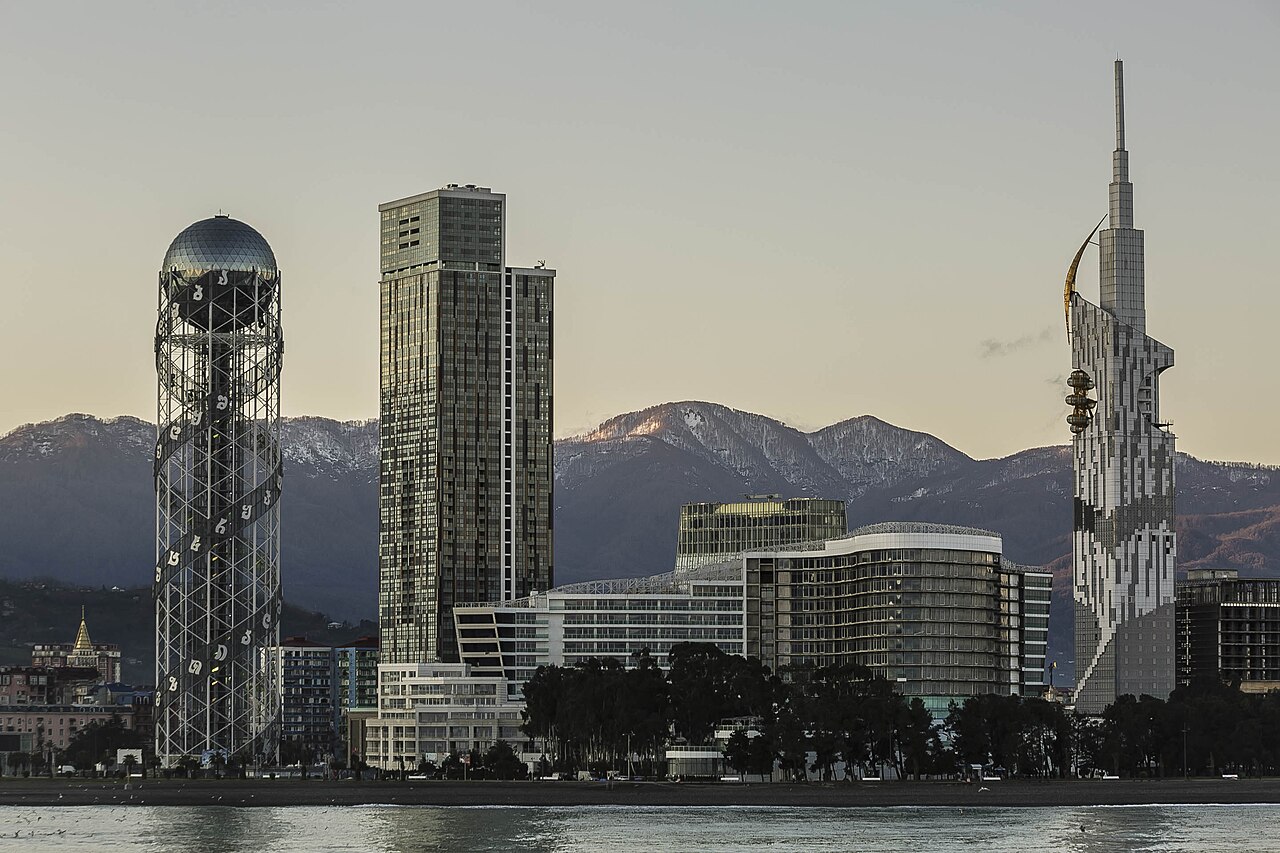
The country has been Christian since the 4th century, which makes it one of the oldest Christian nations on earth. Centuries of Persian, Arab, Mongol, Ottoman, and Russian rule have left their mark without erasing the core of Georgian culture: its language (with its own unique alphabet), its food, its wine-making tradition going back 8,000 years, and its fierce sense of hospitality. Georgians invented the word for "guest" before they invented the word for "stranger," or so the saying goes.
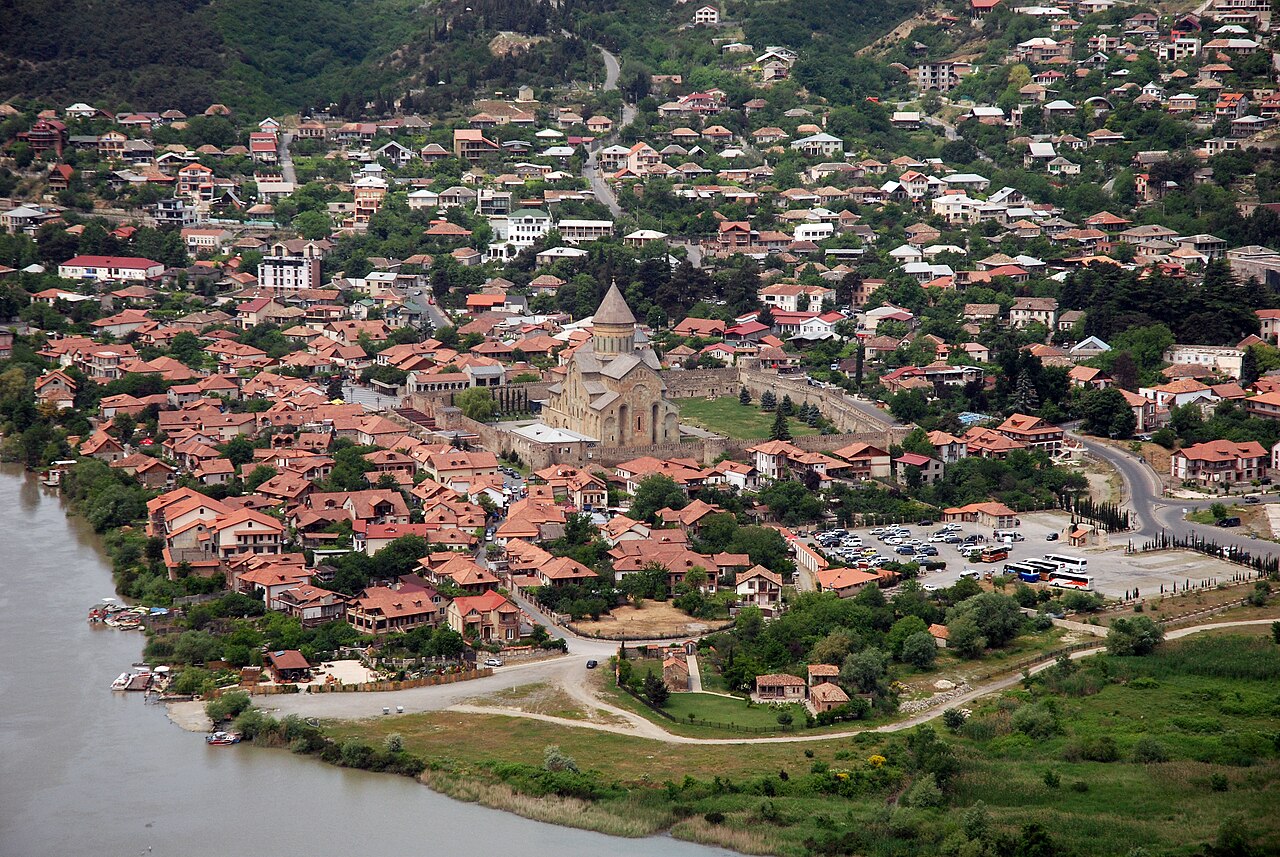
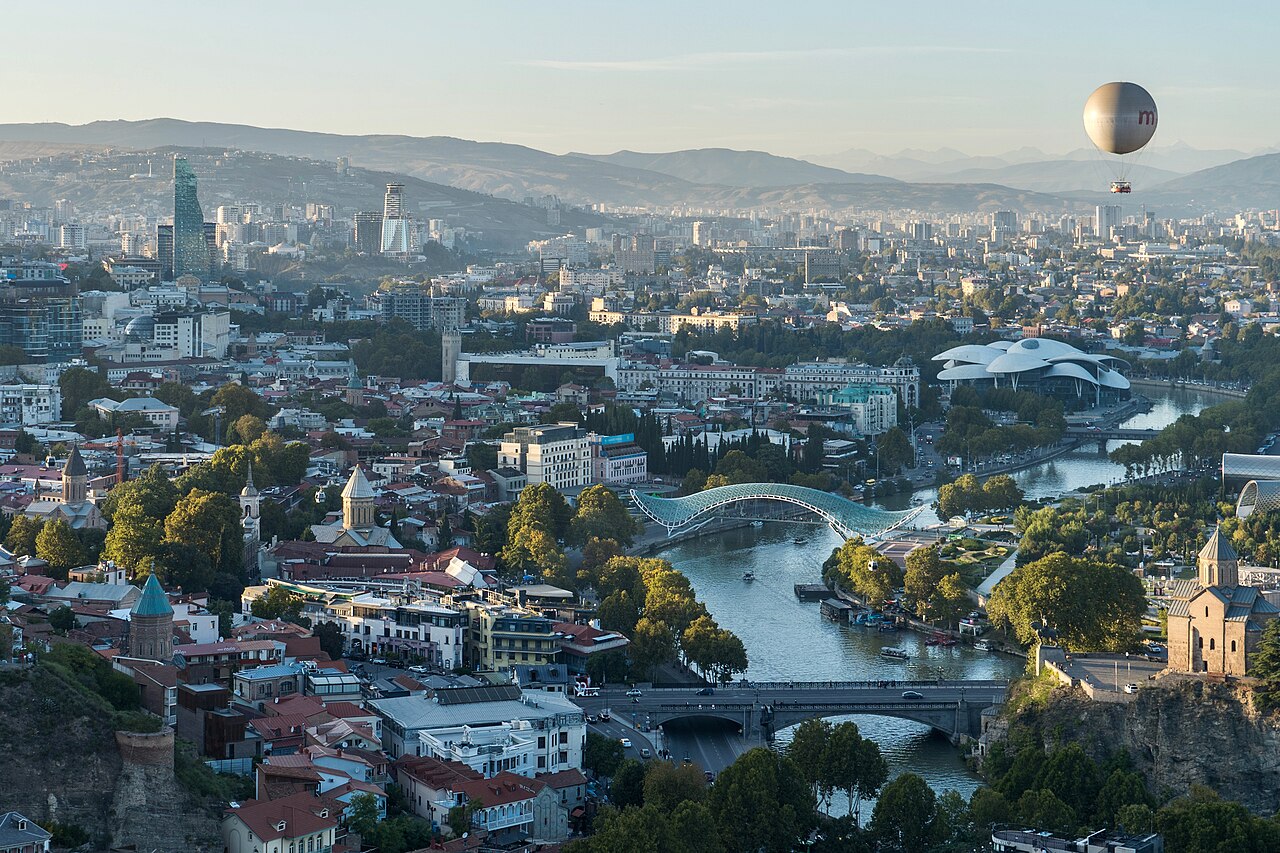
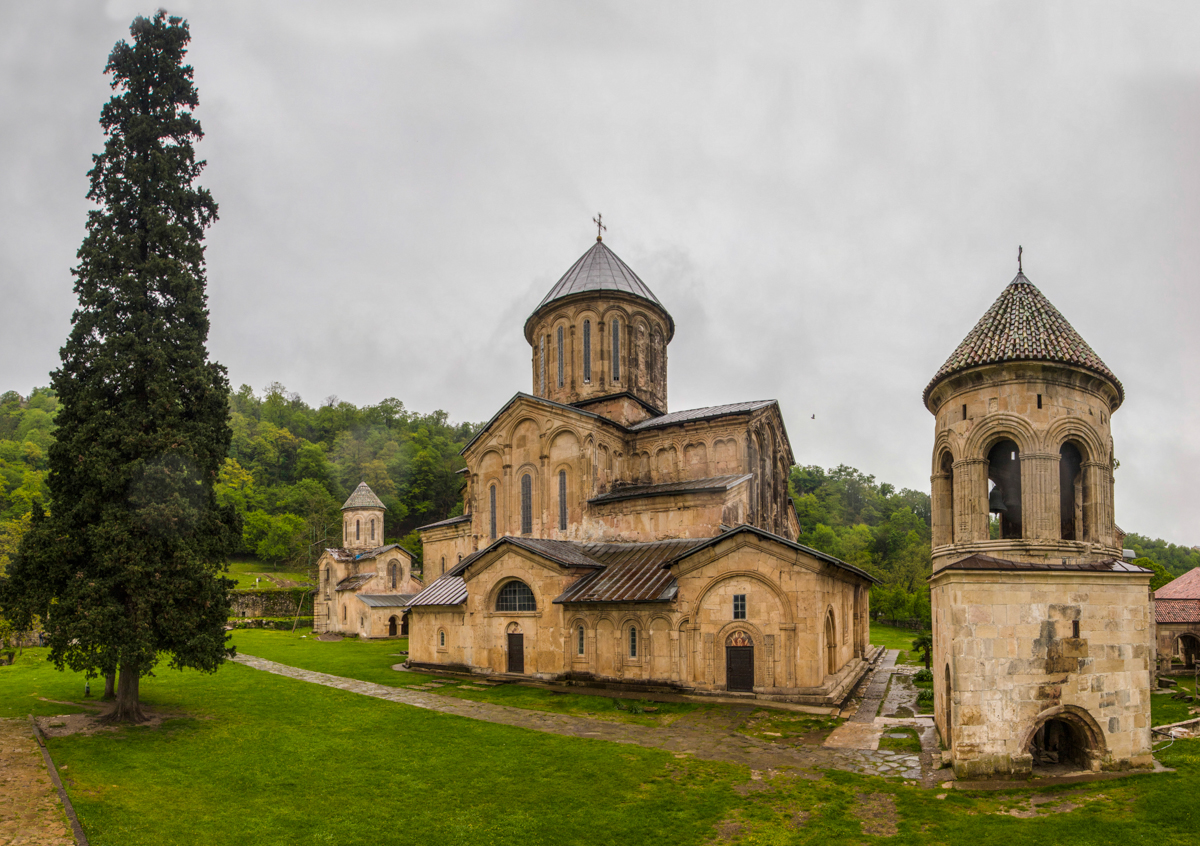
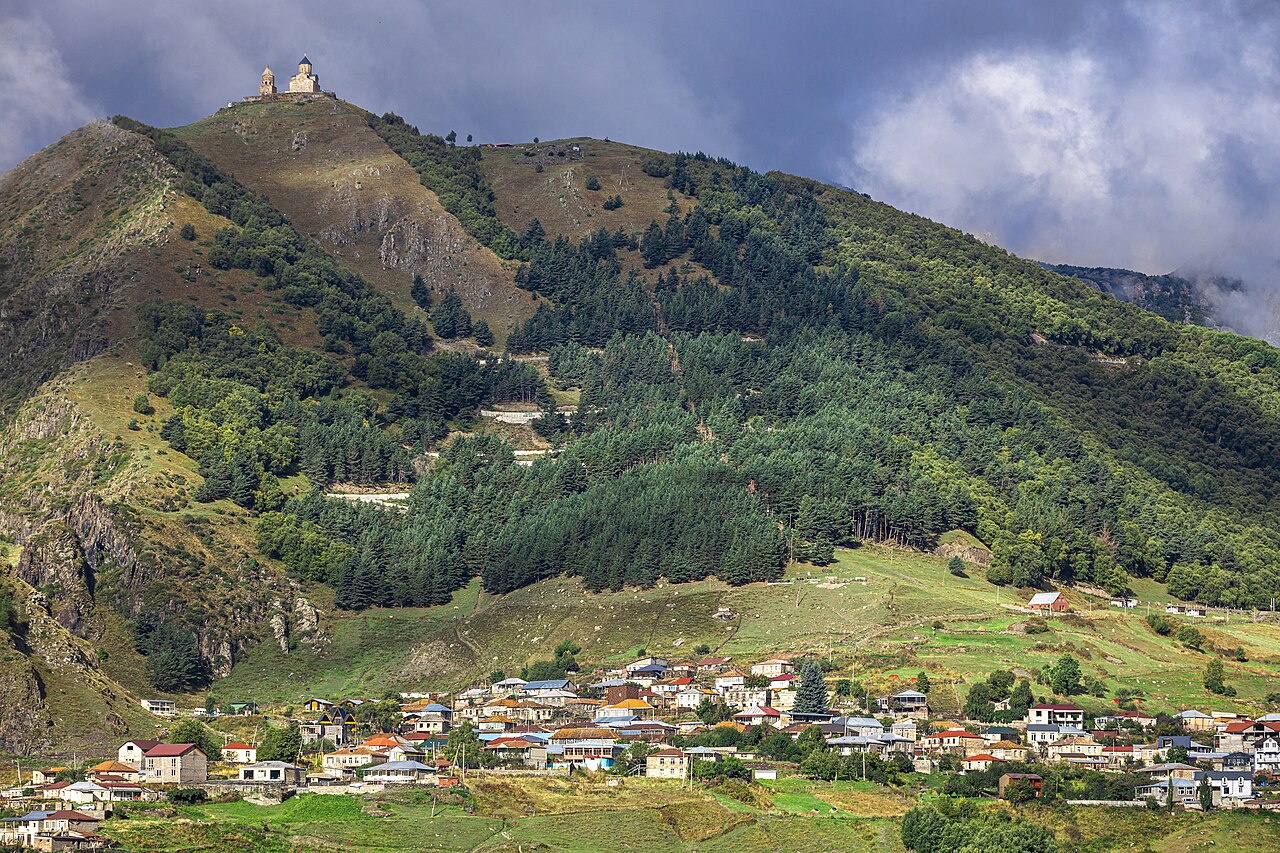
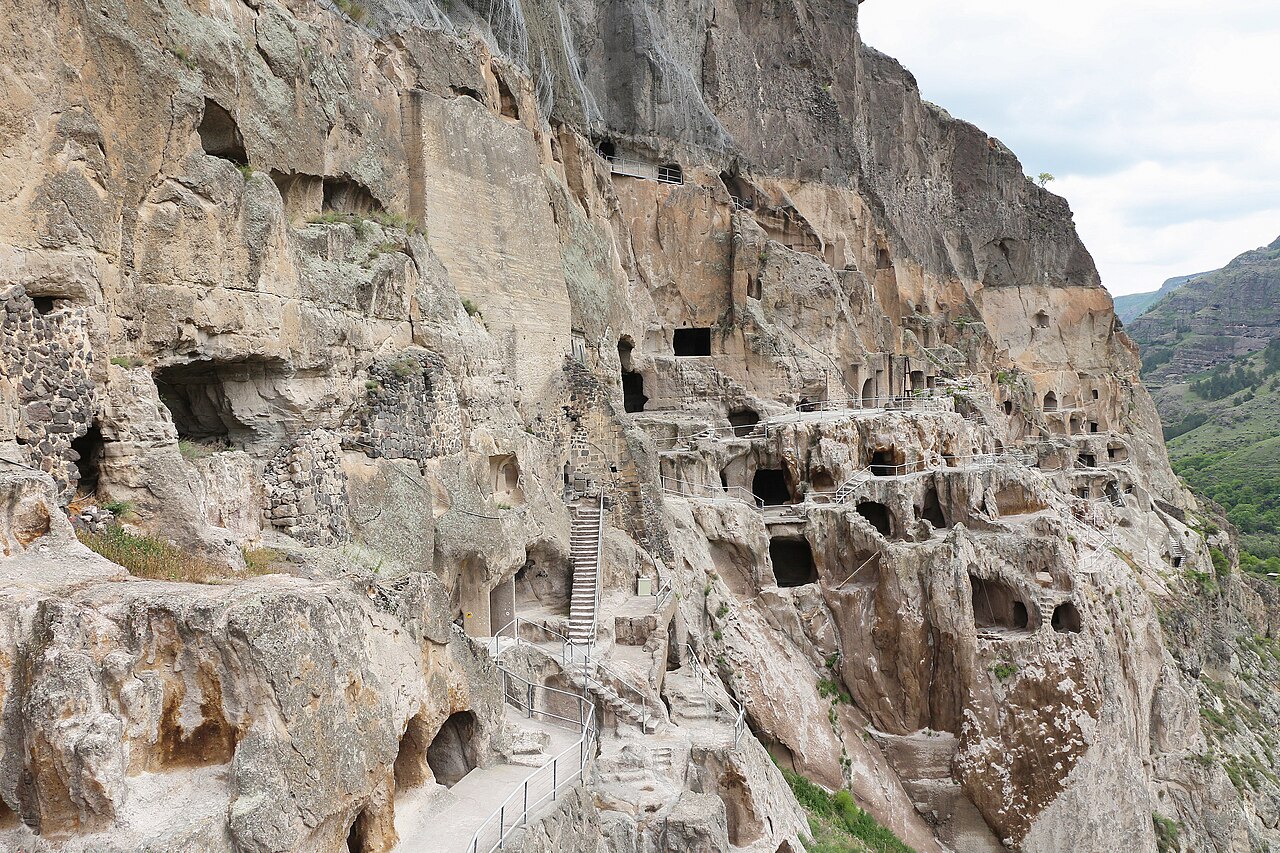
Georgia was a Soviet republic until 1991. Independence brought hard years — civil wars, energy shortages, loss of territory to breakaway regions — but the country has stabilised and today receives more than five million visitors a year. Tbilisi is a genuinely exciting city, its old town and sulfur baths still intact alongside a thriving cafe and wine-bar scene. The mountain town of Kazbegi and the wine country of Kakheti draw most visitors outside the capital. Older monuments — the rock monastery of Vardzia, the medieval complex of Mtskheta, the Gelati monastery near Kutaisi — reward those who venture further.
Two regions remain outside Georgian government control: South Ossetia (Russian-administered since the 2008 war) and Abkhazia. Neither is accessible to ordinary tourists.