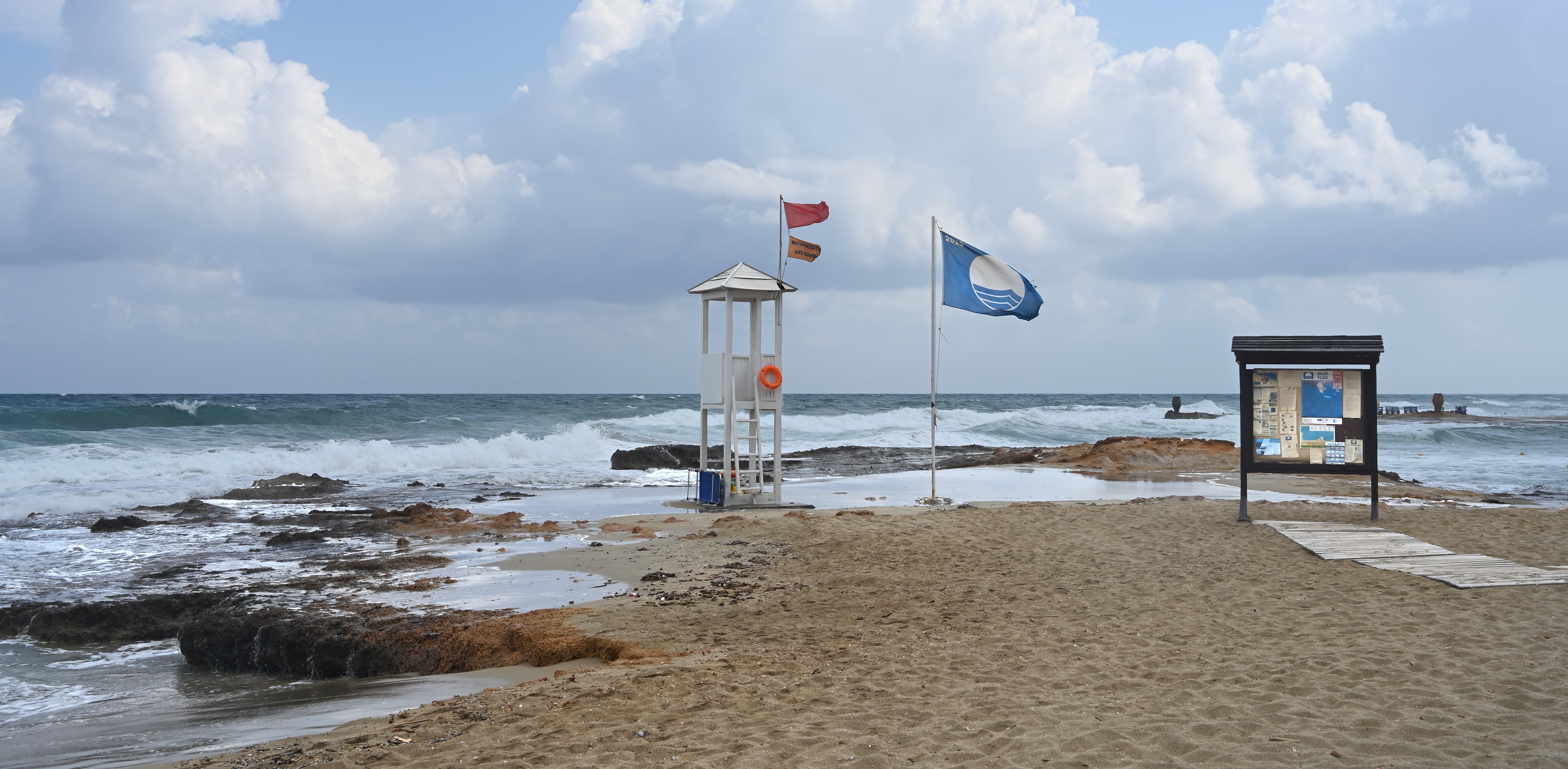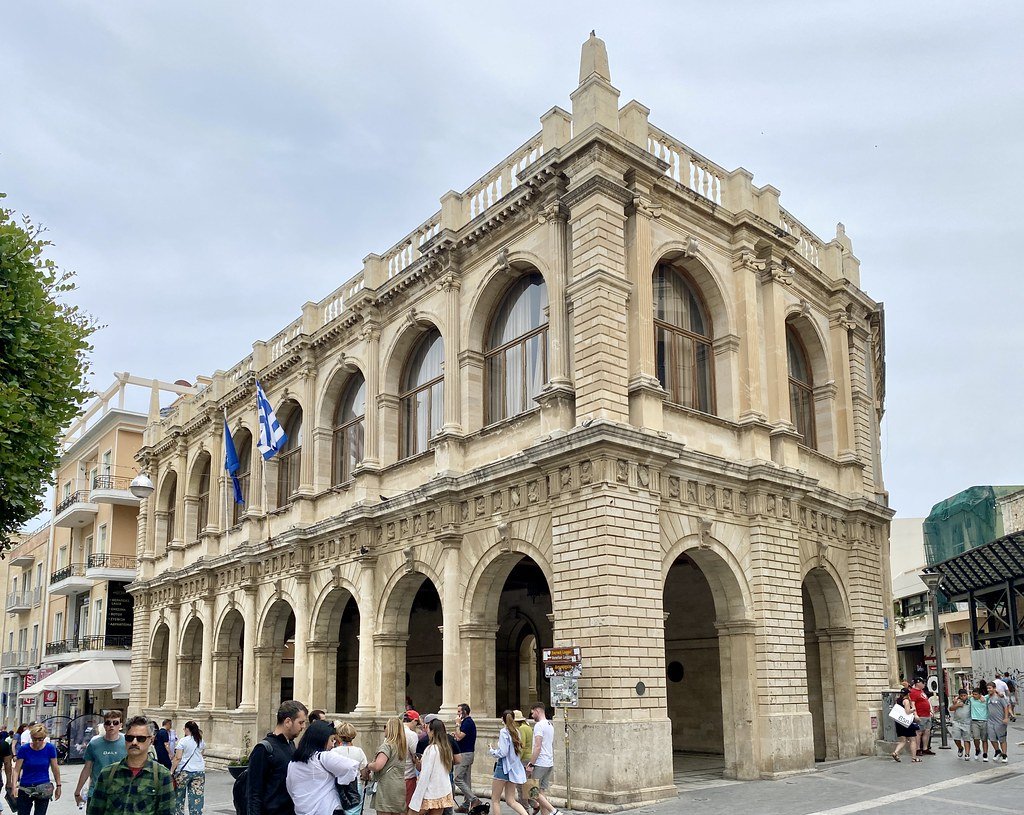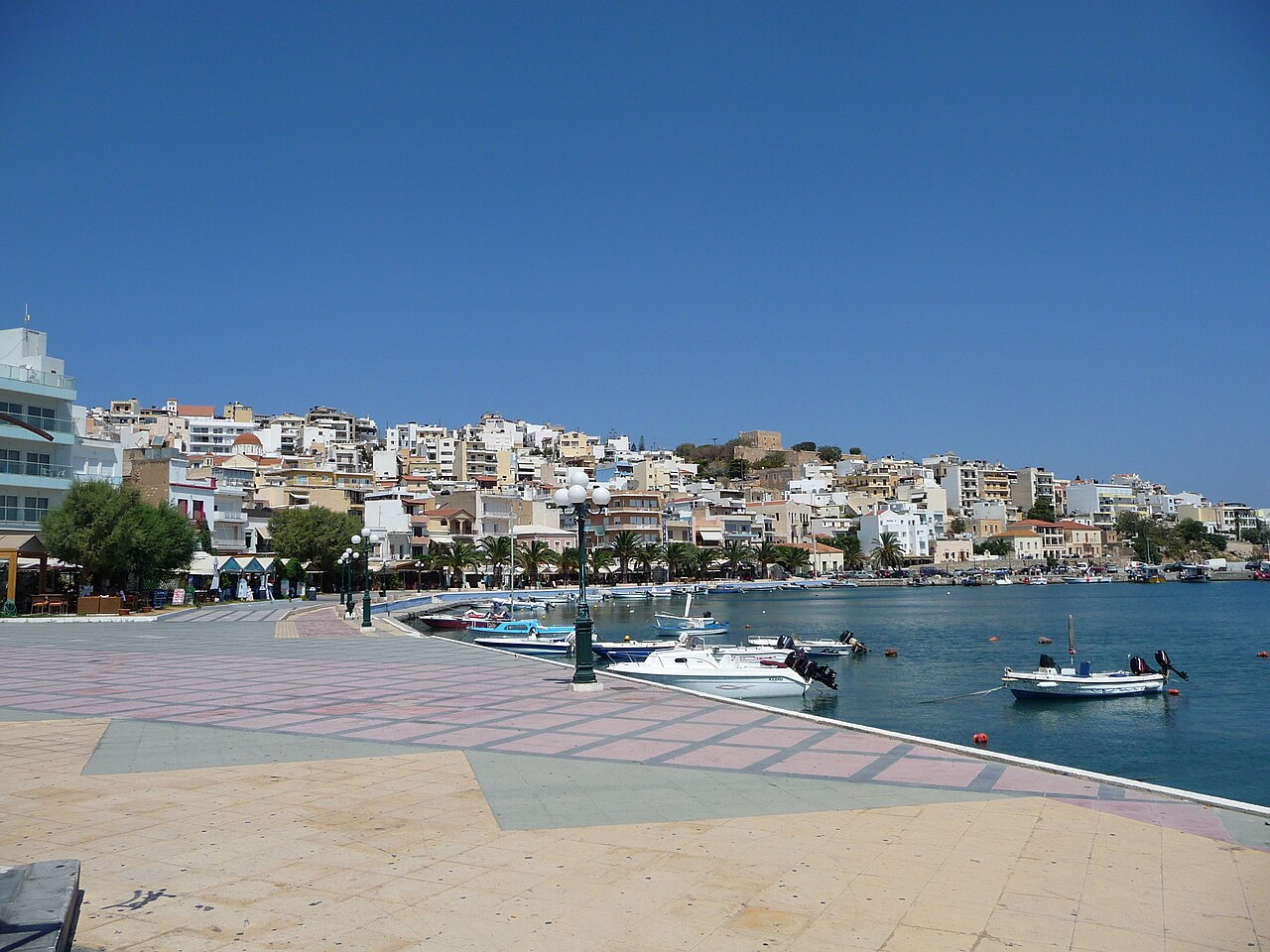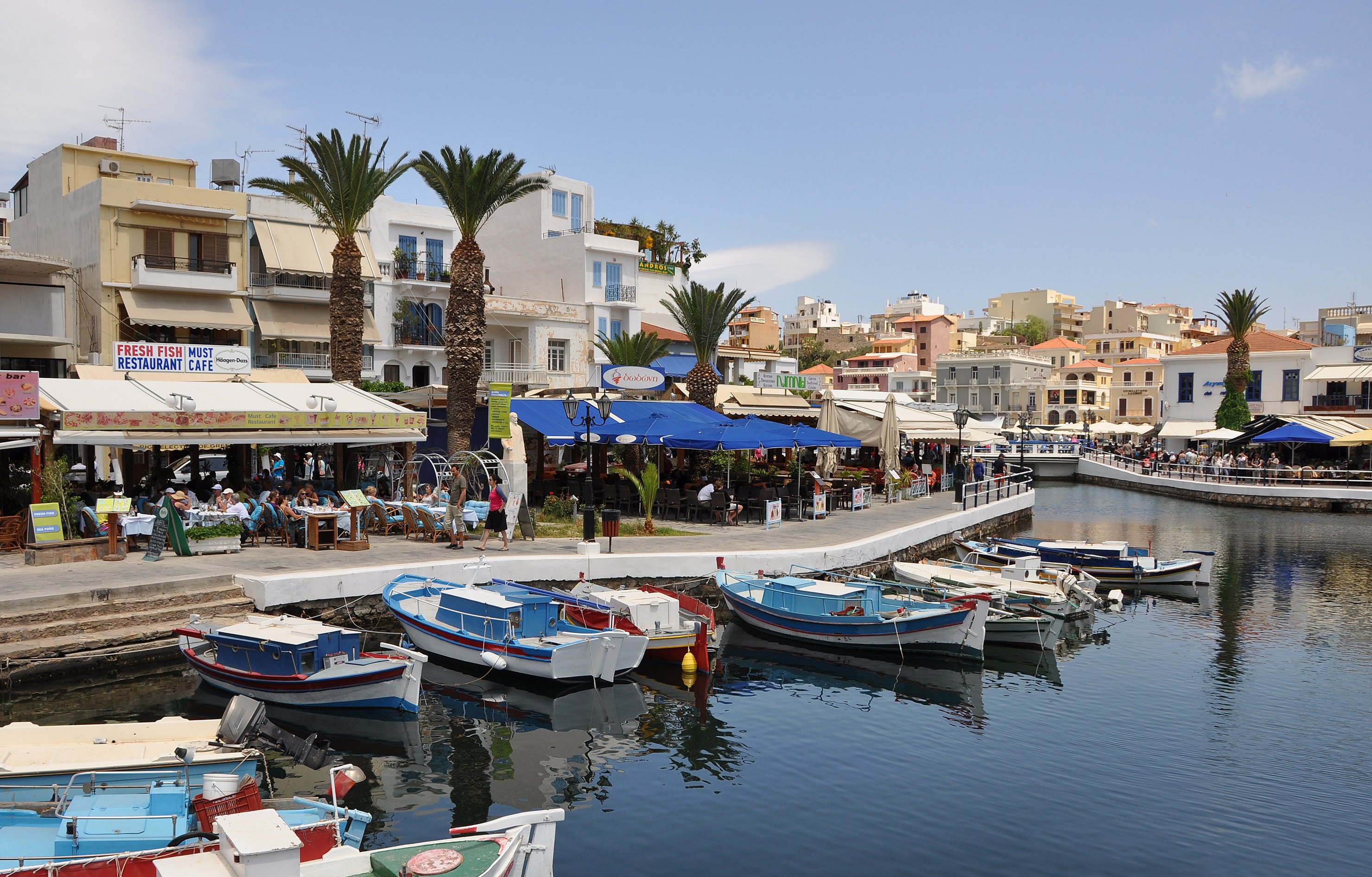
Crete is the largest of the Greek islands and in many ways its own world. It is big enough to lose yourself in for a fortnight without seeing the same coast twice, and varied enough that you can hike a snowbound mountain pass and swim in a turquoise lagoon on the same day. The Cretans themselves are proud, hospitable, and unmistakably Cretan first and Greek second — they speak their own dialect, dance their own dances, and pour their own raki at the end of every meal whether you asked for it or not.
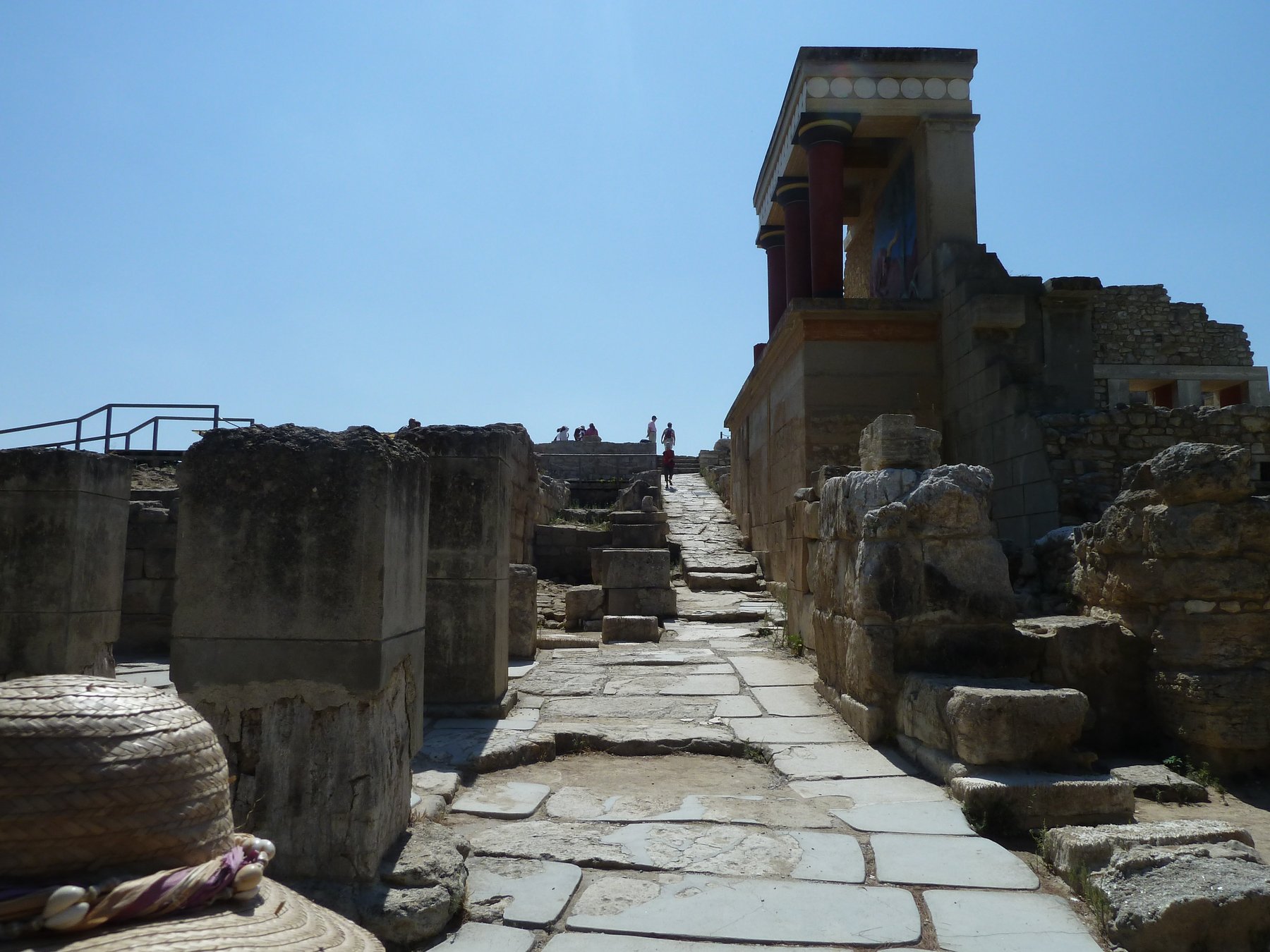
The island's claim on world history is the Minoan civilisation, the first great culture of Europe, which flourished here from roughly 2700 to 1450 BC and left behind palaces with running water, fresco-painted walls, and a script that still hasn't been fully deciphered. Knossos, just outside the capital Iraklion, is the famous one, but Phaistos, Malia and Kato Zakros are all worth visiting. The Heraklion Archaeological Museum holds the bull-leaping frescoes, the Phaistos Disc, and enough seal stones and gold double-axes to make sense of it all.
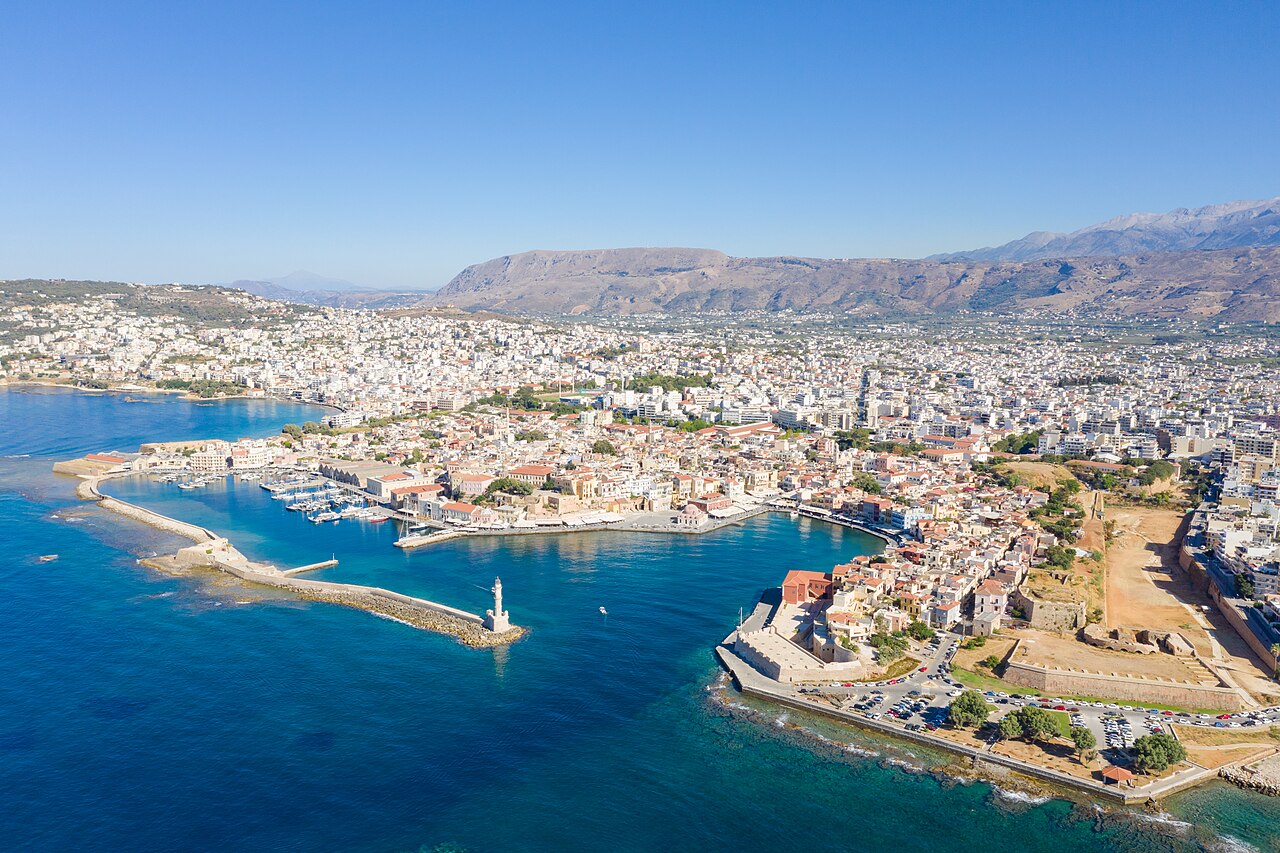
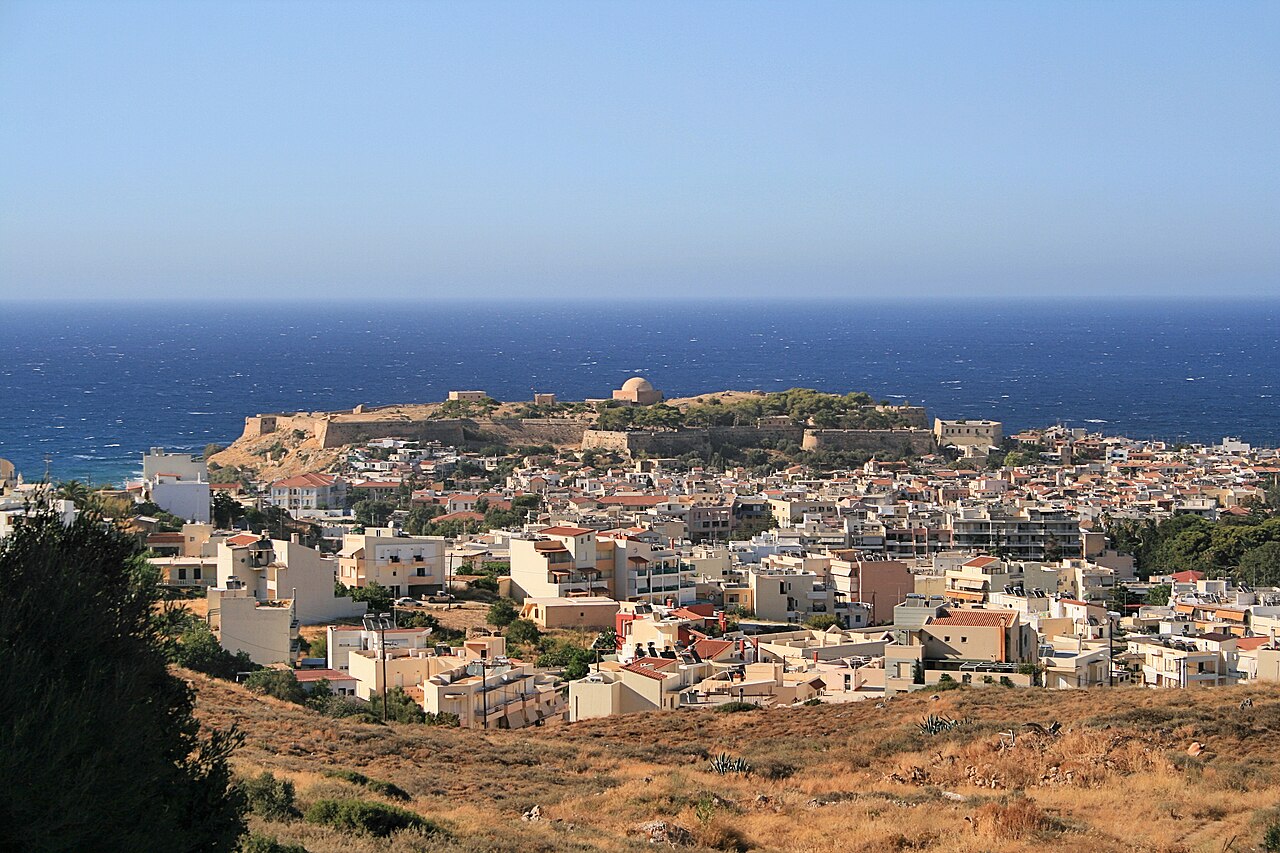
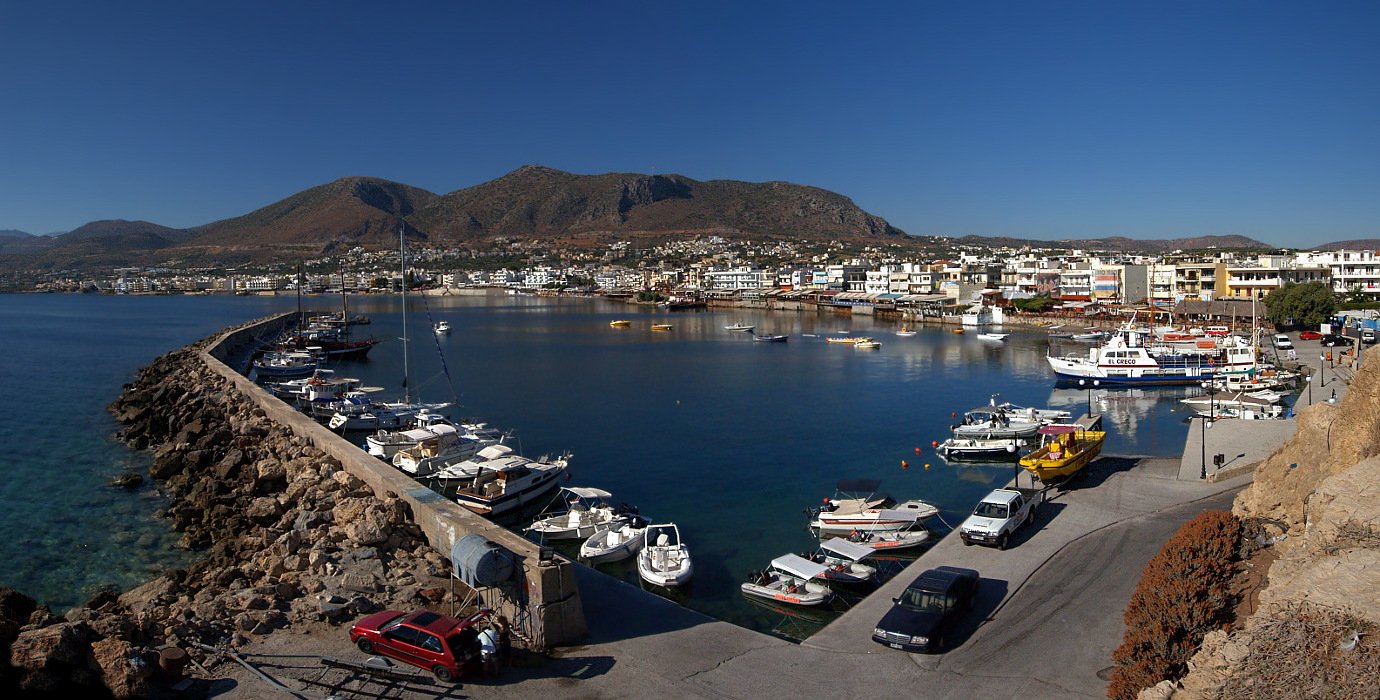
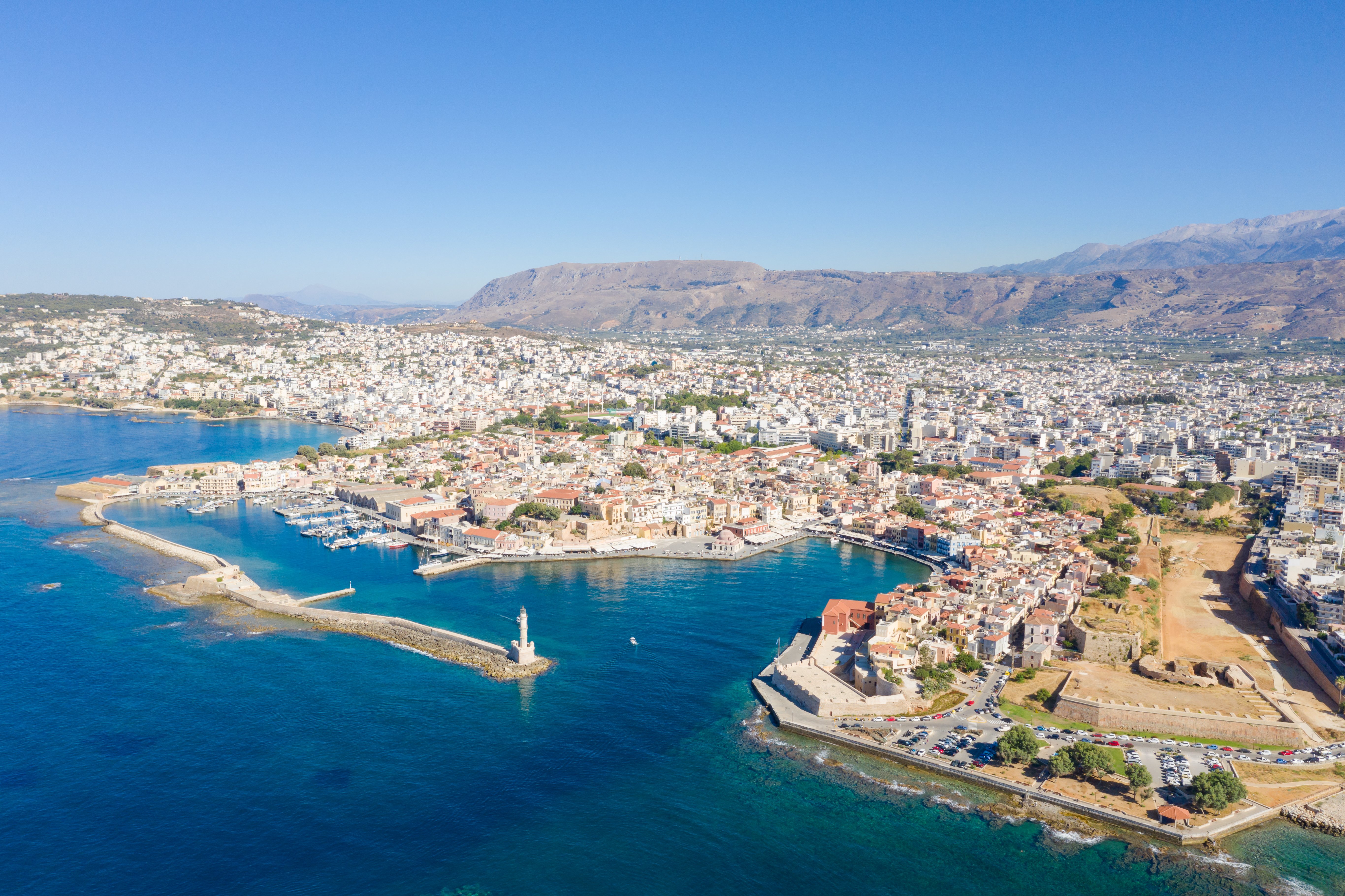
The north coast is where most travellers land — flights and ferries arrive at Iraklion or Chania, and the string of resorts between them is where Crete makes its tourist money. The west is the prettiest part: Hania has the most beautiful old town on the island, a perfect Venetian harbour, and a Turkish-Jewish-Venetian quarter that rewards aimless wandering. Rethimno, an hour east, has its own intact Venetian fortress and a more relaxed pace.
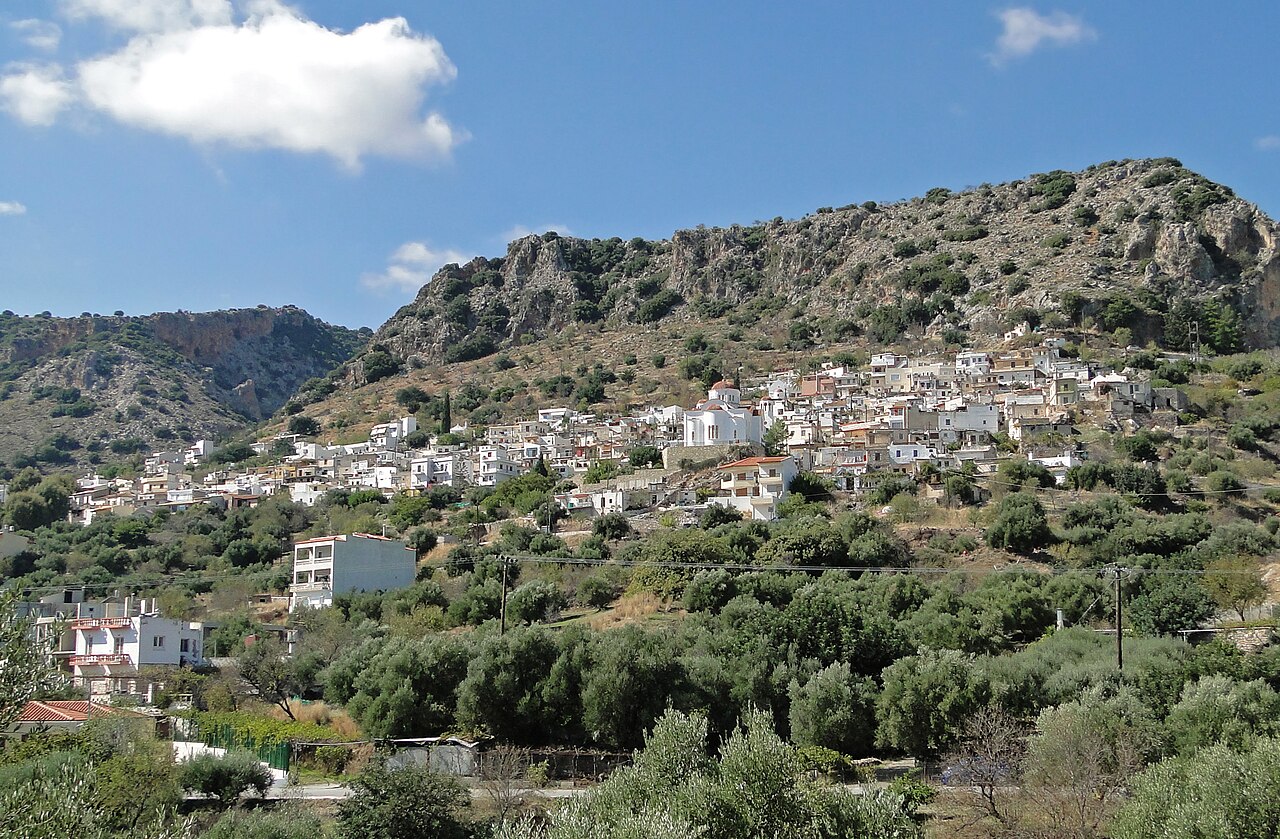
The south and the interior are where Crete really opens up. The Samaria Gorge — sixteen kilometres of limestone canyon descending from the Omalos plateau to the Libyan Sea — is one of the great walks in Europe, open from May to October. The southwest beach of Elafonisi has pink sand and a shallow turquoise lagoon; the northwest's Balos lagoon is its near-equal. The Minoan palace of Phaistos, on a hill overlooking the Messara plain, is less reconstructed and less crowded than Knossos. Spinalonga, a fortified island in the Gulf of Mirabello, was Europe's last functioning leper colony until 1957. Mountain villages like Anogia, Kritsa and Archanes still feel like real places where the day starts in the kafenion and the olive harvest is the main event of the year. Cretan food — wild greens, sheep's cheese, slow-cooked lamb, raki — is among the best in Greece.
Destinations in Crete
- Iraklion — the capital, with the Archaeological Museum and Knossos on its doorstep
- Hania — the most beautiful old town on the island
- Rethimno — Venetian fortress and a quieter base
- Knossos — the great Minoan palace
- Agios Nikolaos — east-coast resort town on a small lake
- Sitia — quiet port at the eastern tip
- Hersonnissos — the big package resort east of Iraklion
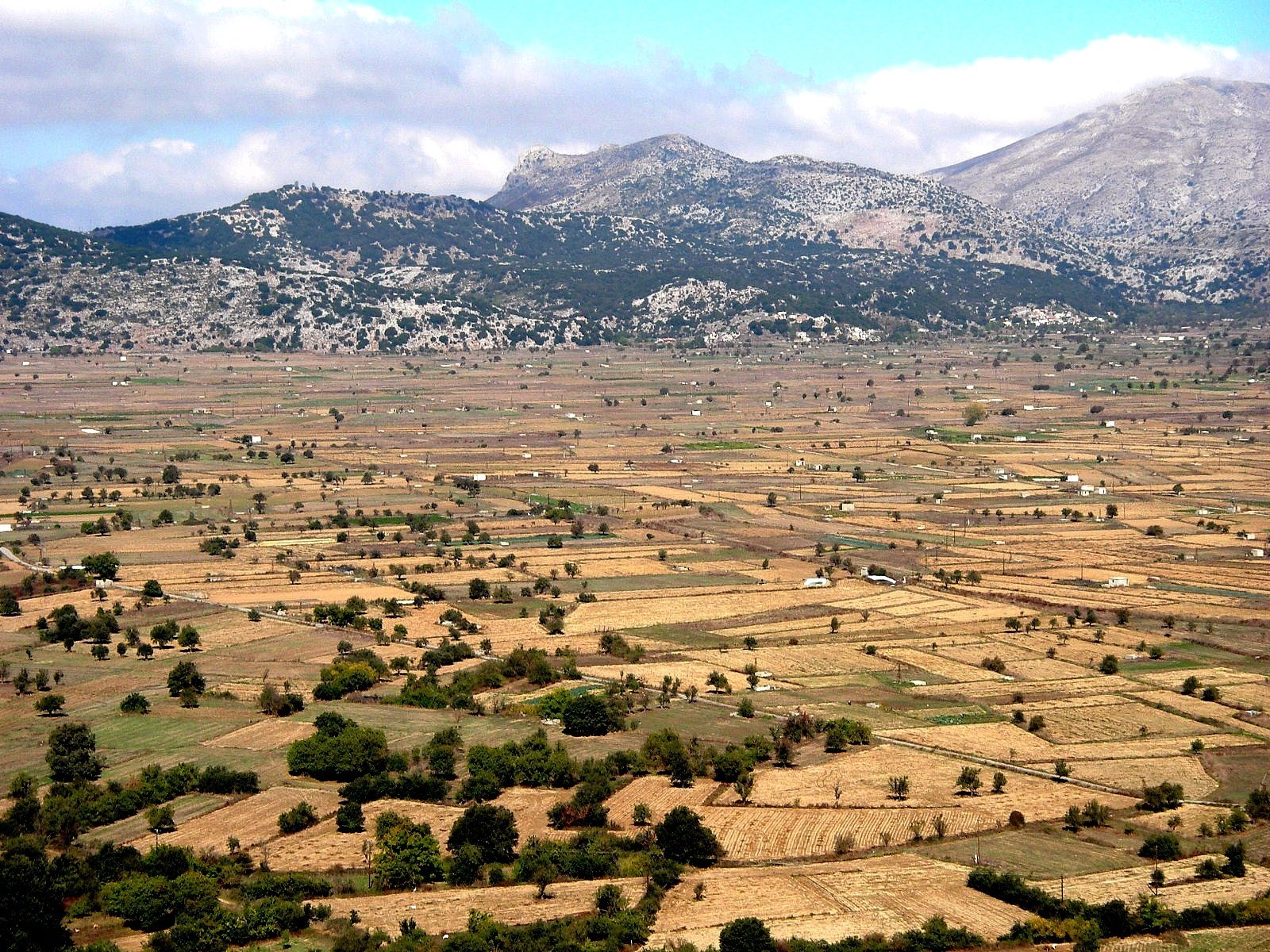
- Lassithi plateau — fertile mountain plain with the Diktaean Cave
- Kritsa — photogenic mountain village above Agios Nikolaos
- Paleochora — small resort on the southwest coast
- Samaria Gorge — the great 16 km gorge walk to the Libyan Sea
- Elafonisi — pink sand beach and turquoise lagoon on the far southwest
- Phaistos — Minoan palace on the Messara plain
- Spinalonga — fortified island and former leper colony near Agios Nikolaos