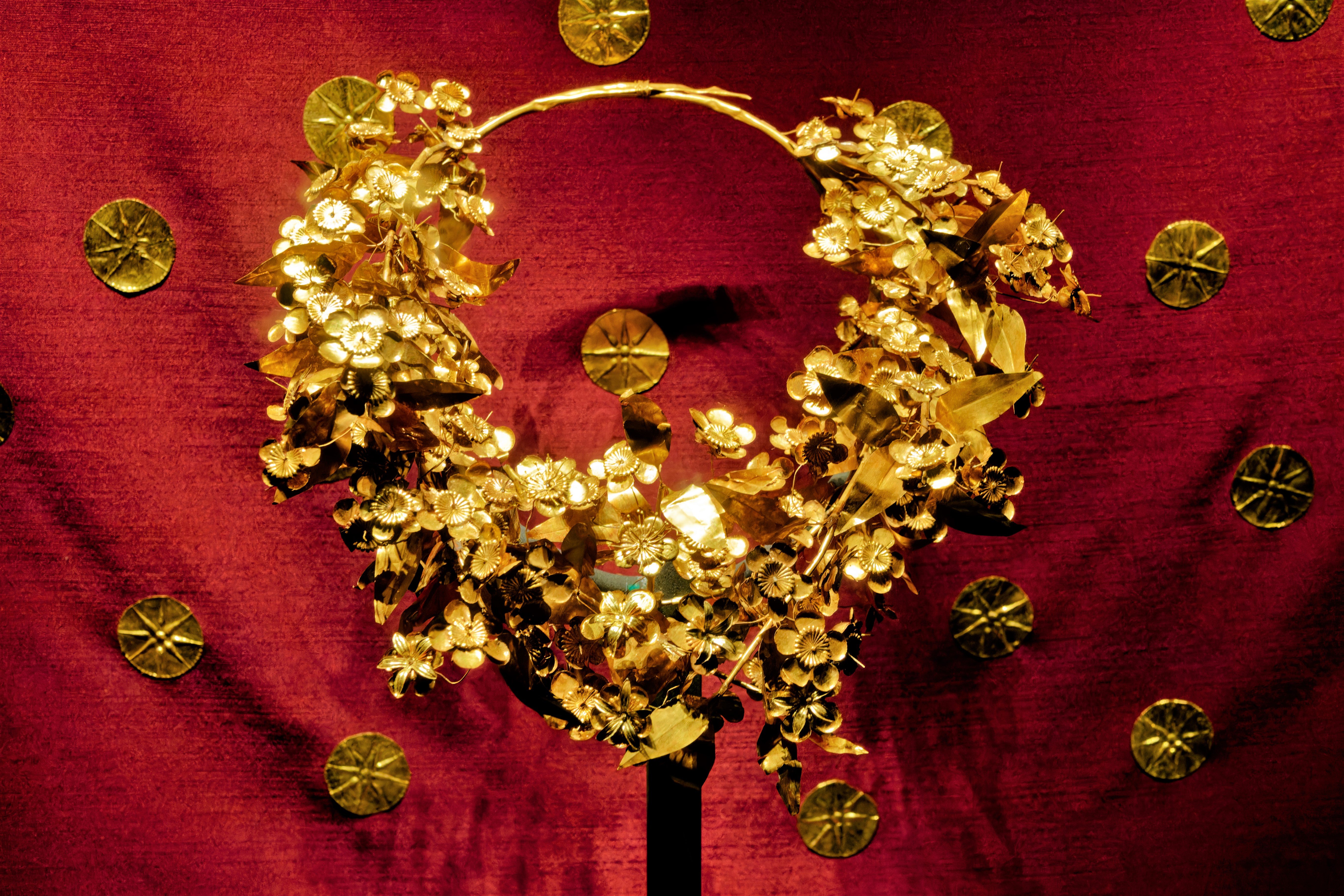
Greece is where Western civilisation began, and the traces of that beginning are everywhere — in marble columns rising from clifftops, in names on road signs that appear in Shakespeare and the Bible, in temples that were already ancient when Julius Caesar was born. But Greece is not just a museum. It is a Mediterranean country with excellent food, a lively culture, and one of the most complex and beautiful landscapes in Europe.
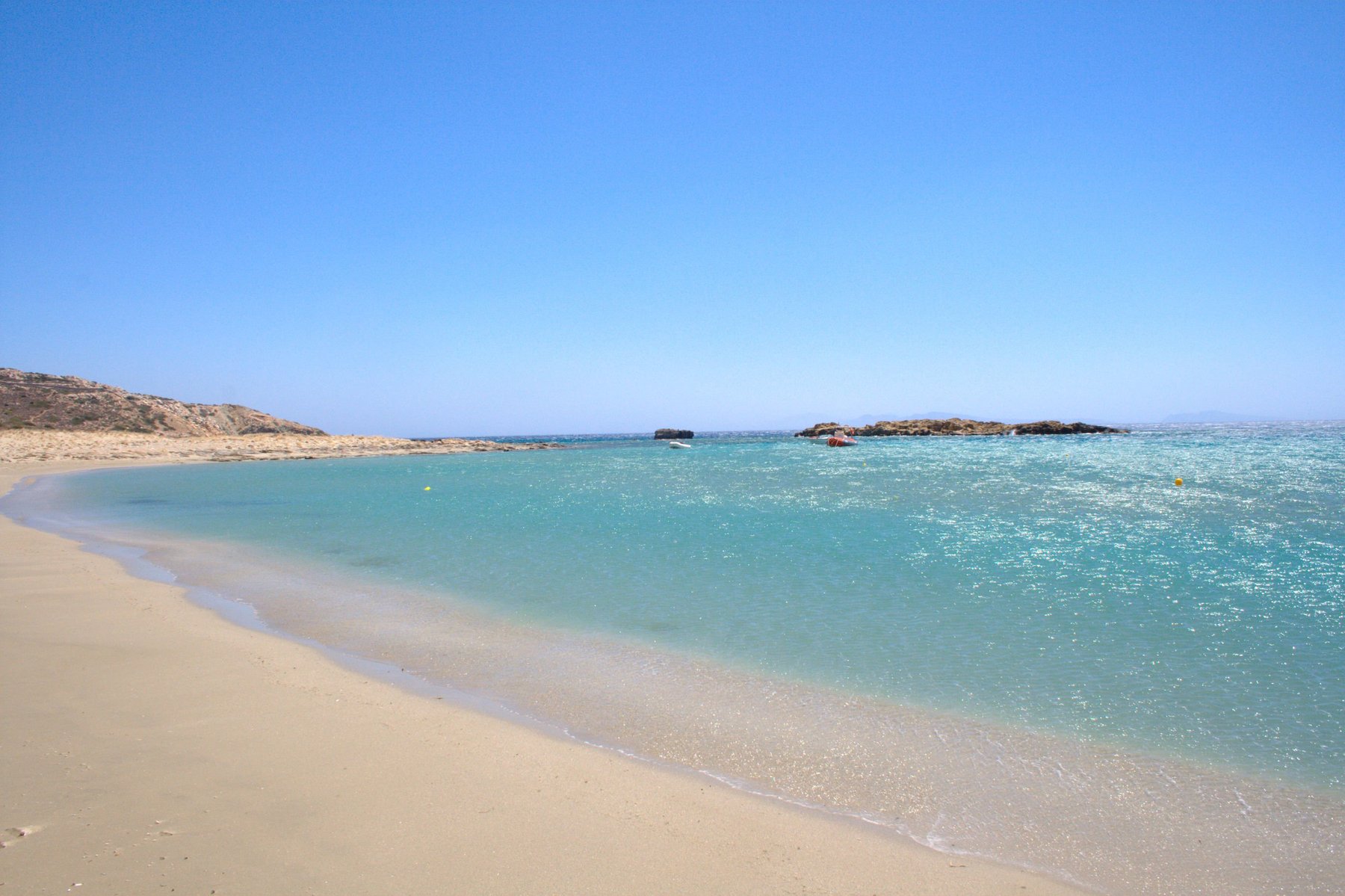
The country sits at the southern tip of the Balkans, bordered by Bulgaria, North Macedonia, and Albania to the north and Turkey to the east. The Greek coastline — with its thousands of islands, inlets, and peninsulas — stretches further than almost any other country in Europe. There are over 6,000 islands; fewer than 200 are permanently inhabited.
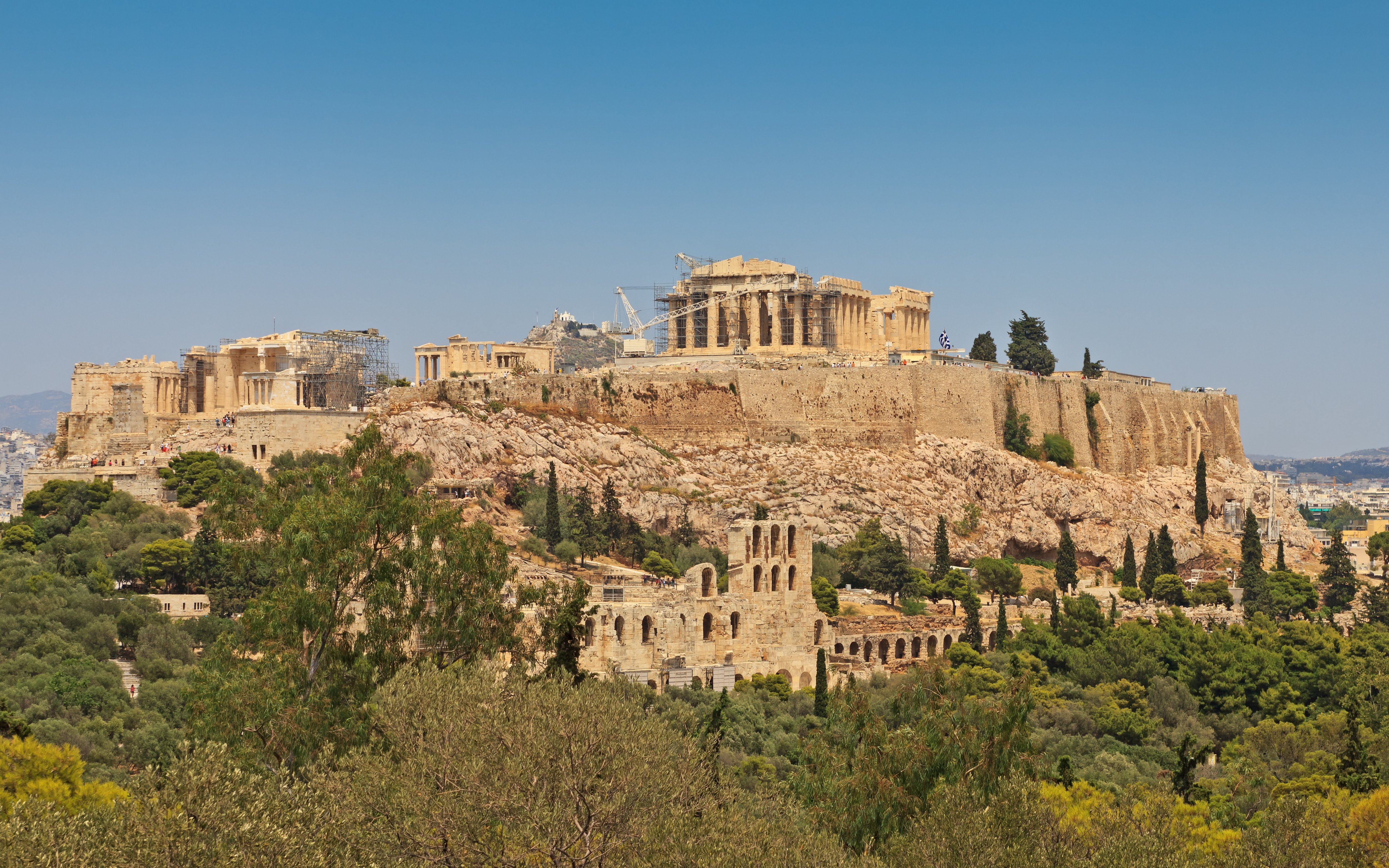
Athens, the capital, is home to roughly a third of the country's 10.4 million people. The city is noisy, sprawling, and often underestimated by visitors who treat it as a one-night stopover. The Acropolis alone justifies two or three days, and the city's neighbourhoods, food scene, and museums reward a longer stay.
The Peloponnese peninsula, connected to the mainland by the narrow Corinth isthmus, packs in a remarkable amount of history: the ruins of Mycenae and Corinth, the ancient theatre of Epidaurus, the Byzantine ghost city of Mistra, and the wild, tower-village landscape of the Mani. Delphi, on the slopes of Mount Parnassus in central Greece, was the oracle-seat of the ancient world and remains one of the most dramatically situated archaeological sites in Europe.
Thessaloniki, in the north, is Greece's second city and cultural capital — livelier, grittier, and with better food than its reputation among tourists would suggest. North of there, Halkidiki offers the best mainland beaches; further west, Epirus and the Vikos Gorge are for serious hikers. In the far northeast, Alexandroupolis is the useful Thracian base for the Evros Delta, Samothrace ferries, and Greece's borderland with Turkey.
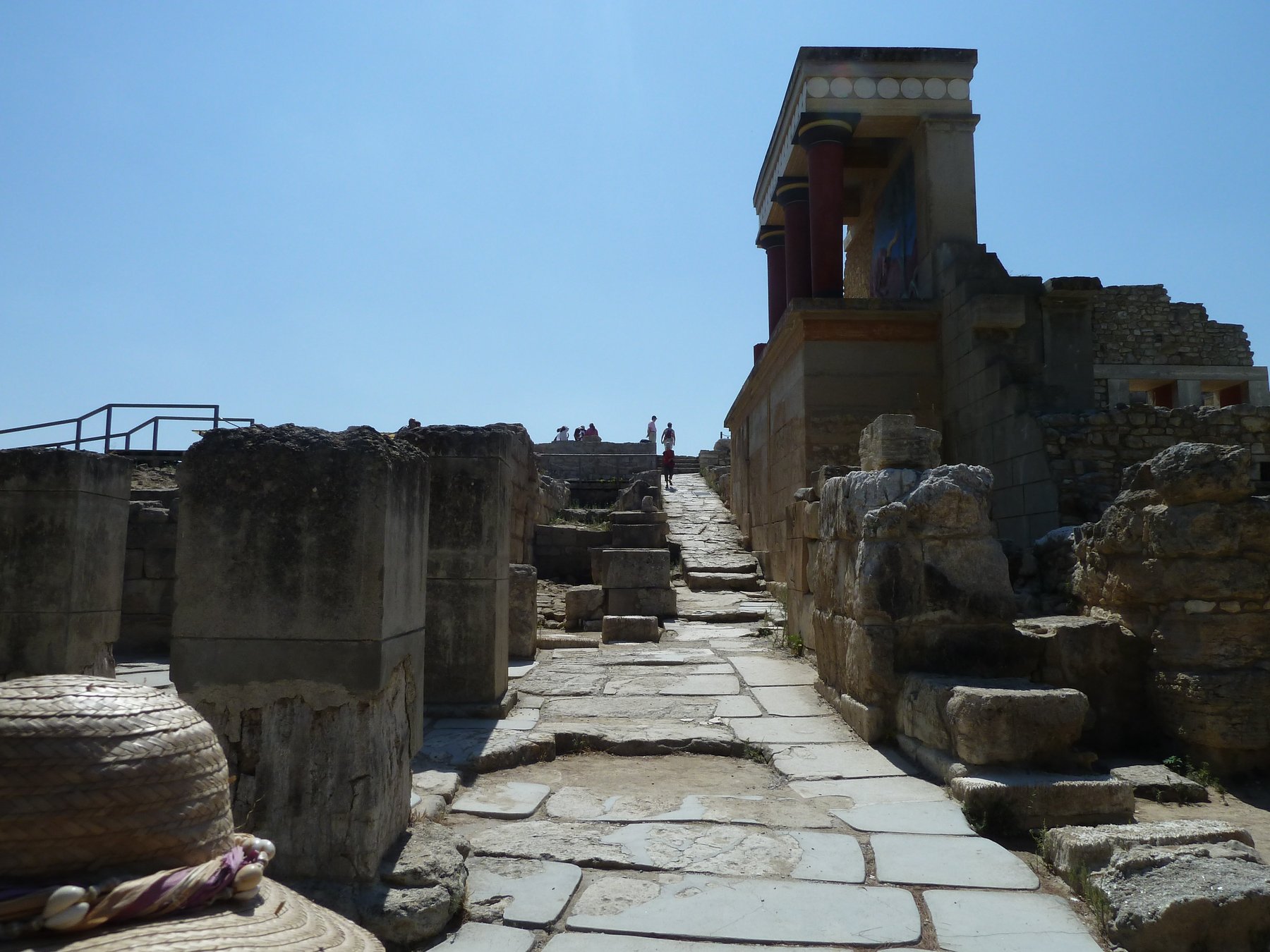
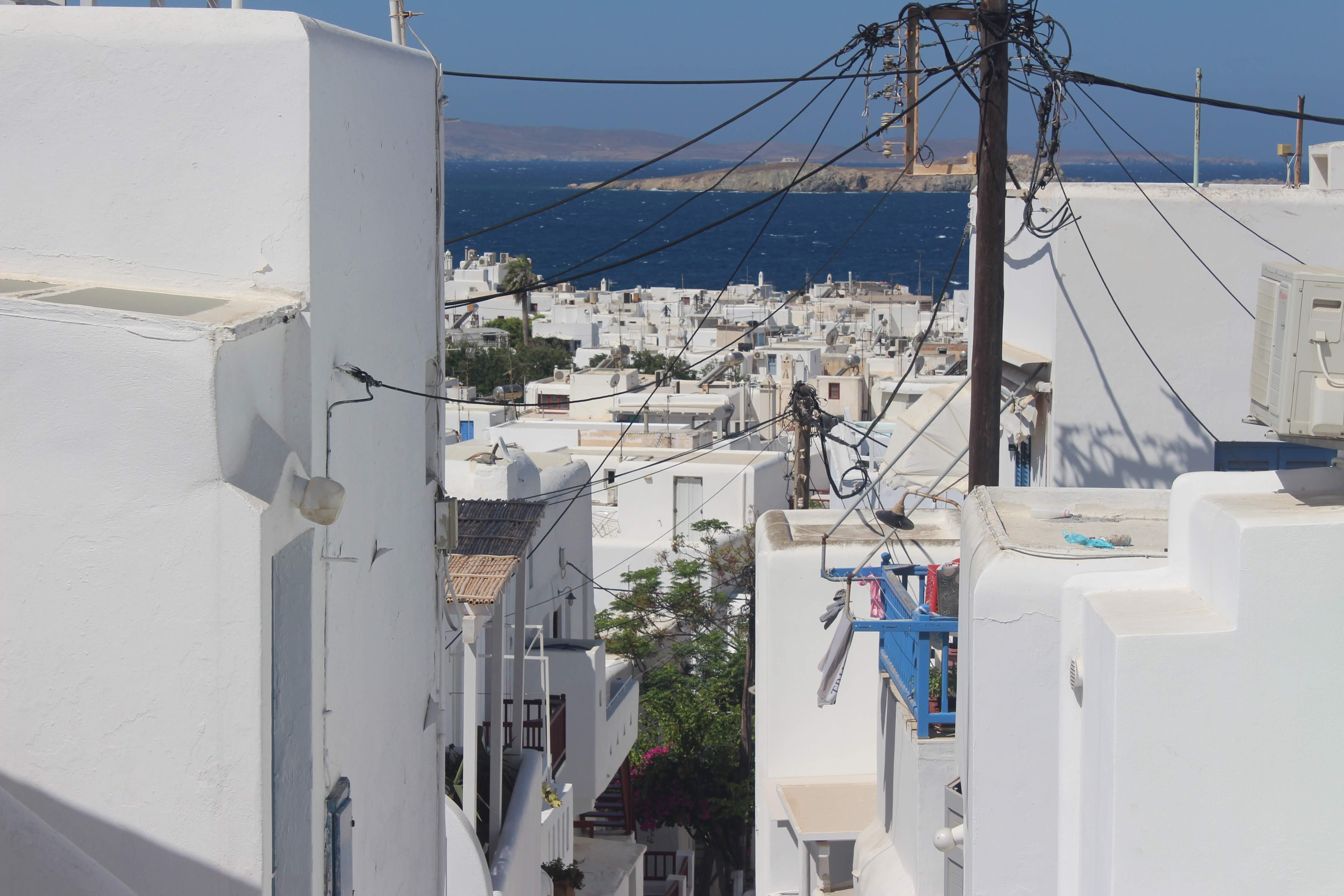
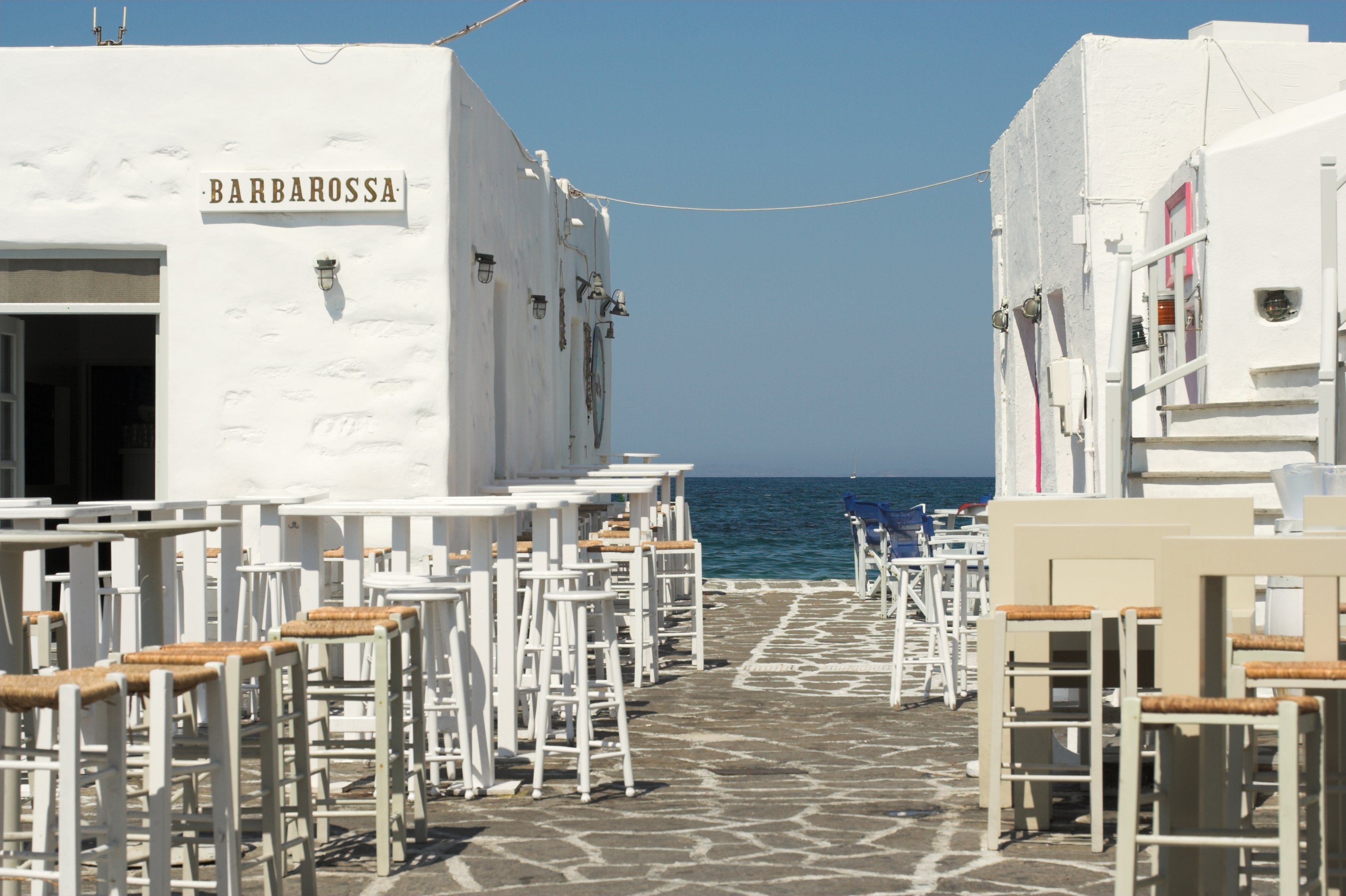
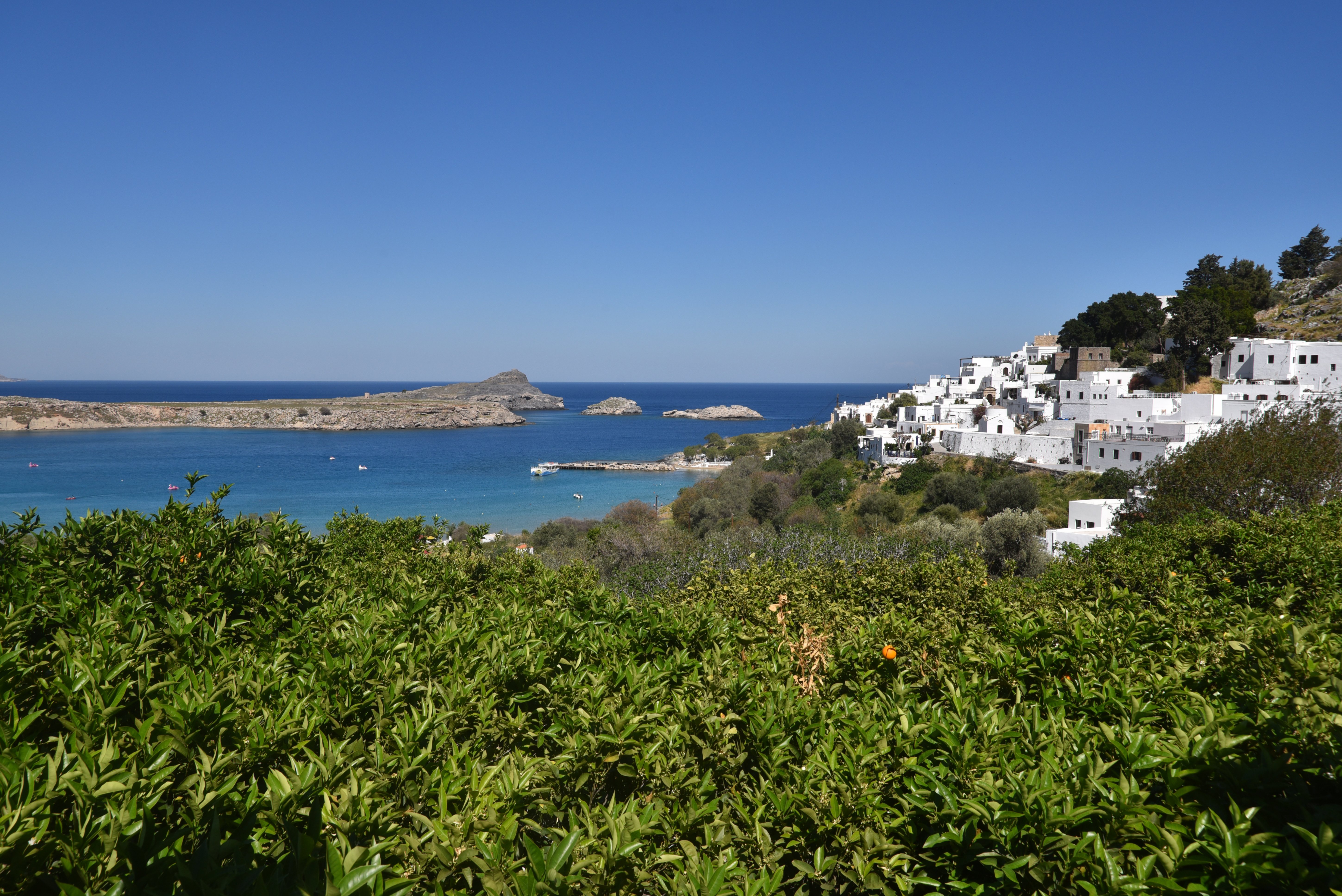
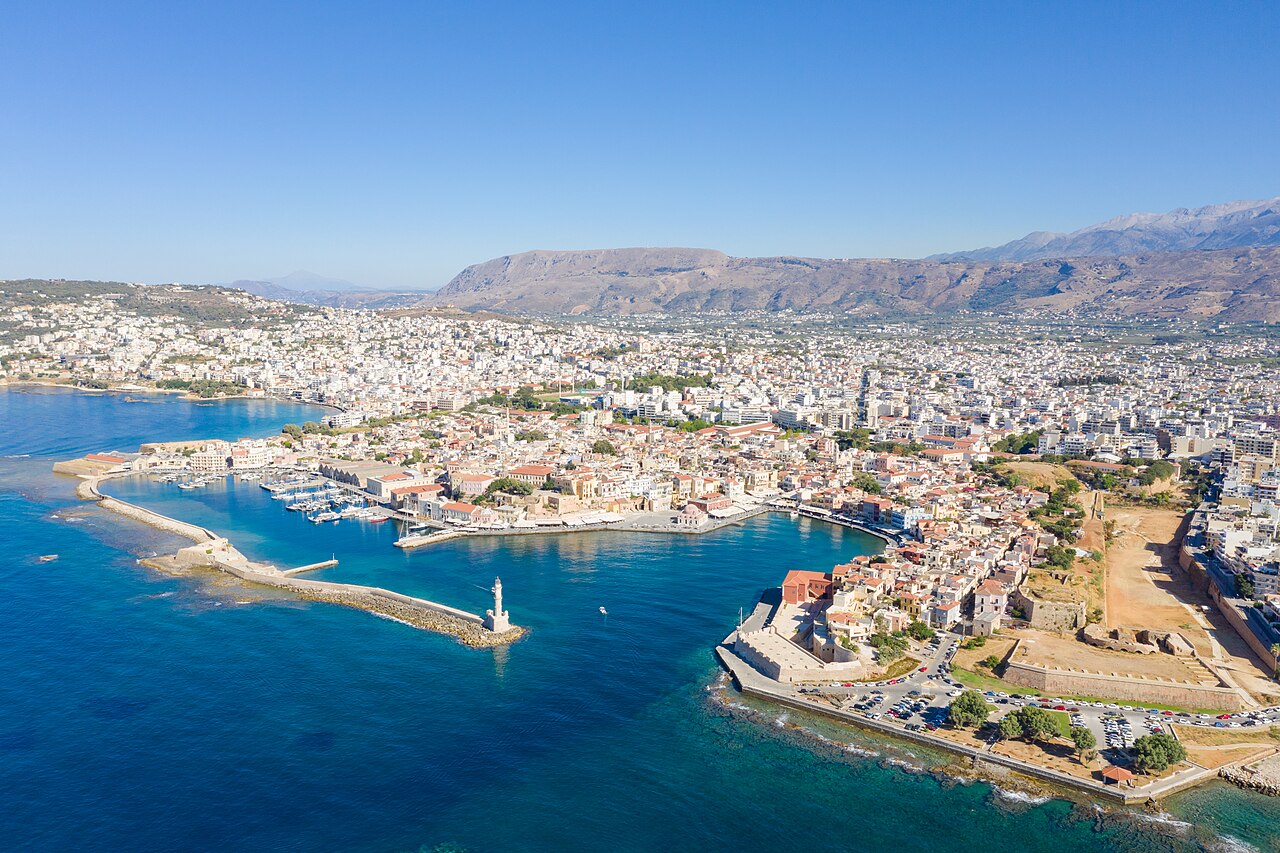
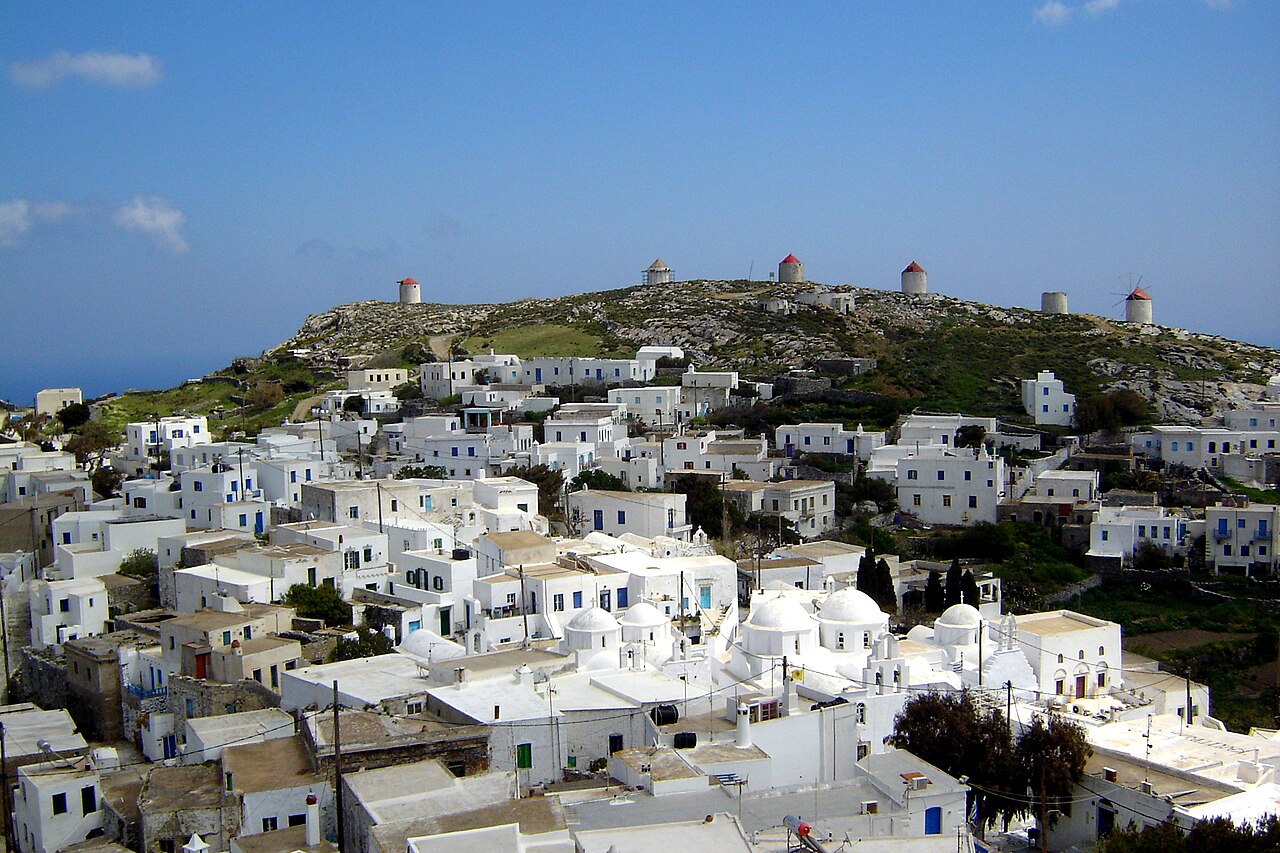
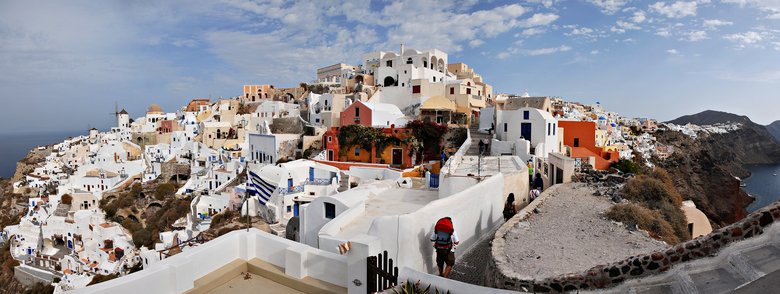
The islands are the main draw for most visitors. Crete is an island large enough to be a destination in its own right, with its own history, food culture, and landscape. Santorini and Mykonos are world-famous and heavily visited; the Cyclades chain also contains far quieter options like Naxos, Milos, and Amorgos. The Dodecanese, clustered near Turkey, include the medieval city of Rhodes and the remote monastery island of Patmos. The Ionian islands — Corfu, Kefalonia, and Lefkada — lie off the western coast and have a different feel, shaped by centuries of Venetian and British rule.
Greece rewards the traveller who goes slowly and ventures off the obvious path. The crowds in high summer on the most famous islands are real and can be oppressive. Go in May, September, or October, and you will find the same landscape, the same food, the same light — with considerably more room to breathe.