Pesaro
©
Pesaro

Pesaro

Adriatic city in the Marche, defined by Rossini heritage, beach life, and a handsome medieval centre

Pesaro is an Adriatic city in the Marche region, best known as the birthplace of Gioachino Rossini (1792–1868), the composer of The Barber of Seville and William Tell. The city takes its connection to Rossini seriously: Casa Rossini, the house where he was born, is a museum, and the Rossini Opera Festival held every August at the Teatro Rossini is one of the most important bel canto festivals in Italy, drawing singers and opera lovers from across Europe.

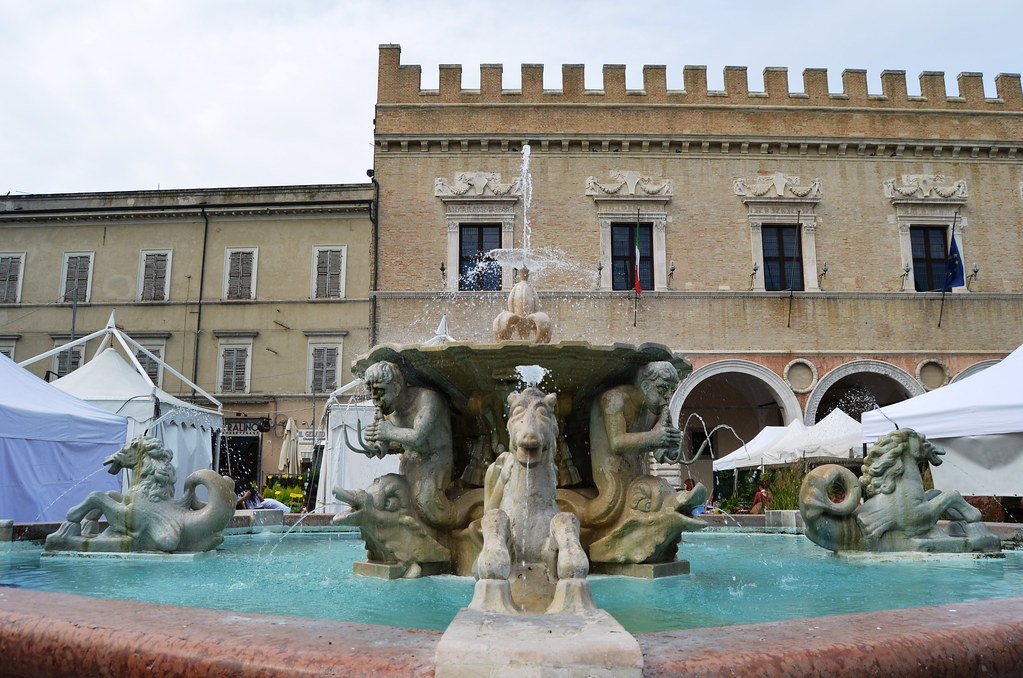
The city has a pleasant medieval centre around the Piazza del Popolo, with the Ducal Palace — built by the Sforza dynasty in the fifteenth century — as the main architectural landmark. The Musei Civici holds a notable collection of majolica ceramics for which the Marche region is famous, as well as paintings by Giovanni Bellini and other Venetian masters. Walk toward the sea and the city becomes progressively more modern, with a broad sandy beach and the Villino Ruggeri — a gem of Art Nouveau architecture — near the seafront.

Pesaro is a working city rather than a tourist destination, which keeps it authentic and relatively uncrowded. The surrounding countryside — the Metauro valley to the south, the hills above the coast — is attractive cycling and hiking territory. Urbino, the extraordinary Renaissance ducal city, is about 35 kilometres inland.

Guide

Things to Do

Pesaro's centre is compact and walkable. The Piazza del Popolo, flanked by the Ducal Palace and the Musei Civici, is where most of the sightseeing concentrates — and Rossini's presence is felt everywhere, from the birthplace museum to the Teatro Rossini and the festival held each August. The beach a few minutes' walk to the east is a classic Italian Adriatic resort, but the hills above the city, Monte San Bartolo and the Villa Imperiale, offer an escape from the striped sun-loungers.

Guide

When to Go

The Rossini Opera Festival runs for three weeks each August and is the main reason to plan a visit around a specific date. Tickets sell out months in advance for the major productions, though the festival also hosts concerts and free outdoor events. The city is lively and at its most festive during the festival, though accommodation gets expensive and scarce.

Spring (April–June) and early autumn (September–October) are the most comfortable times for sightseeing — warm, uncrowded, and with full access to the beaches without the high-season crush. The Adriatic is swimmable from June through September. Winter is quiet; most of the city's cultural institutions stay open, and you can have the Musei Civici to yourself.