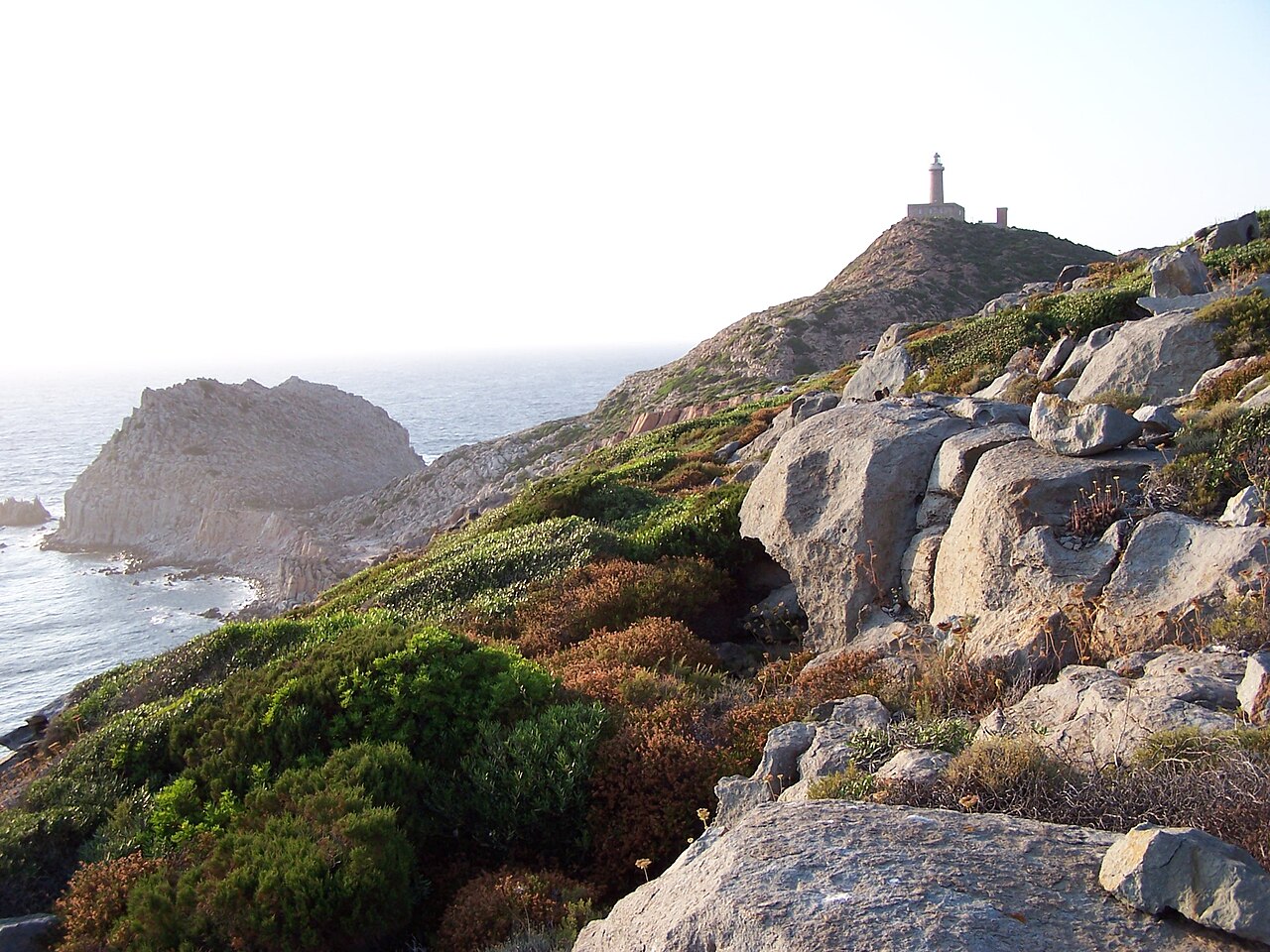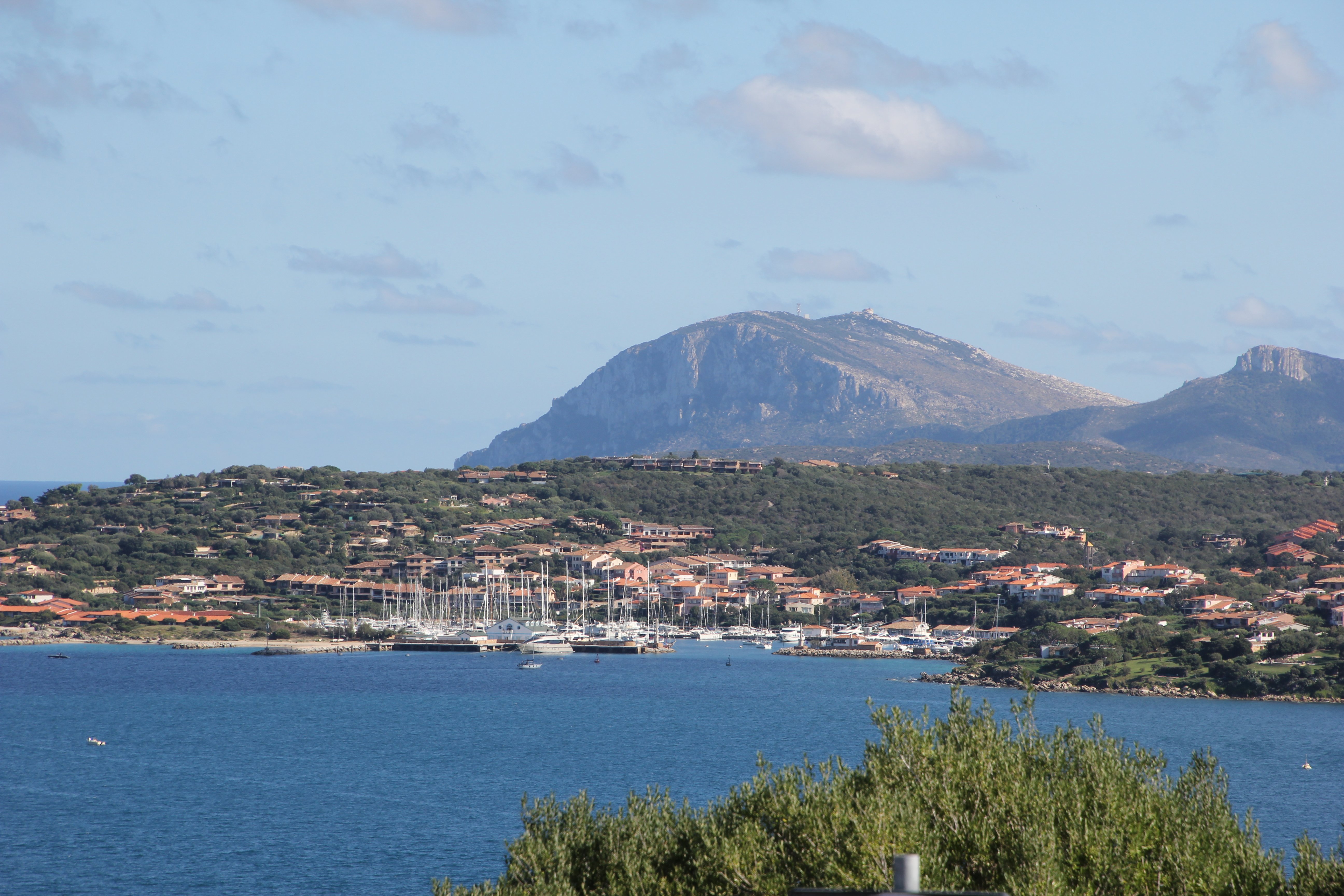
Sardinia is the second largest island in the Mediterranean and one of the most beautiful. Approaching by boat, the colours of the coastline are extraordinary — black basalt, silver granite, red porphyry, then the sudden turquoise of the sea. The island has been fought over by every Mediterranean power (Phoenicians, Romans, Aragonese, Spanish, Piedmontese) and the traces of all of them are still visible in the architecture, the food, and the people. Today it operates as an autonomous region of Italy, with its own government and a fiercely maintained cultural identity.
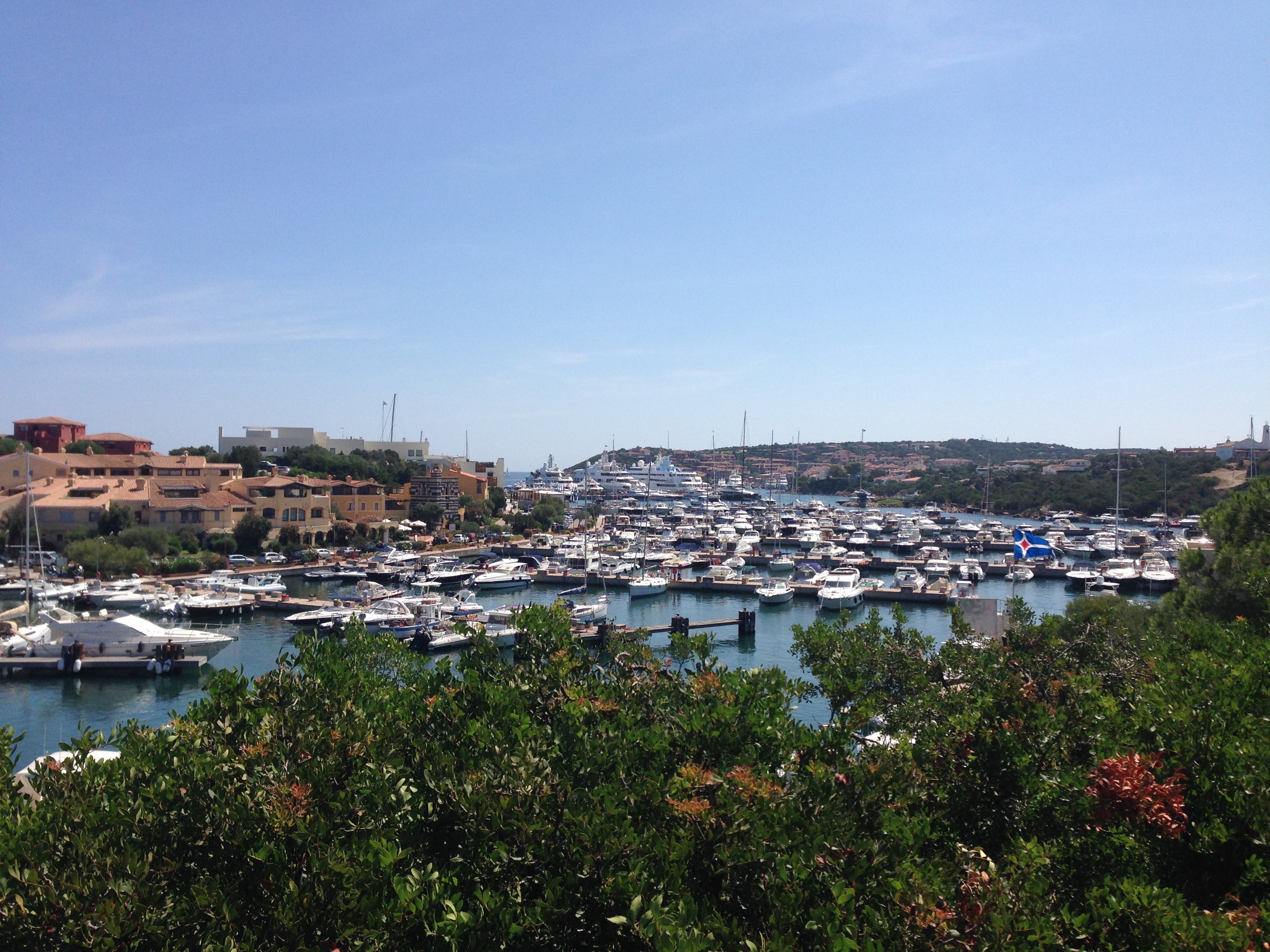
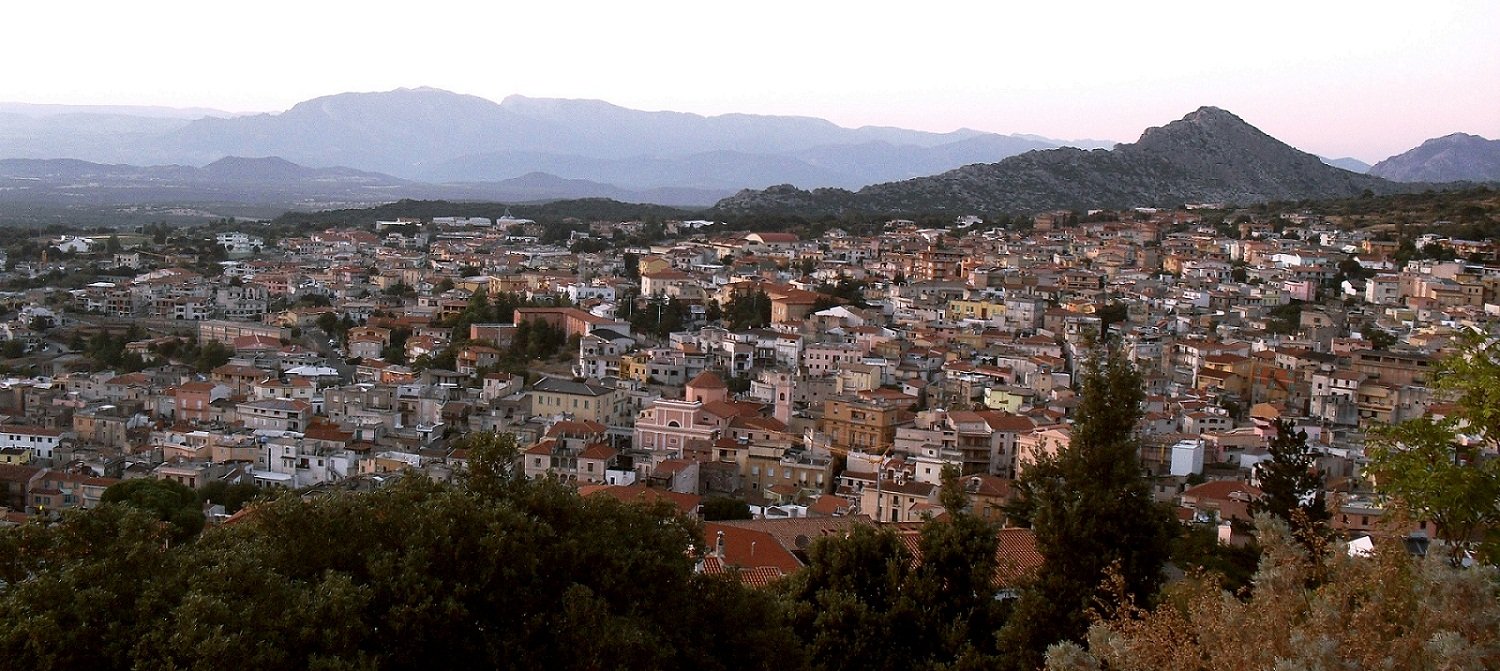
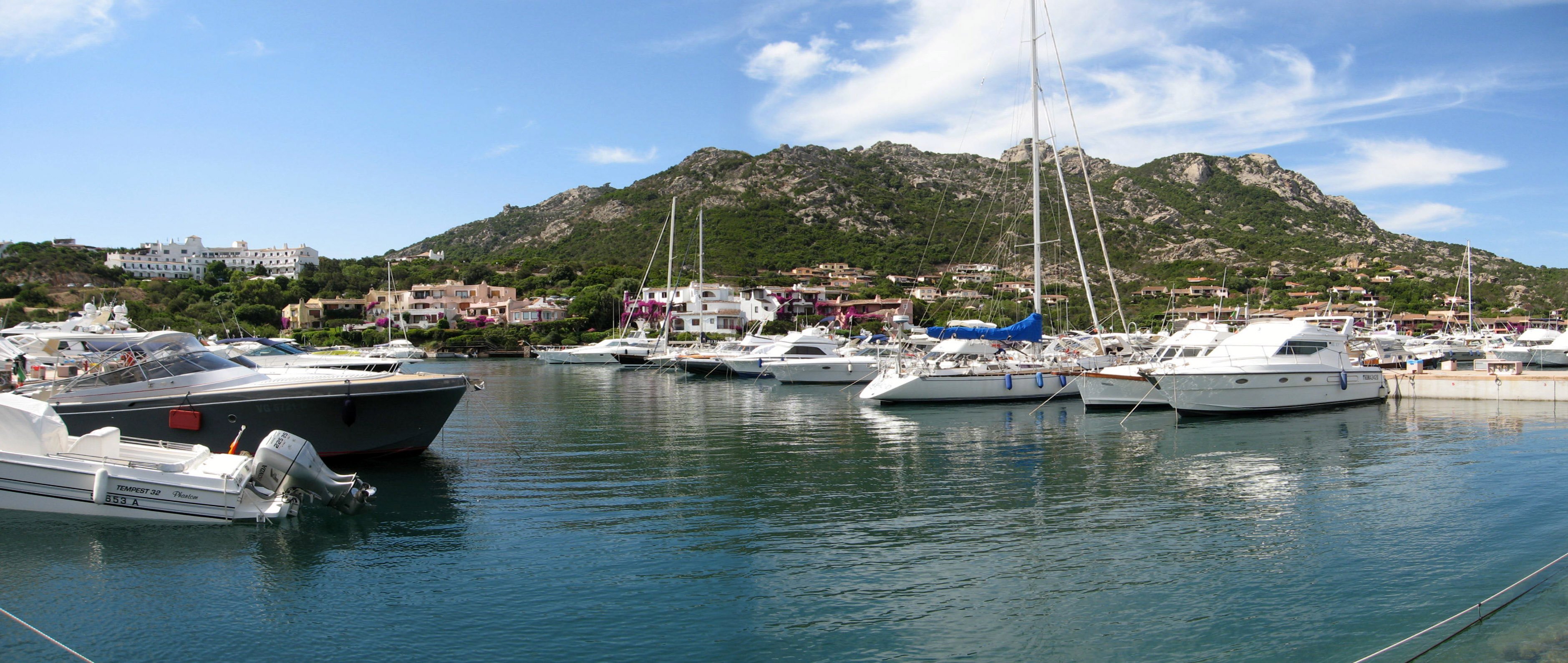
Sardinia's reputation as a playground for the very wealthy — built around the Costa Smeralda resort area developed by the Aga Khan in the 1960s — is real but partial. Beyond the yacht clubs and designer boutiques of Porto Cervo, the island is largely agricultural, mountainous, and quiet. The interior — the Barbagia, Ogliastra, and Gallura regions — remains one of the least visited parts of Italy, with villages that feel genuinely untouched by tourism.
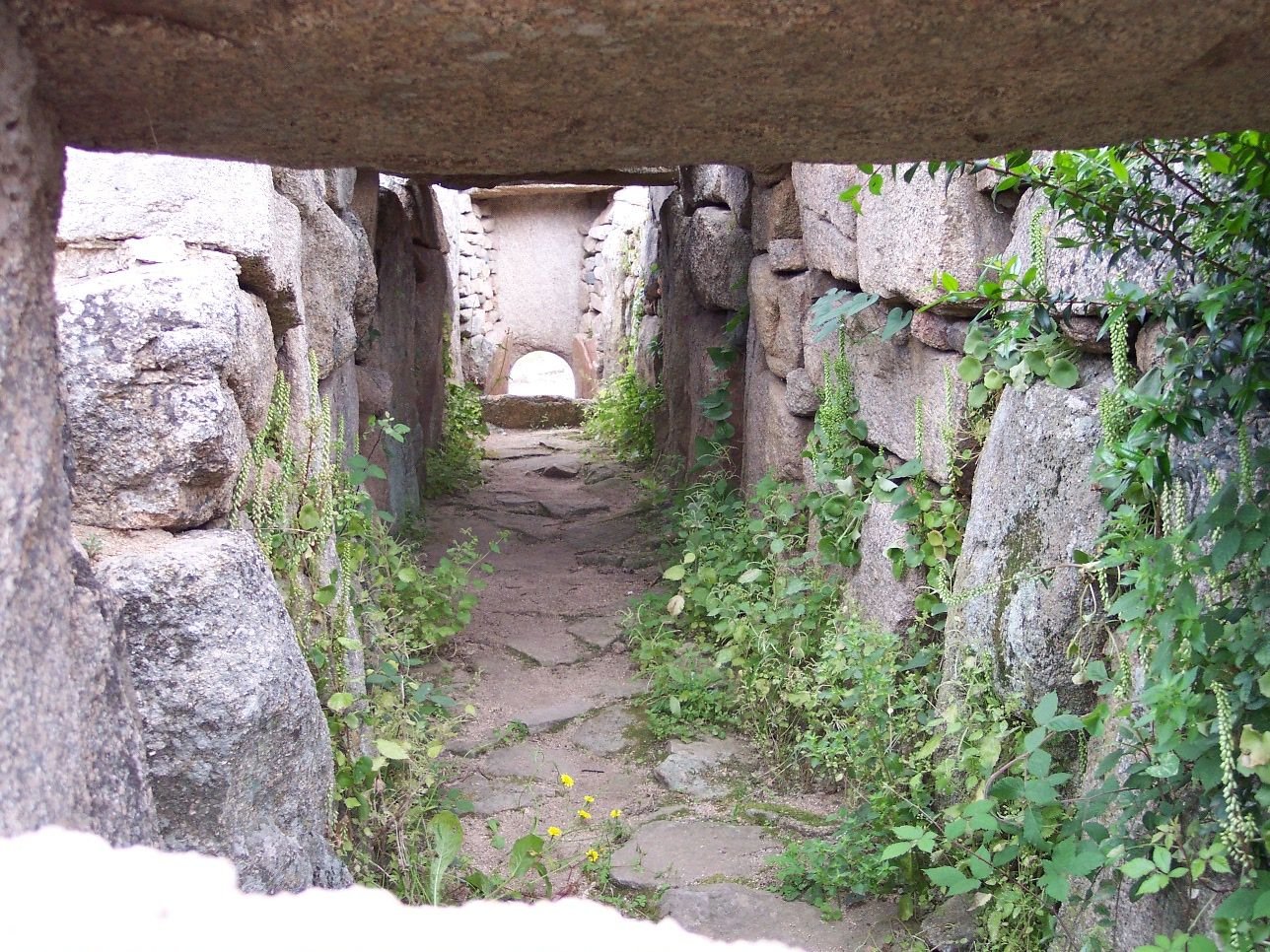
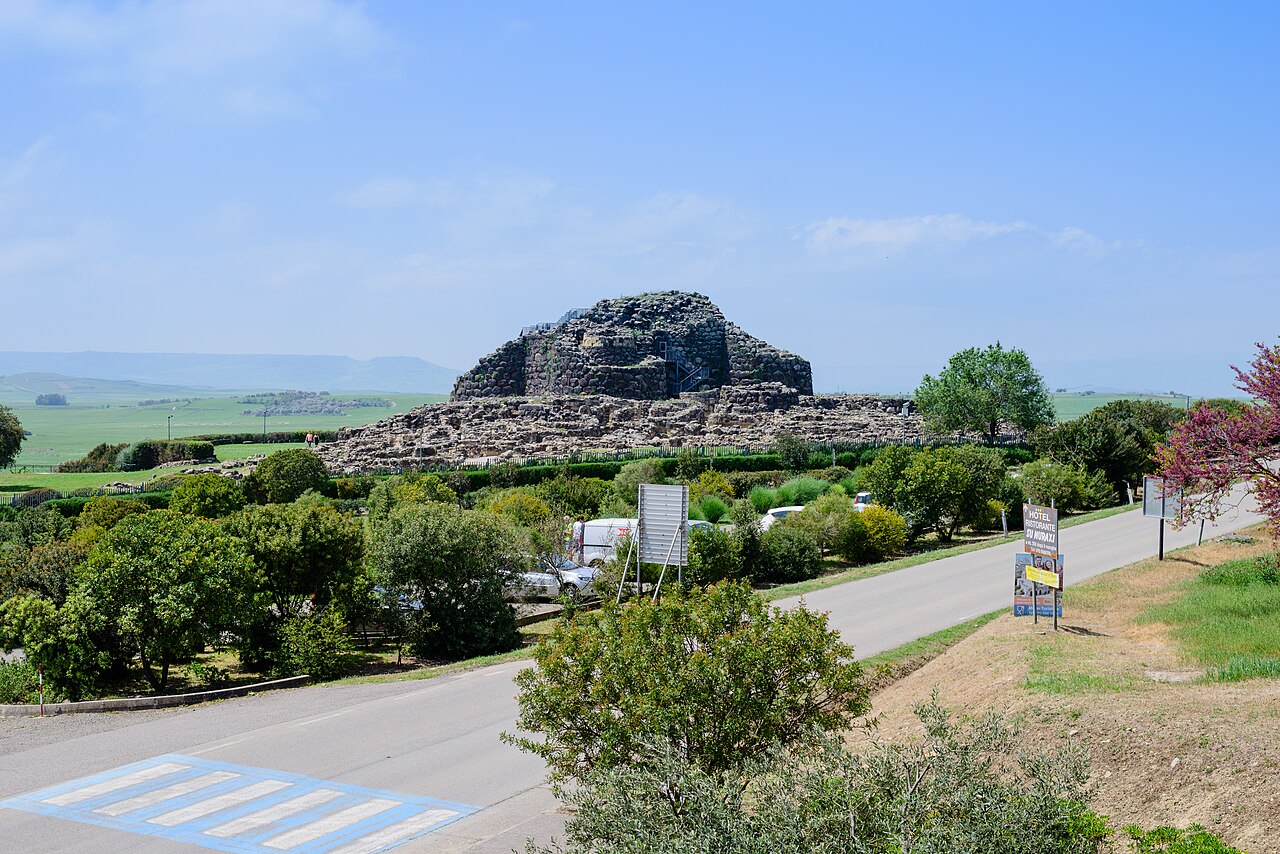
The island's pre-Roman civilisation, the Nuragic people, left behind more than 7,000 stone tower complexes called nuraghi across the island. Su Nuraxi di Barumini, a UNESCO World Heritage Site south of Nuoro, is the most impressive, but you'll see nuraghi on hillsides everywhere you go. The Tharros ruins on the Sinis Peninsula near Oristano are a Phoenician and Roman site worth making the detour for.
The beaches deserve their reputation. The best combine white sand, pink granite rocks, and water so clear it looks photoshopped. The famous ones on the Costa Smeralda are crowded in August; the better strategy is to head to less-accessible stretches like the Costa Verde or the Gulf of Orosei.
Food is a reason to visit in itself. Porcheddu (slow-roasted suckling pig with myrtle) is the great land dish; bottarga (dried grey mullet roe, grated over pasta) is the essential coastal one. The bread — wafer-thin pane carasau, chewy civraxiu — is taken seriously. Cannonau, the local red wine, goes with everything.
Destinations
- Cagliari — the capital; Roman port, Pisan fortifications, archaeological museum, beaches
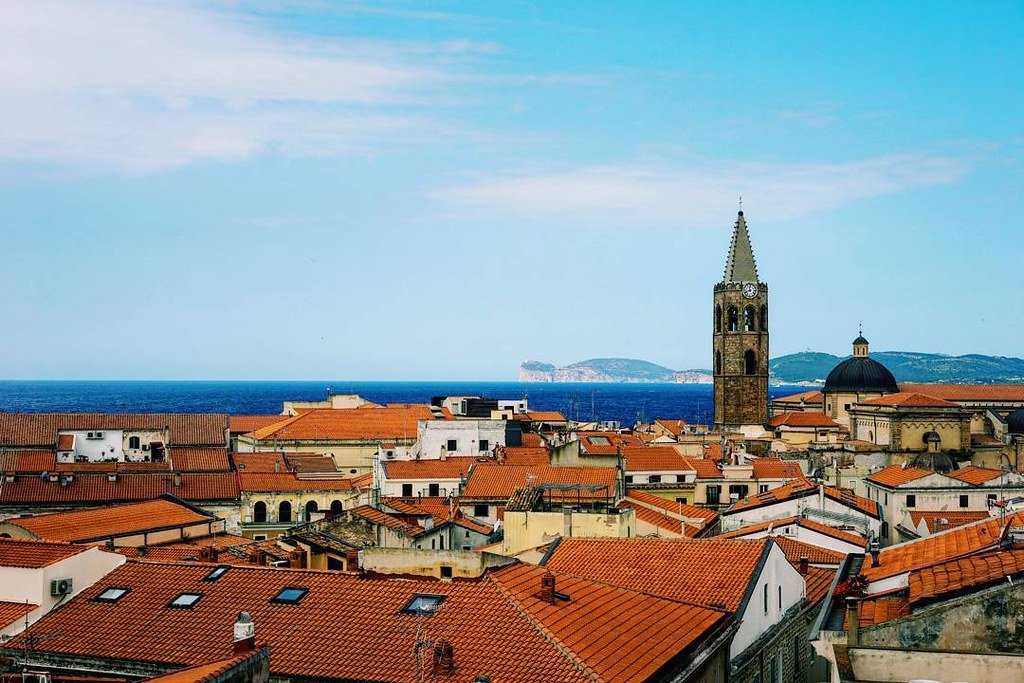
- Alghero — medieval walled town with a Catalan heritage and a great coastline
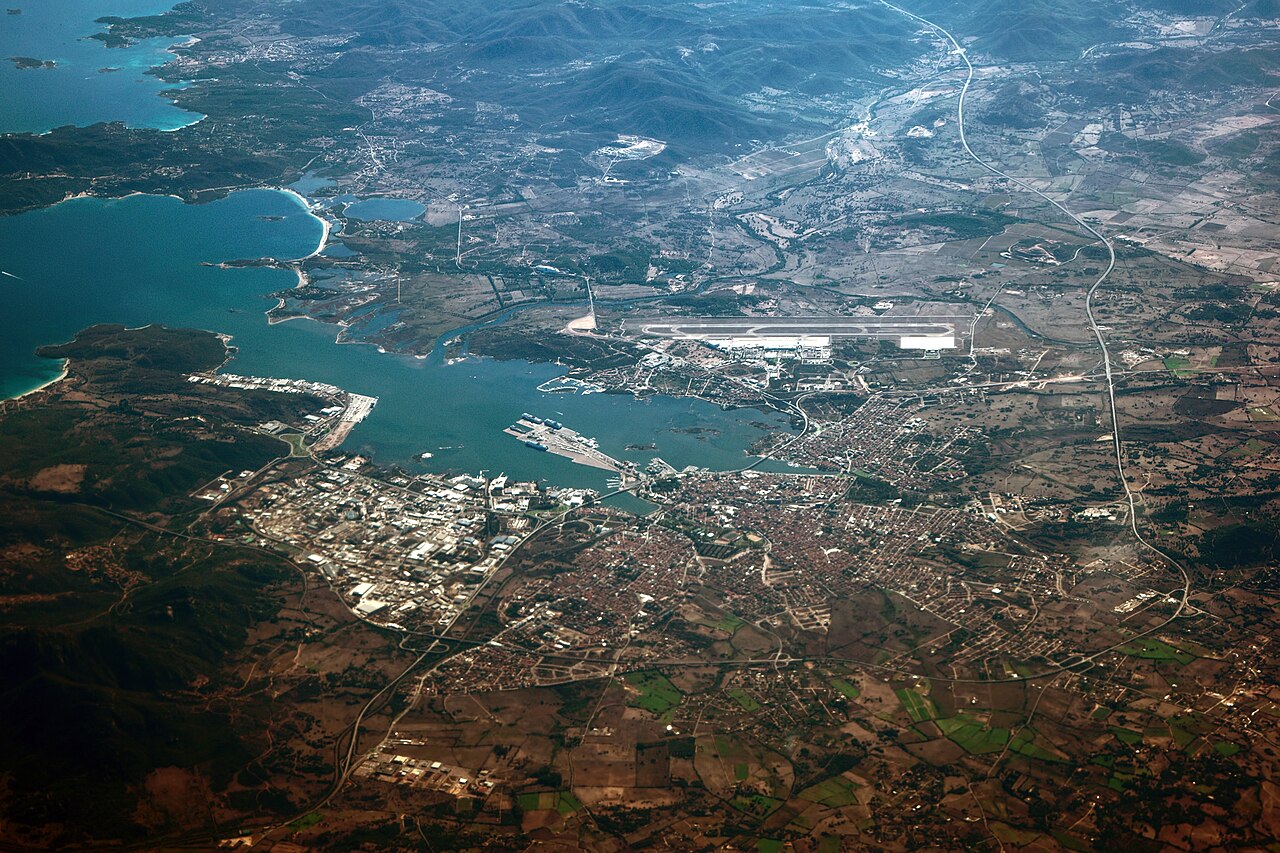
- Olbia — the main gateway port; base for the Costa Smeralda and La Maddalena
- Sassari — the second city; Spanish Gothic old town, good base for the northwest
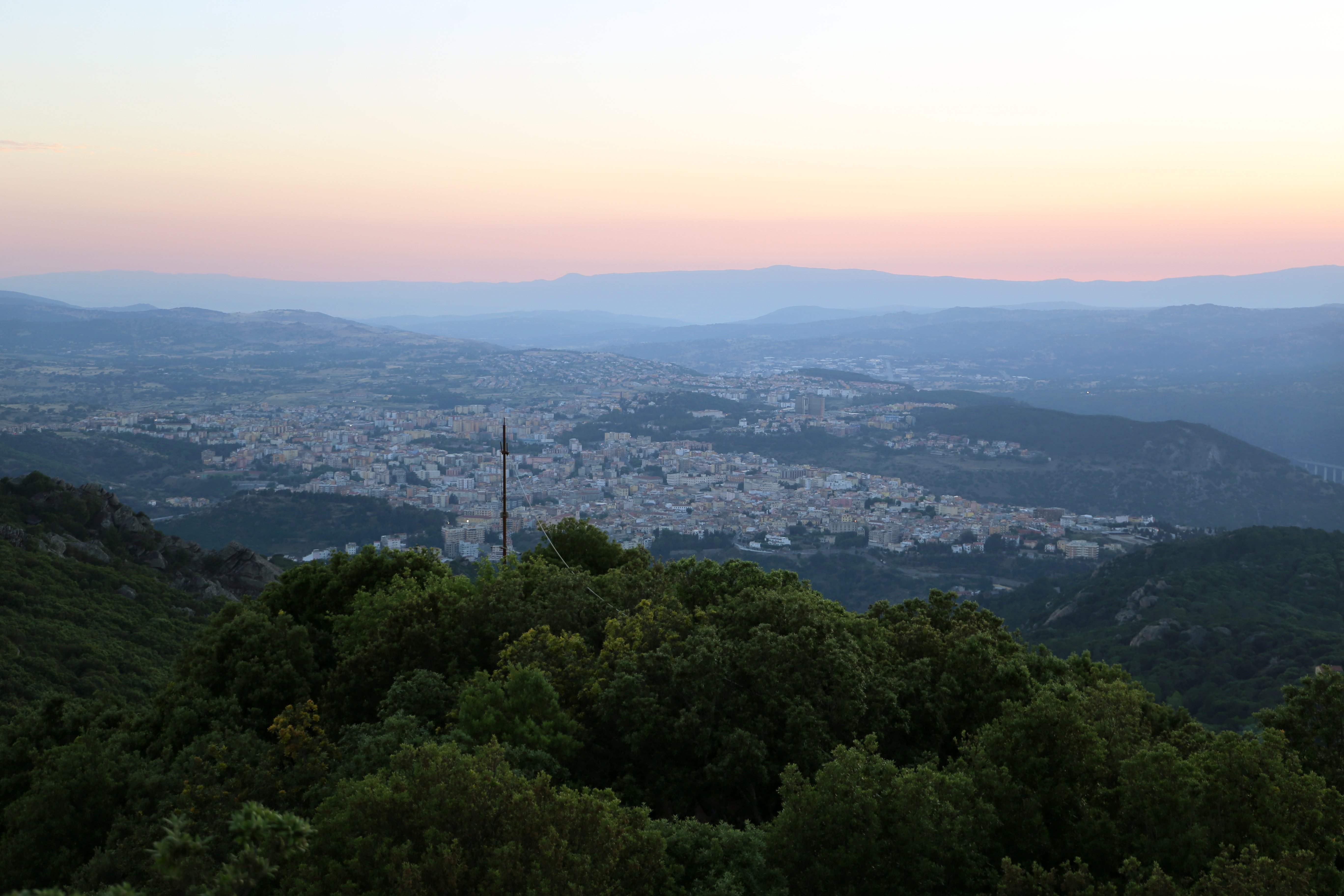
- Nuoro — the gateway to the wild Barbagia interior
- Oristano — west coast city; gateway to Tharros and the Sinis Peninsula
- Costa Smeralda — the glamorous northeastern resort coast
- La Maddalena — island archipelago national park, north of Olbia
- Su Nuraxi di Barumini — the finest Nuragic site on the island
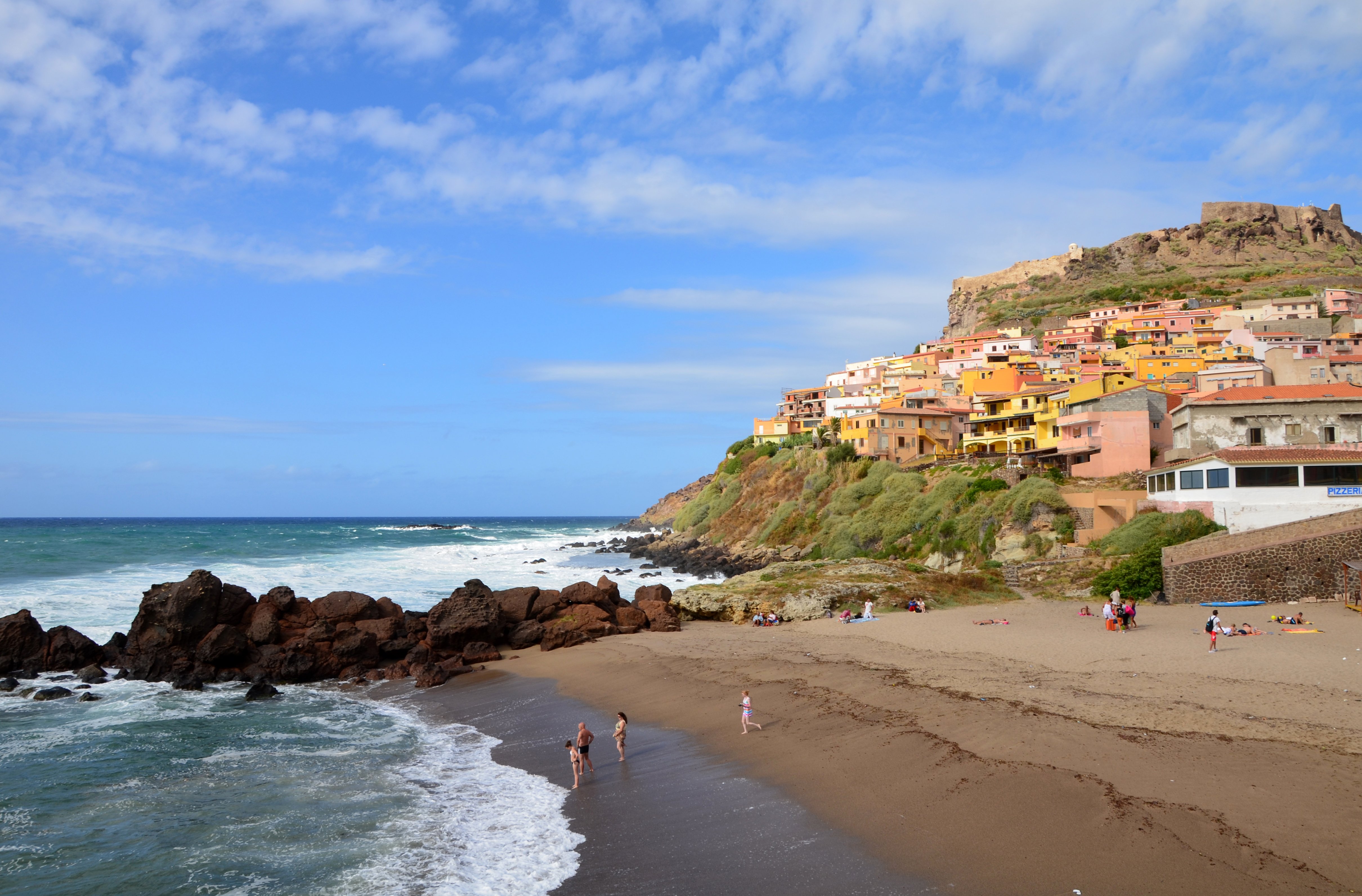
- Castelsardo — medieval hilltop town on the northwest coast
- Isola di San Pietro — small island with a Genoese heritage and excellent beaches
- Dorgali — gateway to the Gulf of Orosei and the Su Gorropu canyon