Dorgali
©
Dorgali

Dorgali

Barbagia craft town and Gulf of Orosei gateway, near Tiscali, Gorropu, and limestone caves.

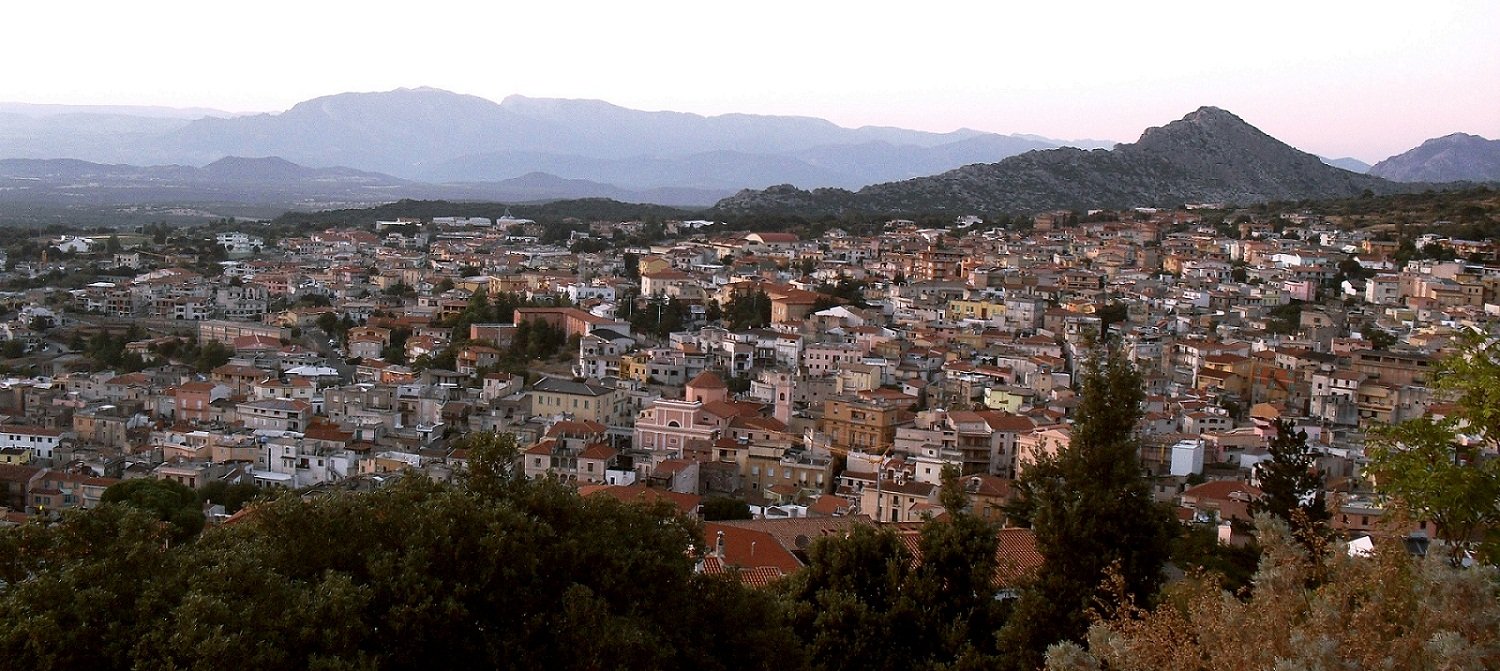
Dorgali sits on the slopes of Monte Bardia in the heart of the Barbagia region, about 15 km south of Nuoro. It's one of the best places in Sardinia to find traditional crafts — the town is known for its leather work, ceramics, and woven textiles, which you can buy directly from artisans' workshops.

The town has a good archaeological museum (Museo Civico) with finds from local nuraghi and the nearby Tiscali site. Tiscali itself — an ancient Nuragic village hidden inside a collapsed cave on the flanks of Monte Tiscali — is one of the most atmospheric archaeological sites on the island, reached by a demanding two-hour hike through the Lanaittu valley.

Dorgali is also the gateway to the Gola Su Gorropu, a dramatic limestone canyon sometimes called Europe's deepest. The Grotta di Ispinigoli to the north is worth an hour of your time for its extraordinary 38-metre stalactite column alone.

The coast below Dorgali — the Gulf of Orosei — is spectacular. Cala Goloritzé, Cala Biriola, and Cala Sisine are among the finest coves on the island, all accessible by boat from Cala Gonone (8 km downhill from Dorgali).

Guide

Getting There

Dorgali is about 15 km south of Nuoro, which has bus connections to Cagliari, Sassari, and the rest of Sardinia. From Nuoro, ARST buses run to Dorgali several times daily. By car, the SS125 runs along the coast nearby and SS131dcn connects inland.

The nearest airport is Olbia Costa Smeralda (about 130 km north), with flights from mainland Italy and across Europe. Cagliari airport is about 200 km south. Renting a car is strongly recommended — the surrounding landscape is best explored with your own transport, and some roads to trailheads require it.

Guide

Shopping

Dorgali is one of the best towns in Sardinia for traditional crafts. Leather goods — belts, bags, sandals — are made in workshops you can walk into and watch. The town also has weavers producing traditional Sardinian textiles (copertine and tappeti), and ceramics decorated with local motifs. Most workshops sell directly and prices are reasonable. The main concentration is along the town centre streets; no specific market day, just browse.

Guide

Things to Do

Dorgali punches well above its size. The town itself is a centre for traditional crafts — leather goods, ceramics, and woven textiles — and the Museo Civico holds finds from the surrounding Nuragic sites. But most visitors come for what lies in the surrounding landscape: the eerie Tiscali village hidden in a collapsed cave, the vast limestone canyon of Su Gorropu, the stalactite grotto of Ispinigoli, and the boat-access coves of the Gulf of Orosei below Cala Gonone.