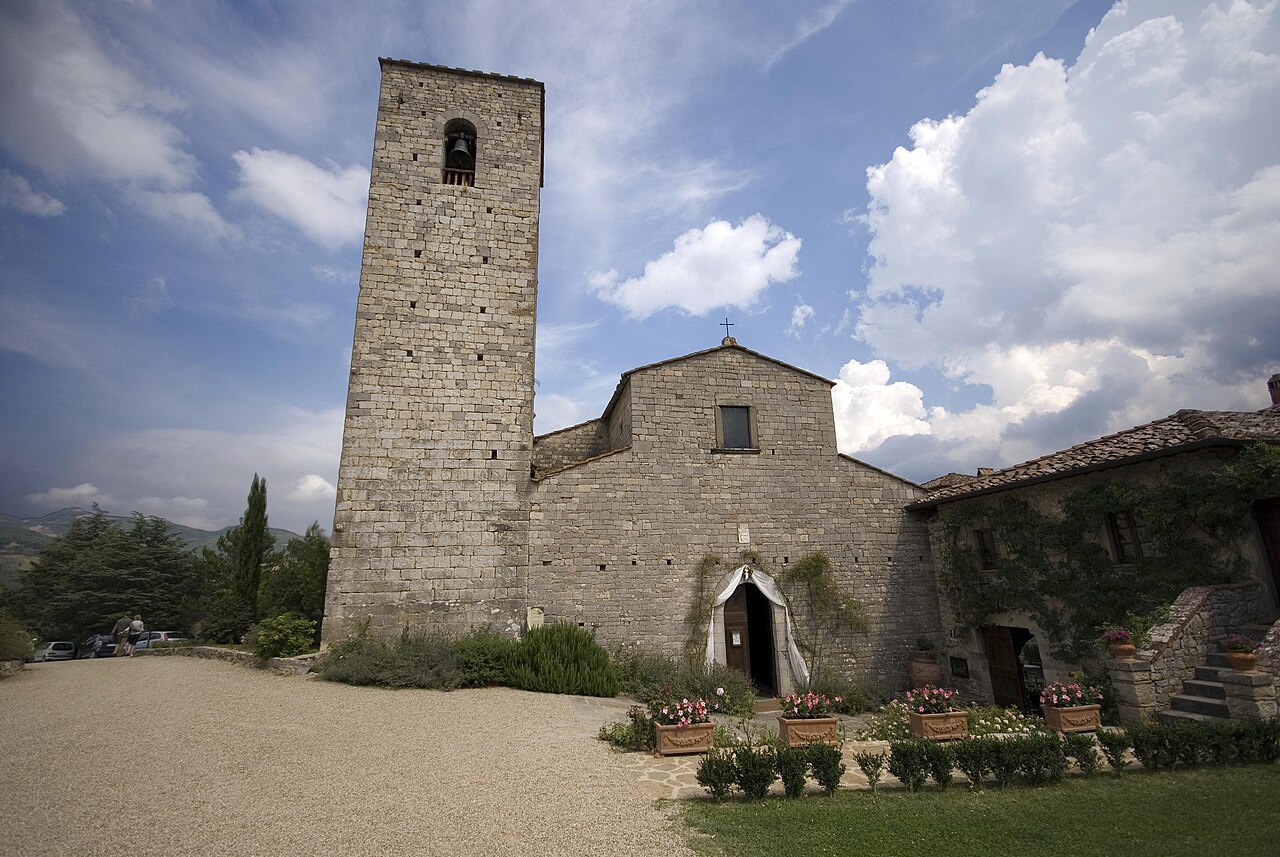
Gaiole in Chianti
©
Gaiole in Chianti

Gaiole in Chianti

Rural Chianti wine village surrounded by working vineyards and medieval castles between Florence and Siena.

Gaiole in Chianti sits on a hill near the northern course of the Arbia river, deep in the wine country between Florence and Siena. This is the quieter, more rural side of Chianti — fewer tour buses, more working vineyards, and a surprising concentration of medieval castles and fortified farmhouses that recall the centuries when this borderland was fought over by the two rival cities.

The Castello di Brolio, seat of the Ricasoli family since 1141, dominates the landscape south of town and is open to visitors — the views from its walls stretch across an ocean of vines and olive groves. Closer to Gaiole, the Badia a Coltibuono produces excellent wine and olive oil from an 11th-century monastic estate. The comune has mapped out six itineraries forming a "Chianti castles route" that threads through towers, fortified churches, and Romanesque pievi — including the Pieve di Spaltenna and the Castello di Meleto — in the surrounding hills.

Viticulture and olive growing remain the lifeblood of the area, as they have been for centuries. Gaiole is a good base for exploring Chianti on foot or by car, with far fewer crowds than Greve or Radda.

Guide

Getting There

Gaiole in Chianti is about 30 km northeast of Siena and 60 km south of Florence, connected to both by the SP408 (the Chiantigiana, or SR222) and secondary roads through the hills. By car from Siena it takes about 35 minutes; from Florence allow 1 hour to 1.5 hours depending on the route you take through the hills.

There is no train service to Gaiole. Buses from Siena run a few times daily and are run by TIEMME; the journey takes about 45 minutes. For most of the castle route and the surrounding wineries, a car is essential — they are scattered across a wide area and not reachable on foot from town. Cycling is a genuine option in spring and autumn; the strade bianche (unpaved white gravel roads) that connect the estates are famous among cyclists and give access to places unreachable by car.

Guide

Things to Do

Gaiole in Chianti is castle country. The comune has mapped out a route connecting towers, fortified farmhouses, Romanesque churches, and medieval abbeys that rise from the vineyards at almost every bend in the road. The big draws are the Castello di Brolio — the largest and most visited — and the Badia a Coltibuono, but the smaller fortifications scattered across the surrounding hills reward those who explore on foot or by bicycle. Wine tasting, either at the estates themselves or at the small enoteca in town, is an integral part of any visit.

Guide

When to Go

Gaiole in Chianti is at its best in autumn, when the harvest fills the air with the smell of fermentation and the vineyards turn gold and amber. The grape harvest (vendemmia) runs from mid-September into October, and many estates open their cellars during this period for tastings and tours. The weather is still warm, the crowds thinner than in summer, and the light is soft and theatrical.

Spring (April to June) is also excellent — the vineyards are a brilliant green, wildflowers fill the verges of the castle roads, and the hillsides have a freshness that summer bakes out of them. July and August bring heat and more tourists, especially on weekends when day-trippers arrive from Florence and Siena. Winter is quiet, some restaurants close, but the foggy mornings in the valleys have their own appeal and accommodation prices drop significantly.

L'Eroica, a celebrated vintage bicycle race through the Chianti strade bianche (white gravel roads), takes place in early October and brings thousands of cyclists to the area — accommodation books up early for that weekend.

chianti