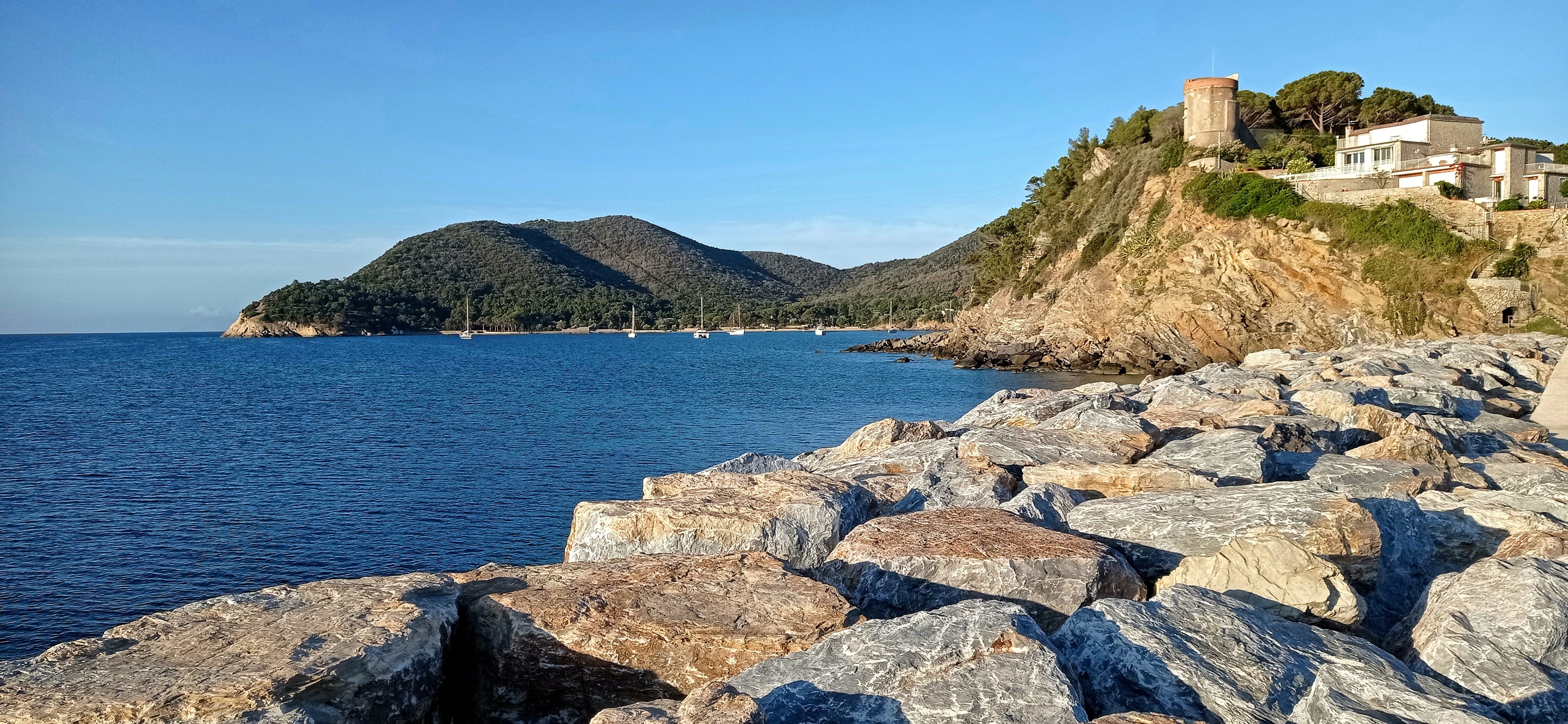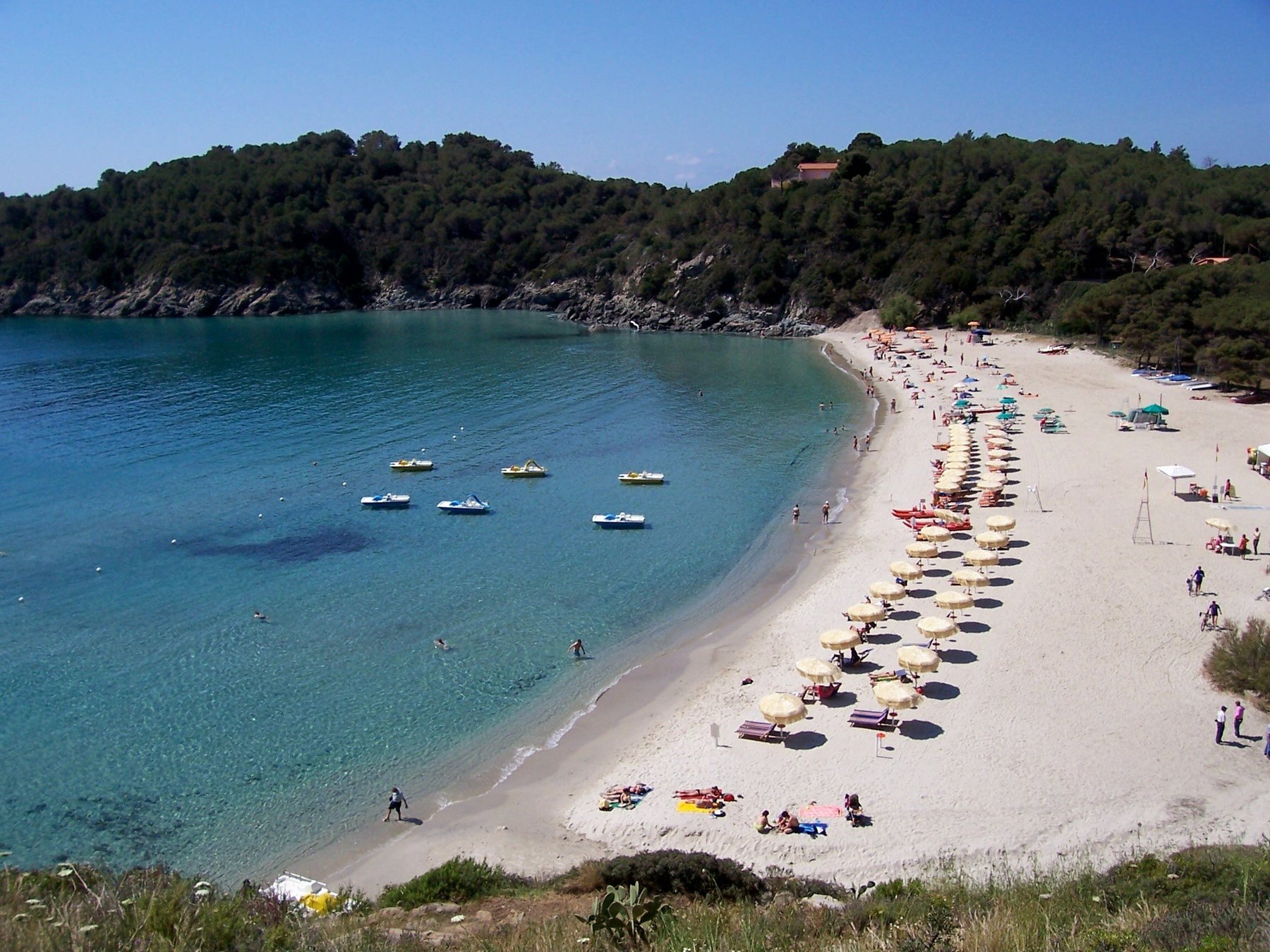
Elba is the largest and best-known of the seven islands of the Tuscan Archipelago — a granite-and-schist mountain poking out of the Tyrrhenian Sea roughly halfway between the Italian mainland and Corsica. It is a short ferry from Piombino (about an hour) and feels like a world away from mainland Tuscany: over 150 km of coastline, more than fifty beaches, pine forests climbing the slopes of Monte Capanne (1,019 m), and a long history of mining that made it rich long before it became a summer resort.
The island's most famous resident is Napoleon, who spent his first exile here from May 1814 to February 1815 and in those ten months managed to reform the administration, build roads, and plant the seeds of Elba's tourism. His town house, the Palazzina dei Mulini in Portoferraio, and his summer retreat, the Villa di San Martino a few kilometres inland, are both open to visitors; together they hold the best Napoleonic collection outside France.
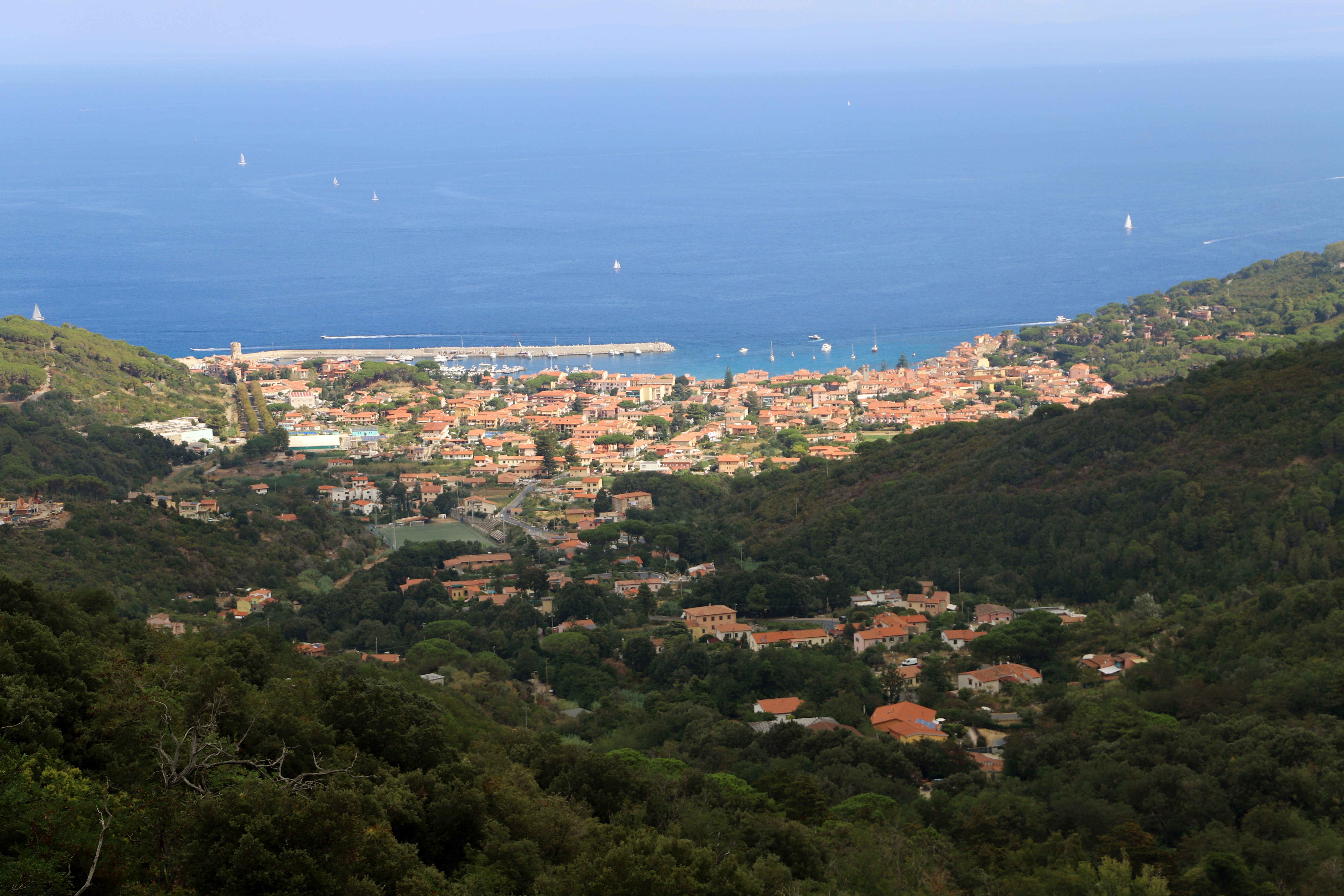
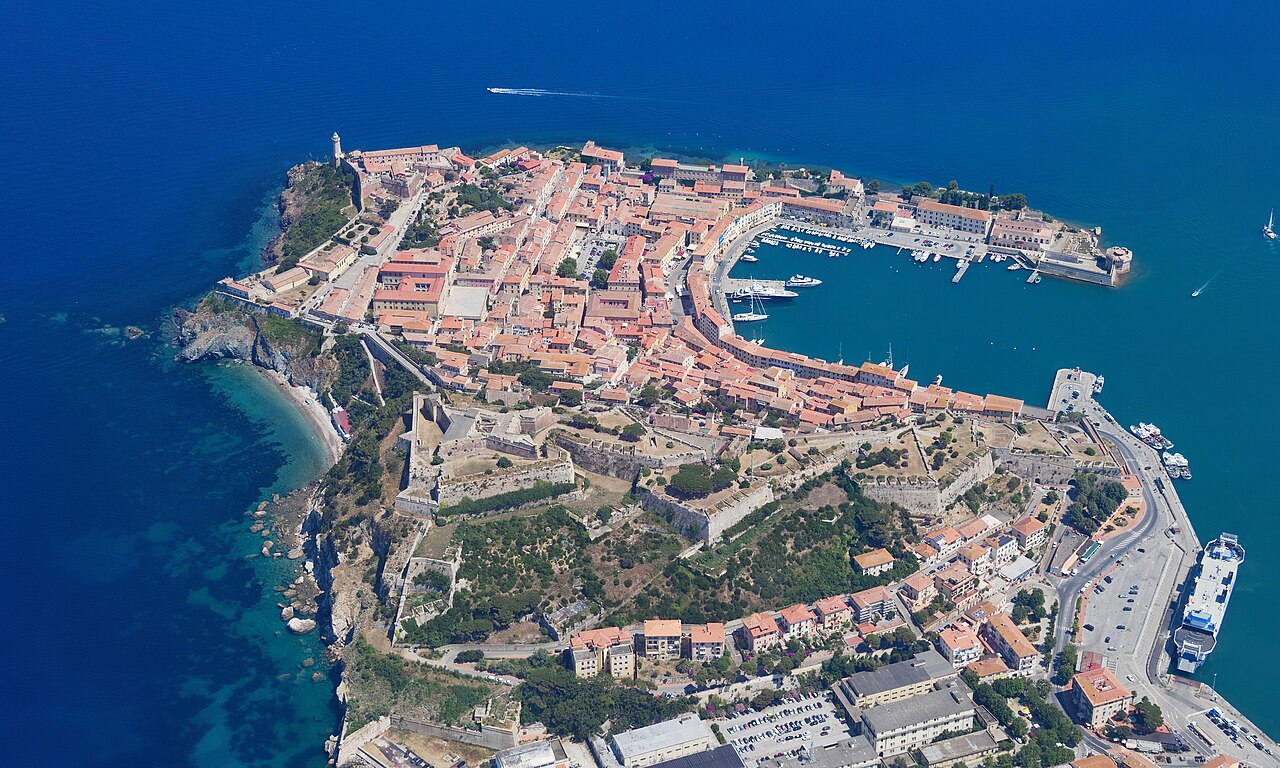
Portoferraio is the natural capital — a Medici-era walled city wrapped around one of the safest harbours in the Mediterranean, with bastions, forts and a tangle of stepped lanes. On the north coast, Marciana Marina is a quieter former fishing village at the foot of Monte Capanne; on the south coast, Marina di Campo has the longest sandy beach on the island and most of the family resorts. The eastern side, around Rio and Capoliveri, is rougher and rustier — this is the old iron-mining country, and the rocks are famous among mineral collectors.
Come for swimming, walking and good seafood. Avoid August if you can: the island fills up, the prices double, and water shortages are common. May, June and September are the best months — warm sea, empty coves, and enough open restaurants to eat well.