Pontassieve
©
Pontassieve

Pontassieve

Tuscan wine town at the Arno-Sieve confluence, anchored by a Medici bridge and Chianti Rufina.

Pontassieve sits at the confluence of the Arno and the Sieve, fourteen kilometres east of Florence. The name says everything: it is the bridge — the Medici Bridge — over the Sieve, built in 1555 by order of Cosimo I and still in use. The town that grew up around it is the entry point to the Sieve valley and the heart of the small but prestigious Chianti Rufina wine zone.

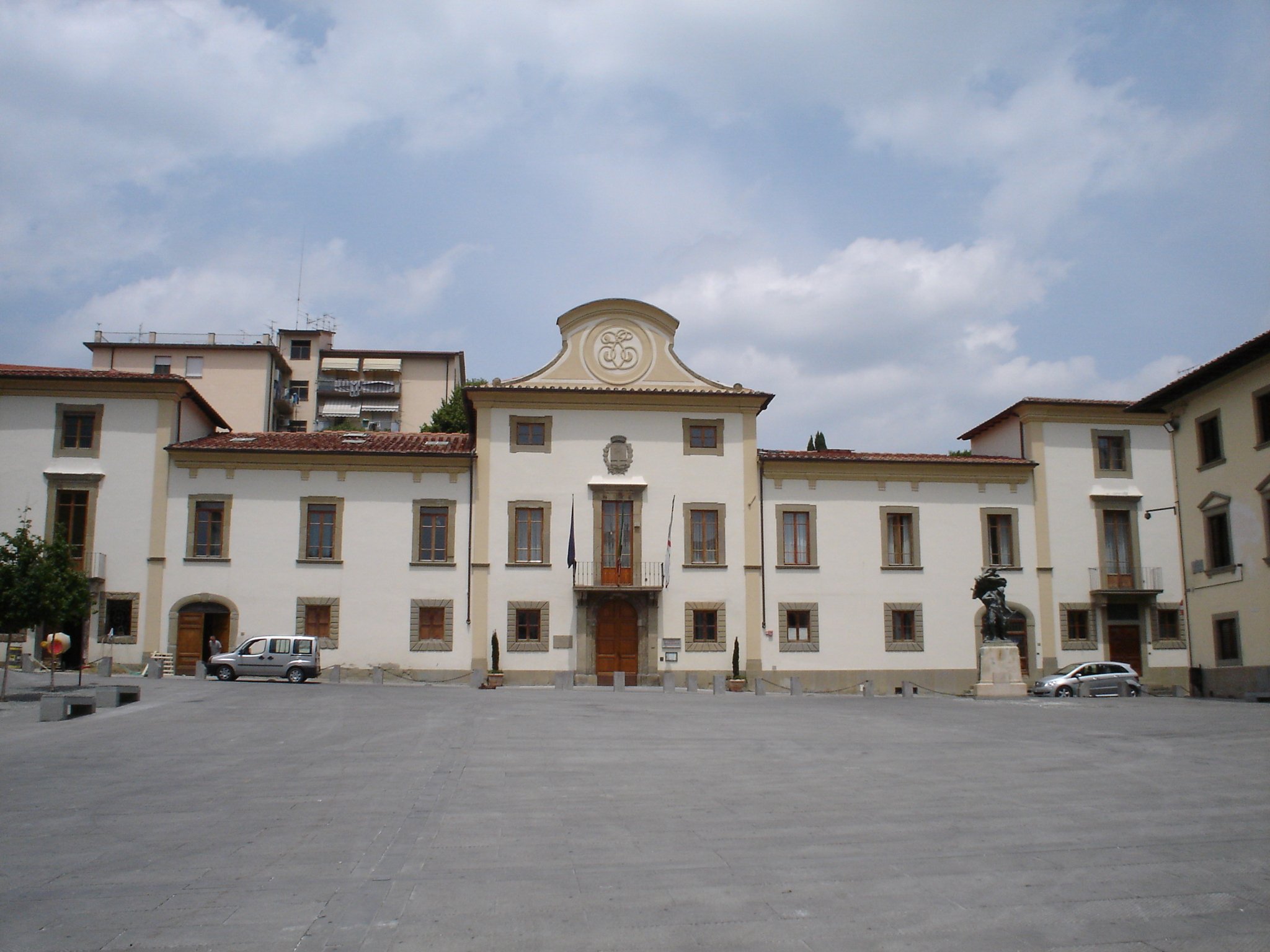
The walled medieval core has held its shape. The 14th-century Florentine fortification, the Castello di San Michele Arcangelo al Ponte a Sieve, still shows three gates — Porta dell'Orologio to the east, Porta di Filicaia to the south, Porta Fiorentina to the west — and the Palazzo Sansoni-Trombetta, now the town hall, at its centre. A walk through any of the gates leads quickly out into the open country of the Sieve valley.

The wider commune climbs into wooded ridges on either side of the river. Old villas and isolated parish churches — Villa della Pievecchia, Pieve di San Lorenzo at Montefiesole, the abandoned tower of Montebonello, the Pieve at Acone — punctuate the hills, linked by the network of CAI footpaths described in the Footpaths section. The whole Chianti Rufina wine zone fans out east from the town, with the Frescobaldi castle at Nipozzano and Castello del Trebbio open to visitors by appointment.

Use Pontassieve as a base for the valley, not as a destination in itself. The town is workmanlike and prosperous, with a busy weekly market on Wednesdays and a handful of decent osterias around the centre, but its real value is as a station stop on the Florence line with a quieter side of Tuscany at its back door.

Guide

Getting There

Pontassieve sits on the Florence–Arezzo main line, fourteen kilometres east of Florence. Trains from Firenze Santa Maria Novella take about twenty minutes and run several times an hour; the regional services to Pontassieve are cheap and convenient. The station is on the western side of town, a five-minute walk from the medieval centre.

By car, the SS67 follows the Arno east out of Florence and runs straight through Pontassieve before turning up the Sieve valley. The A1 motorway exit at Incisa is ten minutes south, useful if you're coming from Rome or Bologna. Parking on the streets around the station is usually easy outside market days.

Guide

Things to Do

Pontassieve preserves the three gateways of its 14th-century Florentine fortified wall — Porta dell'Orologio (east), Porta di Filicaia (south), and Porta Fiorentina (west) — and a Medici bridge over the Sieve from the 16th century. The town is a base for walking routes into the surrounding hills, marked by the Italian Alpine Club (CAI) and local excursion groups. The Chianti Rufina wine zone begins here; several wineries in the valley are open for tastings.

Guide

When to Go

Spring and autumn are the best seasons. April and May bring wildflowers across the hills and the wineries shake off the winter. September and October are harvest time in the Chianti Rufina vineyards, when the vines glow gold and the cellars are at their busiest.

The Bacco Artigiano festival in late September is the highlight of the year, with all the local wineries pouring in the streets of the old town. Summer is hot but not oppressive — the valley sits at 100 metres above sea level and catches the breeze from the surrounding hills. Winters are mild and grey; many of the hill villas and wineries close for the season.