Peja (Albanian: Pejë; Serbian: Peć) sits at the mouth of the Rugova Gorge, where the Bistrica river tumbles out of the Accursed Mountains — the dramatic limestone range that marks Kosovo's border with Montenegro and Albania. With around 85,000 inhabitants, it is the main city of the Dukagjin region and a gateway to some of the most spectacular mountain scenery in the western Balkans.
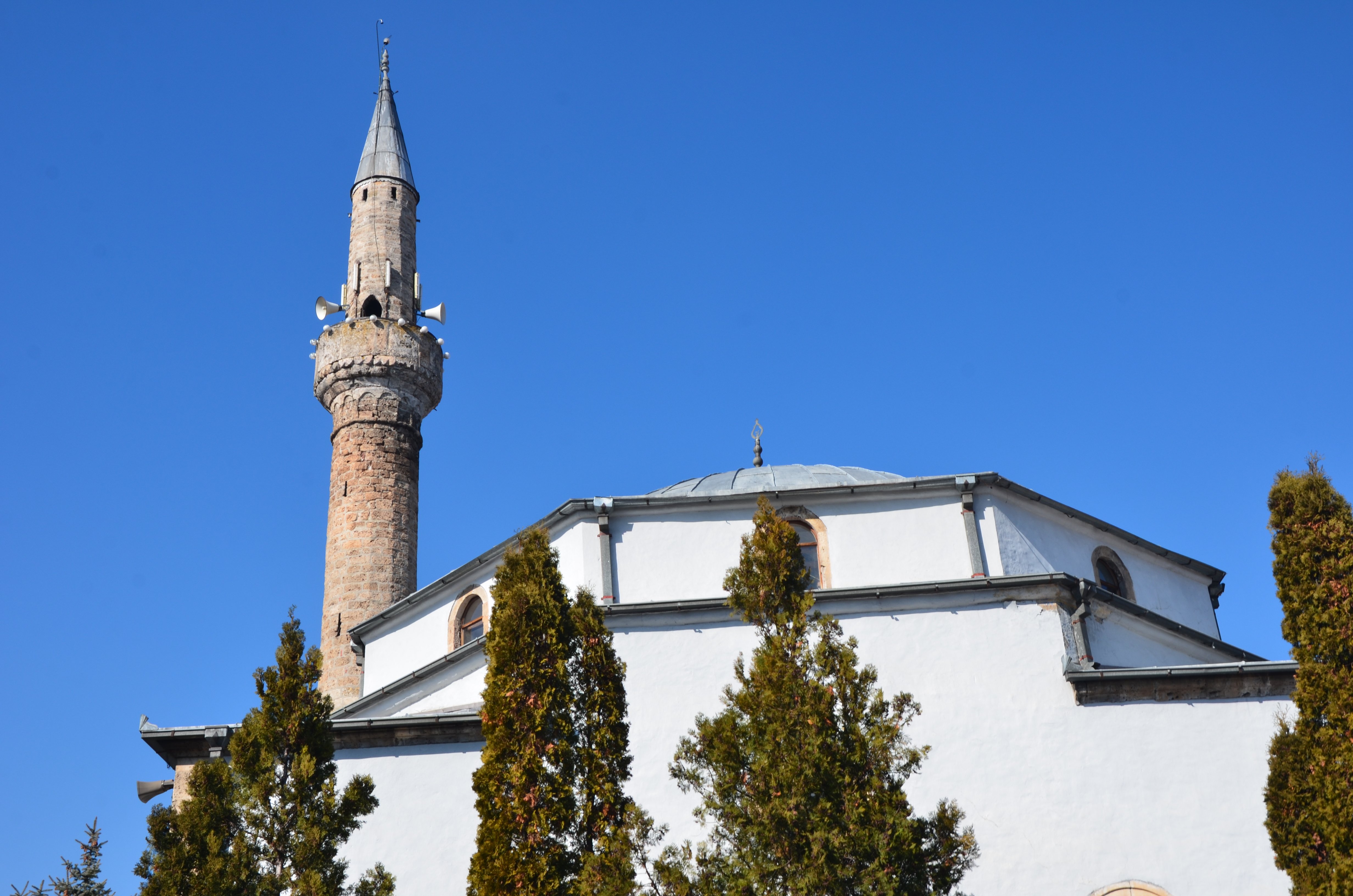
The old town still shows the layers of history plainly. During the medieval Serbian kingdom, Peja was a religious center of the first order — the Patriarchate of Peć, a fortified monastery complex just outside the city, served as the seat of the Serbian Orthodox Church for centuries. When Ottoman rule arrived, the city was rebuilt in the Balkan-Islamic manner: cobblestone lanes, interior courtyards with brooks running through them, small workshops, and the elegant Bajrakli Mosque dating from the 15th century.
Worth seeking out are the preserved houses of Albanian feudal lords: Tahir Bey's Palace and Jashar Pasha's House both survive. The Sheremet Tower is a good example of a Dukagjin stone tower — thick walls, rifle-loop windows, tall carved-wood ceilings, and high garden walls that kept family life private from the street.
The old çarshia (bazaar street) in the center still has craftsmen's shops — coppersmith and goldsmith workshops alongside the newer cafés — and makes for a pleasant half-hour wander. The Rugova Gorge begins just beyond the Patriarchate and draws hikers and climbers from across the region.