Pristina is the capital of Kosovo and a city that wears its complicated history on its sleeve. Ottoman mosques sit next to brutalist Yugoslav apartment blocks, which sit next to glass-and-steel EU-funded buildings. The result is not pretty in the conventional sense, but it is never boring.
The city has grown rapidly since Kosovo declared independence in 2008, and much of the centre has been rebuilt or renovated. Mother Teresa Boulevard, the main pedestrian street, is lined with cafes and shops and fills with people every evening for the traditional xhiro — the slow promenade that is one of the Balkans' great social rituals. The population skews remarkably young, and the energy is palpable.
The Battle of Kosovo was fought in 1389 on the Kosovo Polje plain just outside the city, and it remains one of the most mythologised events in Serbian history. The Gazimestan monument marks the battlefield. The contrast between that historical weight and the young, forward-looking energy of modern Pristina is one of the city's defining qualities. Streets named after Bill Clinton and George W. Bush — both have statues here, a reflection of US support for Kosovo's independence — only add to the disorienting layers.
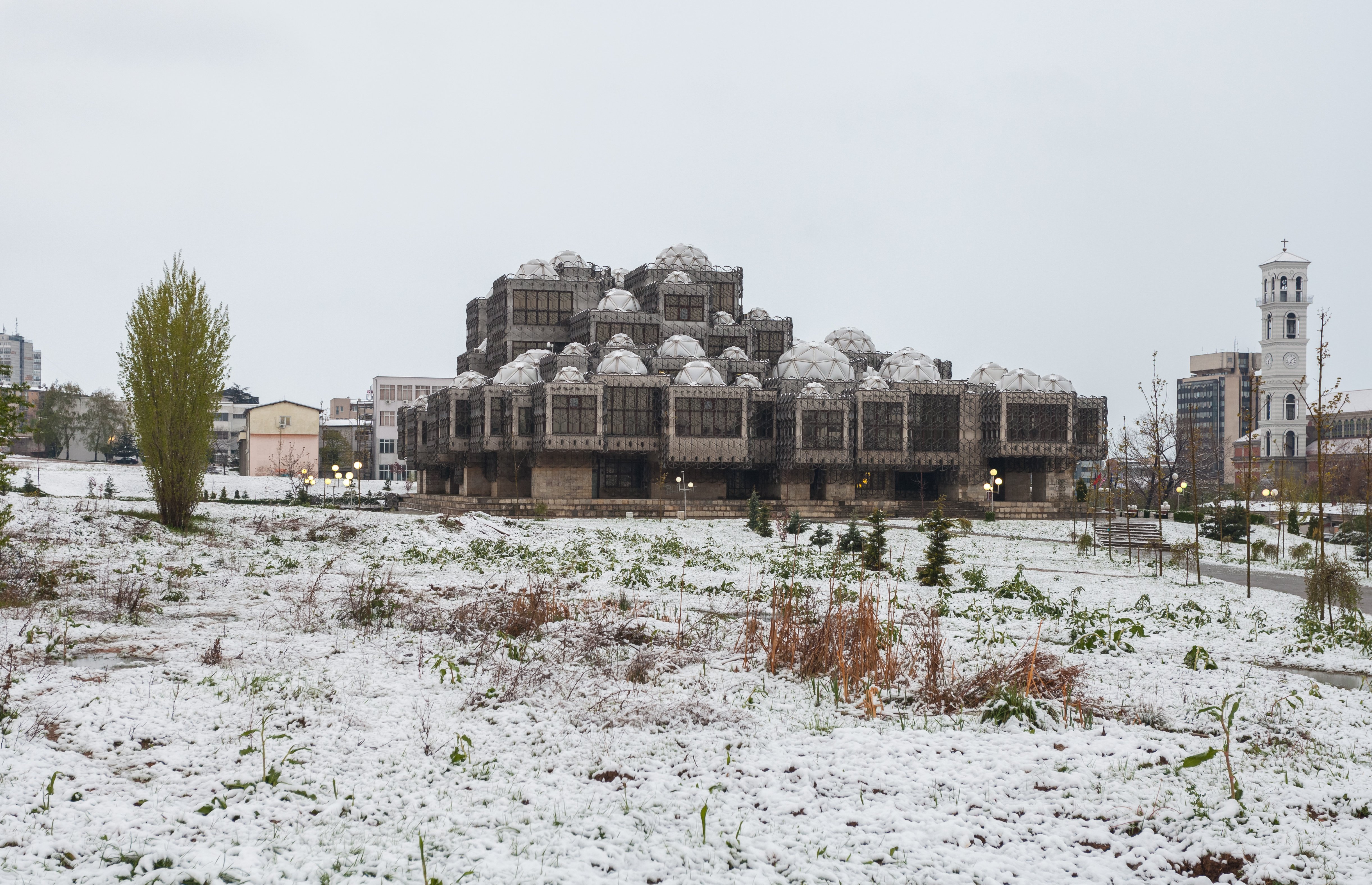
Pristina is not a city of grand monuments, but it has a few worth seeking out. The National Library of Kosovo, an extraordinary piece of brutalist architecture draped in metal lattice, is either magnificent or hideous depending on who you ask. The Imperial Mosque and the Bazaar of Pristina give a sense of the Ottoman city that once was. The Newborn Monument, repainted every year on the anniversary of independence, has become the city's most recognisable symbol.
The cafe culture here is serious. Espresso is cheap, strong, and consumed in enormous quantities. On a warm evening, it can feel like the entire city is sitting outside with a macchiato. The nightlife scene punches well above its weight for a city this size, with a good mix of basement bars like Zanzibar, live music venues, and proper clubs.
Day trips from Pristina are easy. The medieval Gračanica Monastery, one of the finest examples of Byzantine architecture in the Balkans, is about 10km south and fully accessible. The Patriarchate of Peć (near Peja) is another important Orthodox site.