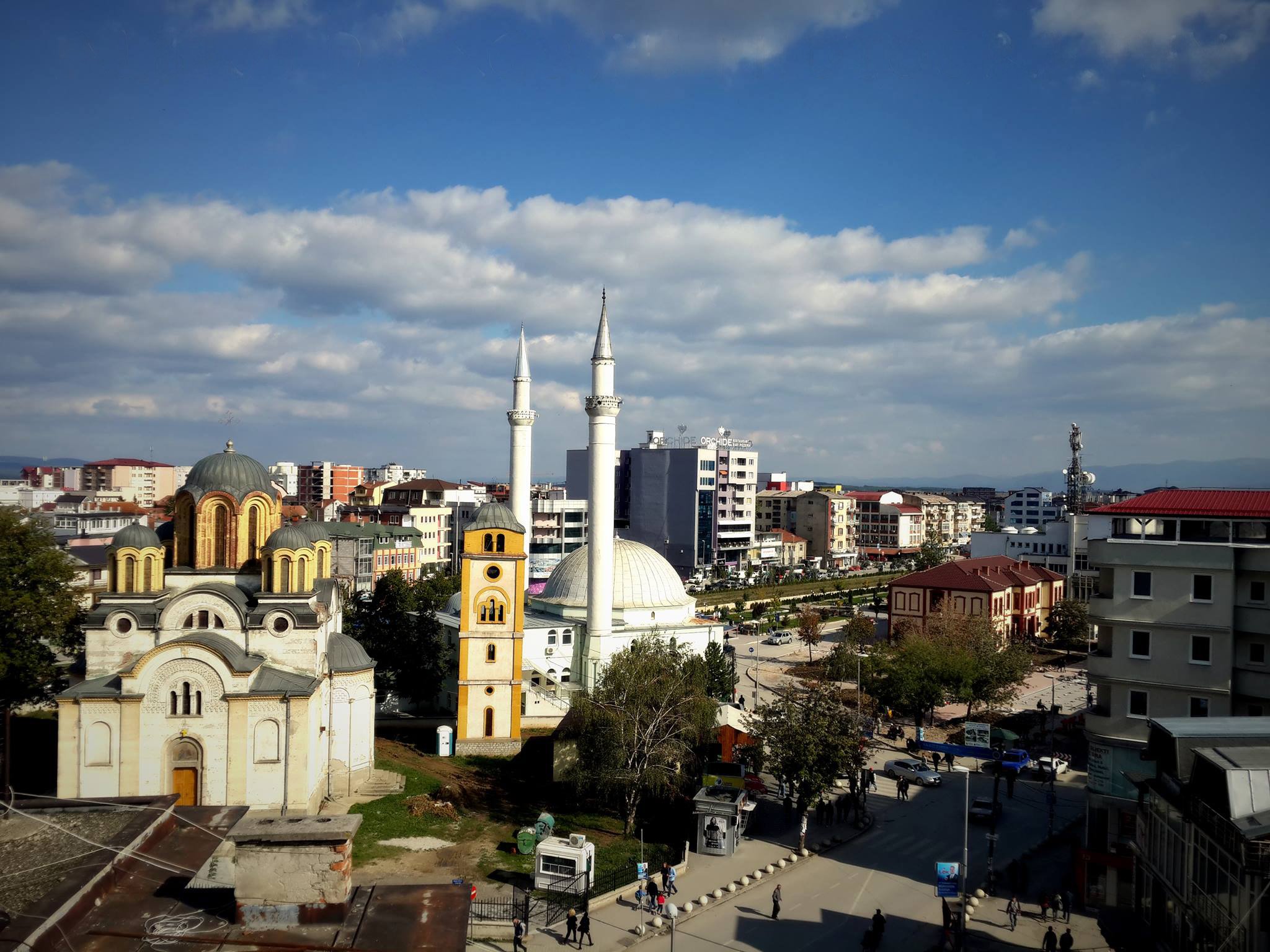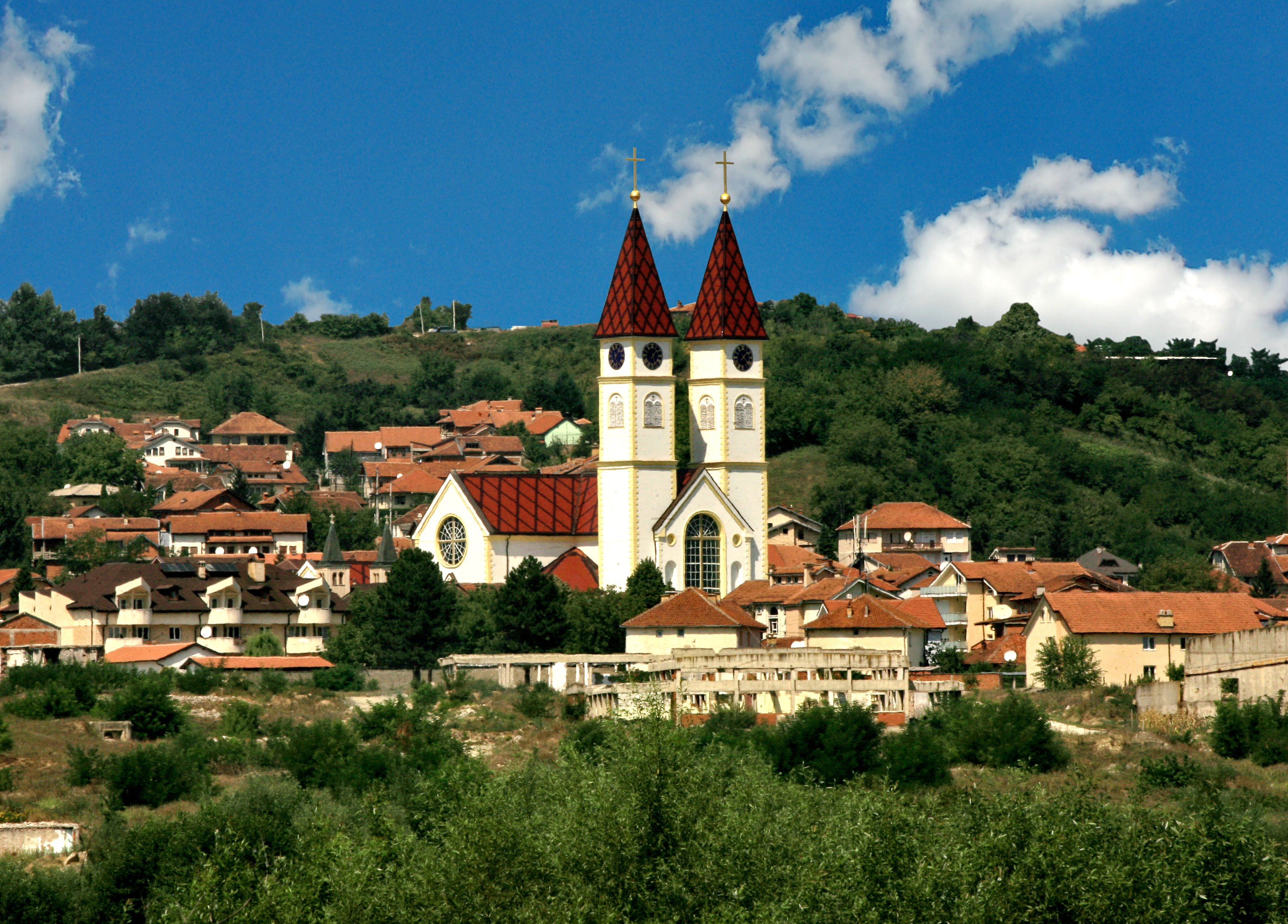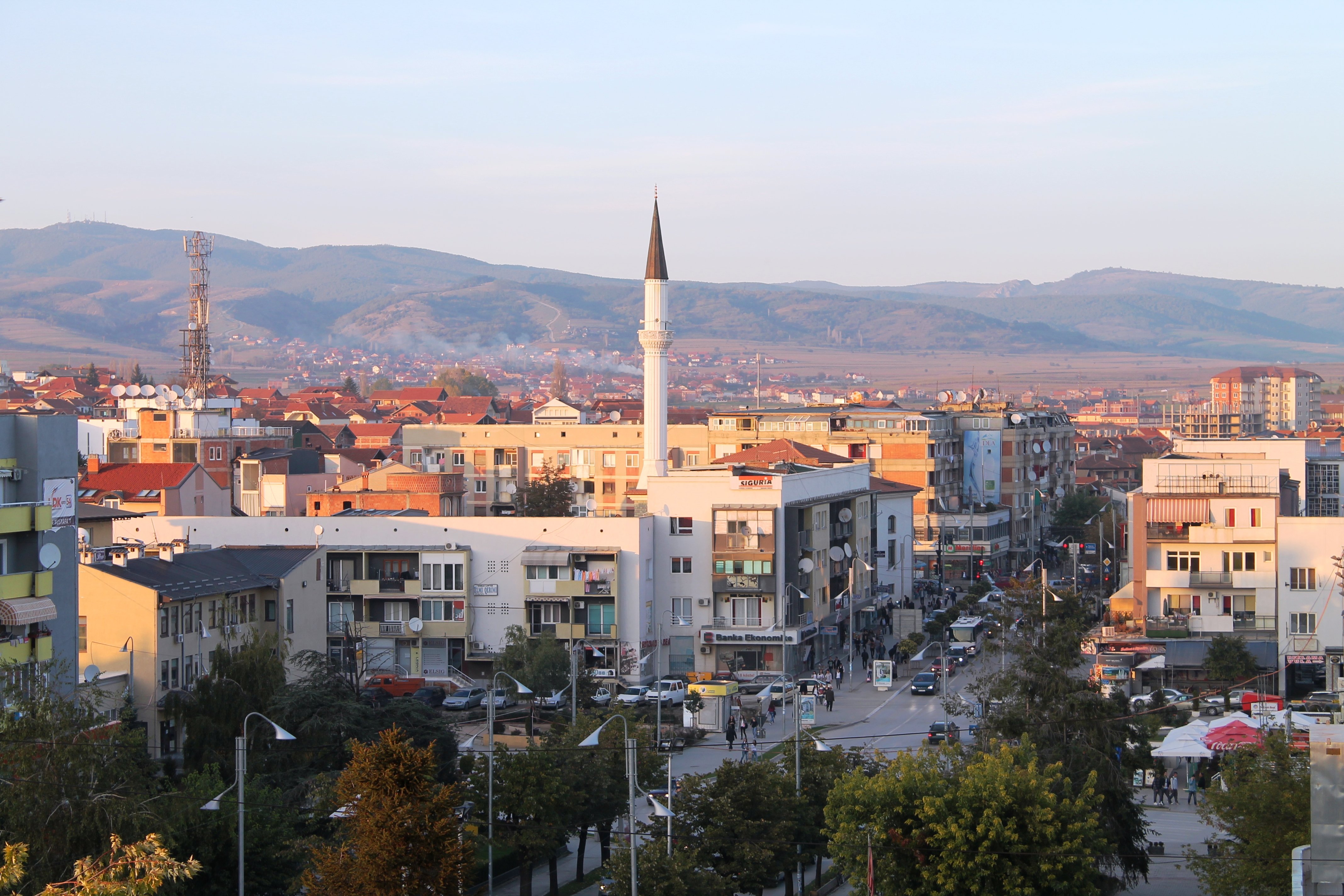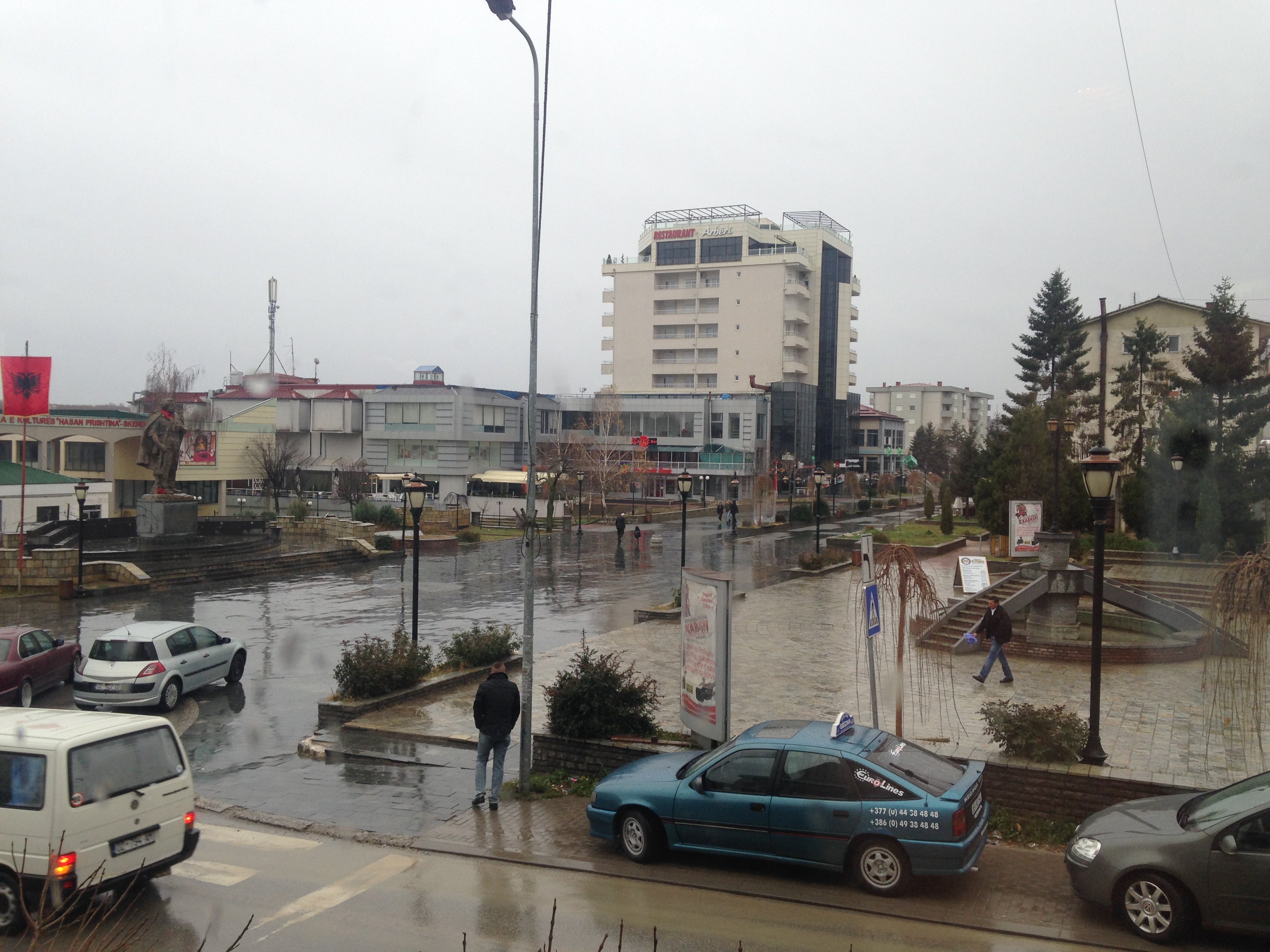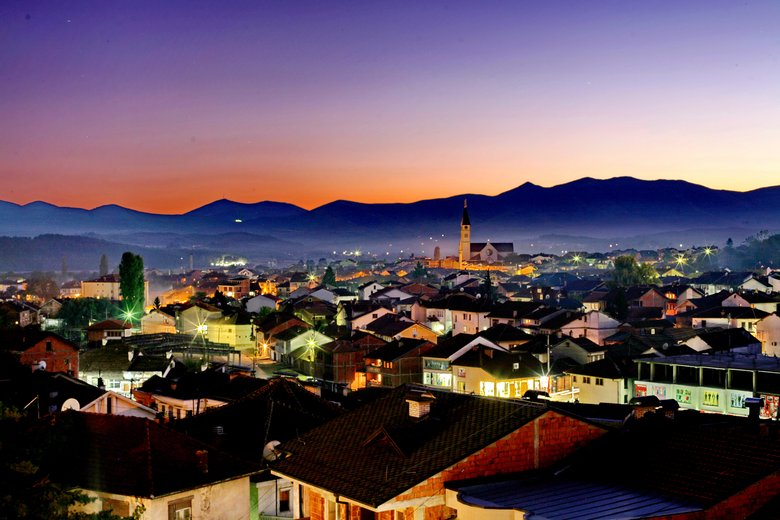
Kosovo declared independence from Serbia in 2008 and is recognized by over 100 countries, though not by all. It is small, young, and still figuring itself out — which makes it an interesting place to visit. The atmosphere is hopeful and the welcome is warm, especially toward Westerners whose countries supported independence.
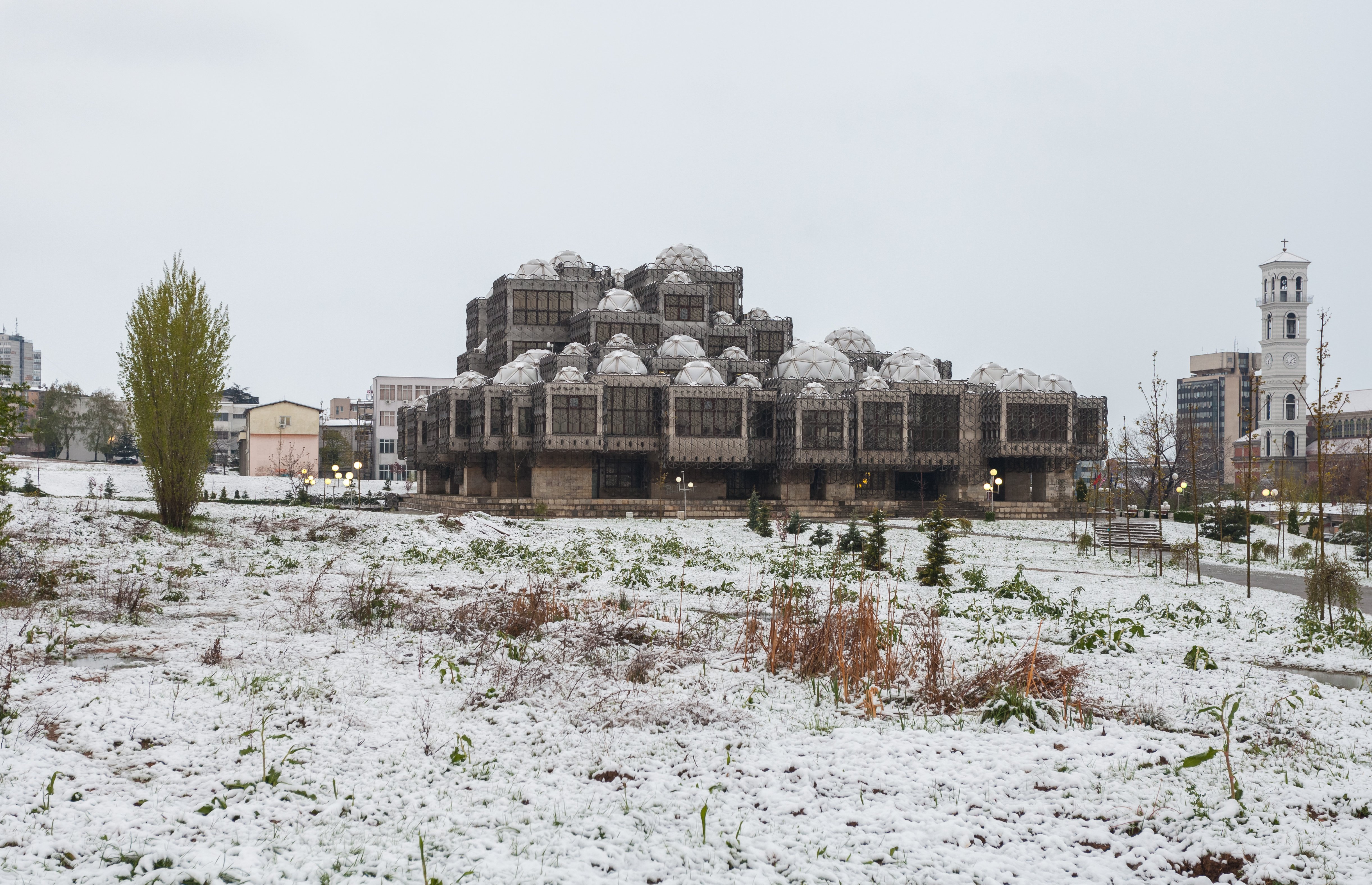
The capital Pristina is not a beautiful city by Balkan standards — decades of neglect and rapid unplanned growth have taken their toll — but it has energy, good cafes, a young population, and some striking monuments including the controversial Newborn sculpture and the National Library, one of the strangest buildings in Europe. The Bill Clinton statue on the boulevard named after him tells you something about Kosovo's relationship with the United States. Just outside the city, Gazimestan marks the site of the 1389 Battle of Kosovo — a defining moment of Serbian national mythology, and the site of a 1989 Milošević speech regarded as an opening act of Yugoslavia's collapse.
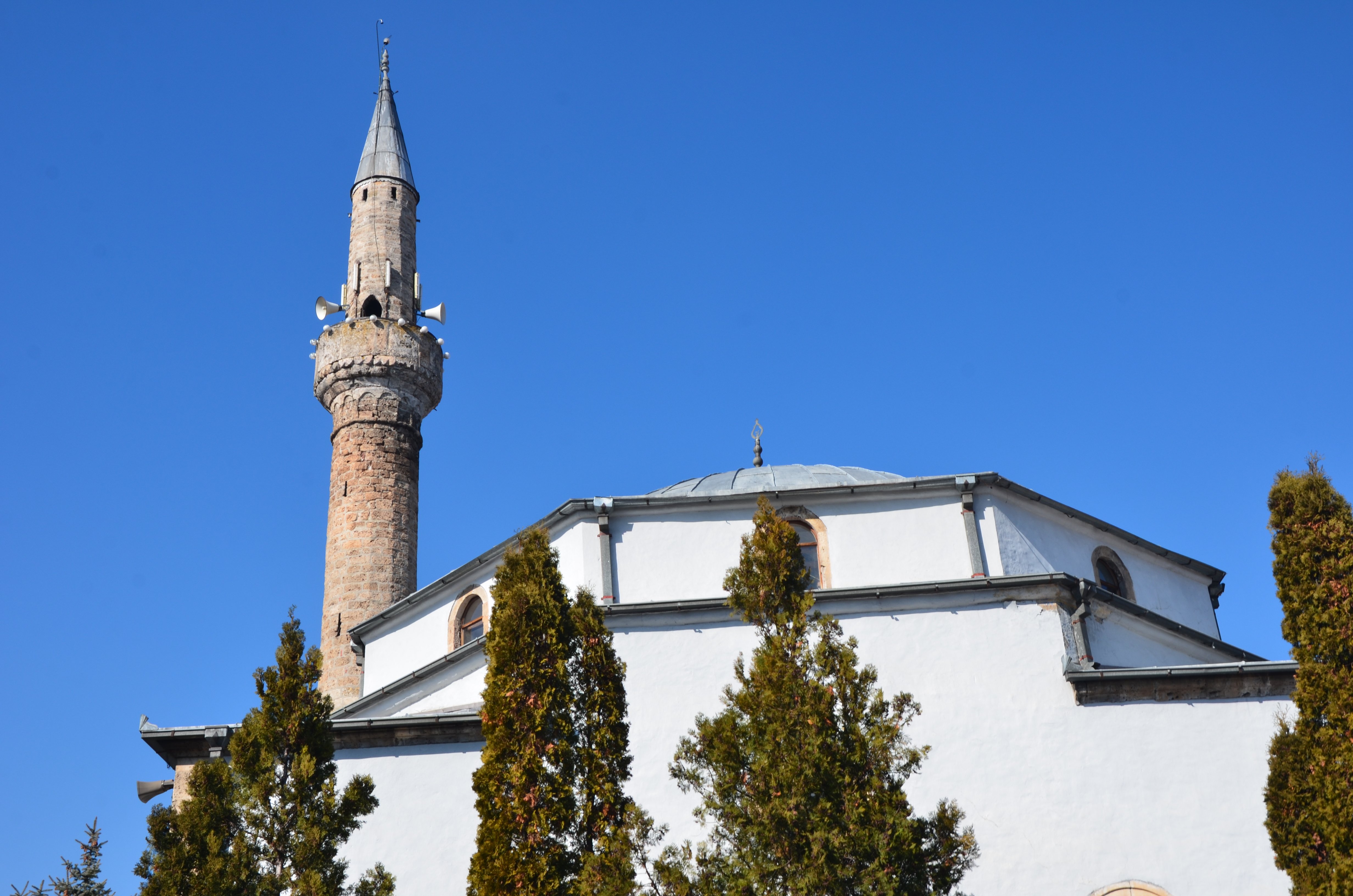
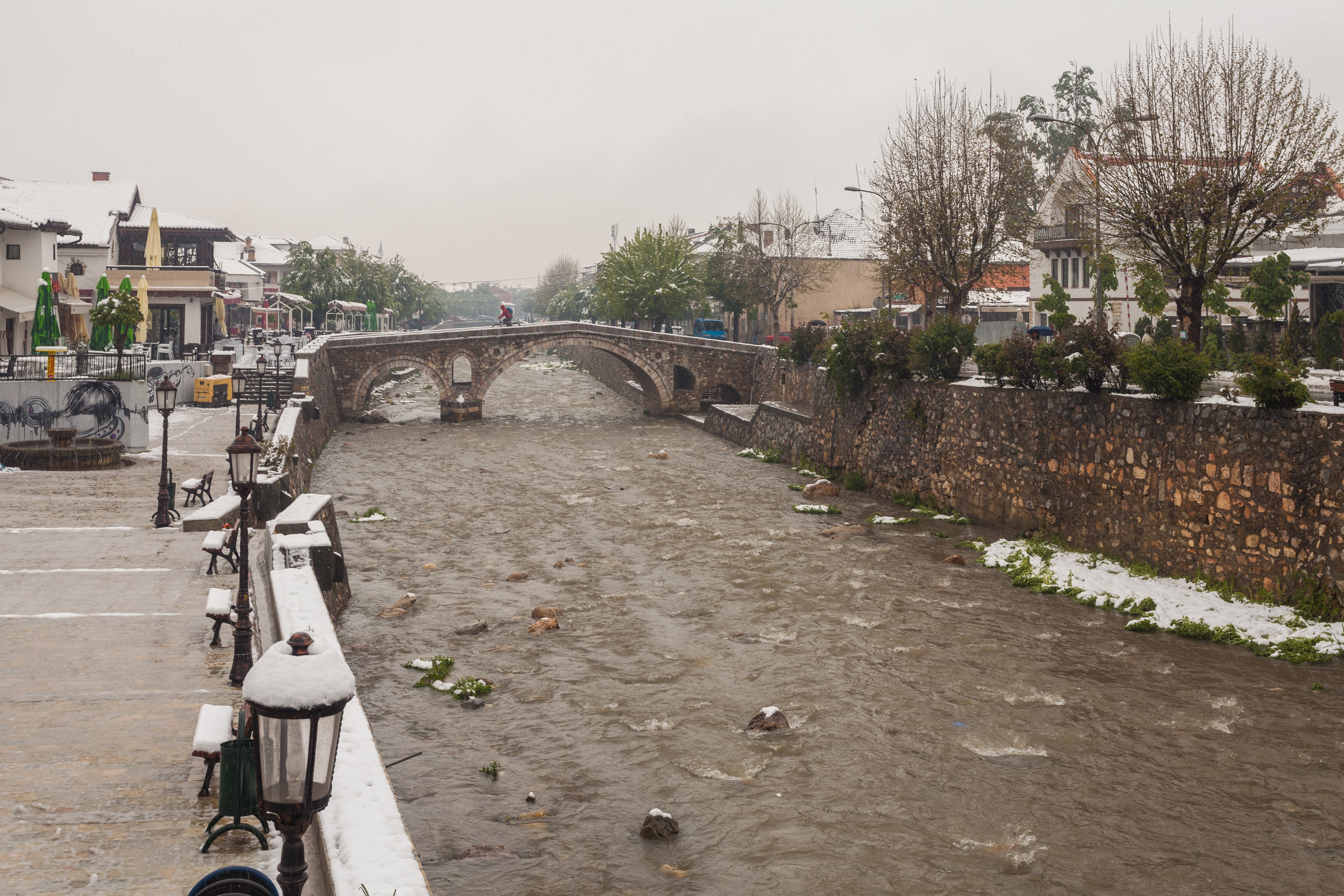
Prizren is the real draw. A gorgeous Ottoman-era town on a river, with mosques, churches, a hilltop fortress, and a café culture that rivals anything in the region. It hosts the Dokufest documentary film festival in August, which fills the town with international visitors and outdoor screenings. Peja (Peć) is the gateway to the Rugova Gorge and the Accursed Mountains — excellent hiking and via ferrata country that sees very few tourists.
The monasteries of Dečani and Gračanica are among the finest medieval Serbian Orthodox churches anywhere, UNESCO-listed and still guarded by international peacekeepers. Visiting them is a reminder that Kosovo's history is layered and contested in ways that don't have easy answers.
Travel in Kosovo is straightforward. Roads are decent, buses connect the main towns, and everything is cheap. Note that if you enter Kosovo from Serbia, Serbia may consider you to have entered illegally — cross from Albania, Montenegro, or Macedonia to avoid complications.