León sits at the edge of the Castilian meseta where the pilgrimage road to Santiago de Compostela descends from the mountains. It's a city that punches above its size: the cathedral alone would justify a detour, and the old quarter has enough Roman walls, Romanesque churches, and tapas bars to fill a proper few days.
The city was founded as a Roman legionary fortress — Legio VII Gemina — and the name León is simply a corruption of Legio. It became the capital of the medieval Kingdom of León, one of the most powerful states in Christian Iberia, and the wealth from that era built the monuments that still define the city. When the kingdom eventually merged with Castile, León lost political weight but kept its architecture.
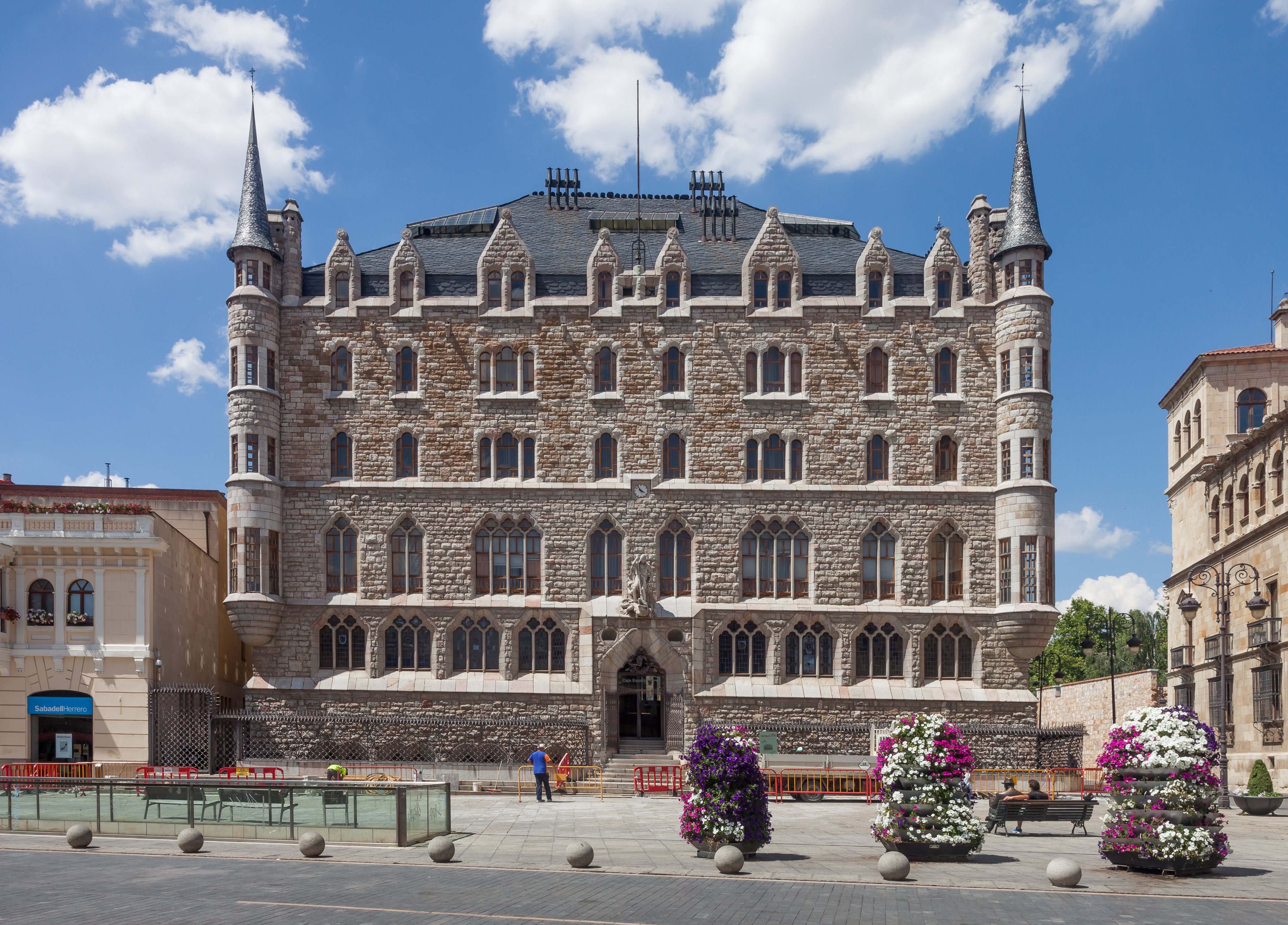
The old quarter is compact and walkable. The cathedral, the Basílica de San Isidoro, and San Marcos are all within easy reach of each other. After dark, the Barrio Húmedo — literally the "wet quarter" — fills up for the evening tapas ritual, which in León is taken seriously: order a drink and a small free tapa appears automatically. The Plaza Santo Domingo corner is worth seeing for the contrast between the Palacio de los Guzmanes and Casa Botines, Gaudí's sole León commission.
The Camino de Santiago passes through León, and the city is a natural rest stop. Pilgrims have been stopping here for a thousand years, and the infrastructure — hostels, bars, a general sense of hospitality — reflects that long tradition. The MUSAC contemporary art museum, a 20-minute walk from the old quarter, is worth a half-day for those who like their medieval and modern in the same visit.