Ons Islands
©
Ons Islands

Ons Islands

Galician Atlantic archipelago in the Illas Atlánticas park, with quiet paths, beaches, and lighthouse cliffs.

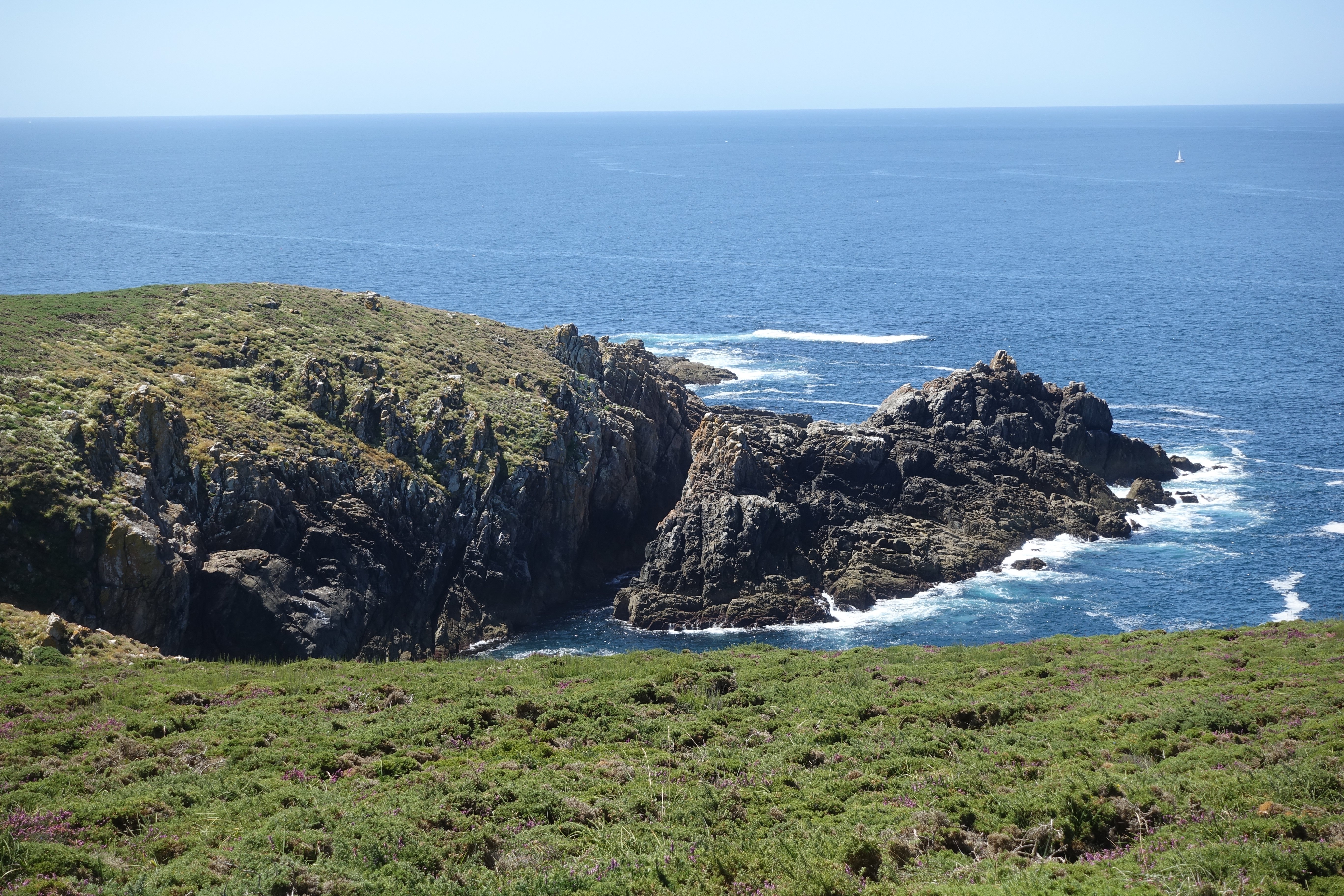
The Illas Ons are a small, windswept archipelago in the Atlantic off the coast of Galicia, marking the seaward edge of the Ría de Pontevedra. They are part of the Illas Atlánticas National Park, Galicia's only national park, which also covers the better-known Cíes islands further south. Ons is quieter, emptier, and more atmospheric than its famous neighbours: a single main island with a handful of beaches, a lighthouse on a cliff, and the stone cottages of a village whose inhabitants made a living from octopus and shellfish until the 1970s, when most of them left.

The main draw is simply the walking. From the ferry pier at Area dos Cans, paths radiate out through low scrub and dune to the lighthouse, to the beach at Melide (one of the loveliest unspoilt beaches in Galicia), and south to the Buraco do Inferno — a sea-eroded pit where you can hear the Atlantic booming away below your feet through the rock. The whole island can be walked in a few hours, and the number of daily visitors is capped, so even at the height of summer it rarely feels crowded.

Boats run in the summer months (roughly June to September) from Sanxenxo, Portonovo, Marín, and Bueu — the crossings take about forty minutes. Day trips are the standard, but there is a controlled campsite on the island if you want to stay overnight, which is the best way to see Ons in the evening after the day boats have left. Bring water and food: there is a small café but limited supplies. And come prepared for the wind, which rarely takes a day off.

Guide

Beaches

The beaches on Ons are among the finest in Galicia — white sand, clear Atlantic water, and (because the island is a national park with capped visitor numbers) never the wall-to-wall towels you find elsewhere on the coast in August. Most face east into the sheltered ría, which means calmer water and more sunshine than you'd expect for an Atlantic island.

Melide, in the north, is the showpiece: a wide arc of pale sand backed by low dunes with no development in sight. Area dos Cans, near the ferry pier, is more accessible and fills up first. Between them, smaller coves reward anyone who walks a bit further along the coast path. The western cliffs are not for swimming — that side of the island belongs to the ocean.

Guide

Getting There

Ons is reached by ferry from several mainland ports during the summer season, which runs roughly from June to September; outside those months the island is effectively closed to casual visitors. The main departure points are Sanxenxo, Portonovo, Bueu, Marín, and Pontevedra — crossings take between 30 and 50 minutes depending on the port. Multiple operators run scheduled services; book ahead in July and August, when capacity sells out.

Because Ons is within the Atlantic Islands of Galicia National Park, all visitors must have advance authorisation before arriving — the ferry operators handle this as part of the booking process. Daily visitor numbers are strictly capped, so same-day plans are often impossible in high season. If you want to stay overnight, the island has one officially managed campsite; reservations must be made through the national park website well in advance. There is no hotel or guesthouse. Day-trippers should note the last ferry back: missing it means camping whether you intended to or not.

Guide

Things to Do

Ons is best enjoyed slowly, on foot. The island is small enough to walk in a single day — about six kilometres from the pier at Area dos Cans to the lighthouse at the northern tip — but rewarding enough that you'll want to linger. Visitor numbers are capped by the national park, which keeps even July and August from feeling overrun.

The western Atlantic coast is the dramatic side: sheer cliffs, booming sea caves, and the white tower of the lighthouse above it all. The eastern side, sheltered inside the Ría de Pontevedra, is calmer and sunnier, with the beaches that most day-trippers come for. The marked trail network connects everything; the main loop takes three to four hours at a comfortable pace.