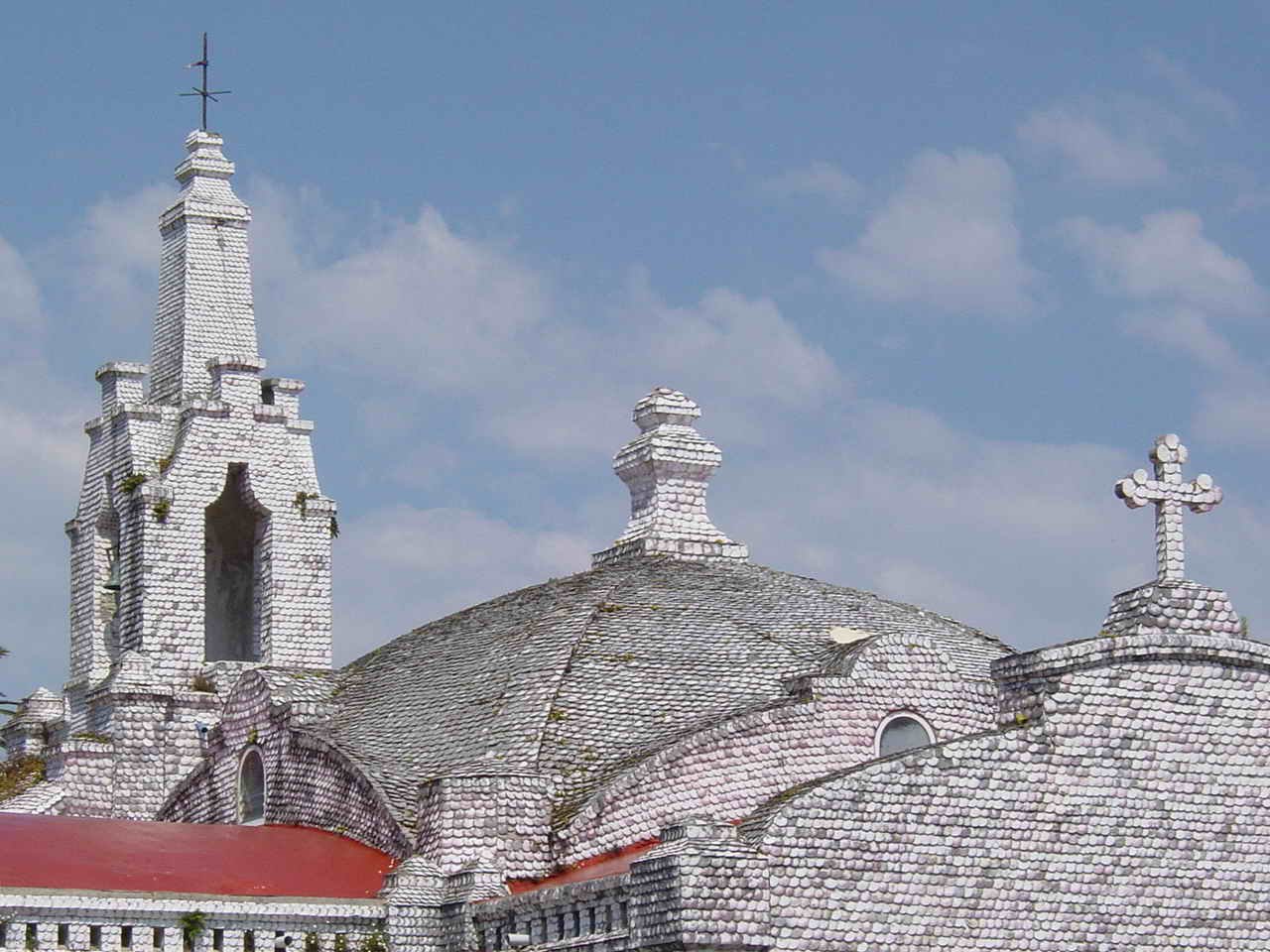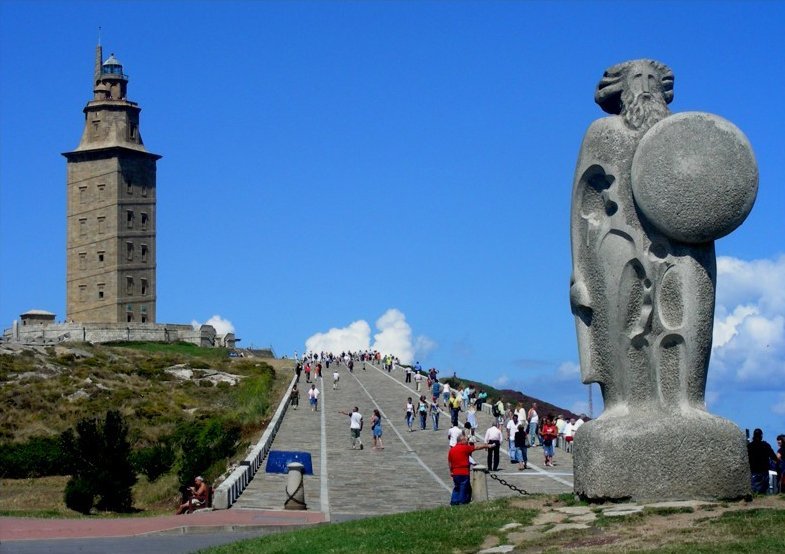
Galicia occupies the rainy, green corner of northwestern Spain, where the Atlantic hammers a jagged coastline of deep inlets called rías. It doesn't look or feel like the rest of Spain — the granite villages, the bagpipes, the Celtic hill-forts, and the persistent mist give it a mood entirely its own. People speak Galego, a language closer to Portuguese than Castilian, and they'll tell you proudly that Galicia is one of the ancient Celtic nations.
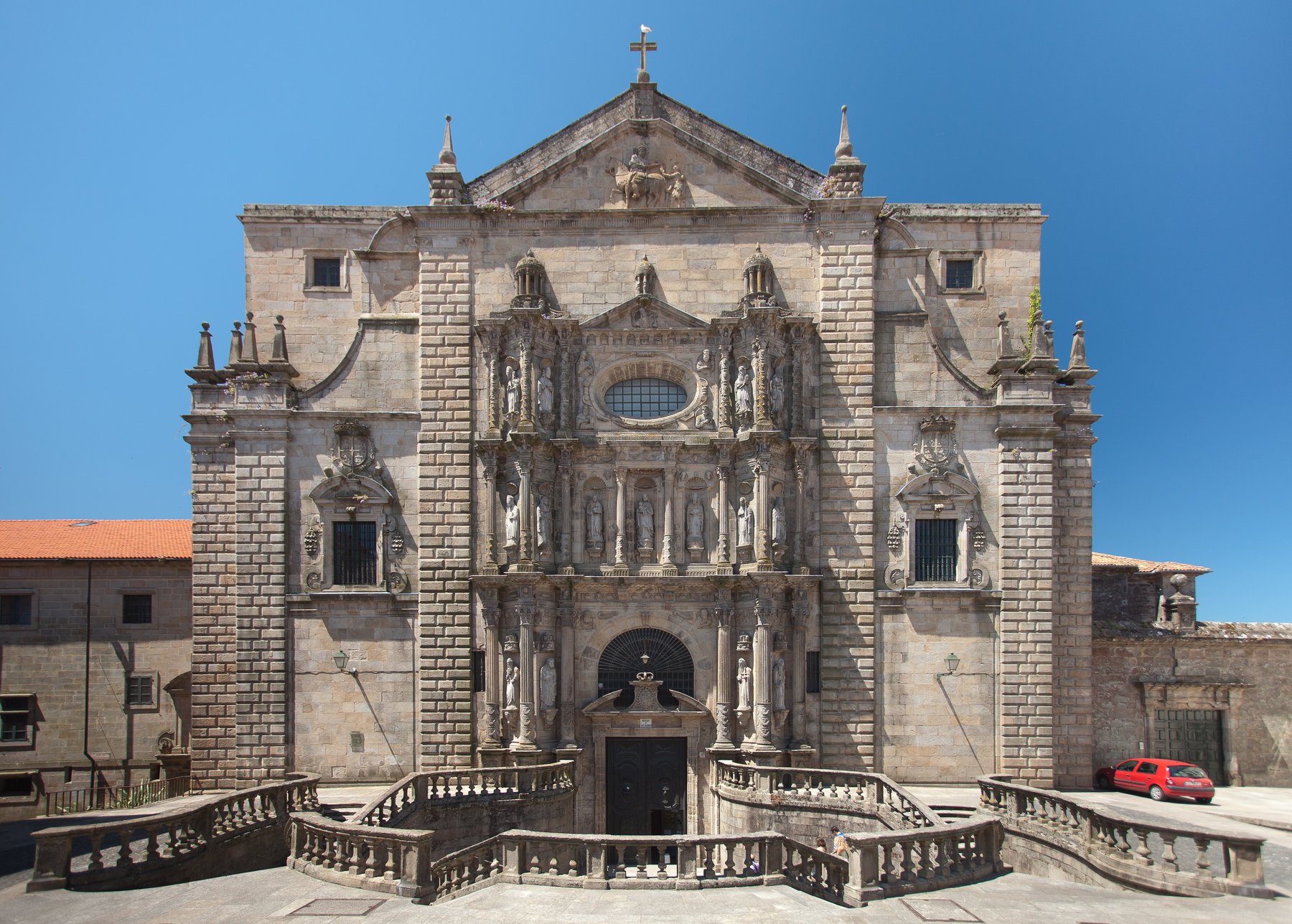
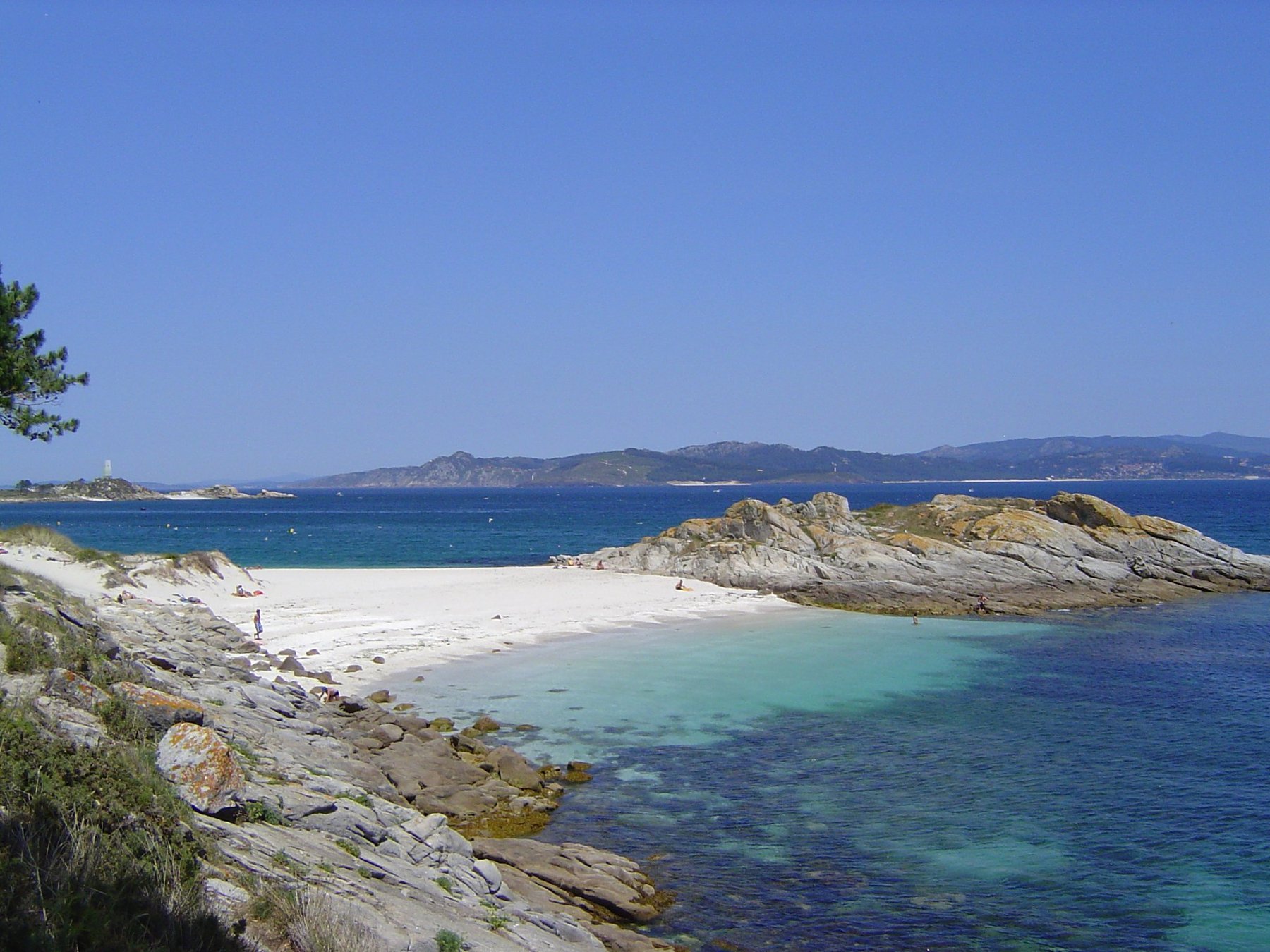
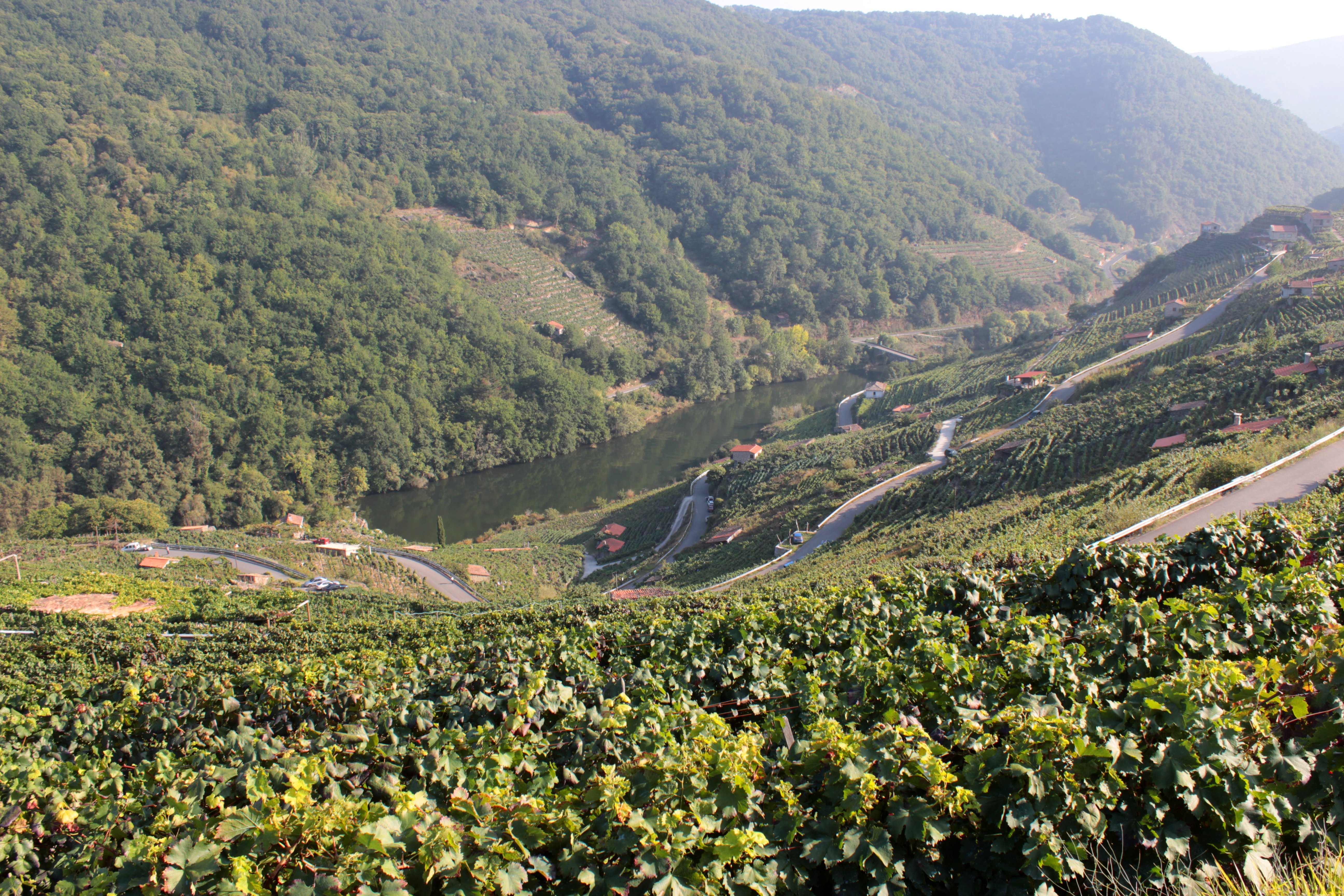
The coast is the main draw. The Rías Baixas in the south are calmer and warmer, lined with fishing villages and vineyards growing Albariño grapes. The Rías Altas in the north are wilder — cliffs and empty beaches facing the open Atlantic. In between, Santiago de Compostela pulls hundreds of thousands of pilgrims and tourists a year to its cathedral, which has been the end of the Camino de Santiago for over a thousand years.
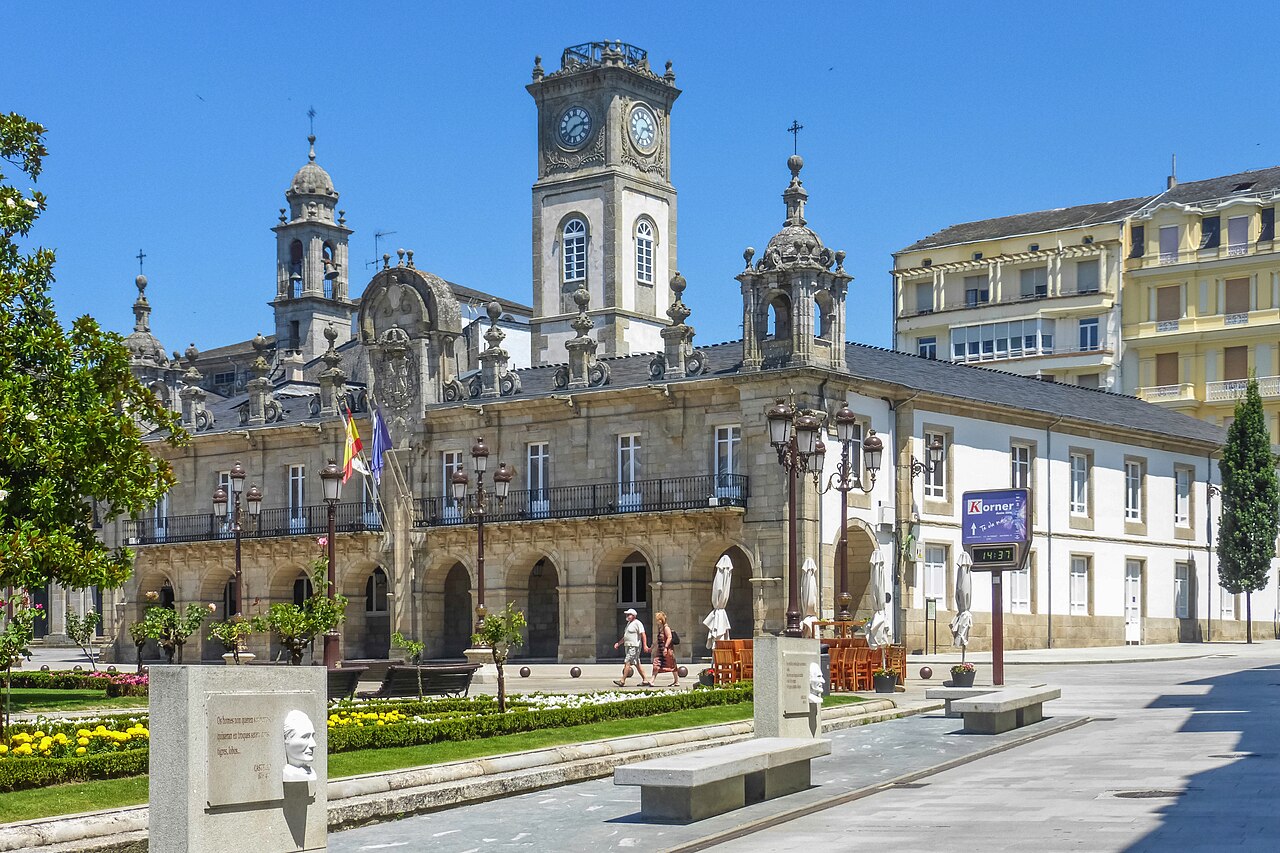
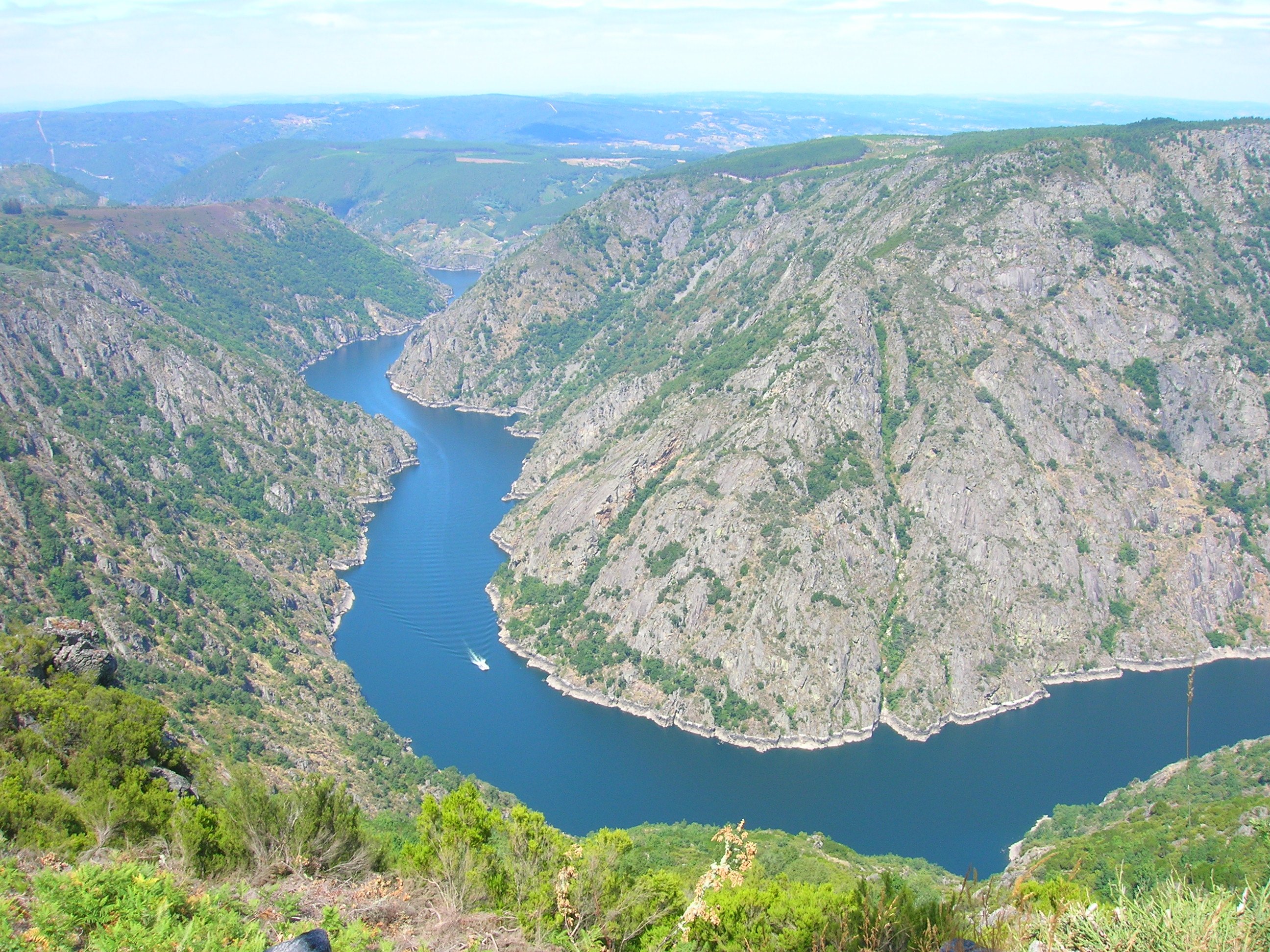
Inland, Galicia surprises. The Ribeira Sacra is a landscape of sheer river canyons cut by the Sil and Miño, terraced with ancient vines. Lugo preserves the most complete Roman walls in the world, still ringing the entire old city. The mountains of Os Ancares in the east are remote and little visited, with traditional stone pallozas still standing in some villages.
The food is the other reason to come. Galicia supplies much of Spain's seafood — percebes (goose barnacles), navajas (razor clams), pulpo á feira (octopus with paprika and olive oil), and the finest scallops you'll eat anywhere. Pair them with a cold glass of Albariño and you have one of Europe's great regional cuisines.