Croydon
©
Croydon

Croydon

South London commercial borough with concrete towers, street art, and a growing food-and-culture scene.

Croydon is one of London's largest boroughs, a major commercial center in South London that has long been the butt of jokes from snobbier parts of the city. That reputation is increasingly unfair. While Croydon's skyline of 1960s office towers and concrete shopping centers will never win beauty prizes, the borough has developed a genuinely interesting cultural scene, driven in part by the artists and musicians priced out of inner London.

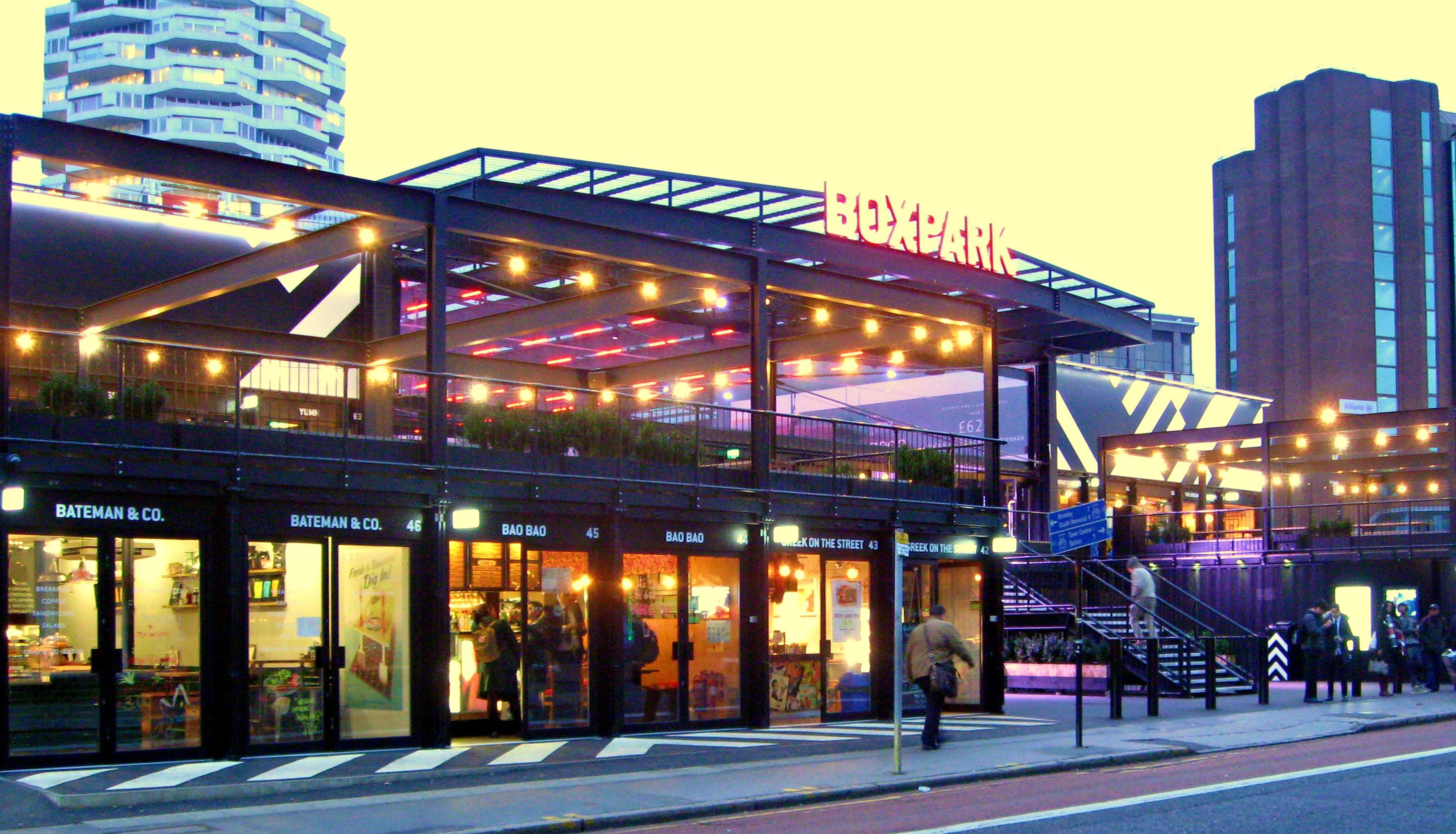
The street art scene is one of Croydon's genuine surprises. Large-scale murals by internationally known artists have transformed some of the more brutalist corners of the town center, and the annual RISEgallery-led art walks draw visitors from across London. Boxpark Croydon, a pop-up food and events venue built from shipping containers, has become a popular gathering spot with a rotating roster of street food vendors and live music.

Croydon has deeper roots than its postwar architecture suggests. Croydon Minster dates back to Saxon times, and the Old Palace, a medieval manor that served as a summer residence for the Archbishops of Canterbury for over five hundred years, is a hidden gem that few Londoners even know about. The Croydon Clocktower complex houses a museum, library, and the small but excellent Museum of Croydon, which tells the borough's story from prehistoric times.

For visitors, Croydon is not a destination you would cross the Atlantic for, but if you are in London and want to see a part of the city that feels genuinely local rather than tourist-oriented, it rewards a half-day visit. The tram network, the only one in London, connects the borough efficiently and is a novelty in itself.

Guide

Bars and Cafes

Matthew's Yard, a community arts space near Surrey Street, is the best spot for a coffee or an evening drink — it combines a cafe, a bar, and an event space and has a genuinely neighbourhood feel rather than a chain atmosphere. Boxpark also has bars that spill onto the outdoor terraces when the weather allows. The arts complex around Fairfield Halls has a bar that fills before and after performances.

Guide

Eating Out

Croydon's food scene punches above its reputation. Boxpark Croydon is the obvious starting point — the shipping-container complex near East Croydon station has dozens of street food vendors offering everything from jerk chicken to Korean fried chicken to wood-fired pizza. Surrey Street Market has traders selling fresh produce and street snacks at lunchtime on weekday market days. The borough's large South Asian and Caribbean communities mean there is genuine diversity in the restaurant offer if you explore beyond the town centre.

Guide

Getting Around

The Tramlink network is the most distinctive way to move around Croydon — it is the only tram system operating in London and covers a wide arc of the borough from Wimbledon in the west through the town centre and out to Beckenham and New Addington. Trams run frequently and are covered by standard Oyster and contactless payment. The town centre itself is walkable; most of the main attractions are within fifteen minutes on foot from East Croydon or West Croydon stations. Several bus routes connect the outer parts of the borough to the centre.

Guide

Getting There

East Croydon is one of London's busiest railway stations, with fast Thameslink services from London Bridge (around 15 minutes) and London Victoria (around 15 minutes), as well as Gatwick Express trains connecting to Gatwick Airport. From central London the journey rarely takes more than 20 minutes. West Croydon also has rail connections. The Tramlink network connects the borough to Wimbledon and New Addington and is the only tram system in London.

By road, Croydon sits just south of the M25, with the A23 running north–south through the borough. Driving into the town centre is straightforward from the south but traffic heading into London is typically heavy in the mornings.

Guide

Things to Do

Croydon's attractions reward visitors who look past the postwar concrete. The borough holds some genuine surprises: one of London's oldest street markets, a remarkable aviation museum in a former terminal building, a working arts complex, and murals by internationally known street artists around every other corner. The Old Palace hidden behind a school gate is one of the most underrated medieval buildings in greater London.