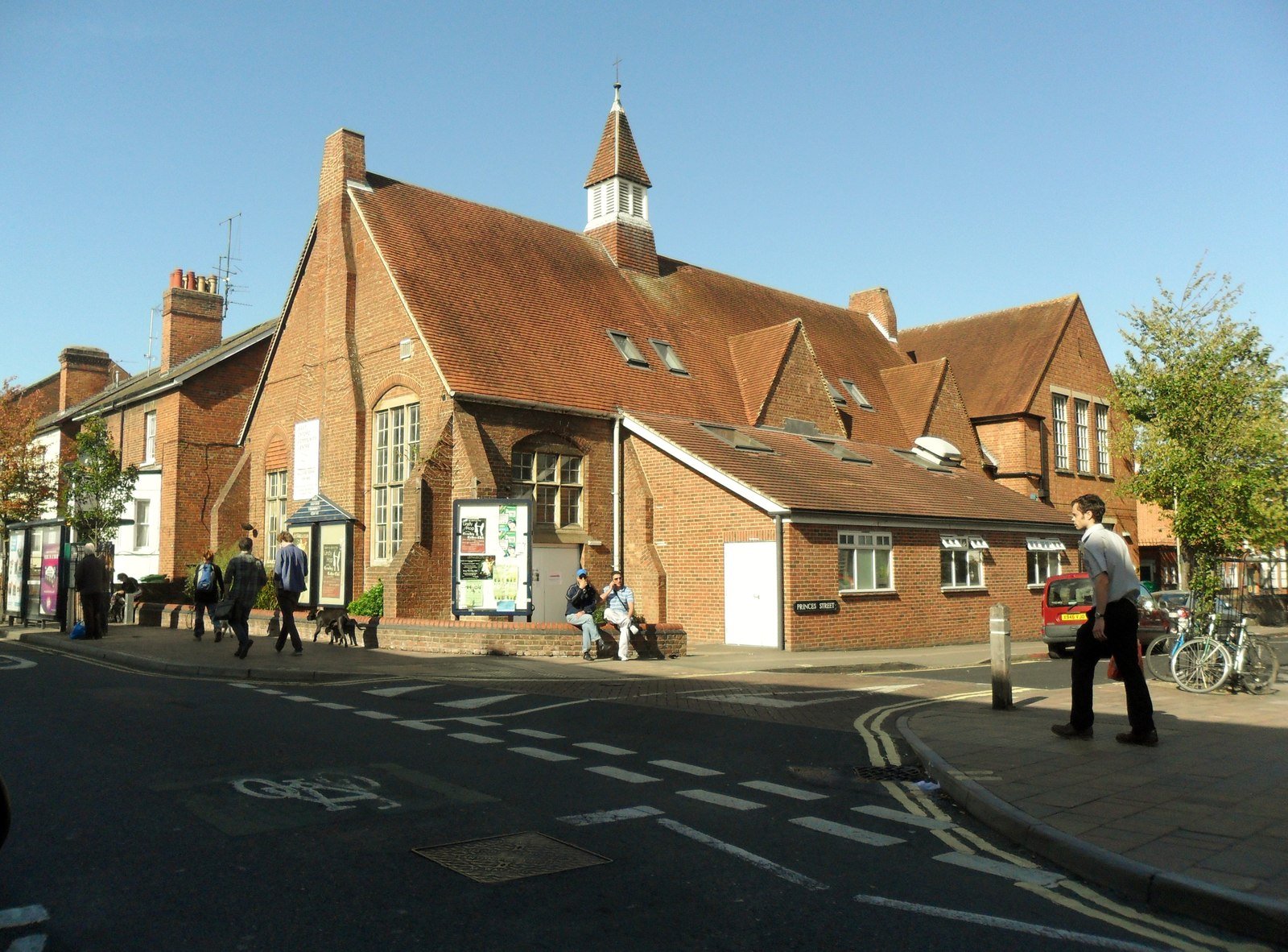
Oxford is one of England's most visited cities, and the reason is immediately apparent: the medieval university buildings that fill the old centre are among the most beautiful in the world. The thirty-odd colleges of the University of Oxford — founded in the 12th century and growing ever since — occupy a dense cluster of Gothic quadrangles, cloisters, chapels, and gardens in the middle of the city. When accessible to visitors, which varies by college and term time, they reward unhurried exploration.
The Radcliffe Camera is the visual centrepiece of the university quarter: a circular Baroque reading room that serves as a landmark from which all the main sights radiate within easy walking distance. The Bodleian Library, the second-largest library in Britain, houses centuries of manuscripts and can be toured. Christ Church — the largest college, founded by Henry VIII — contains a cathedral within its walls. Magdalen College, where Oscar Wilde studied, has a deer park and 11th-century cloisters. The Bridge of Sighs connects two buildings of Hertford College over New College Lane.
Beyond the colleges, Oxford has several excellent museums — the Ashmolean (Britain's oldest public museum), the Natural History Museum, and the Pitt Rivers — all free of charge. The River Cherwell is navigable by punt, and renting one for an afternoon is a quintessential Oxford experience. The neighbourhood of Jericho is the best place to eat and drink away from the tourist circuit. The city is less than an hour from London by fast train.