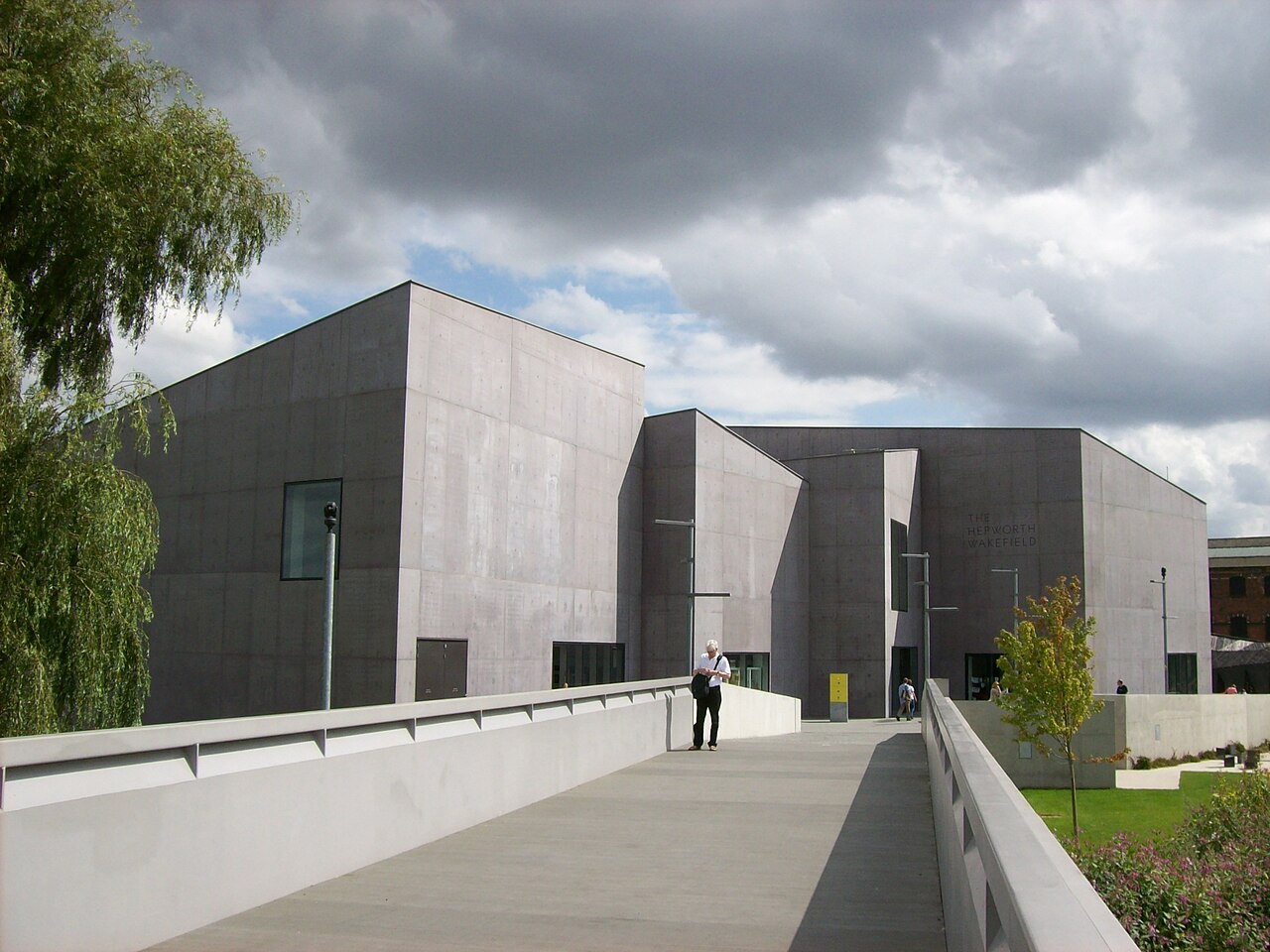
Wakefield has quietly reinvented itself from a coal-and-cloth city into one of the most compelling art destinations in northern England. The Hepworth Wakefield, a stunning David Chipperfield gallery perched on the banks of the River Calder, opened in 2011 and put the city firmly on the cultural map. It houses an extraordinary collection of works by Barbara Hepworth, who was born here, alongside rotating contemporary exhibitions that regularly punch above what you would expect from a city this size.
Just outside town, the Yorkshire Sculpture Park sprawls across 500 acres of rolling parkland and is one of those rare places where landscape and art genuinely enhance each other. You can spend a full day wandering between Henry Moore bronzes, Andy Goldsworthy installations, and whatever large-scale temporary exhibition they have running. Entry to the park is free, though you will pay for parking. On a clear day with the deer grazing between the sculptures, it is hard to think of a better free day out in England.
The city center itself is pleasant without being remarkable. The medieval cathedral is worth a look, and so is the medieval Chantry Chapel on the bridge over the Calder — one of only four surviving bridge chapels in England. The precinct around the Bull Ring has some decent independent shops. Wakefield's real draw, though, is that combination of world-quality art in an unpretentious setting. You can see both galleries in a day trip from Leeds, which is only fifteen minutes by train, but the city deserves more than a rushed visit.
The Rhubarb Triangle, the area between Wakefield, Morley, and Rothwell, is where most of England's forced rhubarb is grown. If you visit in late winter, some farms open for tours of the candlelit forcing sheds, which is genuinely one of the stranger and more atmospheric agricultural experiences you can have in this country.