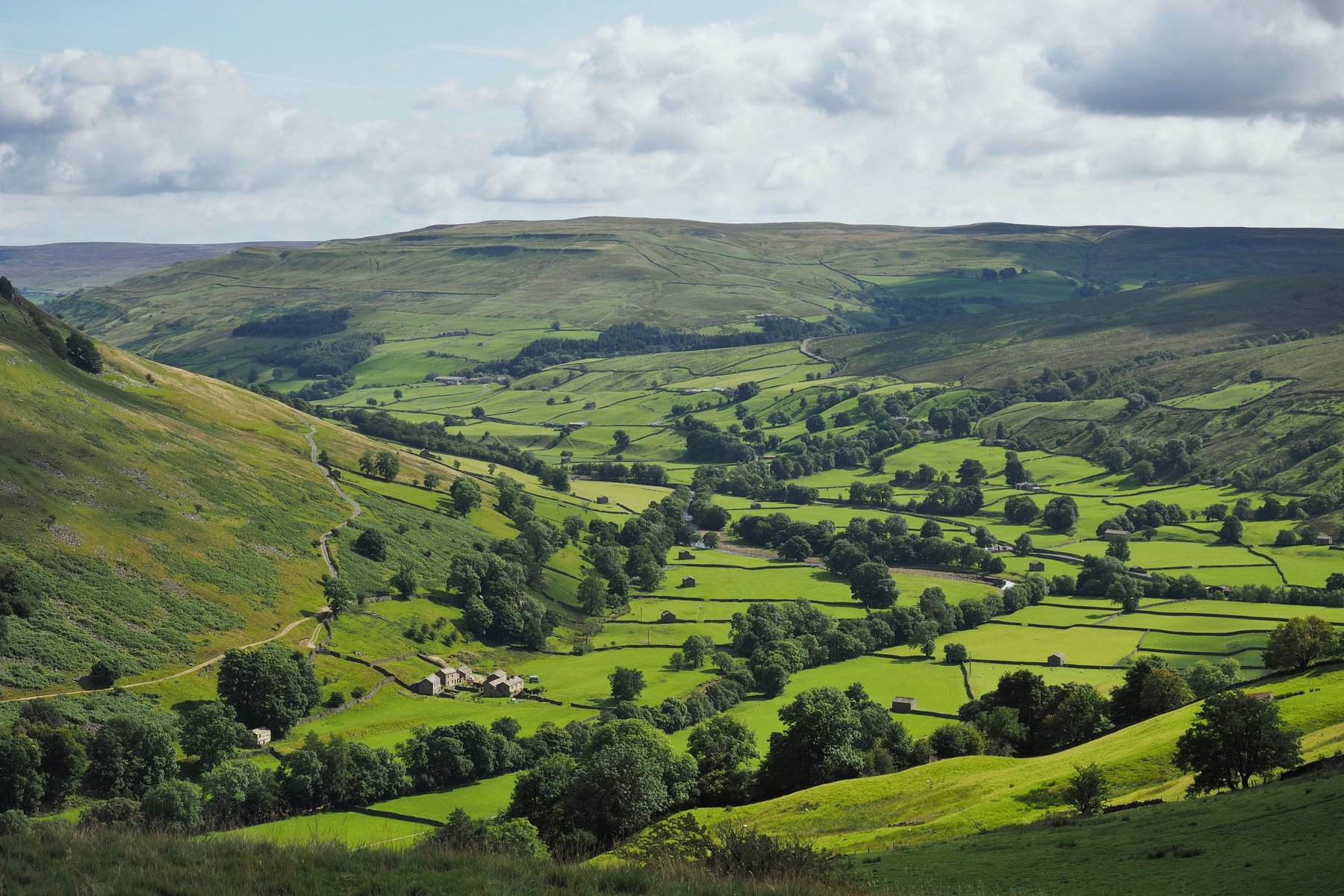
Yorkshire is England's largest historic county and one of the most rewarding to explore — a combination of post-industrial cities reinventing themselves, expansive moor-and-dale national park country, and a string of small market towns that feel essentially medieval. The accent, the pride, the food (curd tart, Yorkshire pudding, Wensleydale cheese) and the sometimes-belligerent friendliness are all distinctively Yorkshire and not to be confused with anywhere else in England.
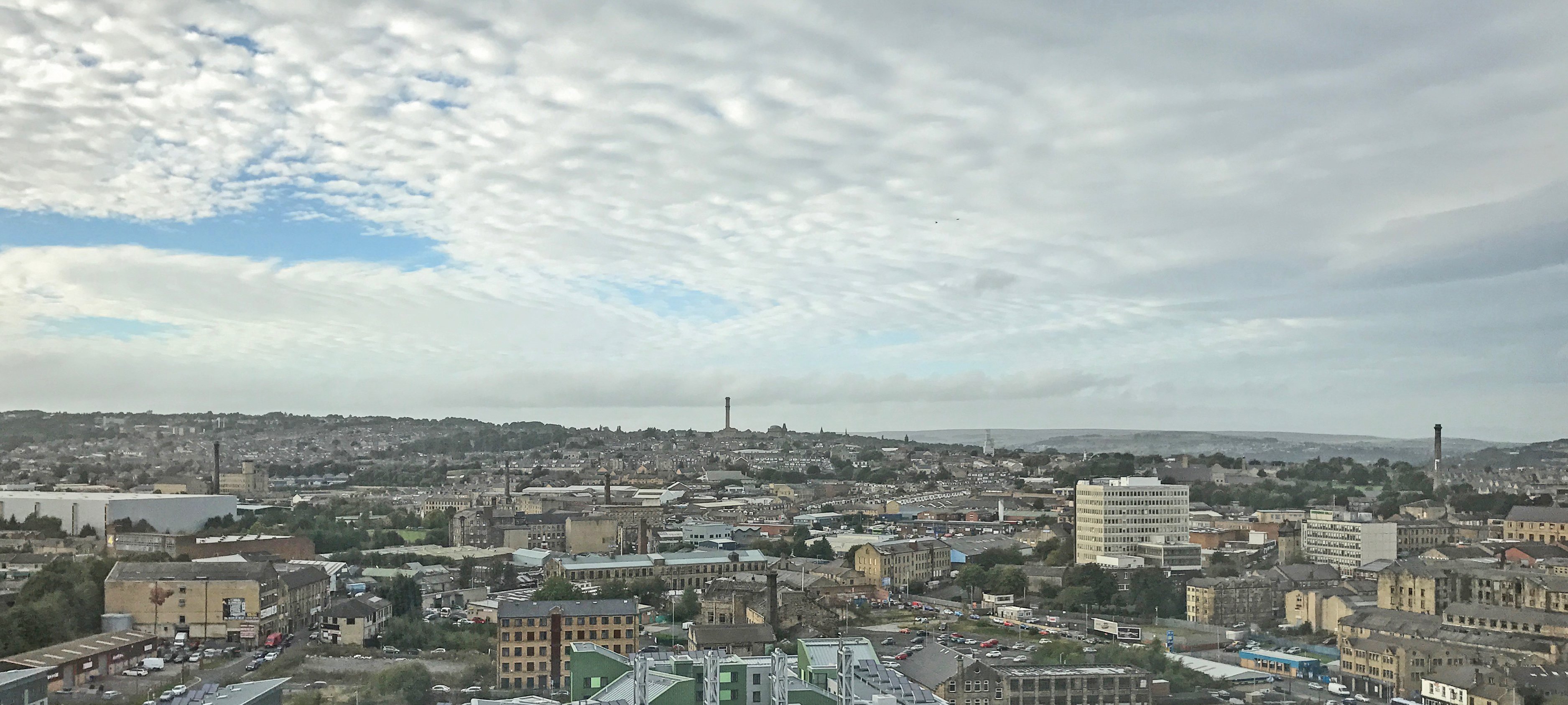
The two big cities, Leeds and Sheffield, are both old industrial centres that have transformed in the past three decades — Leeds into a financial and cultural hub with serious independent shopping and a strong music scene, Sheffield into a young, creative city anchored by two large universities and surrounded by some of the best walking country in England. Bradford, next to Leeds, has a particularly good curry scene (one of the best in the UK) and the National Science and Media Museum.
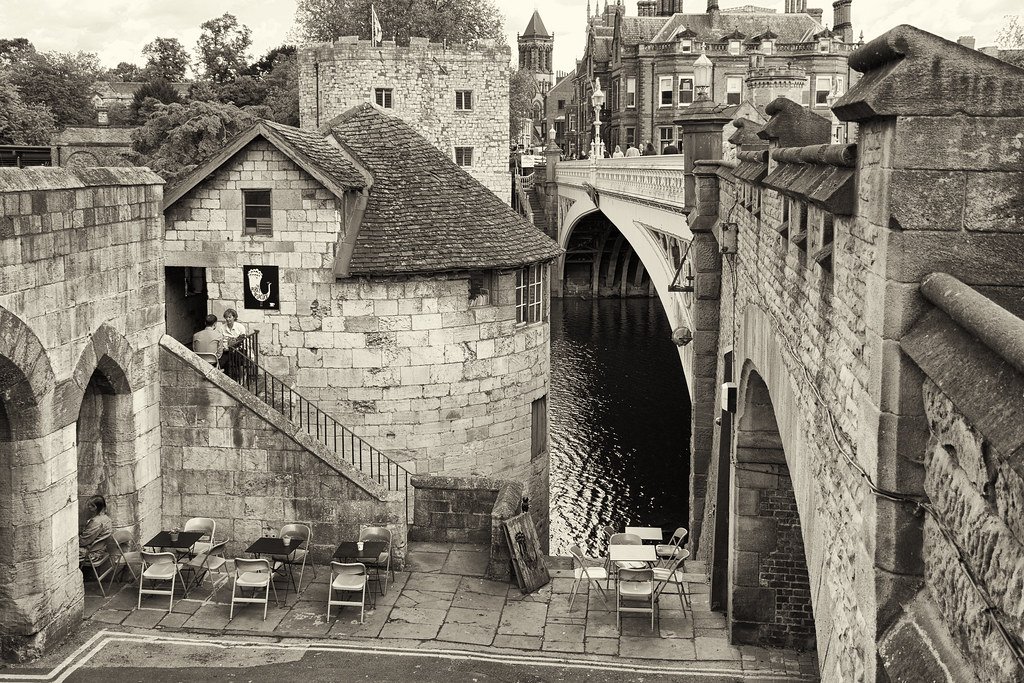
York is the historic jewel — a small walled cathedral city with one of the great Gothic cathedrals (the Minster), Roman and Viking remains, the Shambles (a tilted medieval lane), and the National Railway Museum. Easy to walk in a long day.
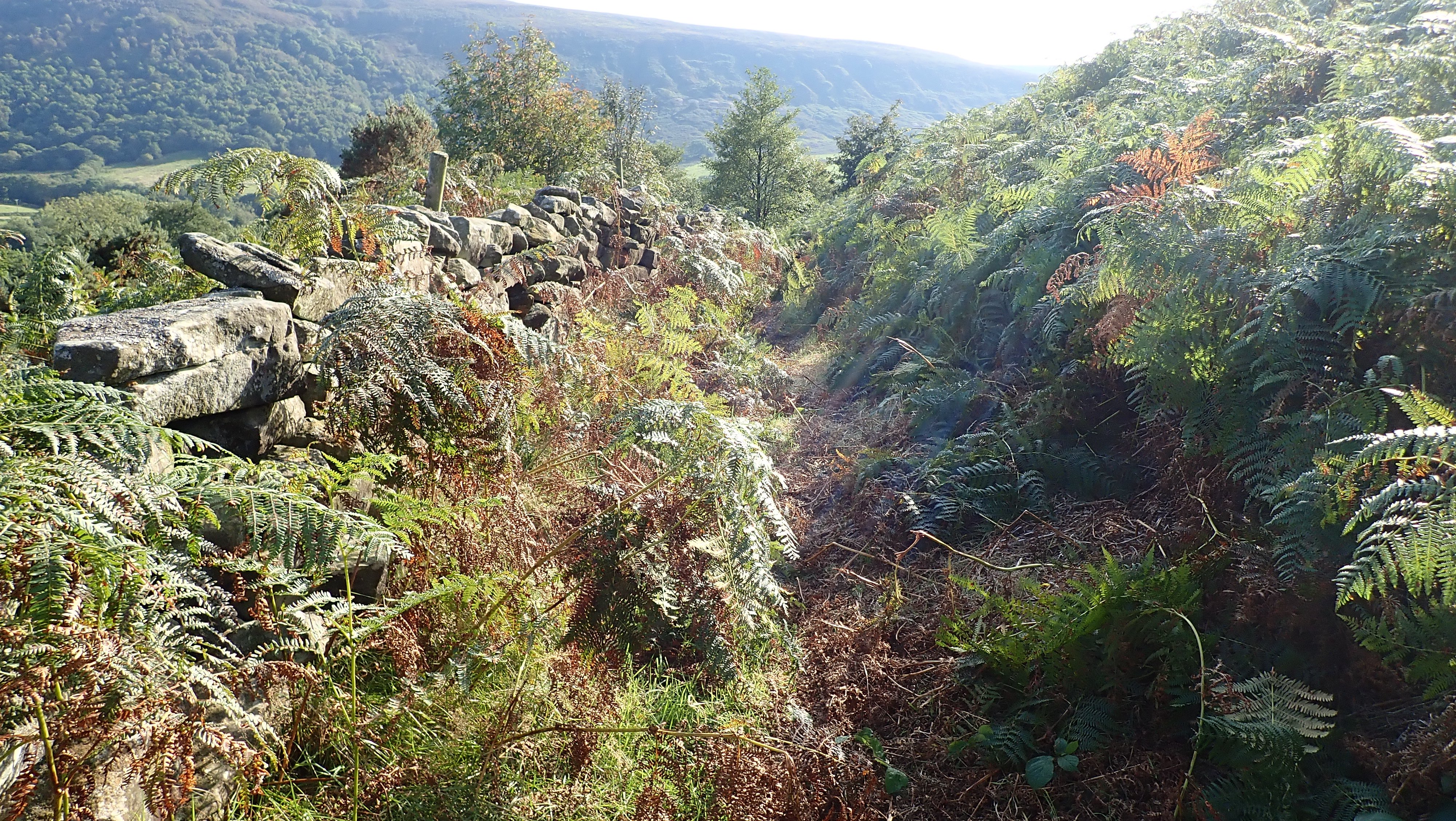
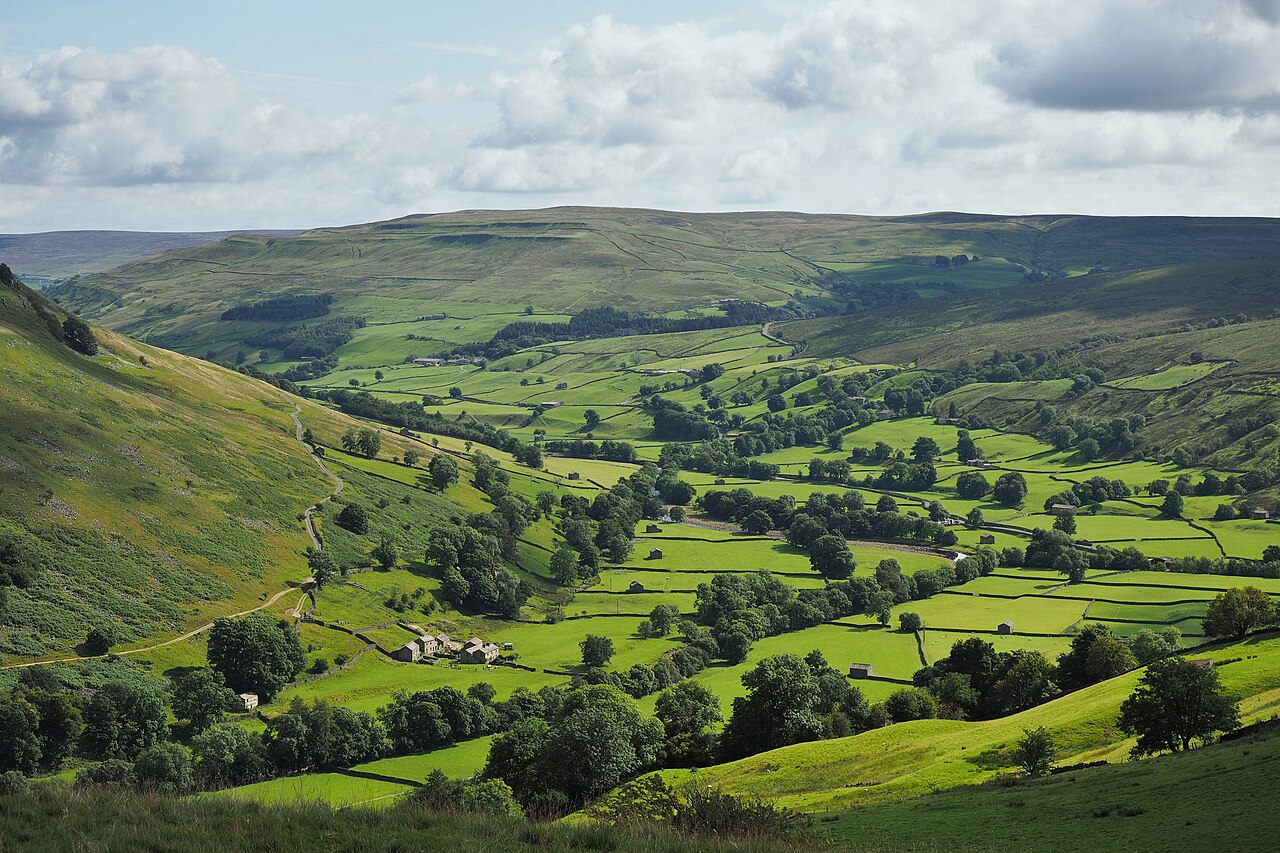
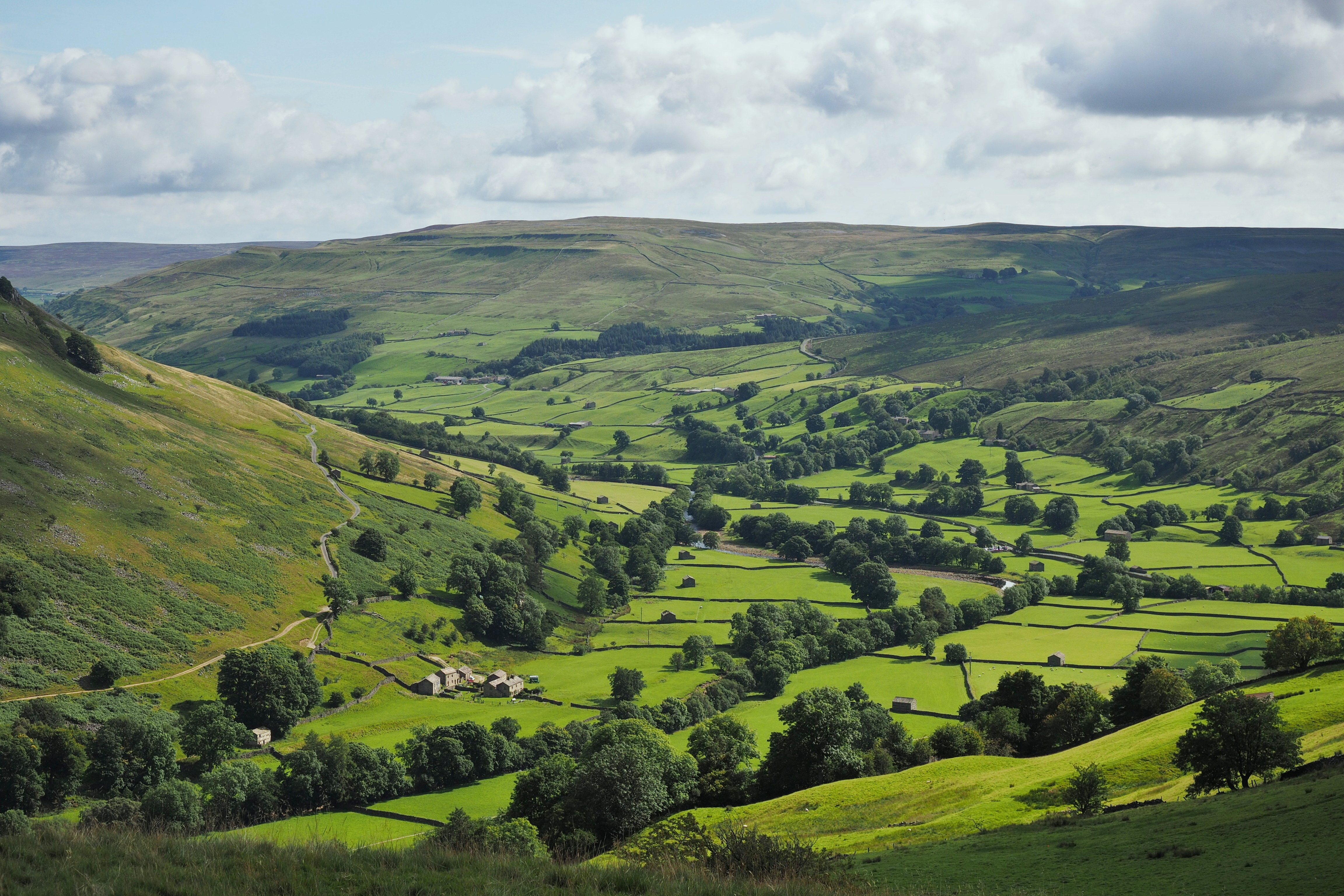
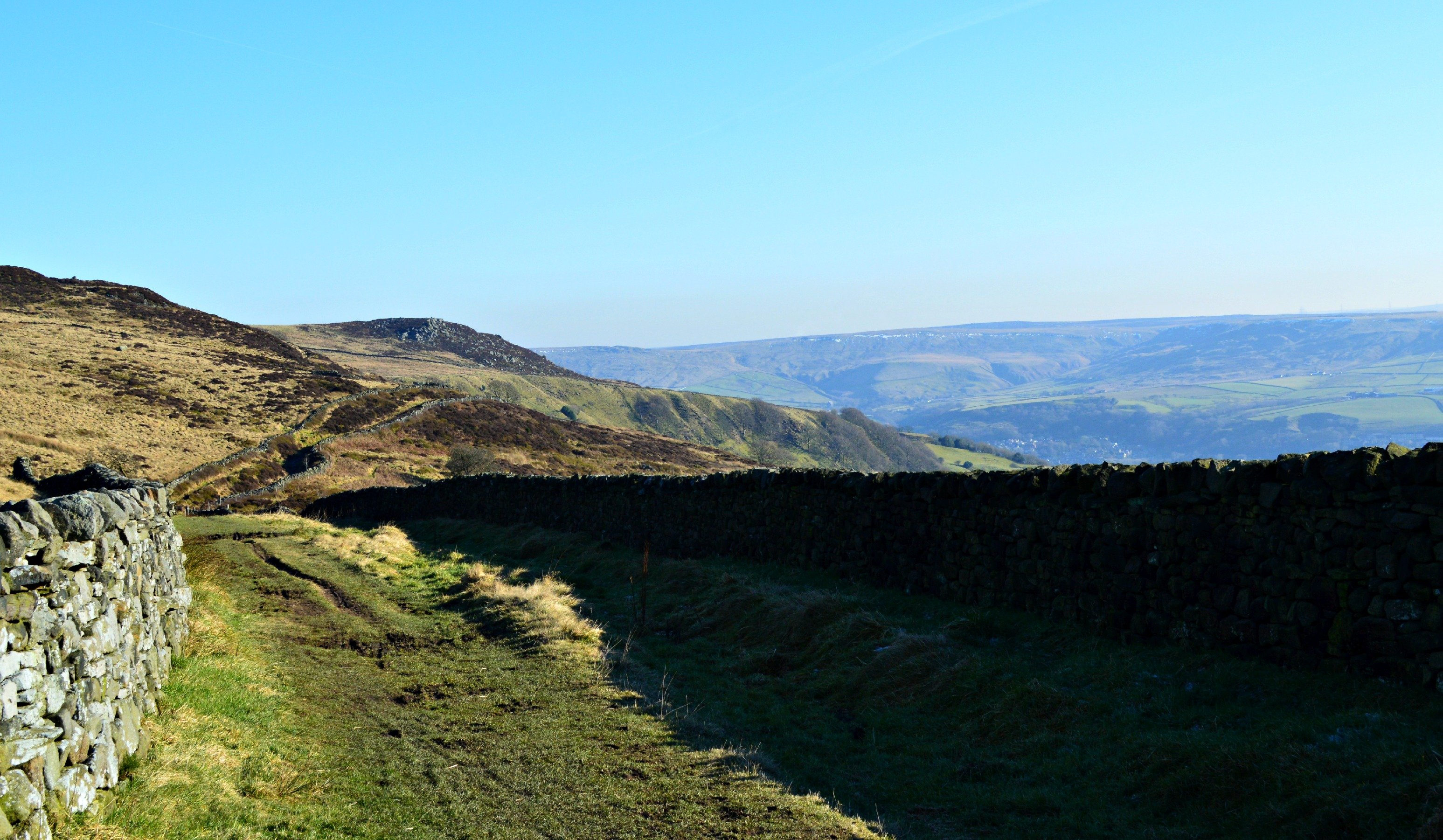
The countryside is the other reason to come. The Yorkshire Dales — limestone valleys, drystone walls, sheep-cropped fells, market villages — and the North York Moors — heather moorland reaching the dramatic North Sea cliffs — are both national parks with extensive walking and cycling networks. The South Pennines, the East Riding wolds, and the seaside towns of Whitby, Scarborough and Filey complete the picture.