The Outer Hebrides — also known as the Western Isles or the Long Island — are a chain of islands off the northwest coast of Scotland, stretching about 200 km from Lewis and Harris in the north to Barra in the south. Despite appearances on a map, Lewis and Harris are a single island divided by mountains, not a strait; the other main islands are North Uist, Benbecula, South Uist, and Barra, linked by bridges and causeways.
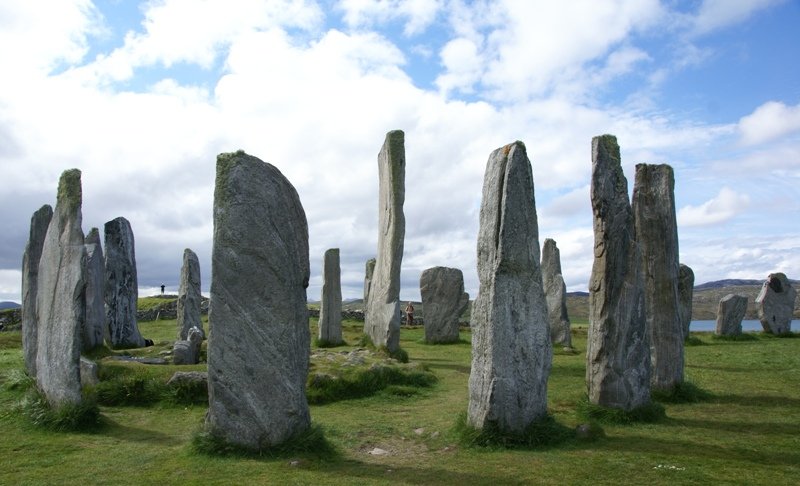
The landscape is unlike anywhere else in Britain: vast peat moors, sea lochs cutting deep into the land, and on the west-facing coasts, dazzling white sand beaches backed by machair — a low-lying grassland that bursts into flower in early summer. The Callanish Standing Stones on Lewis, erected around 2900 BC, rival Stonehenge in scale and are far less crowded. Nearby, Dun Carloway Broch offers some of Scotland's finest Iron Age architecture. Gaelic is still spoken widely, particularly on the more southerly islands, and Harris Tweed is still woven by hand in islanders' homes by law.
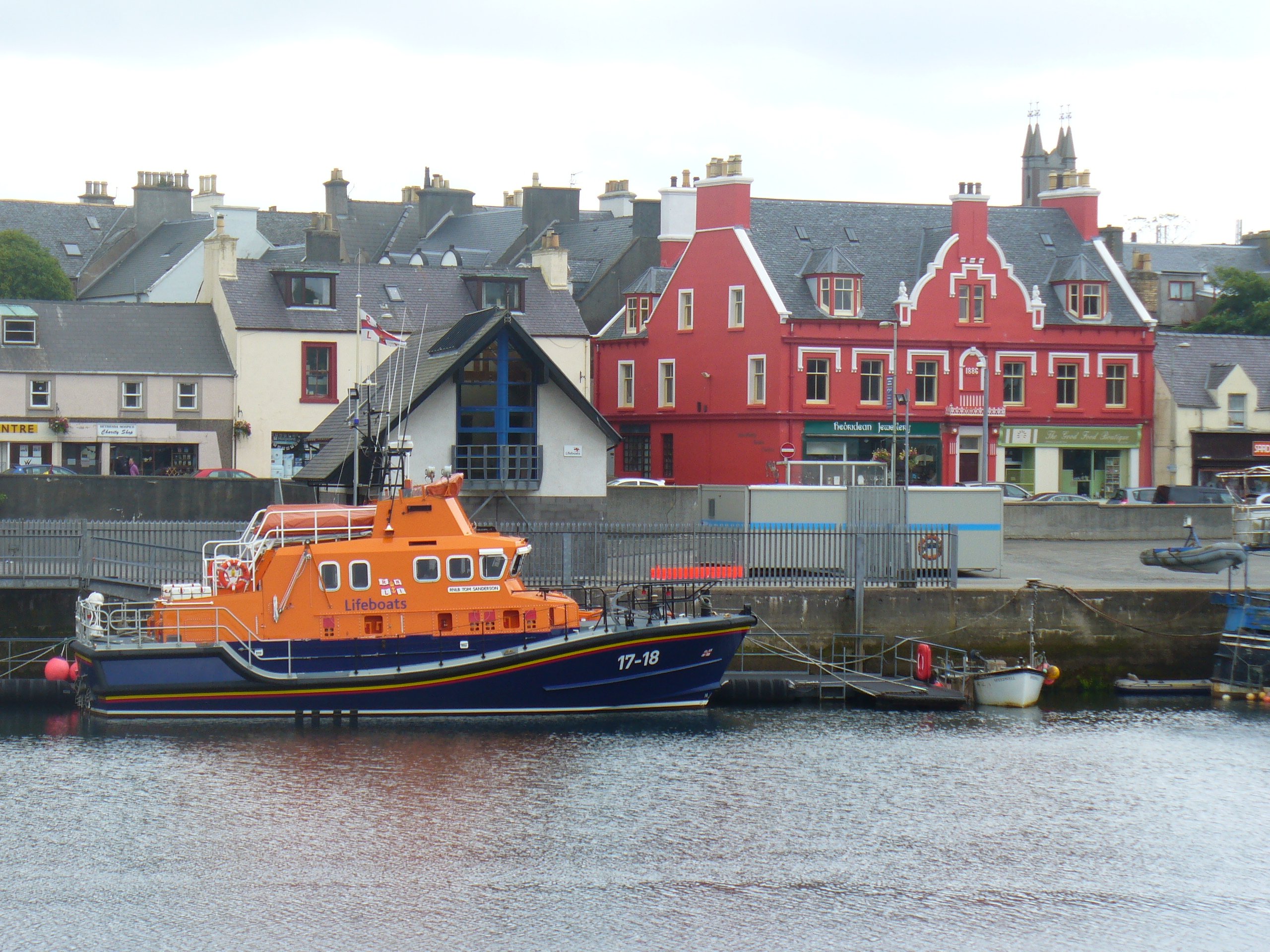
Stornoway is the islands' only real town — the gateway from the Ullapool ferry and the place to hire a car before striking out across the moors. Luskentyre on Harris is among the finest white-sand beaches in Europe, and Barra Airport — where scheduled flights land on a tidal beach — is the world's only beach airport with regular scheduled services. The Iolaire Memorial near Stornoway commemorates the disaster of New Year's Day 1919, when 201 Lewis men drowned in sight of home after surviving the First World War.
Caledonian MacBrayne ferries connect the islands to the mainland — from Ullapool to Stornoway, from Uig on Skye to Tarbert (Harris) and Lochmaddy (North Uist), and from Oban to Barra and South Uist. Island-hopping tickets are available for multi-island journeys. The islands are quiet, the weather unpredictable, and the pace slow — which is precisely the point.