North America > Canada > Nova Scotia > Lunenburg
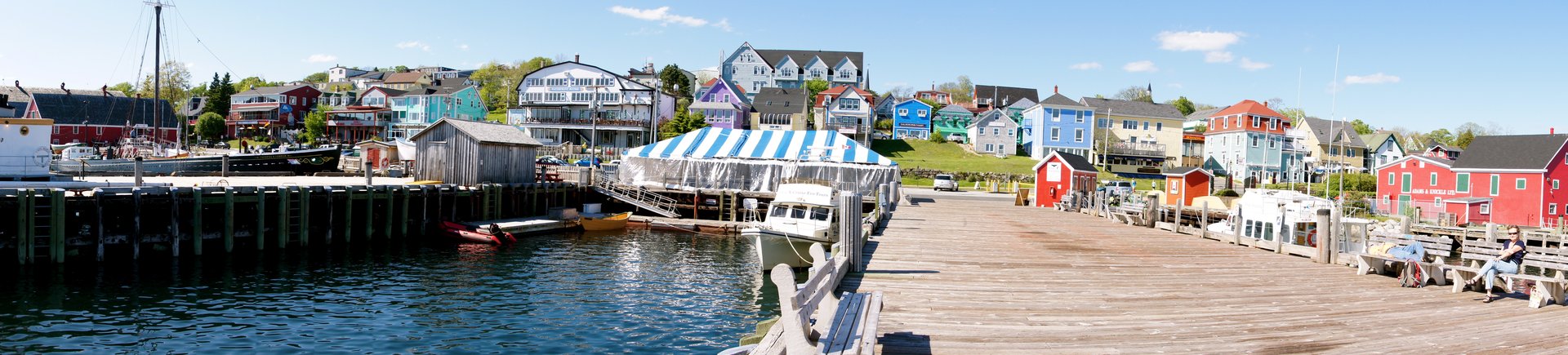
Lunenburg is the best-preserved planned British colonial settlement in North America and a UNESCO World Heritage Site. That sounds like bureaucratic puffery until you walk its streets and see what it means in practice: a hilltop town of brightly coloured wooden buildings, laid out in the 18th century on a grid plan that still shapes the town today, looking over a harbour that has been home to fishing schooners for over two hundred years. It's genuinely beautiful.
The town was founded in 1753 by German and Swiss Protestant settlers recruited by the British Crown, and the German connection lingered — in the distinctive "Lunenburg bump," the five-sided dormer window that became the town's architectural signature; in the names on the headstones in Hillcrest Cemetery; and in the Lutheran and German Reform church congregations that survived into the 20th century. The Fisheries Museum of the Atlantic on the waterfront tells the story of the fishing industry that shaped the town's prosperity, including the building of the famous schooner Bluenose.
The Bluenose herself — or rather the replica, Bluenose II — is based in Lunenburg when not sailing and is one of the most recognizable vessels in Canada. You will have seen her on the Canadian dime. In summer you can sometimes sail aboard her. The waterfront is lively without being over-commercialized, and the back streets of the heritage district are full of well-preserved houses, gardens, and small businesses. The Lunenburg Opera House is a working venue and worth checking for events.
Lunenburg is the kind of place that rewards slow travel. The town centre is compact enough to walk thoroughly in a morning, but the surrounding South Shore coastline — fishing villages, beaches, and the nearby town of Mahone Bay with its famous three churches — makes it worth staying two or three nights.