North America > Canada > The Yukon Territory > Whitehorse
Whitehorse is the capital of Yukon and, despite being the largest city in northern Canada, it holds only about 30,000 people. That number tells you something important: the entire territory is spectacularly empty. Whitehorse is the hub from which most travellers explore the Yukon wilderness, and the city does the job well — there are good restaurants, a few excellent museums, decent accommodation, and enough services to prepare you for what lies beyond.
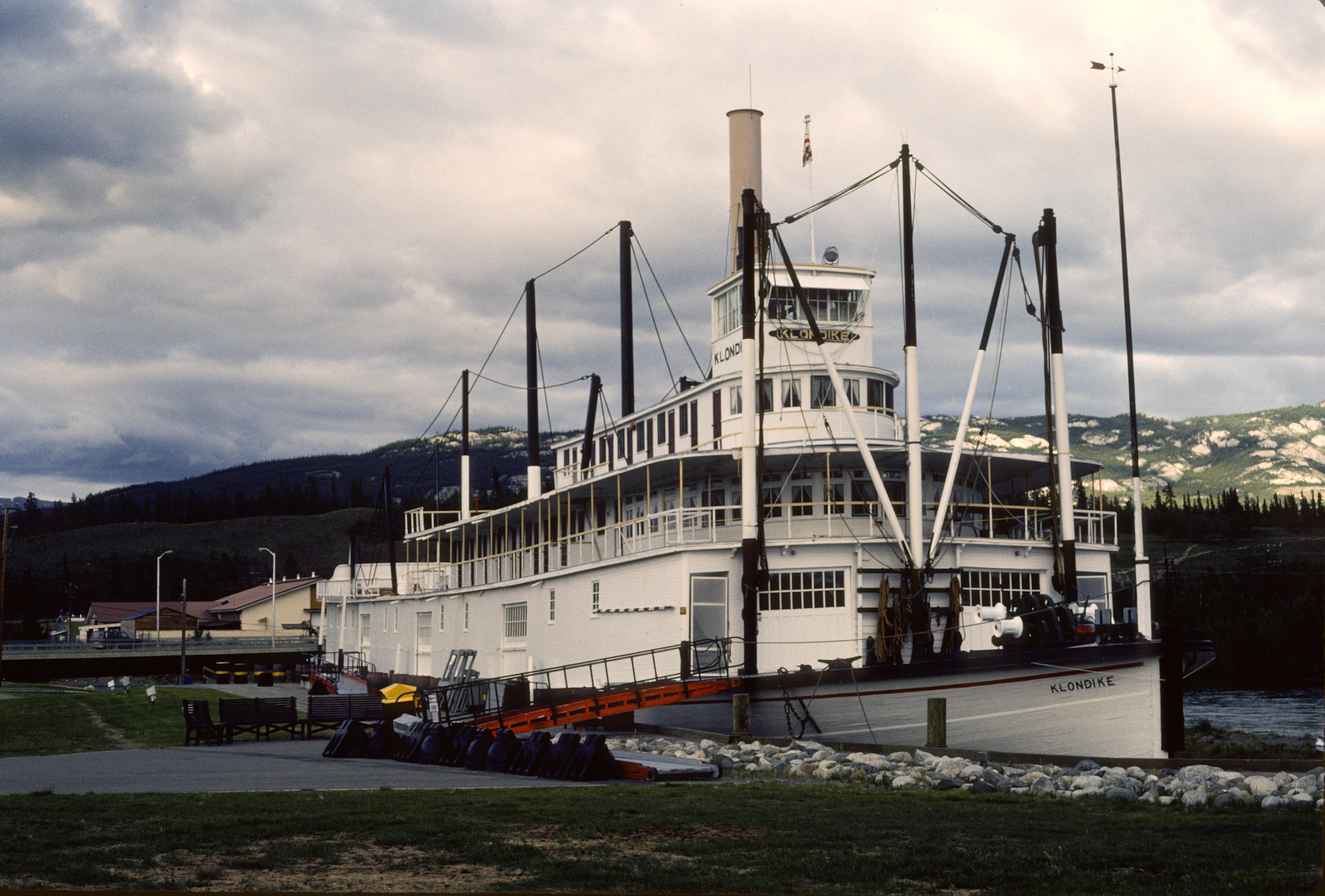
The city sits on the Yukon River, the great waterway of the sub-Arctic north, and the river gives Whitehorse its character and its history. The Klondike Gold Rush brought tens of thousands of people through here in 1898-99, and the S.S. Klondike, a National Historic Site beached on the riverbank, is a physical reminder of the sternwheeler era that connected this remote territory to the outside world. The Alaska Highway, built in a remarkable eight months in 1942, passes through Whitehorse and transformed it from a river stop into a road hub.
The museums here are surprisingly good for a city this size. The Yukon Beringia Interpretive Centre covers the Ice Age megafauna that roamed this landscape 20,000 years ago, and the MacBride Museum covers Gold Rush history with genuine artefacts. The Kwanlin Dün Cultural Centre tells the story of the First Nations peoples who have lived here for thousands of years, far longer than the gold seekers and the highway builders.
Whitehorse is an excellent base for seeing the northern lights in winter (late August through April) and for midnight sun hiking, paddling, and wildlife watching in summer. The city itself won't detain you for long, but it's a genuinely pleasant place to spend a couple of days before or after heading into the bush.