Cayman Brac
©
Cayman Brac

Cayman Brac

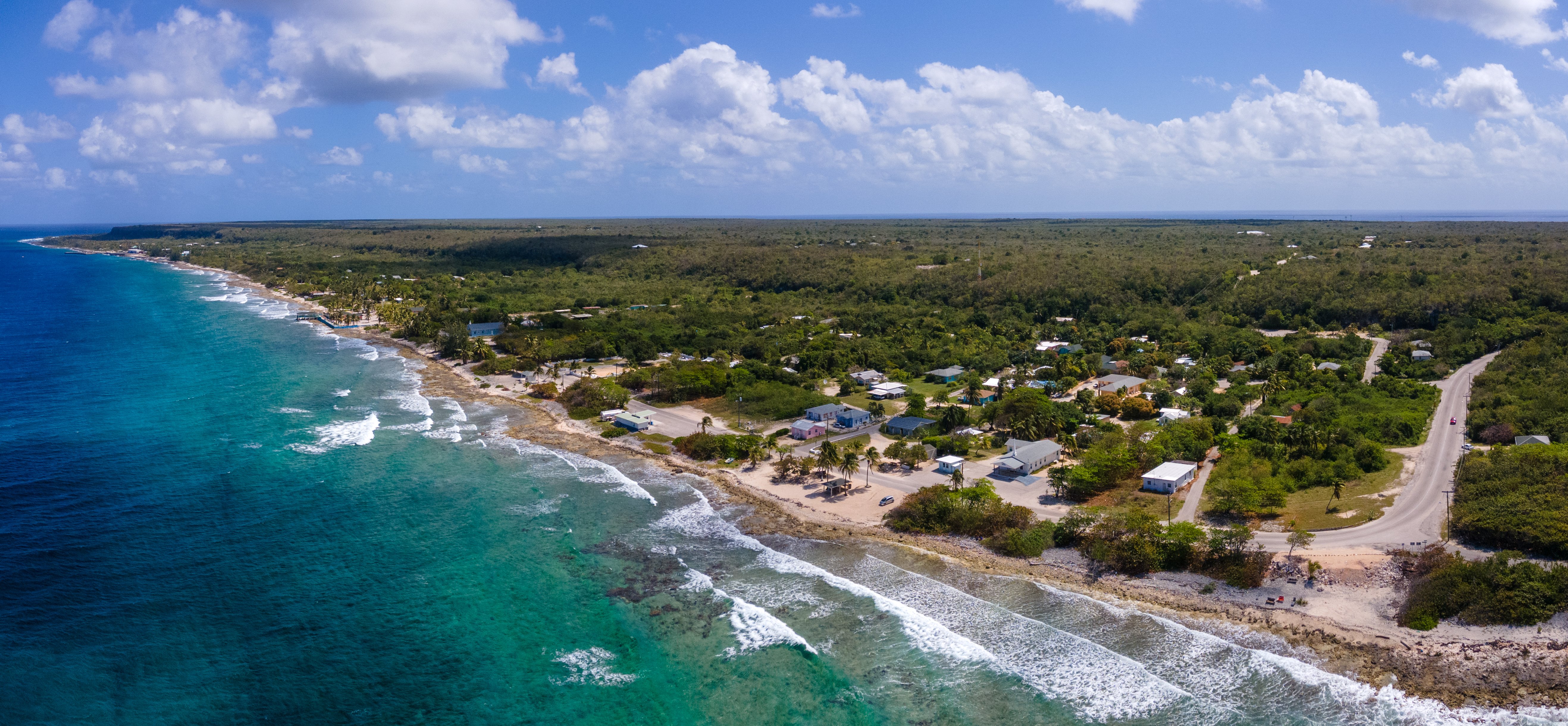
Limestone Cayman island with caves, cliff trails, rock climbing, and the 43-metre Bluff.

Cayman Brac is the eccentric middle sibling of the Cayman Islands — 19 kilometres of limestone running east-to-west, rising at its eastern end into the Bluff, a 43-metre cliff that is by some distance the highest point in the country. Grand Cayman is flat as a billiard table; Cayman Brac has caves, rock-climbing routes, hiking trails along the cliff edge, and a 2,000-person population that knows everyone else's business. The name comes from the Gaelic brac, meaning "bluff" — a remnant of the Scottish sailors who settled here in the 18th century.

The island works as a quieter, more outdoorsy alternative to Grand Cayman. The diving is the headline — the wreck of the MV Captain Keith Tibbetts, a Soviet-built Cuban frigate deliberately sunk in 1996, sits in 18 metres of water just off the north shore and is one of the best wreck dives in the Caribbean. The walls around the island drop nearly straight down into the Cayman Trench, with shallow tops at 12 metres and faces continuing past 1,000 metres. Above water the Bluff is honeycombed with caves used as hurricane shelters since settlement, and the island has the best developed rock-climbing in the Caribbean — bolted sport routes set into the limestone cliffs by visiting climbers in the 1990s.

There is no town as such. Stake Bay on the north coast is the administrative capital and the location of the Heritage House museum; West End and Spot Bay hold most of the houses; the airport sits at the western tip and the few small hotels are nearby. There are no cruise ships, no fast-food chains, and no real nightlife — by 9pm most of the island is asleep. Hurricanes have hit hard (Paloma in 2008 was catastrophic) and a number of old wooden Caymanian homes are gone, but the Spellman McLaughlin Home and a handful of others survive as listed heritage sites. The Brac suits travellers who like quiet, dark skies, good diving and unforced friendliness — and who don't need much else.

Guide

Getting Around

A rental car is more or less essential — the island is 19 km long, the few hotels are mostly at the western end, and the things to see (the Bluff trails, the parrot reserve, the lighthouse, Stake Bay museum) are spread across the whole length. There is no public transport. A handful of small rental agencies operate from the airport; book ahead in winter season.

Cycling is feasible on the flatter western half — many hotels lend bikes — but the eastern climb up onto the Bluff is steep and the road has no shoulder. Walking inside the resort areas is fine; walking between villages is not really an option in the heat. Taxis exist but are few and need to be called rather than hailed.

Guide

Getting There

Cayman Brac is reached almost exclusively by air. Cayman Airways and its express subsidiary run multiple daily flights from Grand Cayman to Charles Kirkconnell International Airport (CYB) at the western tip of the island — the flight is short, around 35 minutes. There are also a few weekly direct flights from Miami in season.

There is no scheduled passenger ferry from Grand Cayman or Little Cayman. The small inter-island flight to Little Cayman (about 10 minutes in the air) runs daily and is the easiest way to combine both sister islands. Connect from Grand Cayman if you are coming from elsewhere; almost all international flights terminate at Owen Roberts on Grand Cayman.

Guide

Things to Do

The Brac is built for outdoor low-key days. Divers come for the wreck of the Captain Keith Tibbetts and the wall dives off both coasts; non-divers walk the trails on top of the Bluff past the parrot reserve to the lighthouse, rock-climb on the cliffs, or explore the caves used historically as hurricane shelters. The Heritage House museum at Stake Bay covers the human history in an hour.