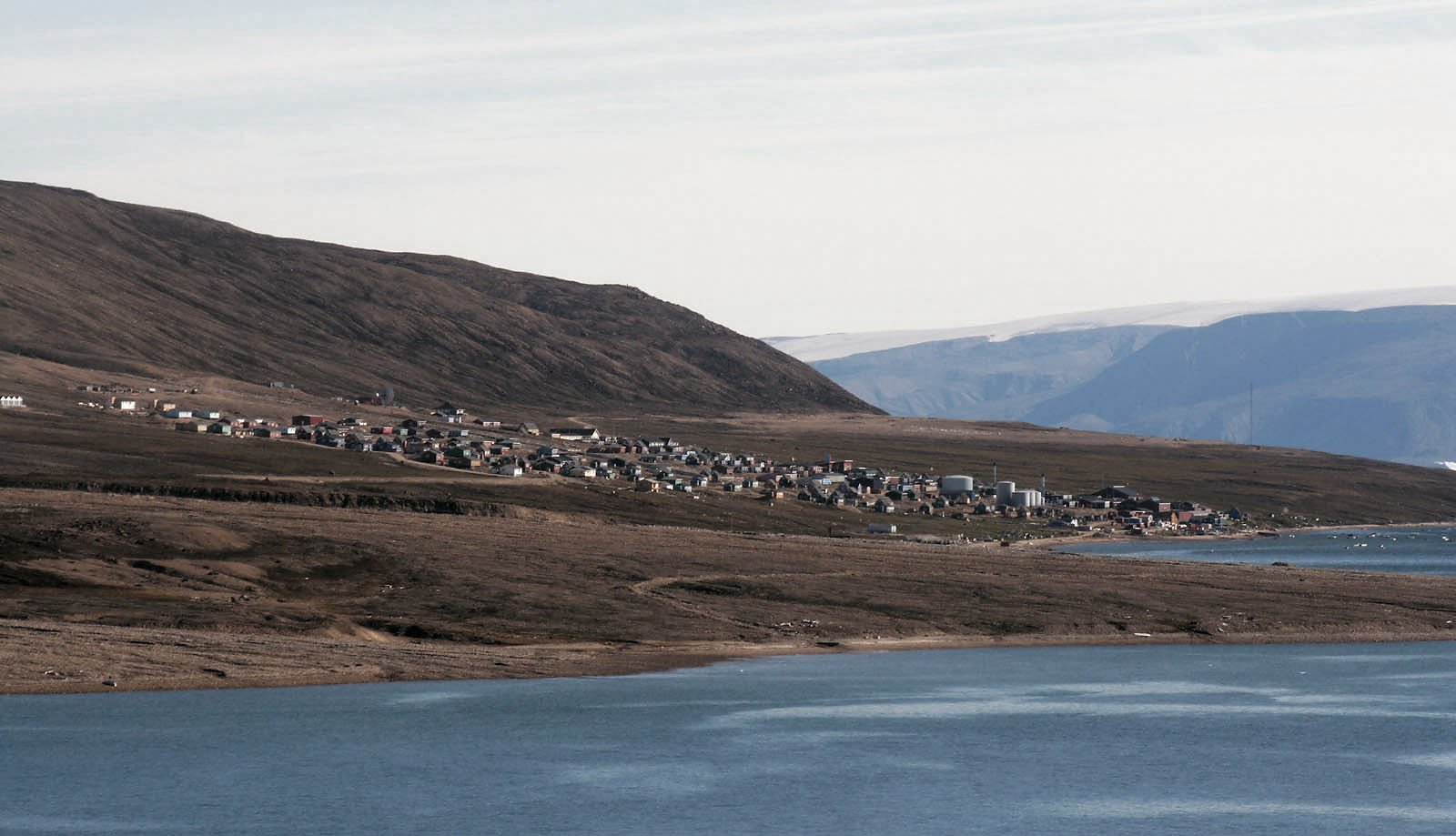
Qaanaaq
©
Qaanaaq

Qaanaaq

Far-north Greenland town on Inglefield Bredning, rooted in the relocated Thule community

Qaanaaq is one of the northernmost towns in the world, a settlement of about 600 people on the shore of Inglefield Bredning in the far northwest of Greenland. The town was established in 1953 when the inhabitants of the original Thule settlement were relocated to make way for the expansion of the American air base at Pituffik (Thule Air Base), about 100 kilometres to the south.

Despite its remoteness, Qaanaaq is a functioning town with a school, hospital, and small hotel. The Qaanaaq Glacier is less than an hour's walk away, and the surrounding landscape is Arctic in the most absolute sense — sea ice, ice caps, and midnight sun in summer, polar darkness in winter. The Inughuit people who live here maintain some of the most northerly hunting traditions in the world, still working teams of Greenland dogs across the sea ice each spring.

The town itself has a small museum in the former house of the explorer Knud Rasmussen. The fjord in front of it — Inglefield Bredning — is one of the few places in the world where narwhal and beluga share the same waters. A short boat ride or sled trip north along the coast brings you to Siorapaluk, the world's northernmost civilian settlement.

Getting to Qaanaaq requires flying via Ilulissat or Upernavik on Air Greenland's small domestic network. Access was previously complicated by the need to transit through the Pituffik base area, but a new airport at Qaanaaq has improved connections. Accommodation is limited, so book ahead.

Guide

Getting There

There are no roads to Qaanaaq from anywhere. The only realistic option is to fly Air Greenland, usually routing through Ilulissat or Upernavik to Qaanaaq Airport (NAQ), a small gravel strip a few kilometres north of town. Schedules are sparse — typically once or twice a week in summer — and weather cancellations are routine.

The historic complication of needing to transit through the Pituffik (Thule) Air Base airspace has eased since the new civilian terminal at Qaanaaq opened. Allow buffer days at either end; a week-long visit can easily become ten. From Denmark, plan for at least two days of travel each way. There is no harbour for cruise calls in winter, but a few small expedition ships call in August.

Guide

Things to Do

There is no checklist of sights in Qaanaaq. Most of what brings people here is the landscape itself — the glacier wall a short walk inland, the floe-edge in spring, the midnight sun in July, the polar dark from late October. The town does have a small museum in the former house of the polar explorer Knud Rasmussen, and the hunters are happy to take visitors out by dog sled or boat depending on the season.

Guide

When to Go

There are two clear seasons for visitors. April and May are the best months for sea-ice travel — sled trips to the floe edge, narwhal-hunting season, 24-hour daylight, dry cold around -15 to -25 C. The ice is stable, the light is extraordinary, and most of the local hunters are out on the ice. July and August are the open-water season — boat trips on Inglefield Bredning, glacier calving at the head of the fjord, midnight sun, temperatures hovering around freezing but bearable.

Avoid the shoulder months: October to March is dark and almost everything outside the village is closed, June is the slushy break-up, and September is unstable weather with no sea ice yet. Polar bears are around year-round; never walk far from town without a guide and a rifle.