Tasiilaq
©
Tasiilaq

Tasiilaq

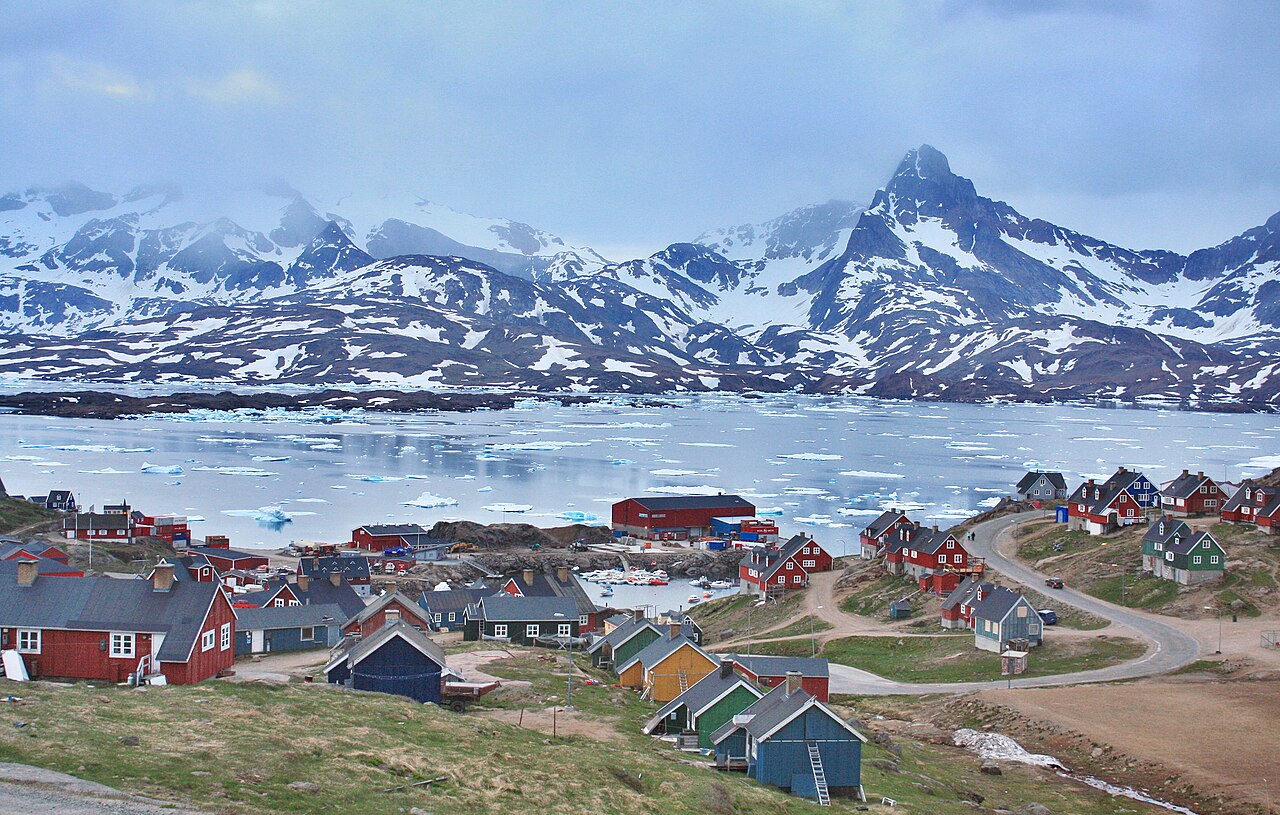
East Greenland town in a sheltered fjord, ringed by steep mountains and bright houses.

Tasiilaq is the largest town on the east coast of Greenland, and the main base for exploring a region that most visitors to Greenland never see. Also known by its older name, Ammassalik — meaning "the place with capelin" — the town sits just south of the Arctic Circle in a sheltered fjord with a narrow sea entrance, ringed by steep mountains. Arriving by helicopter, the first view is of brightly-coloured houses clinging to the mountainsides above the fjord: one of the more dramatic introductions to any town on earth.

East Greenland receives a fraction of the visitors that the west coast does, and the difference shows. The landscape is rawer, the hunting culture more intact, and the sense of isolation genuine. The region around Tasiilaq is excellent for hiking in summer and ski touring and dog sledding in spring, with routes across sea ice and up onto the icecap available through local guides. The Ammassalik Museum gives a good account of traditional Inuit life and the history of Danish contact.

Getting here requires a little planning. Air Greenland runs helicopters from Kulusuk airport, which in turn has direct summer flights from Reykjavik on Icelandair. The journey from Europe is easier than it sounds, and the remoteness is exactly the point.

Guide

Getting There

Getting to Tasiilaq is part of the adventure. There are no direct flights from mainland Europe — you must transfer at Kulusuk Airport (IATA: KUS), a small airstrip on an island about 60 km south of Tasiilaq.

From Reykjavik: Icelandair and Air Iceland Connect run summer flights (roughly May to October) from Reykjavik's Keflavik airport to Kulusuk. The flight takes about 1.5 hours. From Kulusuk, Air Greenland operates a 15-minute helicopter flight to Tasiilaq. The helicopter runs on a schedule but is subject to weather delays — plan buffer time.

From Nuuk or other Greenland towns: Air Greenland connects Kulusuk with the west coast and Nuuk. Services are infrequent and expensive.

By boat: Charter vessels can reach Tasiilaq in summer, but there is no scheduled passenger ferry service.

Practical note: Kulusuk airport's infrastructure is basic. If your helicopter connection is delayed or cancelled, you may spend unexpected hours or overnight in Kulusuk village or the airport building. Always carry extra supplies and warm clothing.

Guide

When to Go

Winter and spring (January to April): The classic time for dog sledding and ski touring. The sea ice is stable, the days are lengthening, and in March and April you get long sunlit days combined with excellent snow conditions. Temperatures range from -20°C to -5°C. The northern lights are visible from September to March.

Summer (June to August): The ice breaks up and the landscape turns green. Midnight sun from late May to late July means you can hike at any hour. Sea kayaking, hiking, and boat trips are the main activities. Temperatures reach 10-15°C on good days, though cold and fog are common.

September to December: Increasingly dark and cold. The sea ice begins to form in November. This is the shoulder season — fewer visitors, but the combination of early darkness and unsettled weather limits activities. The northern lights are spectacular on clear nights.

Air connections to Kulusuk only operate reliably from May to October. Winter visitors typically fly via Nuuk or use charter arrangements.